

Martin Ritt was an American director, actor, and playwright best known for his directorial endeavours in films that often explore themes of social justice and human rights. His films were renowned for their emotional depth and unflinching examination of relevant and pressing societal issues, with Hud and Norma Rae being notable examples.
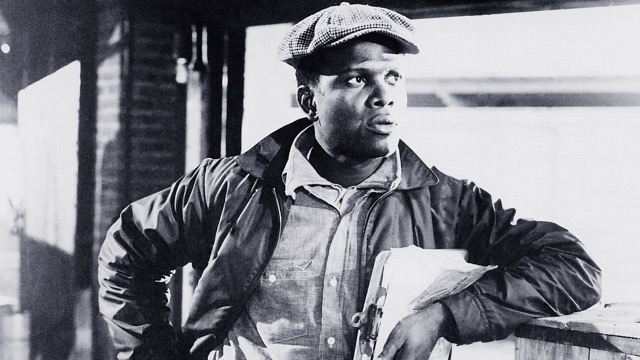
Ritt began his career as an actor and theatre director before transitioning to film in the 1950s. His early films, such as Edge of the City and The Long, Hot Summer, were notable for their bold exploration of racial tensions and their nuanced performances from actors like Sidney Poitier and Paul Newman.
His most acclaimed films include Hud, a Western drama about a ruthless cattle rancher that won three Academy Awards, and Norma Rae, a drama about a textile worker who becomes a union organiser that won an Academy Award for Best Actress for Sally Field. These films are notable for their complex characters, their powerful social commentary, and their authentic portrayal of working-class life.
Throughout his career, Ritt remained committed to using film as a tool for social change. He was a vocal opponent of the Hollywood blacklist and worked to promote the careers of blacklisted writers and actors. Ritt’s films were often controversial in their time for their frank depiction of social and political issues, but they have since been recognised as important works of American cinema. His legacy continues to inspire filmmakers who seek to use their art to promote social justice and effect change.
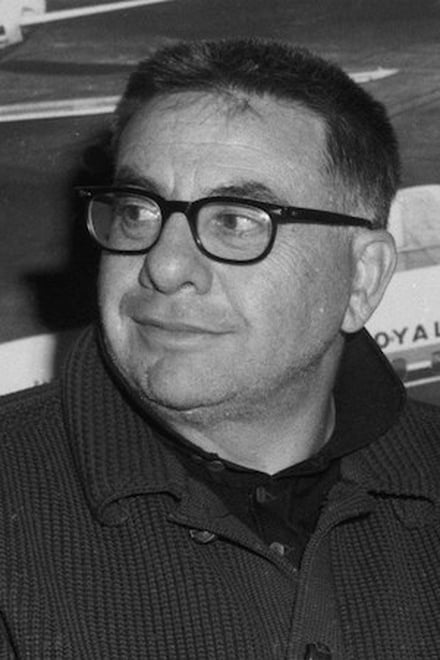
Martin Ritt (1914 – 1990)
Calculated Films:
- Hud (1963)
- The Spy Who Came In From The Cold (1965)
Similar Filmmakers
- Alan J. Pakula
- Arthur Penn
- Daniel Petrie
- Elia Kazan
- Fielder Cook
- Fred Zinnemann
- George Roy Hill
- James Goldstone
- John Cassavetes
- John Frankenheimer
- László Benedek
- Norman Jewison
- Robert Mulligan
- Robert Rossen
- Robert M. Young
- Sidney Lumet
- Stanley Kramer
- Sydney Pollack



Martin Ritt’s Top 5 Films Ranked
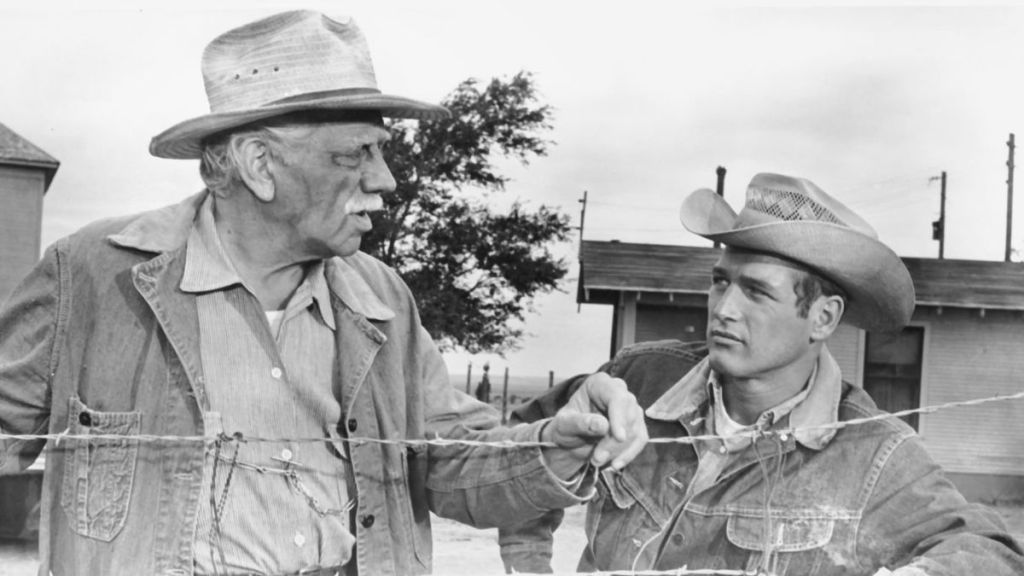
1. Hud (1963)
Genre: Drama, Neo-Western
2. The Spy Who Came In From The Cold (1965)
Genre: Spy, Political Thriller

3. Sounder (1972)
Genre: Drama, Coming-of-Age

4. Norma Rae (1979)
Genre: Drama, Buddy

5. Hombre (1967)
Genre: Revisionist Western

Martin Ritt: Themes and Style
Themes:
- Social Justice and Activism: Ritt’s films often explored social justice themes, bringing attention to issues like racism, labour rights, and political persecution. Films like Sounder and Norma Rae highlighted the struggles of marginalised groups, offering audiences an insight into the lives and experiences of individuals fighting against systemic oppression.
- Complex Human Relationships: Many of his films delved into the intricate dynamics of relationships, whether familial, romantic, or platonic, providing nuanced portrayals of human interaction and connection. Hud and Murphy’s Romance are exemplary for exploring familial relationships, portraying the tensions, bonds, and emotional landscapes that define human connections.
- Political and Anti-Establishment Themes: Ritt was blacklisted during the McCarthy era, and this experience significantly influenced his work, leading him to create films that critiqued political persecution and championed freedom of expression. The Front is a prime example, serving as a commentary on the Hollywood blacklist and McCarthyism, showcasing the consequences of political witch hunts on individuals and communities.
Styles:
- Realistic and Naturalistic Storytelling: Ritt employed a style marked by realism, often selecting stories that reflected the real-life experiences and struggles of individuals. He used naturalistic acting, dialogue, and settings to create films that felt authentic and relatable to audiences.
- Character-Driven Narratives: His films were primarily character-driven, with a strong emphasis on the psychological depth and development of the protagonists. Ritt’s characters were often complex, flawed, and deeply human, providing viewers with a window into the human condition and the varied experiences that define it.
- Visual Storytelling: While not known for flashy or overly stylised visuals, Ritt was adept at using cinematography to enhance and support the story, employing composition, lighting, and camera movements to convey mood, atmosphere, and emotion.
Directorial Signature:
- Actor’s Director: Ritt began his career as an actor and brought an actor-centric approach to his directorial work. He was known for eliciting powerful performances from his cast, working closely with actors to develop their characters and express the emotional depth and complexity of the narrative.
- Social Commentary: A significant aspect of Ritt’s directorial signature is his commitment to social commentary. Many of his films served as reflections on and critiques of societal issues, often prompting viewers to reflect on and engage with the themes presented in the narrative.
Martin Ritt – Great Director


 Bronze Screen Dream