
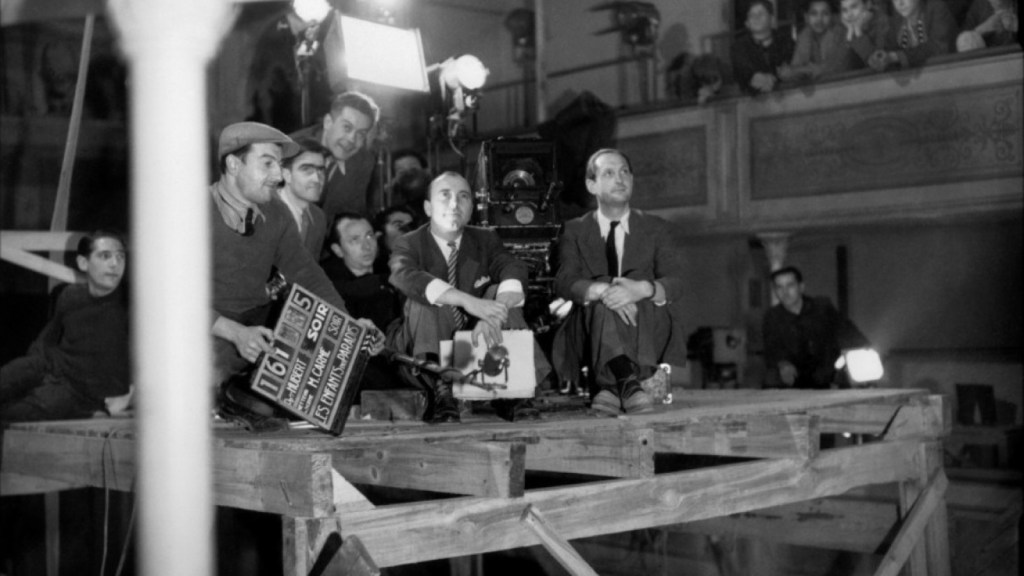
Marcel Carné, a seminal figure in French cinema, is best known for his association with the poetic realism movement, which beautifully melded realism with a lyrically poetic sensibility. His collaboration with writer Jacques Prévert resulted in critically acclaimed films like Children of Paradise and Le Quai des Brumes. These films were recognised for their stylistic elegance, atmospheric cinematography, and meticulously detailed set designs, often exploring the lives of working-class characters against a backdrop of social and political context.
Carné’s cinematic journey started when he moved from journalism into filmmaking as an assistant to René Clair and Jacques Feyder. His early experiences instilled in him a meticulous attention to detail and an appreciation for a lyrical, evocative visual style, which would become defining characteristics of his directorial work. This distinctive style was particularly evident in Le Quai des Brumes, where the mist-laden, shadowy docklands serve as the perfect backdrop for a tale of romantic pessimism.
A recurring theme in Carné’s work is doomed love or romantic pessimism. This thematic motif, characterised by characters whose romantic aspirations are thwarted by fate or societal circumstances, resonates strongly throughout his filmography. For instance, in Children of Paradise, the central character is embroiled in a complex love triangle, her aspirations perpetually hindered by the machinations of fate and societal constraints. Meanwhile, the film’s setting within the theatre world of 19th-century Paris allowed Carné to contrast the harsh realities of his characters’ lives with the spectacle and illusion of the stage.
The Stories of Paris’ Pavements
Carné’s films often depicted the struggles and aspirations of working-class individuals, reflecting his social and political leanings. His cinematic universe, grounded in ordinary people’s everyday lives and problems, painted a vivid and empathetic portrait of the working class. This focus is apparent in films like Le Jour Se Lève, a precursor to film noir, which encapsulates the despair and hopelessness often experienced by those on society’s fringes.
Marcel Carné’s influence extends beyond French cinema and has impacted filmmakers globally. Directors like Martin Scorsese and Terry Gilliam have acknowledged his films’ influence on their work. His distinctive blend of realism and poetic lyricism in films like Children of Paradise has left an indelible mark on cinema. Despite initial criticism from French New Wave critics, Carné’s work has seen a significant reevaluation over the years, further cementing his reputation as a pioneering figure in film.

Marcel Carne (1906 – 1996)
Calculated Films:
- Drole de Drama (1937)
- Port of Shadows (1938)
- Hotel du Nord (1938)
- Le Jour Se Leve (1939)
- Les VIsiteurs du Soir (1942)
- Children of Paradise (1945)
- Therese Raquin (1953)
Similar Filmmakers
- Anatole Litvak
- Carol Reed
- Claude Autant-Lara
- Francois Truffaut
- Fritz Lang
- Henri Decoin
- Jacques Becker
- Jacques Feyder
- Jean-Pierre Melville
- Jean Renoir
- Jean Vigo
- Julien Duvivier
- Luchino Visconti
- Max Ophuls
- Pierre Chenal
- Rene Clair
- Rene Clement
- Roberto Rossellini


Marcel Carne’s Top 10 Films Ranked
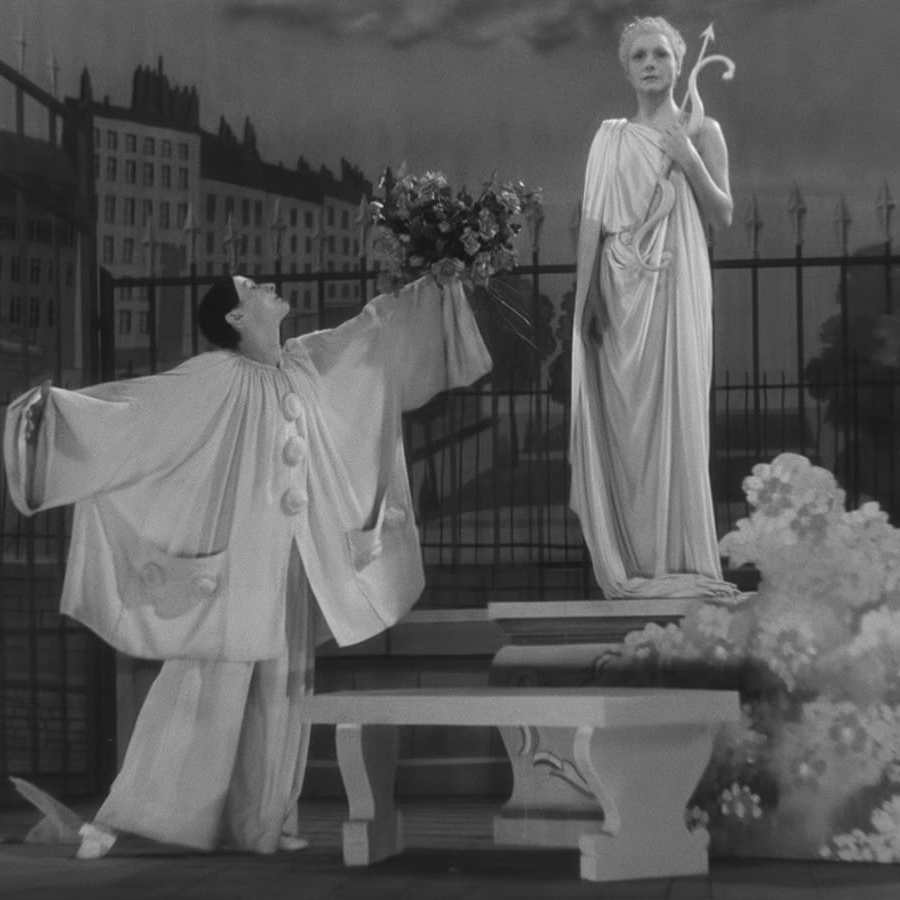
1. Children of Paradise (1945)
Genre: Romance, Drama

2. Port of Shadows (1938)
Genre: Romance, Drama

3. Le Jour Se Leve (1939)
Genre: Romance, Crime, Drama
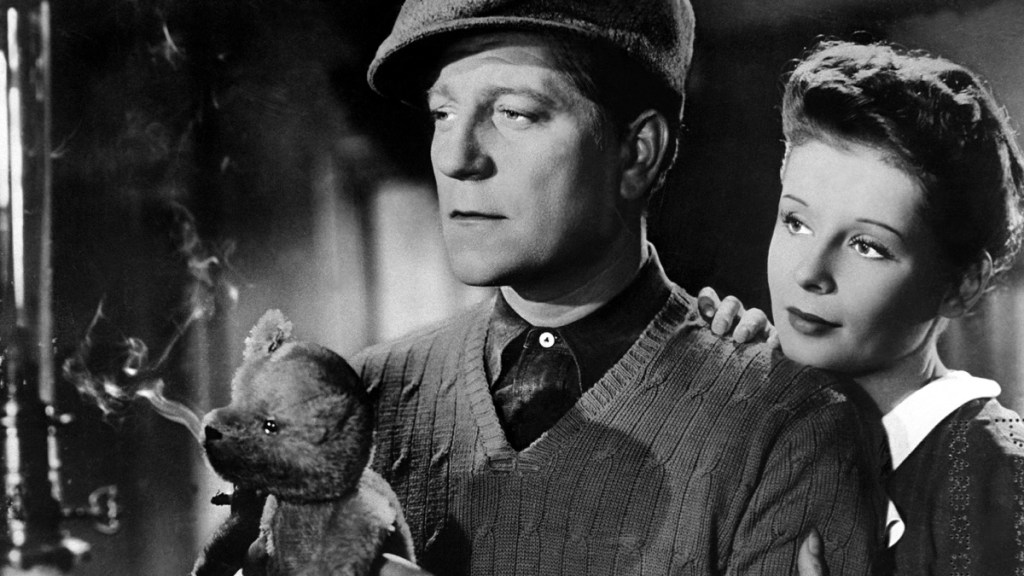
4. Hotel du Nord (1938)
Genre: Romance, Drama
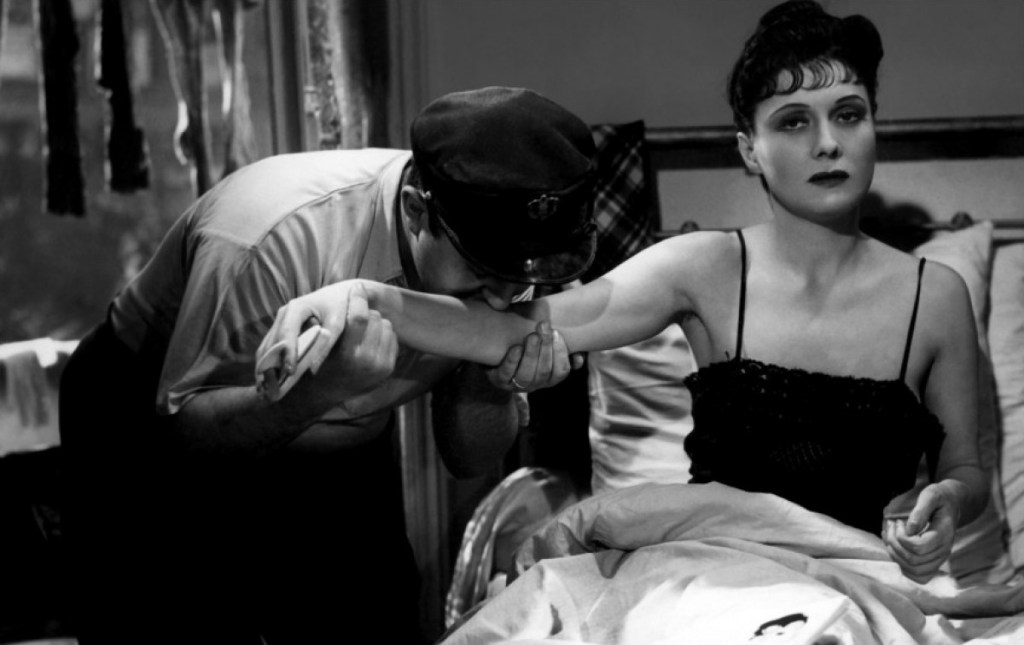
5. Drole de Drame (1937)
Genre: Comedy
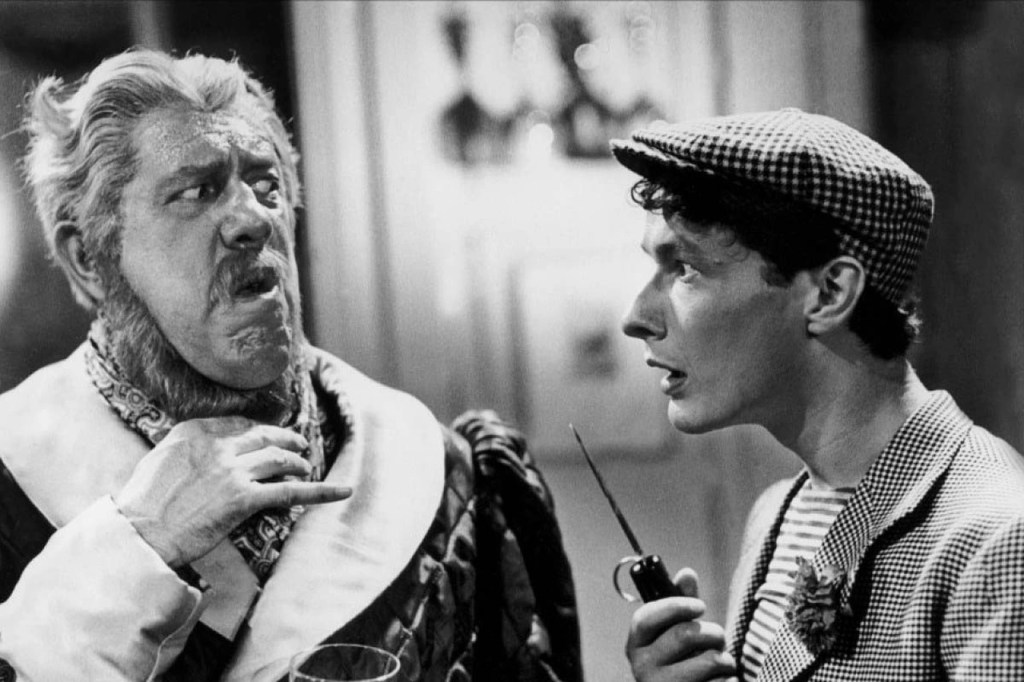
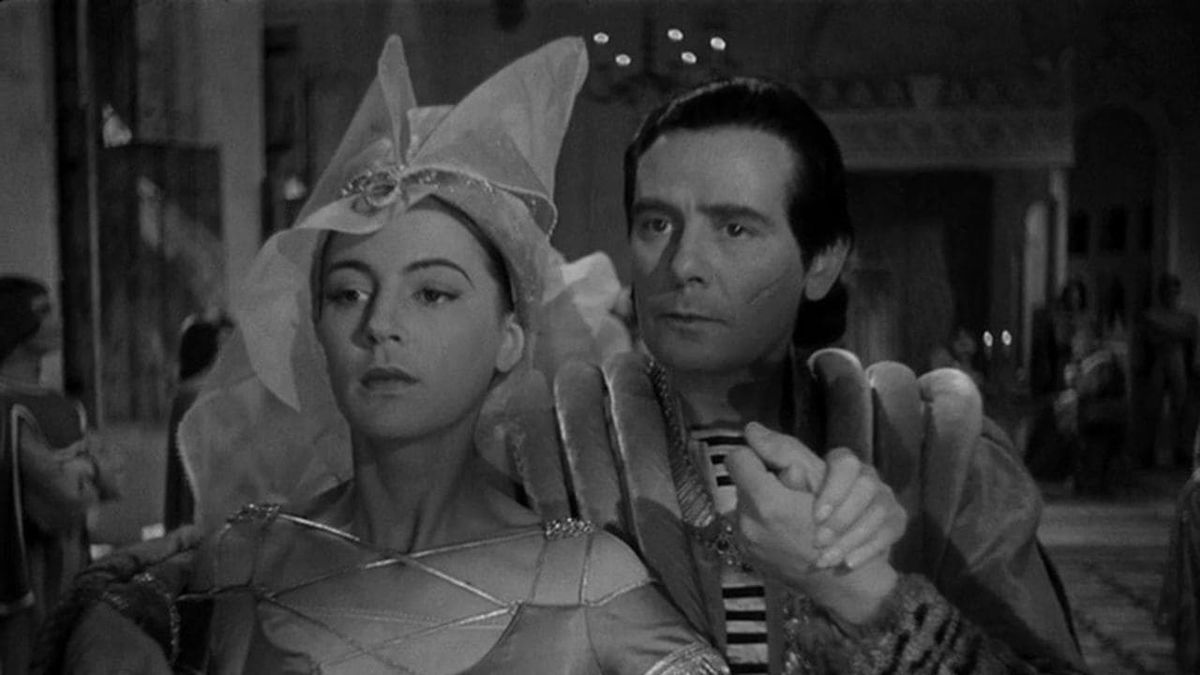
6. Les Visiteurs du Soir (1942)
Genre: Romance, Fantasy, Medieval
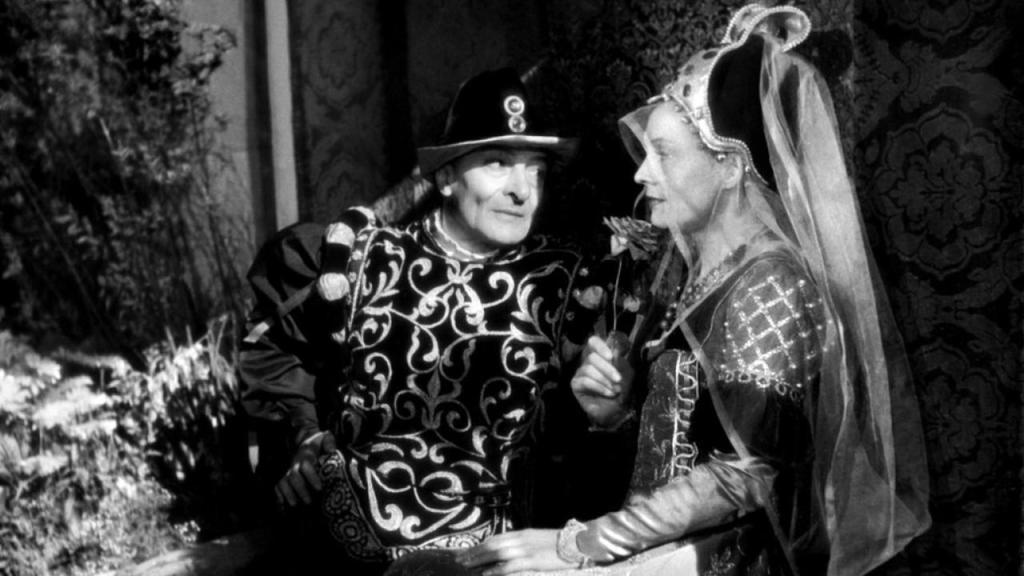
7. Therese Raquin (1953)
Genre: Crime, Romance, Drama

8. Gates of the Night (1946)
Genre: Drama, Romance, Melodrama
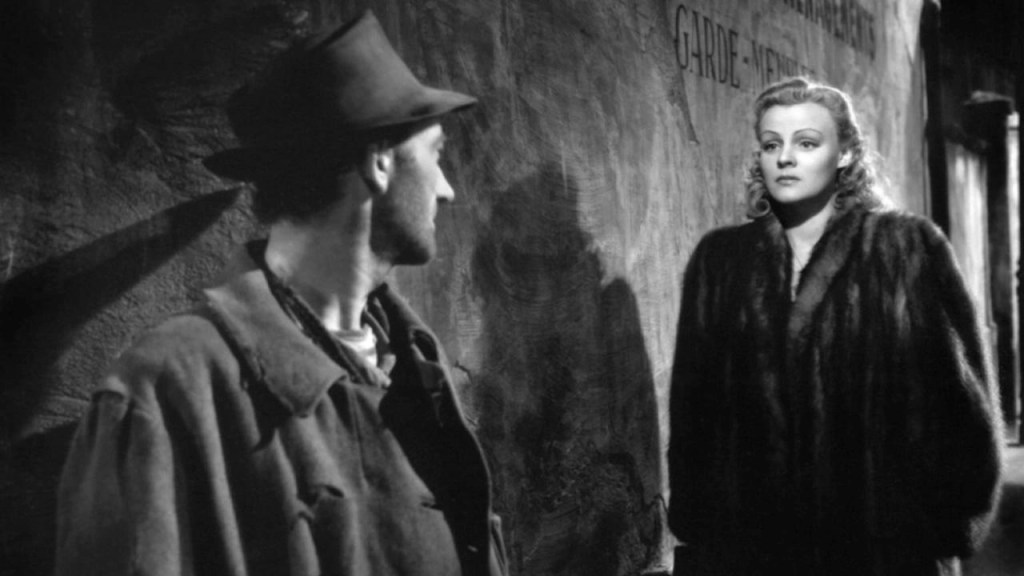
9. Juliette, or Key of Dreams (1951)
Genre: Fantasy, Drama, Romance
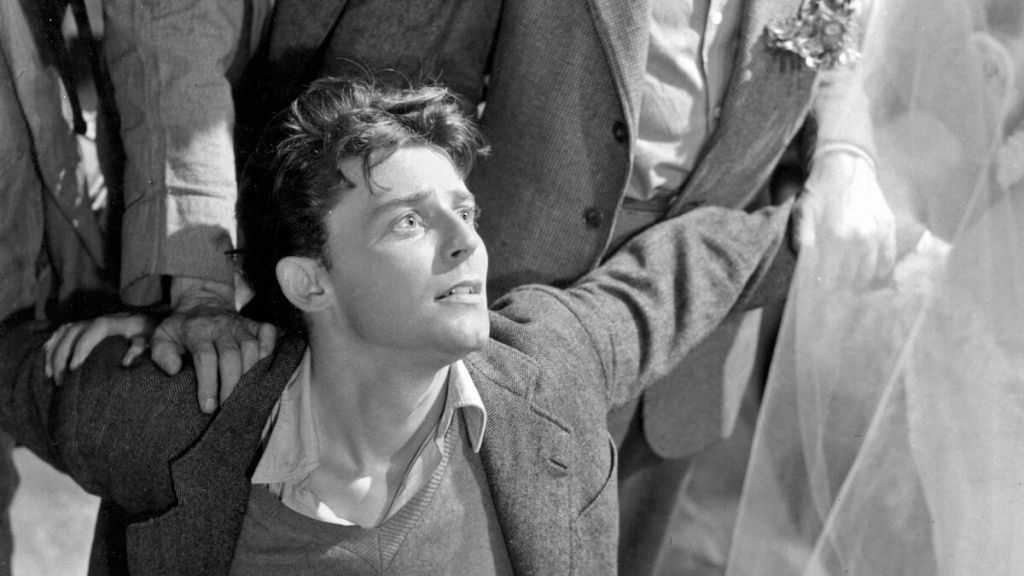
10. The Cheaters (1958)
Genre: Drama
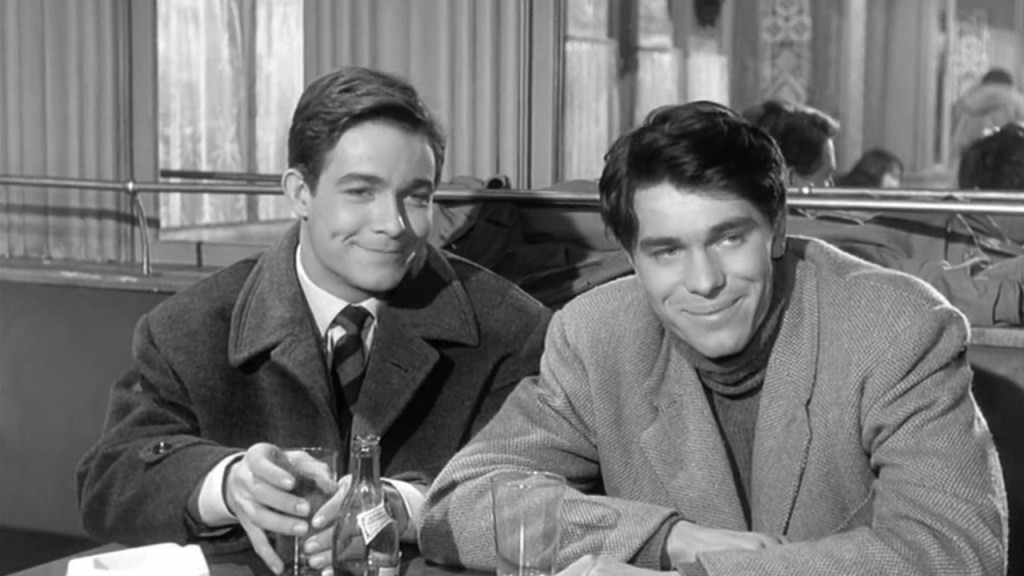
Marcel Carne: Themes and Style
Themes:
- Poetic Realism: Carné’s films, such as Le Quai des brumes and Le jour se lève, often showcase the gritty reality of life while imbued with a sense of poetry and fatalism, highlighting the struggles of working-class characters against a backdrop of societal constraints.
- Fate and Destiny: His works frequently explore the concept of fate, as seen in Les Enfants du Paradis, where characters seem to be trapped by an inexorable destiny, often leading to tragic outcomes.
- Love and Loss: Carné delves into the complexities of love and the pain of loss. In Les Visiteurs du Soir, romance is portrayed as a powerful force that can defy even supernatural intervention but often comes with a sense of melancholy and doom.
- War and Occupation: Films like Les Portes de la Nuit reflect on the impact of war and the German occupation of France, weaving these historical realities into the personal lives of his characters.
Styles:
- Atmospheric Settings: Carné’s films are known for their moody and atmospheric settings, creating a visually rich world where the location almost becomes a character itself, as seen in the vibrant depiction of the theatre world in Les Enfants du Paradis.
- Expressionist Influence: He often employed elements of German Expressionism, using shadow and light to convey the inner turmoil of characters, which is evident in the stark contrasts and dramatic lighting of Le jour se lève.
- Long Takes and Fluid Camera Work: Carné favoured long takes and a moving camera to capture the essence of a scene, allowing the performances and script to shine, creating a seamless narrative flow as seen in Les Enfants du Paradis.
- Collaborative Screenplays: His collaboration with writer Jacques Prévert resulted in layered and poetic screenplays, with dialogues that resonated with philosophical depth and emotional truth, which became a hallmark of films like Le Quai des brumes.
Directorial Signature:
- Ensemble Casts: Carné often worked with ensemble casts, bringing together prominent actors of the time to create a tapestry of interwoven stories. This technique is central to the epic narrative of Les Enfants du Paradis.
- Melancholic Tone: A signature of Carné’s direction is a pervasive melancholy that suffuses his films, reflecting the existential angst of the era and creating a poignant emotional resonance with the audience.
- Humanism: Despite the often bleak outlook, Carné’s films exhibit a deep humanism, focusing on the dignity and depth of his characters, revealing the beauty and tragedy of human nature in films like Les Visiteurs du Soir.
- Theatre Motifs: Carné frequently incorporated elements of theatre into his films, using performance as a metaphor for the roles individuals play in society and the masks they wear, which is most evident in Les Enfants du Paradis.
Marcel Carne: The 110th Greatest Director


 Bronze Screen Dream