
Mamoru Hosoda, a Japanese film director and animator, has made a significant mark in the world of animation with his unique storytelling and visual style. Best known for his work on films like Mirai, for which he received an Academy Award nomination for Best Animated Feature Film, Hosoda’s career has been marked by a series of critically acclaimed projects that have resonated with audiences worldwide.
Hosoda’s journey in the animation industry began at Toei Animation, where he gained public attention in the early 2000s with the first two films in the Digimon Adventure series. His talents caught the eye of Studio Ghibli’s Toshio Suzuki, but following a brief period at Ghibli, Hosoda returned to Toei and collaborated with artist Takashi Murakami. He then joined Madhouse, where he directed notable films like The Girl Who Leapt Through Time and Summer Wars, both of which won the Japan Academy Prize for Animation of the Year in consecutive years. In 2011, he established his own studio, Studio Chizu, producing films like Wolf Children, The Boy and the Beast, Mirai, and Belle.
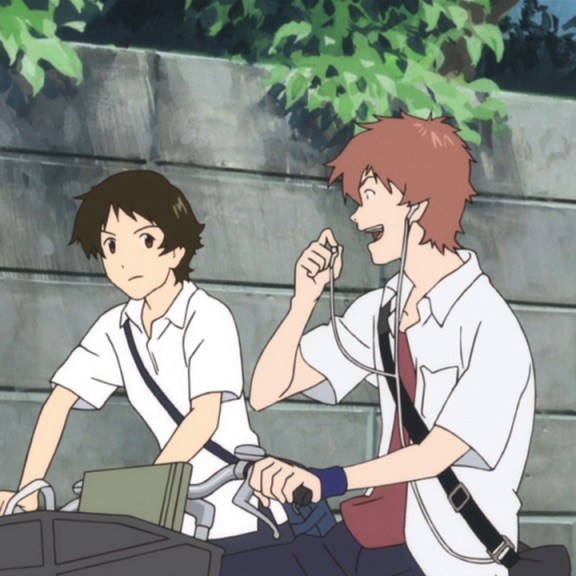
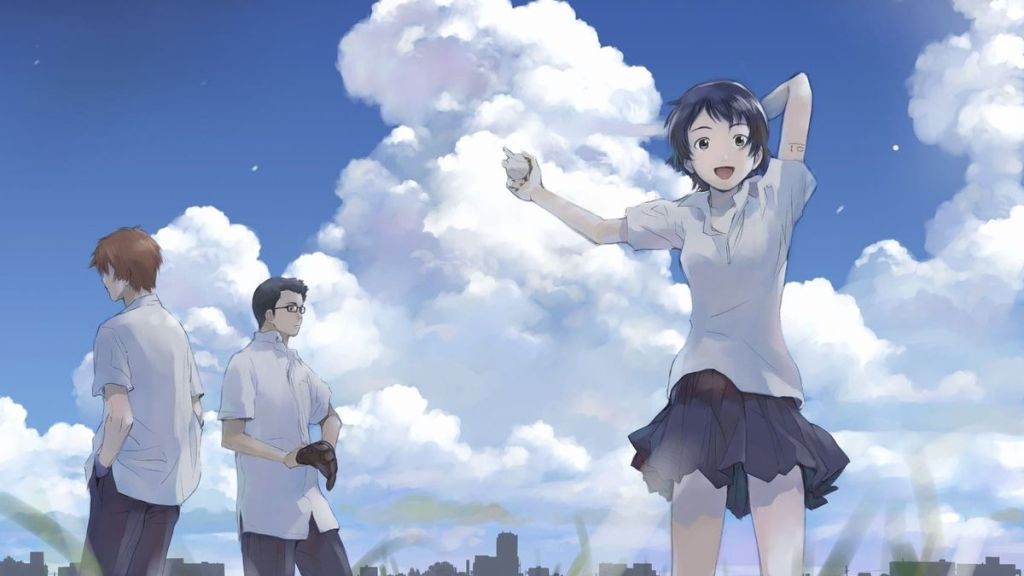
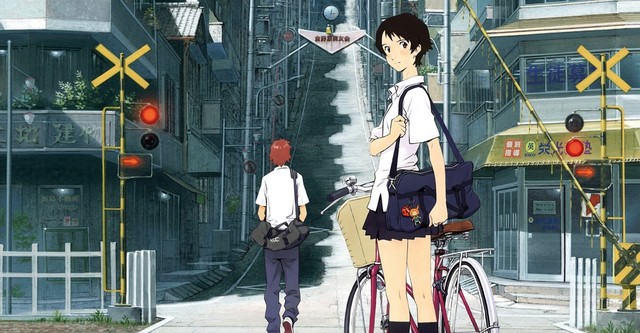
Hosoda’s films are known for their exploration of themes like cause and consequence, responsibility, and sacrifice, often set against a backdrop of exquisitely realised fantasy worlds. His works are deeply personal, channelling his life experiences into each film. Visually, he prefers clean lines and simple colour schemes, which add a sense of normalcy amidst the fantastical elements of his stories. This style is evident in films like The Girl Who Leapt Through Time, where the focus remains on the emotional journey of the main character, Makoto, amidst her supernatural ability to leap back in time. Similarly, Summer Wars reflects Hosoda’s personal life, inspired by his experiences with his extended family and upbringing as an only child. The film combines themes of communication within a family with the hyperactivity of a family gathering. Wolf Children and The Boy and the Beast continue these themes, delving into the complexities of family dynamics, personal growth, and identity. In Mirai, Hosoda explores themes of family, particularly focusing on the challenges and responsibilities of parenthood while also maintaining a strong emphasis on emotional honesty and introspection.

Mamoru Hosoda (1967 –)
Calculated Films:
- The Girl Who Leapt Through Time (2006)
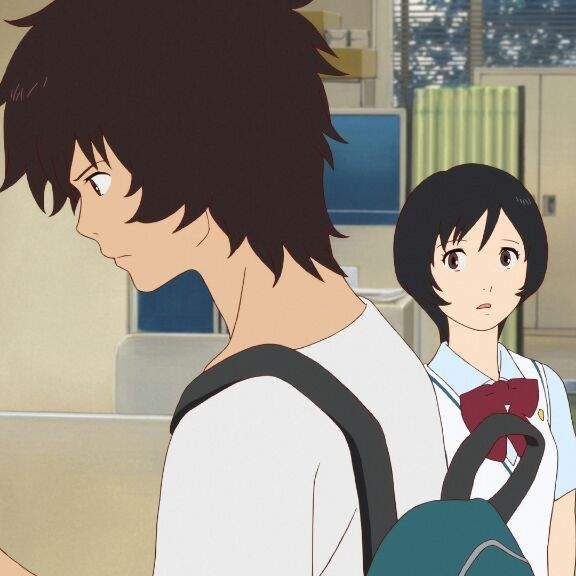
- Wolf Children (2012)
Similar Filmmakers
- Akiyuki Shinbo
- Ayumu Watanabe
- Hayao Miyazaki
- Hideaki Anno
- Hiromasa Yonebayashi
- Hiroyuki Imaishi
- Hiroyuki Okiura
- Isao Takahata
- Katsuhiro Otomo
- Kenji Kamiyama
- Kitarou Kosaka
- Makoto Shinkai
- Masaaki Yuasa
- Naoko Yamada
- Rintaro
- Satoshi Kon
- Sunao Katabuchi
- Tatsuyuki Nagai

Mamoru Hosoda’s Top 5 Films Ranked
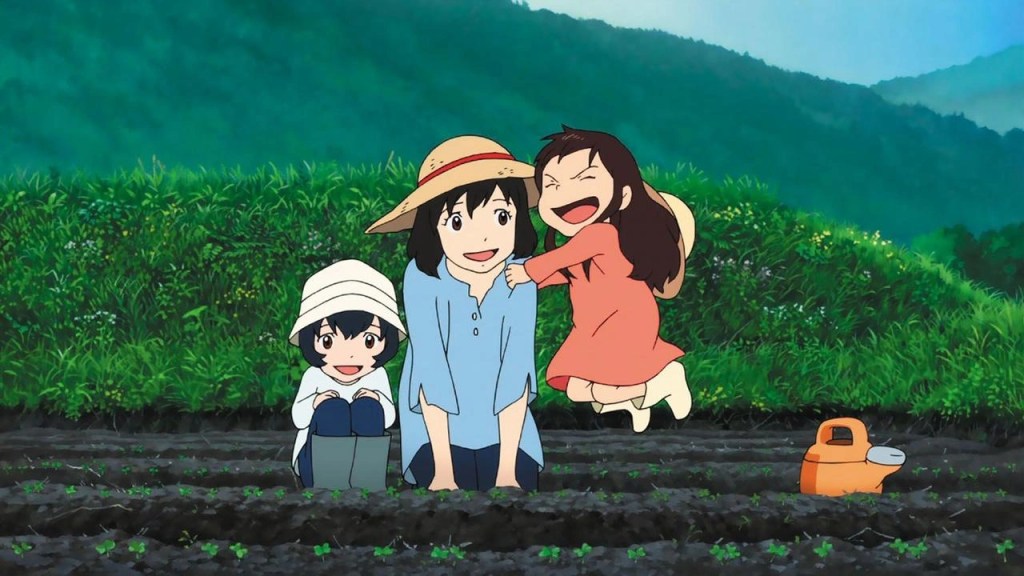
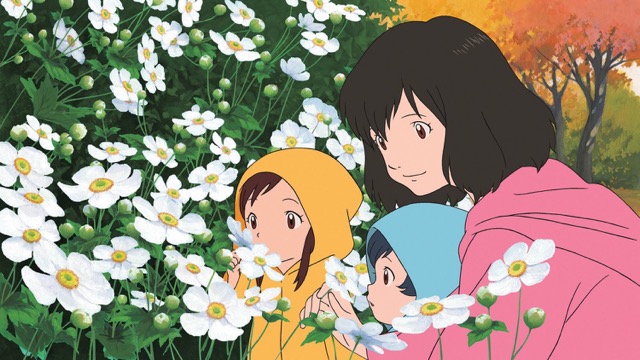
1. Wolf Children (2012)
Genre: Anime, Low Fantasy, Coming-of-Age, Drama, Family Drama, Werewolf
2. The Girl Who Jumped Through Time (2006)
Genre: Anime, Teen Movie, Drama, Low Fantasy, Time Travel
3. The Boy and the Beast (2018)
Genre: Coming-of-Age, Anime, Fantasy, Isekai

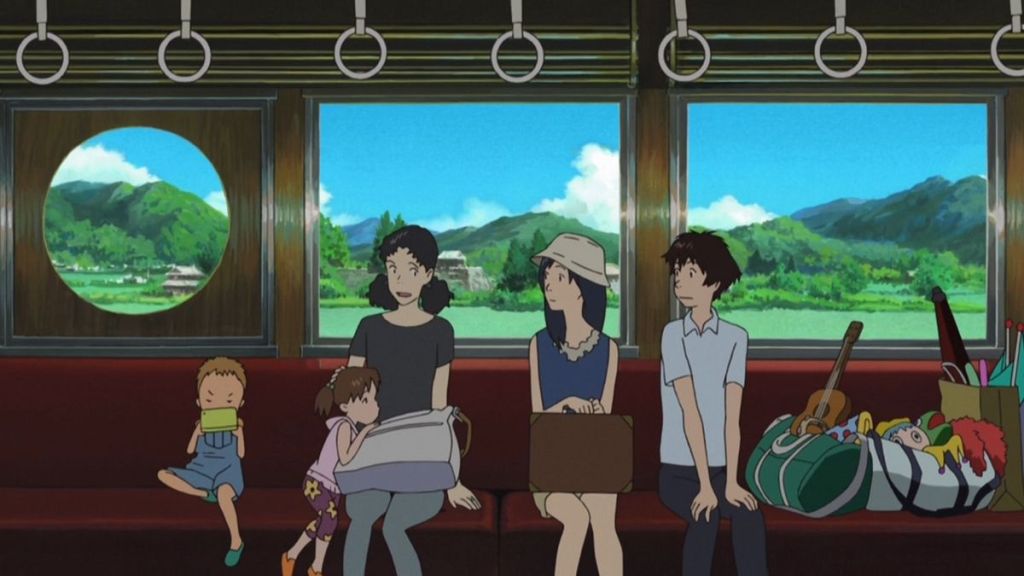
4. Summer Wars (2009)
Genre: Anime, Sci-Fi, Family, Virtual Reality, Family Drama
5. Belle (2021)
Genre: Virtual Reality, Anime, Music, Coming-of-Age, Computer Animation

Mamoru Hosoda: Themes and Style
Themes:
- Family Dynamics and Relationships: Hosoda often explores complex family relationships and dynamics. In Wolf Children, the focus is on the challenges and joys of single parenthood, while Mirai delves into sibling relationships and the impact of family heritage.
- Connection Between Virtual and Real Worlds: A recurring theme in Hosoda’s work is the interaction between virtual spaces and the real world. Summer Wars and Digimon Adventure: Our War Game! showcase how virtual experiences impact real-life decisions and relationships.
- Coming of Age and Self-Discovery: Many of Hosoda’s films are centred around young protagonists on the brink of adulthood. The Girl Who Leapt Through Time and Wolf Children depicts the journey of self-discovery and the trials of growing up.
- Cultural Identity and Heritage: Hosoda often weaves elements of Japanese culture and folklore into his narratives, as seen in The Boy and The Beast, where traditional concepts are integrated into a modern tale.
- Technology and Its Impact: His films frequently address the influence of technology on human lives. Summer Wars explores the consequences of a digital world intertwined with reality, highlighting both the benefits and dangers of technological advancement.
Styles:
- Vibrant and Expressive Animation: Hosoda’s films are known for their rich colour palettes and expressive animation. His visual storytelling is both dynamic and emotive, capturing the essence of characters and their environments.
- Fluid Transition Between Realities: He often employs a fluid transition between the real and fantastical or virtual worlds, creating a seamless narrative flow. This is evident in Summer Wars, where the lines between the online and offline worlds are artfully blurred.
- Focus on Everyday Life: Despite fantastical elements, Hosoda’s films are grounded in the everyday realities of life. Scenes depicting routine activities add a layer of relatability and depth to his narratives.
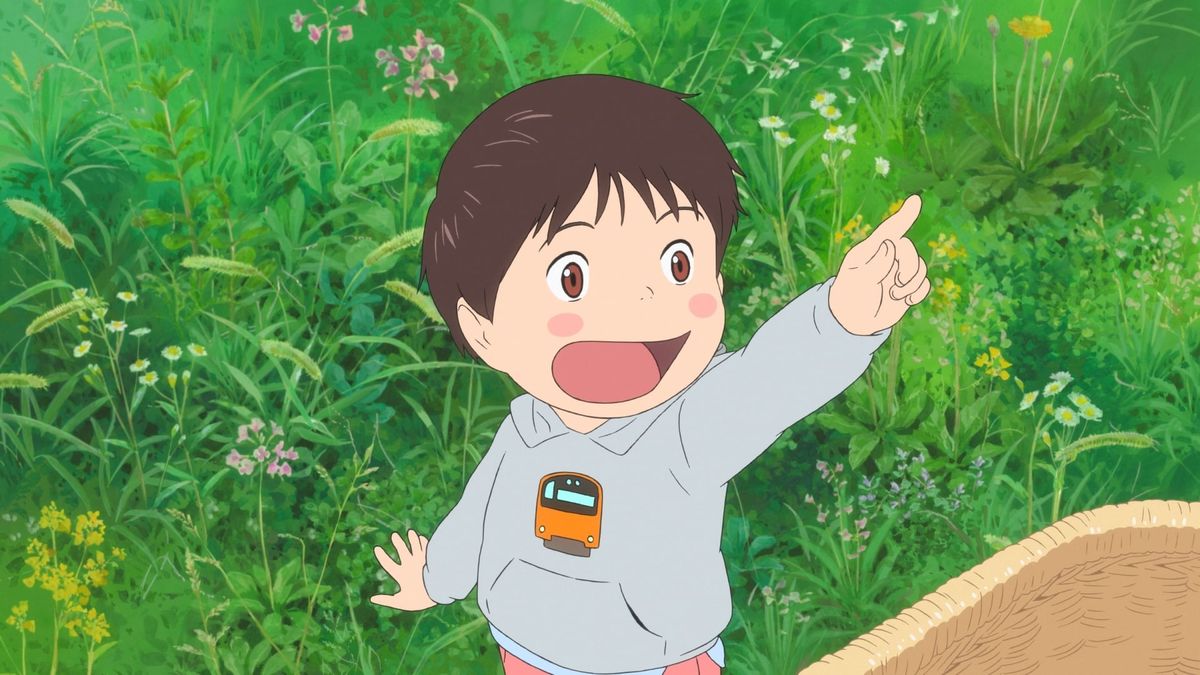
- Cinematic Storytelling: His direction often mirrors live-action filmmaking techniques, using cinematic framing, angles, and movements to enhance the visual narrative, as showcased in Mirai.
- Innovative Use of Time: The manipulation and representation of time is a unique aspect of Hosoda’s style, most notably in The Girl Who Leapt Through Time, where time travel is used to explore deeper emotional themes.
Directorial Signature:
- Personal and Autobiographical Elements: Hosoda often includes elements from his own life experiences, lending authenticity and emotional depth to his films. Wolf Children and Mirai, for instance, reflect his perspectives on parenthood and family.
- Strong Female Characters: He frequently centres his stories around strong, complex female protagonists, challenging traditional gender roles in animation. This is evident in The Girl Who Leapt Through Time and Belle.
- Intertwining Fantasy and Reality: A hallmark of Hosoda’s direction is the blending of fantastical elements with real-world settings, creating a unique narrative space where characters navigate both realms, as seen in The Boy and The Beast.
- Exploration of Social Themes: Hosoda doesn’t shy away from addressing social issues within his narratives, often using the fantastical to comment on real-world problems, such as the effects of internet culture in Summer Wars.
- Emotional Depth and Humanism: His films are characterised by a deep sense of humanism and emotional resonance, creating a strong empathetic connection between the audience and the characters, which is a key aspect of his directorial signature.
Mamoru Hosoda – Great Director

 Bronze Screen Dream