
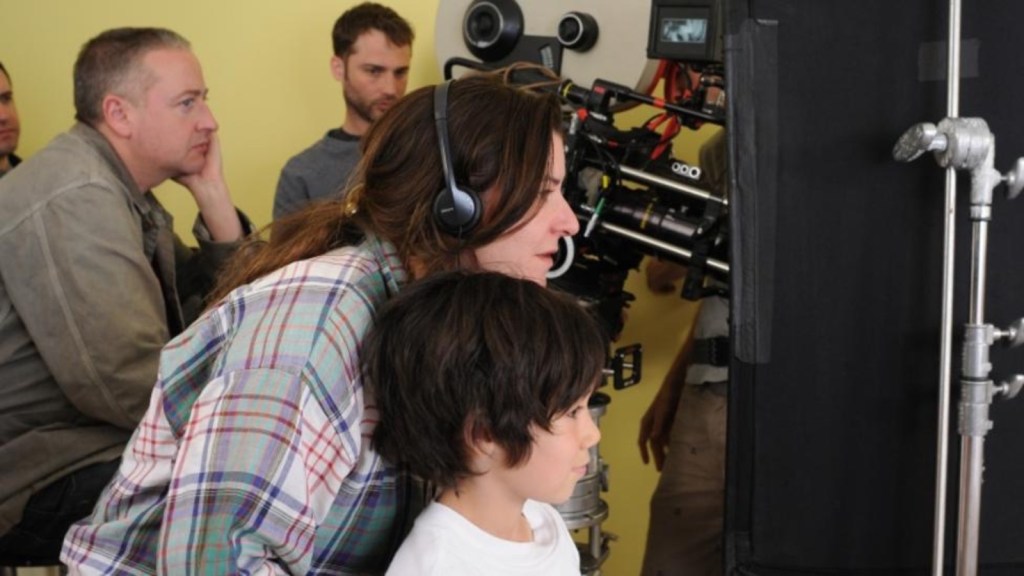
Lynne Ramsay is a Scottish filmmaker known for her poetic, visually stunning, and emotionally resonant films that explore the inner lives of characters grappling with trauma, loss, and the search for identity. Her work is characterised by a keen sense of visual storytelling, a masterful use of sound and music, and a deep empathy for her often troubled and isolated protagonists.
Ramsay first gained international attention with her debut feature, Ratcatcher, a haunting and beautifully observed portrait of a young boy coming of age in the slums of 1970s Glasgow. The film’s lyrical, impressionistic style and its tender, humanistic approach to its characters established Ramsay as a major new voice in British cinema.
Her subsequent films, Morvern Callar and We Need to Talk About Kevin, further demonstrated her ability to create emotionally complex and visually arresting works that challenge conventional narrative structures and explore the depths of human experience. Morvern Callar, in particular, is a haunting and enigmatic film that follows a young woman’s journey of self-discovery in the aftermath of her boyfriend’s suicide, while We Need to Talk About Kevin is a searing and unflinching examination of the relationship between a mother and her troubled son.
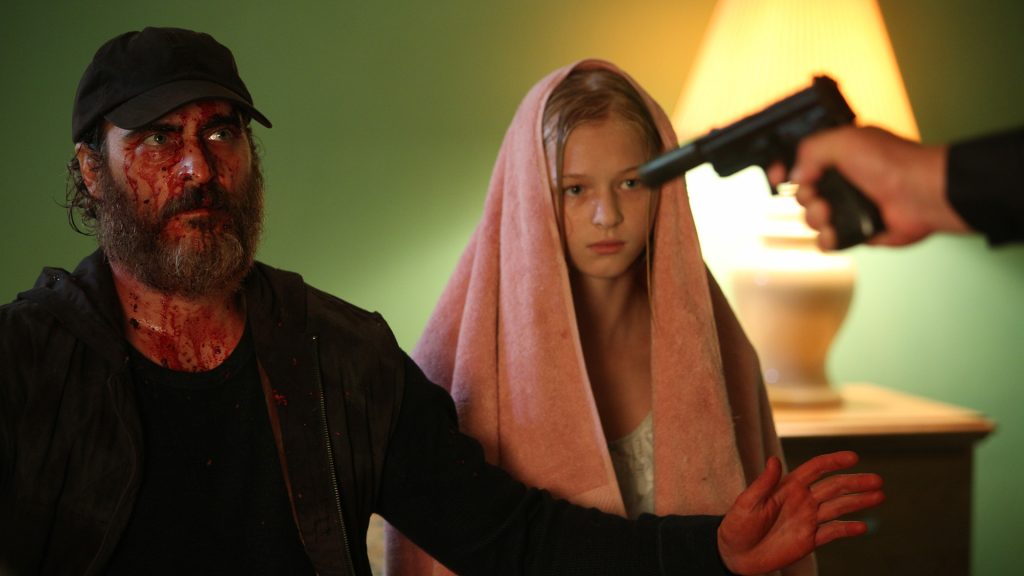
Ramsay’s most recent film, You Were Never Really Here, is a masterful thriller that showcases her ability to create a sense of almost unbearable tension and psychological intensity. The film, which stars Joaquin Phoenix as a traumatised veteran who works as a mercenary to rescue trafficked girls, is a haunting and deeply moving exploration of the scars of violence and the possibility of redemption.
Throughout her career, Ramsay has demonstrated a remarkable ability to create films that are at once deeply personal and universally resonant. Her work is marked by a profound sense of empathy for her characters, a keen understanding of the complexities of human behaviour, and a rare ability to find beauty and meaning in even the darkest and most painful experiences.

Lynne Ramsay (1969 – -)
Calculated Films:
- Ratcatcher (1999)
- Morvern Callar (2002)
- We Need To Talk About Kevin (2011)
- You Were Never Really Here (2017)
Similar Filmmakers
- Andrea Arnold
- Antonia Bird
- Ari Aster
- Carine Adler
- Cate Shortland
- Claire Denis
- Clio Barnard
- Darren Aronofsky
- David Lowery
- Debra Granik
- Jane Campion
- Kelly Reichardt
- Ken Loach
- Lars von Trier
- Michael Haneke
- Sean Durkin
- Steve McQueen
- Todd Hayes
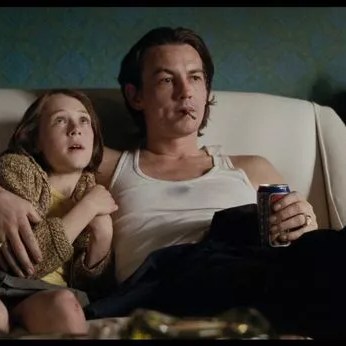
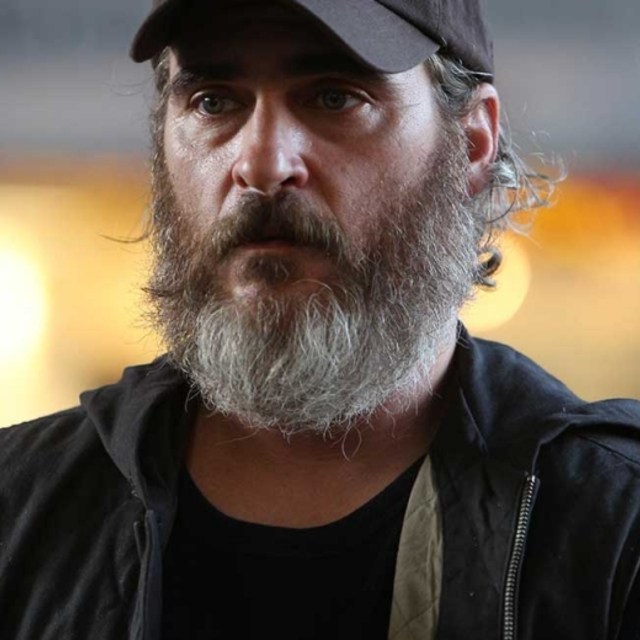
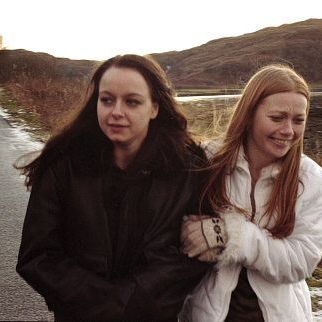
Lynne Ramsay’s Top Films Ranked
1. Ratcatcher (1999)
Genre: Drama, Coming-of-Age

2. You Were Never Really Here (2017)
Genre: Psychological Drama, Crime, Thriller

3. Morvern Callar (2002)
Genre: Drama

4. We Need to Talk About Kevin (2011)
Genre: Psychological Drama, Family Drama

Lynne Ramsay: Themes and Style
Themes:
- Human Trauma and Psychological Depth: Ramsay frequently explores the intricacies of human psychology and the traumatic experiences shaping her characters. Her narratives delve into the minds of individuals grappling with pain, loss, and disconnection, offering a close examination of their internal struggles.
- Children and Loss of Innocence: A recurring motif in Ramsay’s work is the perspective of children and their interaction with a complex, often hostile world. Through the eyes of young protagonists, she explores themes of vulnerability, innocence lost, and the grim realities of adulthood.
- Social Realism: Ramsay’s films often engage with socio-economic issues and the everyday struggles of ordinary individuals. Through a realistic lens, she addresses concerns like poverty, addiction, and the breakdown of family structures.
Styles:
- Visual Storytelling: Ramsay is known for her compelling use of visuals to convey narrative and emotion. With a background in photography, she employs meticulous, poetic visual language, crafting each frame with precision to reflect the film’s mood and themes.
- Minimal Dialogue: Her films often utilise minimal dialogue, allowing the imagery, sound design, and actors’ performances to communicate the story’s essence. This approach results in a more immersive and emotionally resonant viewing experience.
- Non-linear Narratives: Ramsay often employs non-linear narrative structures, utilising flashbacks, dream sequences, and fragmented timelines to create a disjointed but emotionally coherent storytelling experience.
Directorial Signature:
- Visual Poetry: One of the defining aspects of Ramsay’s directorial signature is her ability to infuse her films with a sense of visual poetry. She creates a rhythmic flow of images, where each shot contributes not just to the narrative but also to establishing an emotional texture and tone.
- Sound Design: Sound plays a crucial role in Ramsay’s films. Her use of sound design and music is often noted for its originality and its capacity to evoke atmosphere and emotion. The sonic elements in her works are carefully selected and crafted to align with and enhance the visual narrative, making the soundscapes in her films almost palpable.
- Emotional Intensity: Ramsay’s works are characterised by an intense emotional depth. Whether through the depiction of grief, despair, or fleeting moments of joy, she manages to evoke strong emotions from her audience, making her films memorable and impactful.
- Character Focus: Central to Ramsay’s directorial approach is a deep focus on character. She develops complex, multi-dimensional characters, investing time in allowing the audience to understand their motivations, fears, and desires. This character-centric approach ensures a deeper emotional engagement from the audience.
Lynne Ramsay – The 261st Greatest Director



 Bronze Screen Dream