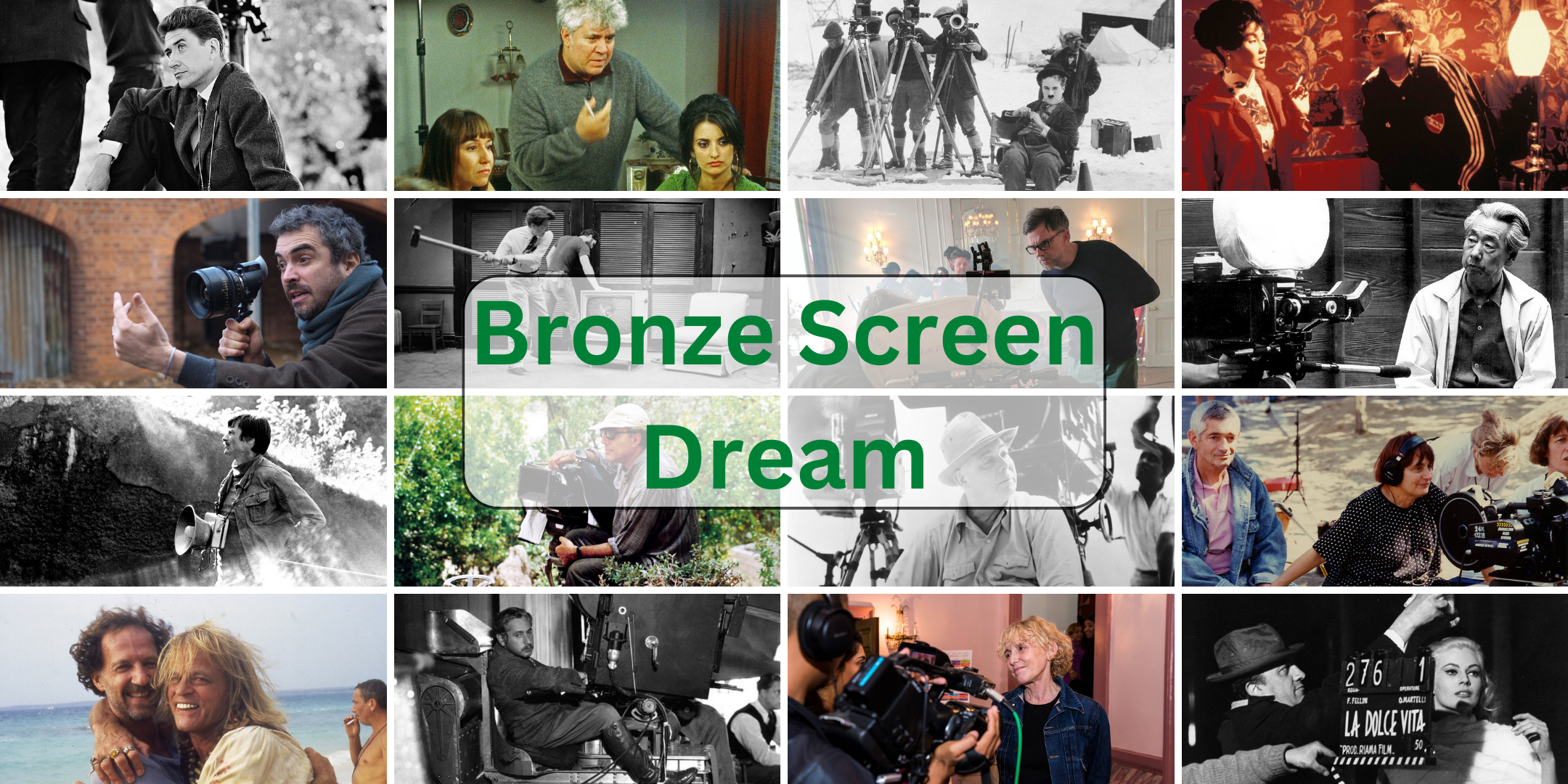

Lucrecia Martel, an Argentine filmmaker, is hailed as one of the leading figures of the New Argentine Cinema wave. Known for her critically acclaimed films like La Ciénaga, The Holy Girl, and The Headless Woman, Martel’s unique storytelling approach focuses on themes of class, family, and the subtleties of human relationships, often against the backdrop of Argentina’s social and political landscape.
Raised in Salta, a province in Northwestern Argentina, Martel’s fascination with filmmaking began at an early age. She honed her craft at Avellaneda Experimental (AVEX), followed by the National Experimentation Filmmaking School (ENERC) in Buenos Aires, where her unconventional storytelling approach started to take shape. Her debut feature La Ciénaga immediately put her on the global cinema map with its sophisticated depiction of familial decay and class tension.
Martel’s films are characterised by their nuanced exploration of social structures, particularly class and gender dynamics in Argentine society. The murky waters of moral ambiguity and complex human psychology are a constant in her narratives. For instance, in The Holy Girl, she masterfully navigates themes of sexuality, religion, and adolescence in a deeply conservative setting.
“I write about what I know and also what I don’t understand. Emotions for what has transpired.”
Her distinctive visual style and approach to sound design further distinguish Martel as a unique filmmaker. Martel’s films create an immersive, almost claustrophobic atmosphere by employing extensive use of close-ups, non-linear narratives, and an intentionally disorienting sound design. For example, The Headless Woman utilises this stylistic approach to elicit a haunting portrayal of guilt and societal indifference.
Martel has significantly influenced modern cinema, inspiring filmmakers both within and outside Argentina. Her innovative approach to storytelling and form has earned her recognition from contemporaries such as Pedro Almodóvar, who produced The Holy Girl, and Apichatpong Weerasethakul.

Lucrecia Martel (1966 – -)
Calculated Films:
- La Cienaga (2001)
- The Headless Woman (2008)
- Zama (2017)
Similar Filmmakers


Lucrecia Martel’s Films Ranked
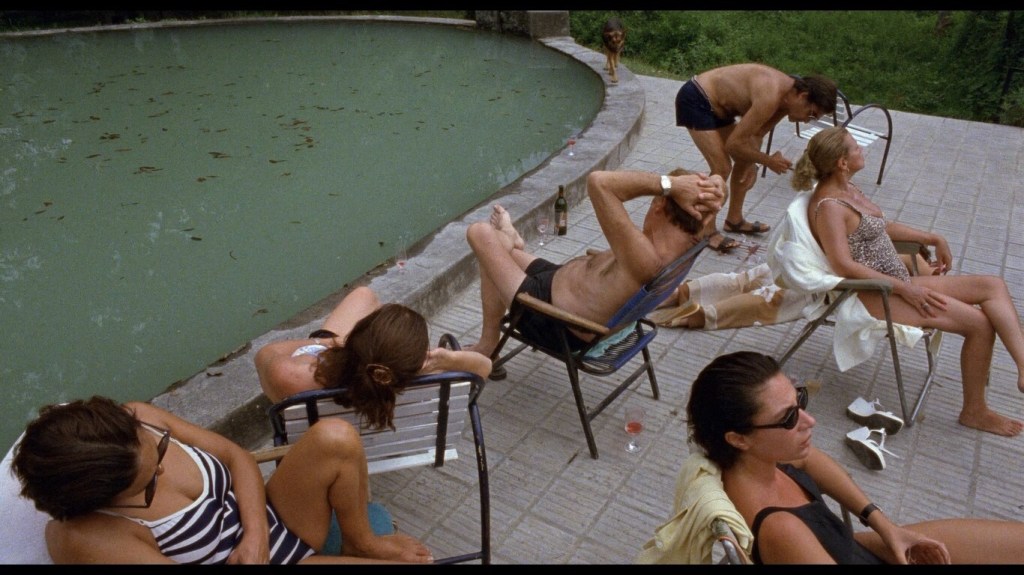
1. La Cienaga (2001)
Genre: Drama, Slice of Life
2. Zama (2017)
Genre: Period Drama

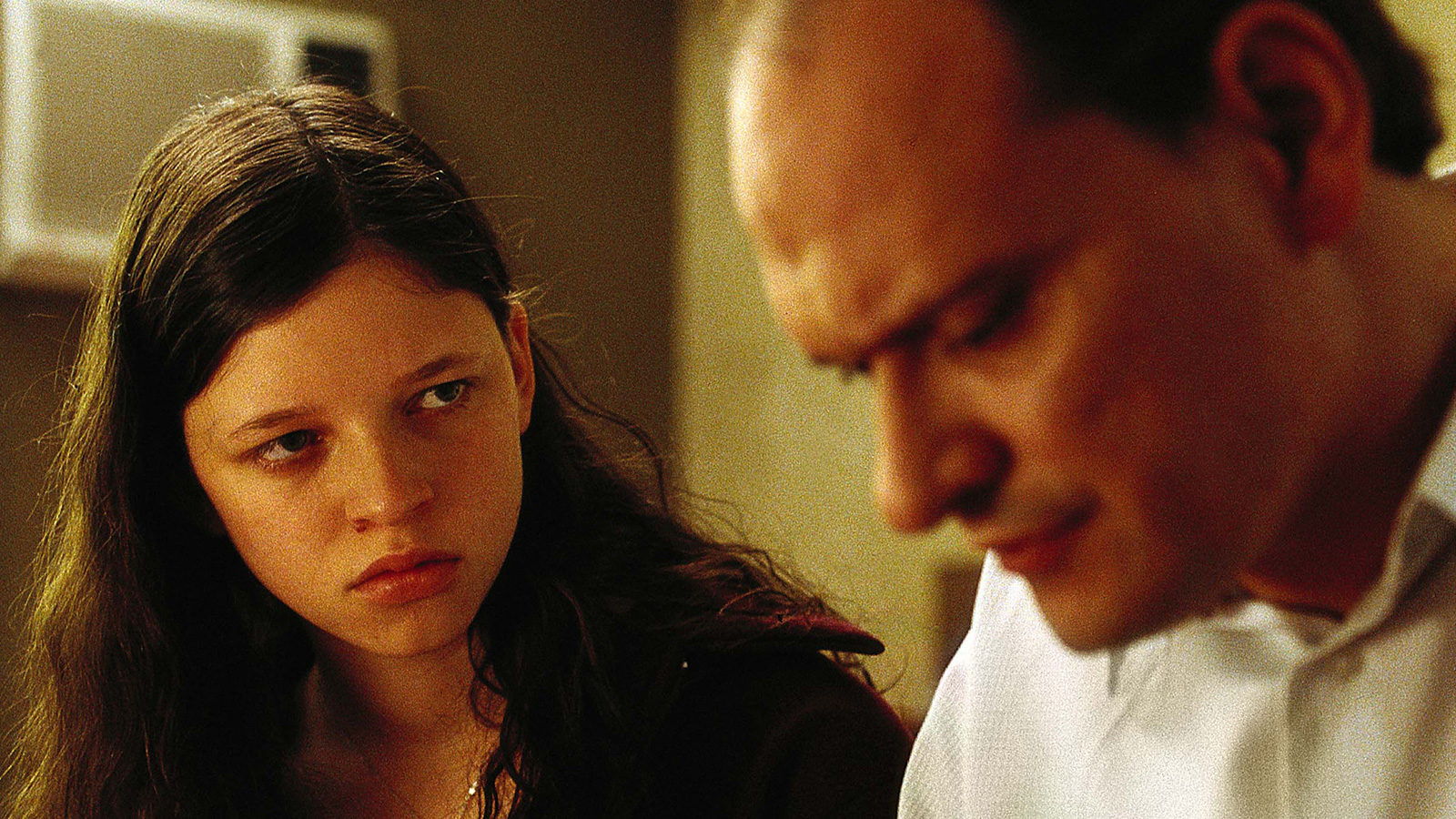
3. The Holy Girl (2004)
Genre: Coming-of-Age, Drama

4. The Headless Woman (2008)
Genre: Psychological Drama

Lucrecia Martel: Themes and Style
Themes:
- Class and Social Structures: One of the predominant themes in Martel’s work is the examination of class distinctions, particularly within Argentine society. Films like La Ciénaga spotlight the decline of the bourgeoisie and the tensions between various social strata.
- Female Perspectives and Sexuality: Martel often focuses on female protagonists and their internal worlds. The Holy Girl delves deep into a young girl’s sexual and spiritual awakening, portraying the nuances of feminine experience.
- Psychology and the Unconscious: Films like The Headless Woman are intense studies of a character’s psyche, touching upon memory, trauma, and identity.
- Cultural and Historical Context: Martel frequently references specific cultural and historical elements of Argentina, subtly weaving them into the narrative to comment on broader societal issues.
Styles:
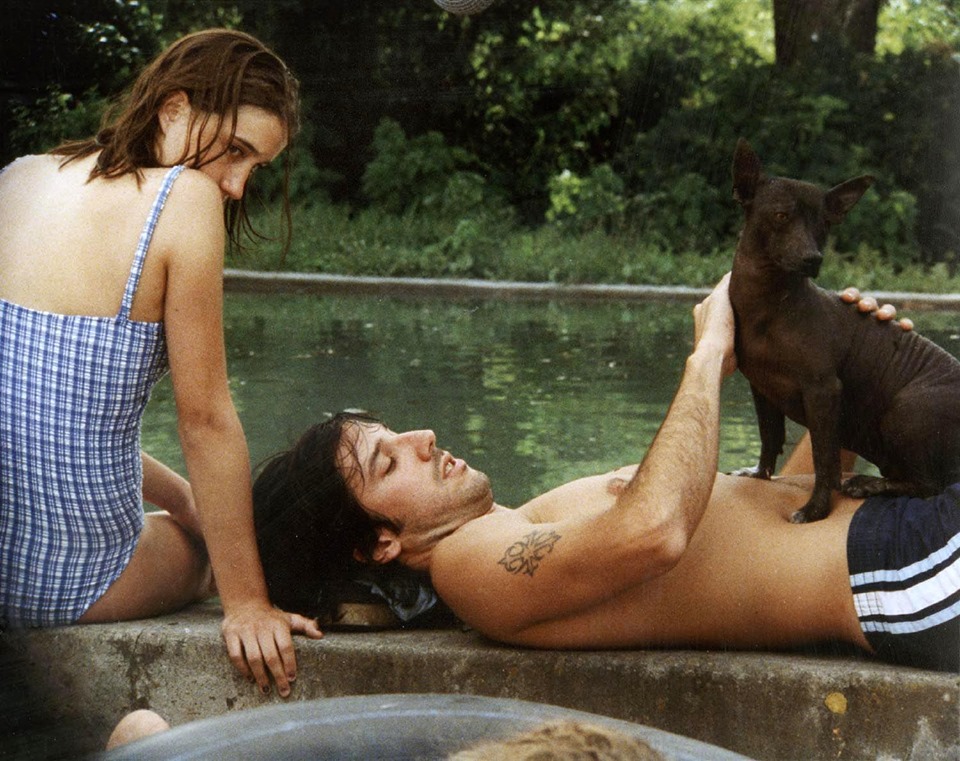
- Atmospheric Tension: Martel is known for creating films dripping with the atmosphere. The settings, from the humid landscapes of Salta to the bustling streets of a town, become characters in their own right, contributing to the overall mood of the narrative.
- Sound Design: One of the standout features of Martel’s films is her intricate and layered use of sound. Instead of relying just on visuals, she uses sound to create a sensory, almost tactile experience for the viewer.
- Fragmented Narratives: Rather than conventional storytelling, Martel opts for fragmented narratives. This non-linear approach, combined with her meticulous attention to detail, invites the audience to actively engage with the film, piecing together the story.
- Close-ups and Intimacy: Martel often employs close-ups, immersing the viewer in the internal world of her characters. This results in a raw and intimate cinematic experience
Directorial Signature:
- Subtlety and Ambiguity: Martel never spoon-feeds her audience. Her films often end ambiguously, leaving room for interpretation. This characteristic element demands engagement and introspection from the viewer.
- Naturalistic Performances: Martel has a knack for drawing out natural performances from her actors, which enhances the believability and emotional resonance of her films.
- Socio-political Commentary: Without being overtly political, Martel’s films often contain implicit critiques of society, politics, and history, especially in the context of Argentina.
- Visceral Sensory Experience: Whether it’s the meticulous sound design or the evocative visuals, Martel ensures that watching her films is not just a visual journey but a comprehensive sensory experience.
- Emphasis on Everyday Life: Even while exploring complex themes, Martel often focuses on the minutiae of everyday life, capturing the beauty, tension, and drama in ordinary moments.
Lucrecia Martel: The 115th Greatest Director


 Bronze Screen Dream