
Lou Ye is a Chinese film director widely recognised for his distinctive storytelling and visual aesthetics. His films are acclaimed for their intense emotional depth and often controversial subject matter, which frequently challenge societal norms and political sensitivities in China. Ye’s work is characterised by a bold exploration of themes such as love, sexuality, and the human psyche, often set against the backdrop of China’s rapidly changing society.
Ye’s career has been marked by a willingness to push boundaries, both in thematic content and cinematic style. His early works, such as Suzhou River and Purple Butterfly, demonstrate a fascination with complex narrative structures and a keen eye for visual poetry. These films blend noir elements with a deeply personal perspective, creating a unique cinematic language that combines realism with lyrical beauty. His approach to filmmaking often involves a delicate balance between a raw, unflinching look at his characters’ inner worlds and a sweeping, almost dreamlike portrayal of their external realities. This juxtaposition is particularly evident in Summer Palace, a film that garnered international attention for its candid exploration of political and sexual freedom in a constrained society.
He stands out in Chinese cinema for his fearless approach to controversial subjects, which has occasionally led to clashes with authorities and temporary bans on his films. Despite these challenges, he has remained committed to his artistic vision, continually exploring new ways to tell stories that resonate deeply with audiences. His later films, like Blind Massage and Saturday Fiction, reveal a director who is not only maturing in his craft but also expanding his thematic horizons. These works showcase a diversity of narrative techniques and a deepening interest in the complexities of human relationships and societal dynamics.
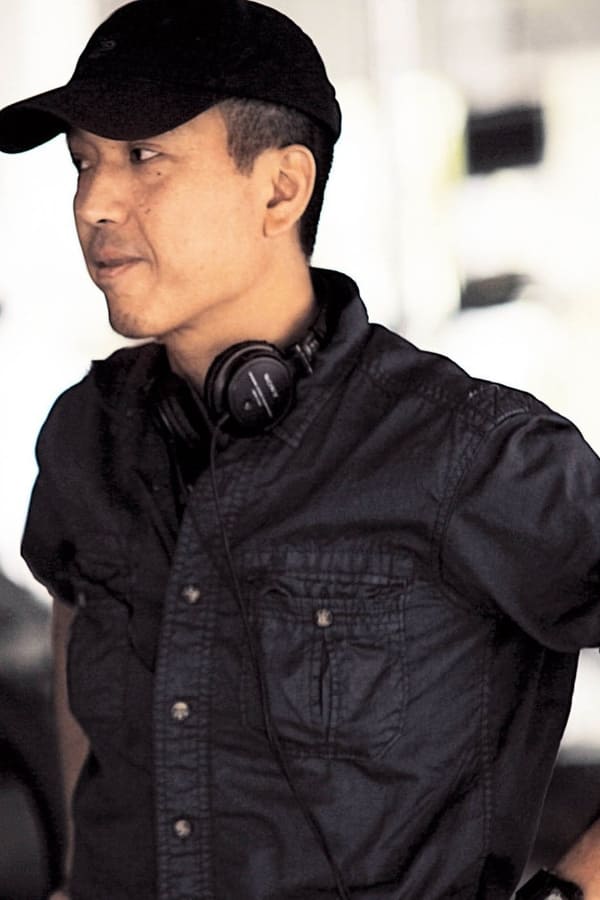
Lou Ye (1965 –)
Calculated Films:
- NA
Similar Filmmakers
- Aditya Assarat
- Bi Gan
- Boo Junfeng
- Edward Yang
- Fruit Chan
- Garin Nugroho
- Hu Bo
- Jia Zhangke
- Jiang Wen
- Li Yang
- Midi Z
- Pen-Ek Ratanruang
- Tran Anh Hung
- Tsai Ming-liang
- Wang Xiaoshuai
- Wong Kar-wai
- Ying Liang
- Zhang Yuan
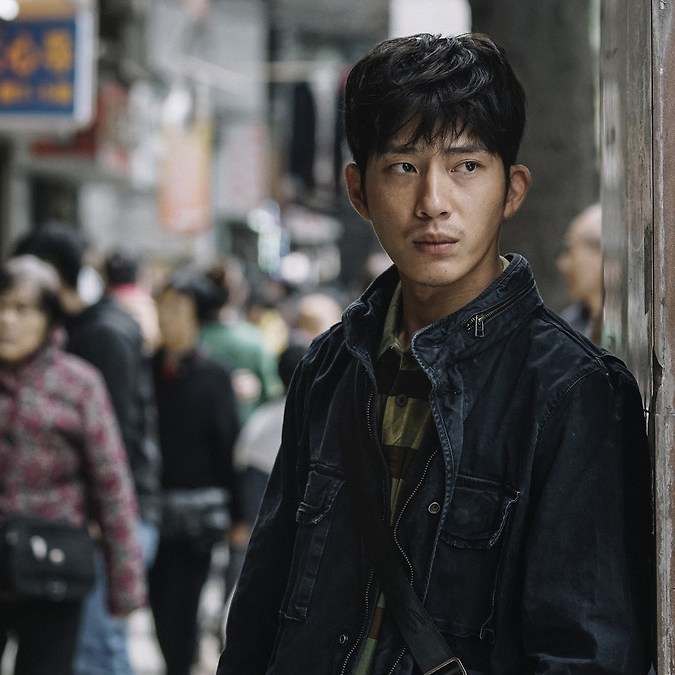
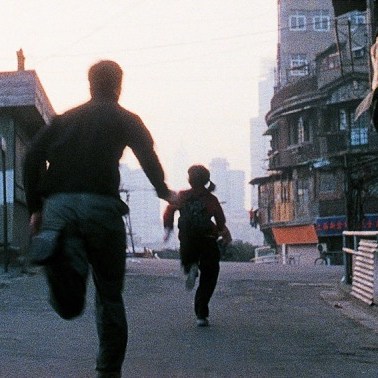
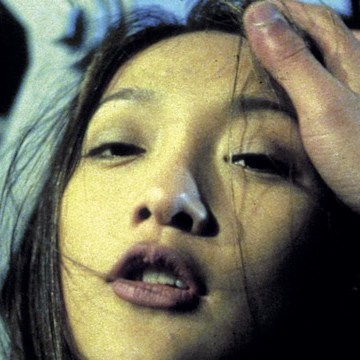
Lou Ye’s Top 5 Films Ranked
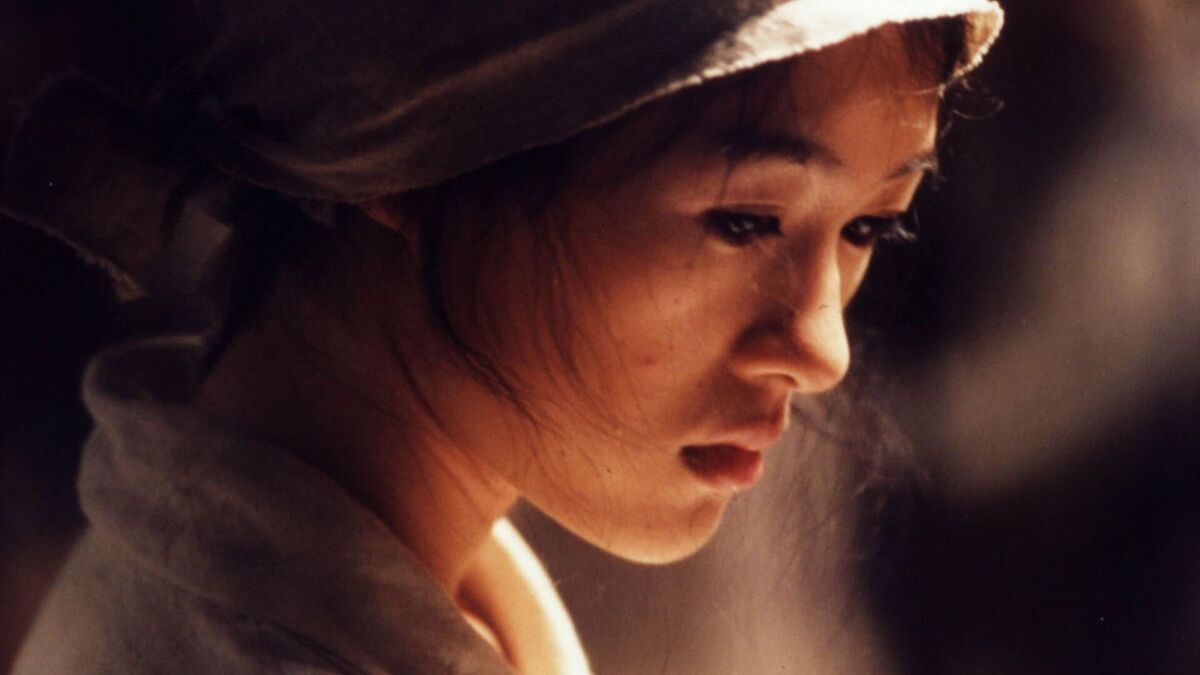
1. Suzhou River (2000)
Genre: Romance, Drama, Crime
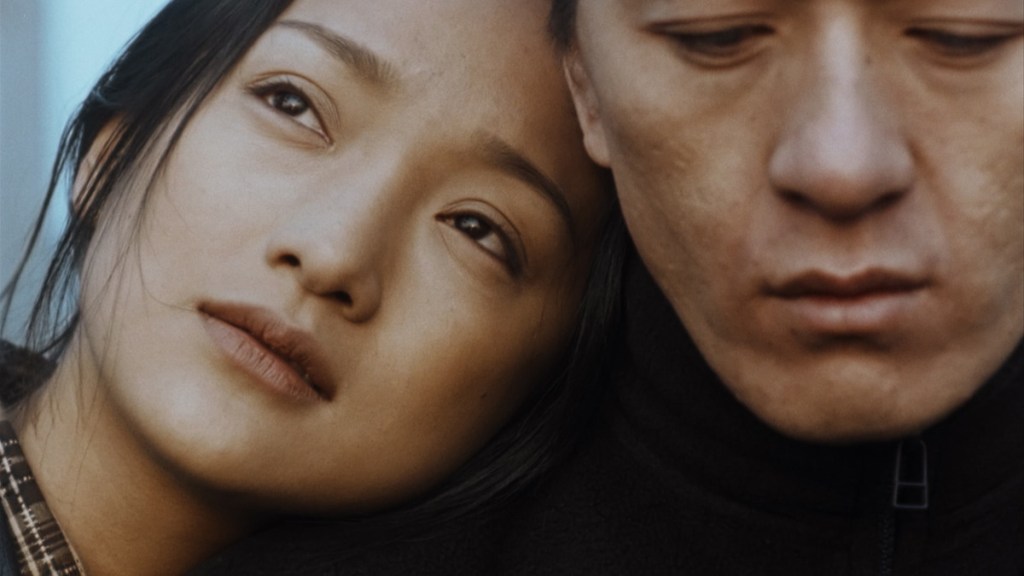
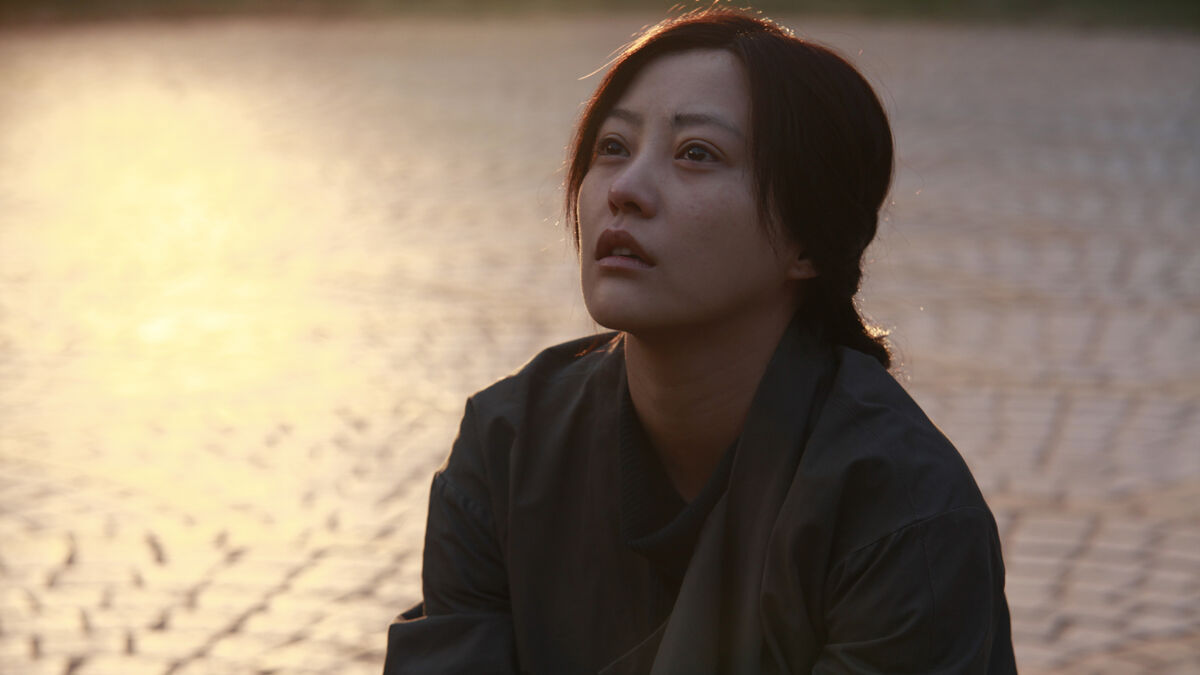
2. Summer Palace (2006)
Genre: Drama, Romance
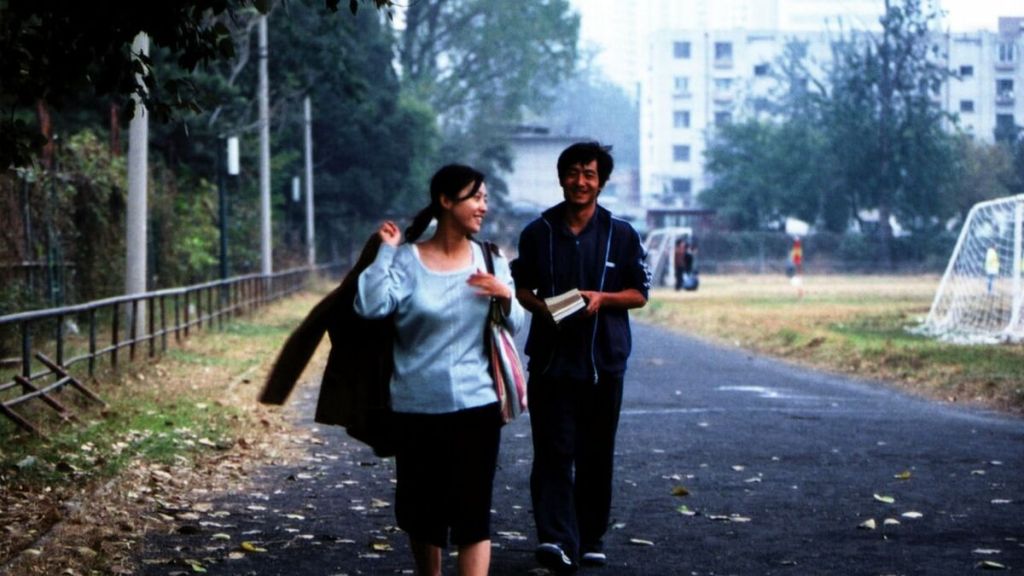
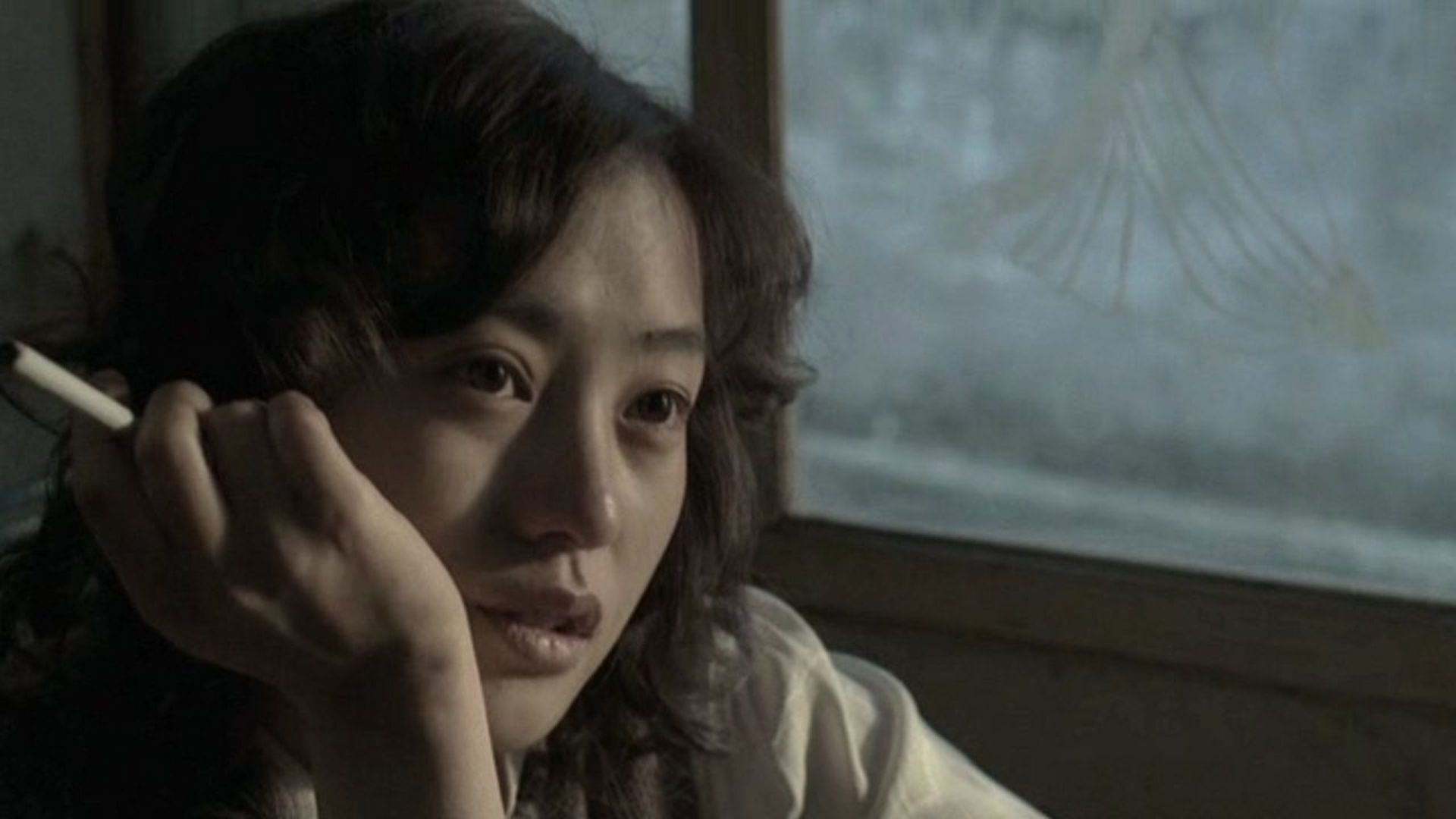
3. Spring Fever (2009)
Genre: Drama, Romance

4. Blind Massage (2014)
Genre: Drama
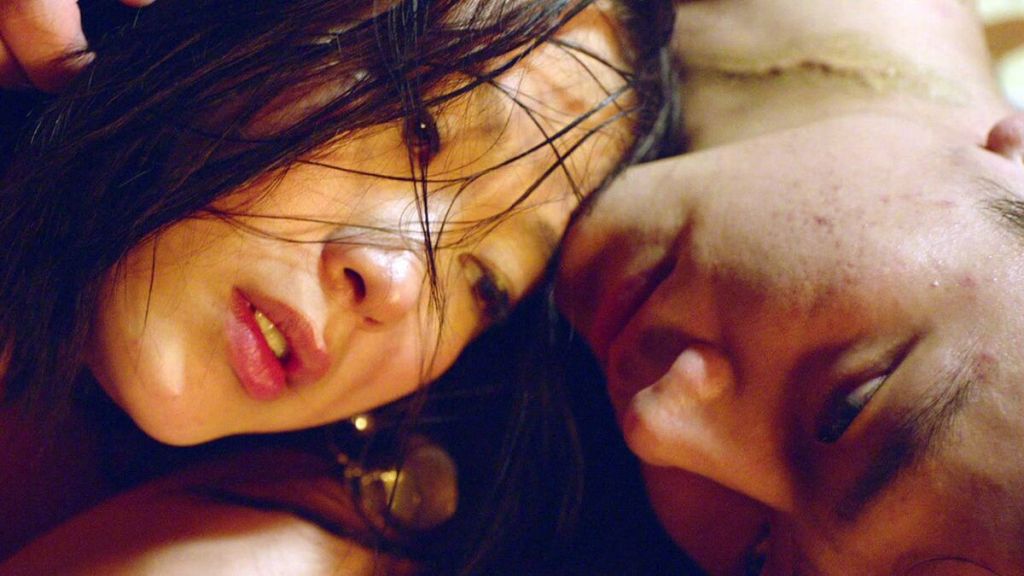
5. Saturday Fiction (2019)
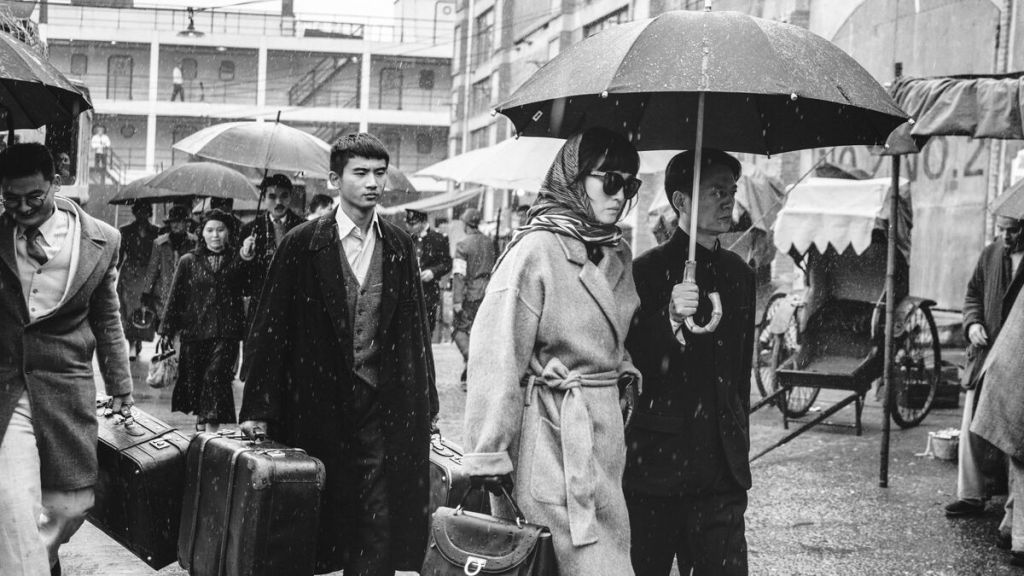
Genre: Period Drama, Spy
Lou Ye: Themes and Style
Themes:
- Political and Social Commentary: Lou Ye often integrates subtle political and social themes into his films. In Summer Palace, he delves into the complexities of contemporary Chinese society against the backdrop of significant historical events.
- Intense Human Emotions: His works, like Suzhou River, showcase deep explorations of love, desire, and human emotions, often portrayed in a raw and unfiltered manner.
- Urban Alienation and Displacement: Films like Purple Butterfly depict characters struggling with feelings of alienation and displacement within rapidly changing urban landscapes.
- Forbidden Love and Relationships: Lou Ye frequently explores taboo or illicit relationships, as seen in Spring Fever, challenging societal norms and expectations.
Styles:
- Handheld Cinematography: Utilises a lot of handheld camera work, creating an intimate and immersive viewing experience. This style is prominent in Suzhou River.
- Non-linear Storytelling: Often employs non-linear narratives, as seen in Mystery, to build complex, multi-layered stories that gradually reveal character motivations and plot points.
- Atmospheric Visuals: Known for crafting atmospheric visuals, using lighting and colour to evoke specific moods and emotions, a technique evident in Purple Butterfly.
- Blurring Reality and Fiction: In films like Suzhou River, he blurs the lines between reality and fiction, often leaving the audience questioning what is real and what is imagined.
Directorial Signature:
- Bold Exploration of Censorship Boundaries: Lou Ye frequently tests the limits of censorship in China, pushing boundaries with his candid depiction of political, social, and sexual themes.
- Intimate Character Portrayals: Focuses on deep, intimate portrayals of characters, often exploring their inner worlds and emotional landscapes, as seen in Summer Palace.
- Use of Symbolism: Employs symbolism to convey deeper meanings, using objects, settings, or events to reflect the characters’ internal states or societal commentary.
- Integration of Historical and Contemporary Contexts: Seamlessly integrates historical events and contemporary issues, providing a rich backdrop for his character-driven stories, a notable aspect of Summer Palace.
Lou Ye – Great Director
 Bronze Screen Dream