
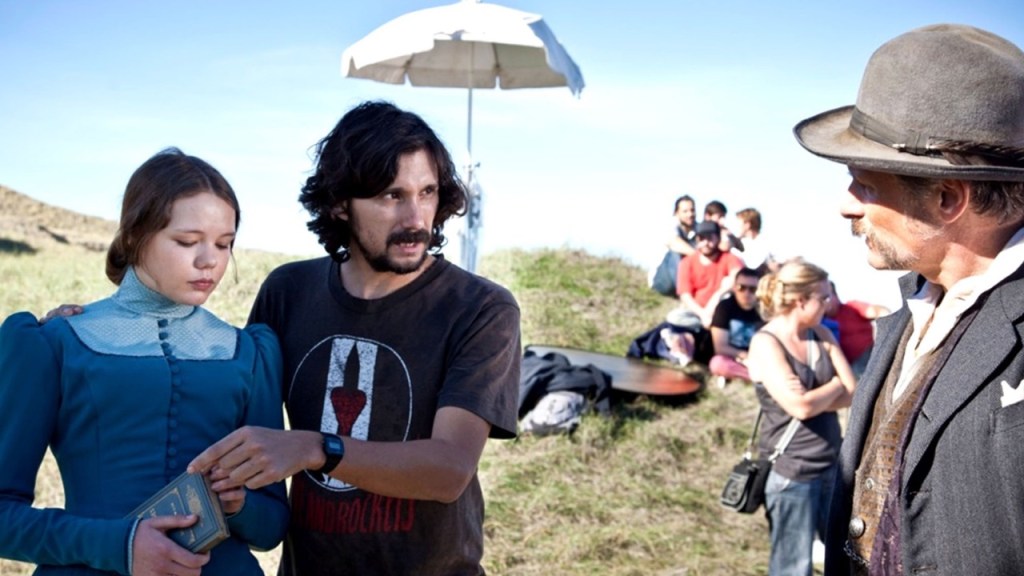
Lisandro Alonso is an Argentine filmmaker widely recognised for his contribution to the cinema of slow, contemplative storytelling. His films are typically noted for their minimalist aesthetic, evocative landscapes, and the exploration of isolation and solitude. Among his best-known works, La Libertad and Los Muertos stand out as exemplary pieces reflecting the filmmaker’s distinctive style and thematic preoccupations.
Alonso’s career began with La Libertad in 2001, a film that follows a day in the life of a woodcutter, exemplifying his interest in the rhythms of nature and work. This debut set the tone for his subsequent films, which continued to explore themes of isolation, existence, and the passage of time. Jauja, starring Viggo Mortensen, represents a departure in terms of narrative structure and scope, yet it retains Alonso’s signature contemplative style. His work has garnered critical acclaim in the international film circuit, particularly within the art house and festival communities, solidifying his reputation as a distinctive voice in contemporary cinema.
His films often explore the human condition through a lens of quiet introspection, subtly examining characters that inhabit remote, desolate environments. In La Libertad, Alonso tells a day in the life of a woodsman living in solitude, with the film’s rhythm dictated by the protagonist’s daily routines and the natural environment surrounding him. This nuanced approach allows the audience to engage with the characters and settings in a deeply intimate manner, fostering a contemplative viewing experience that mirrors the characters’ internal lives and struggles.
Alonso’s visual style is characterised by long, unbroken takes and a sparse use of dialogue, immersing the viewer in the atmospheric and sensory elements of the film’s environment. For instance, in Jauja, the film employs a dreamlike quality and a sense of dislocation, employing stunning visual compositions to convey the protagonist’s psychological and emotional state as he traverses an alien landscape.

Lisandro Alonso (1975 – -)
Calculated Films:
- NA
Similar Filmmakers
- Abbas Kiarostami
- Albert Serra
- Apichatpong Weerasethakul
- Bela Tarr
- Ben Rivers
- Carlos Reygadas
- Diao Yinan
- Gastón Solnicki
- James Benning
- Lav Diaz
- Lucrecia Martel
- Mariano Llinas
- Martín Rejtman
- Miguel Gomes
- Oliver Laxe
- Paz Encina
- Pedro Costa
- Tsai Ming-liang


Lisandro Alonso’s Top 5 Films Ranked
1. La Libertad (2001)
Genre: Slow Cinema, Slice of Life
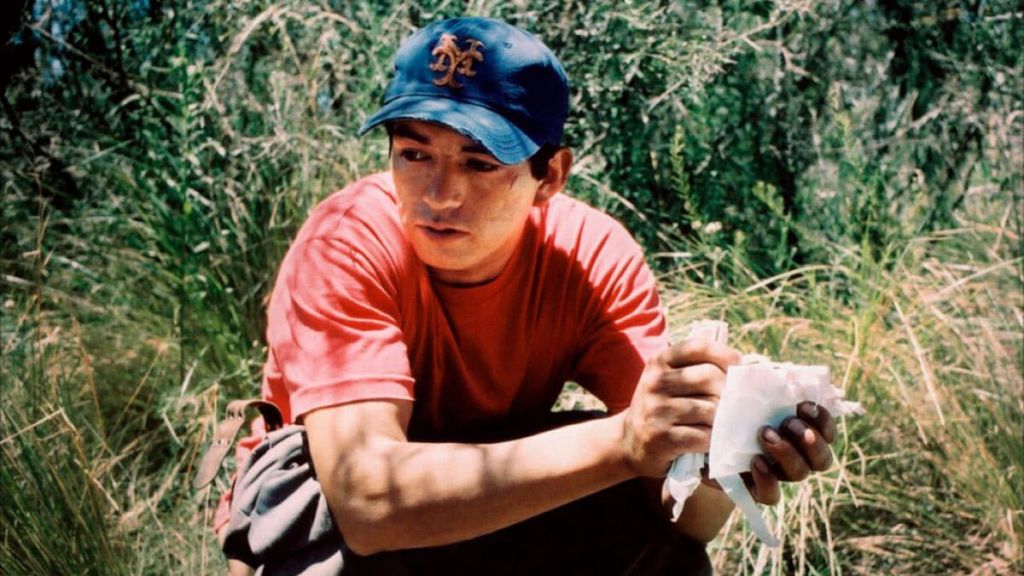
2. Los Muertos (2004)
Genre: Road Movie, Drama, Slow Cinema
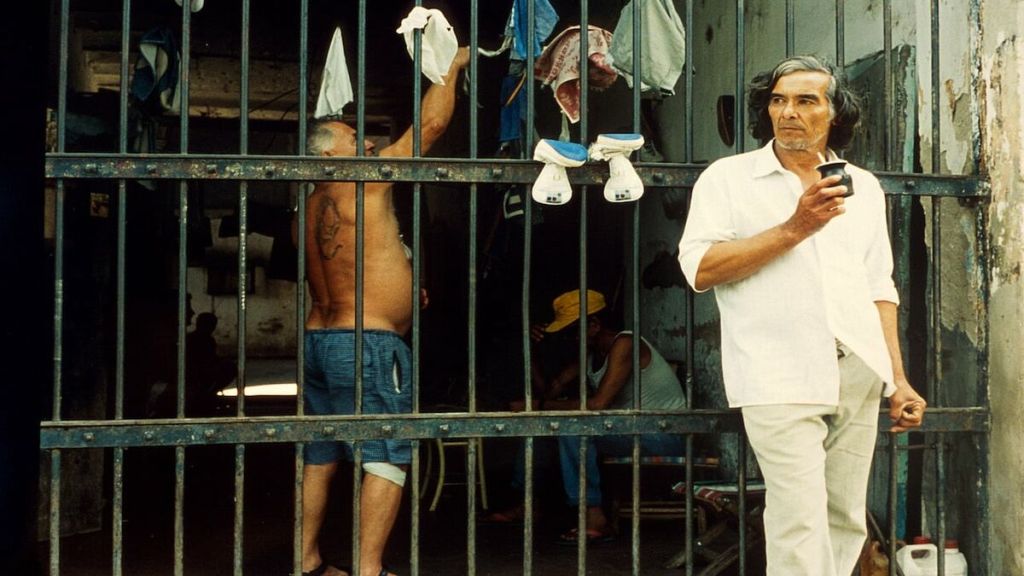
3. Fantasma (2006)
Genre: Slow Cinema, Drama
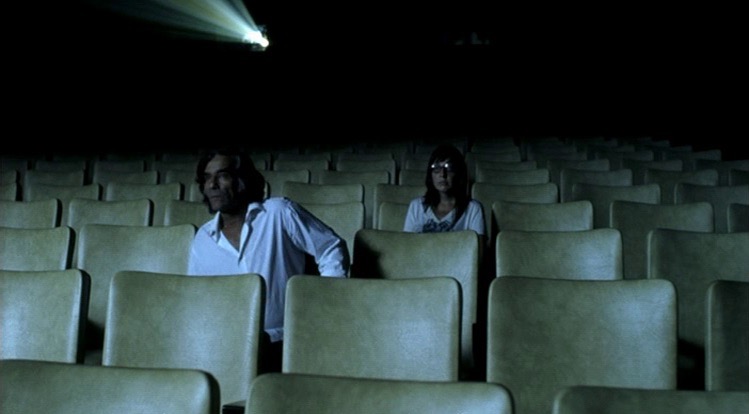
4. Liverpool (2008)
Genre: Drama, Slow Cinema
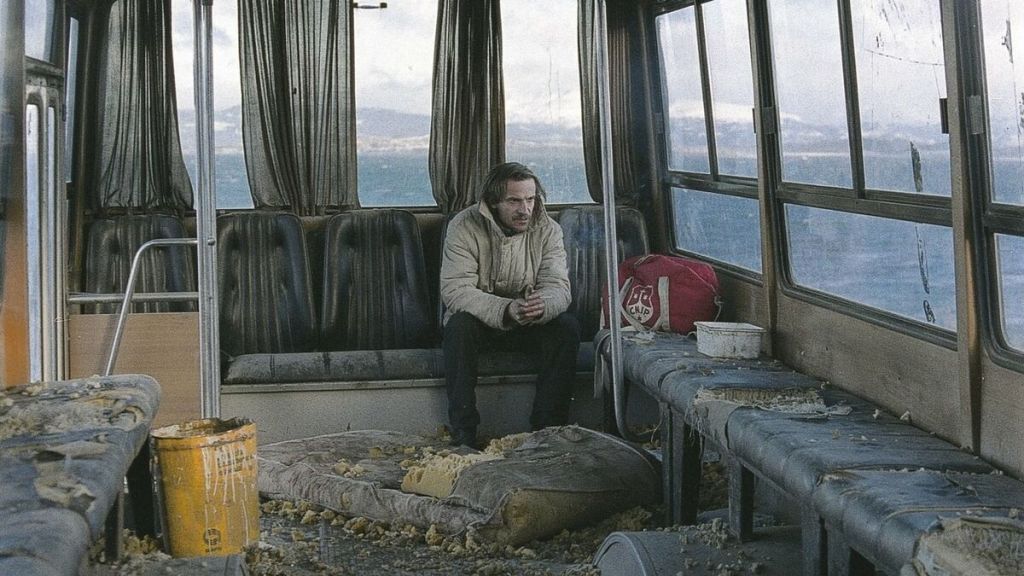
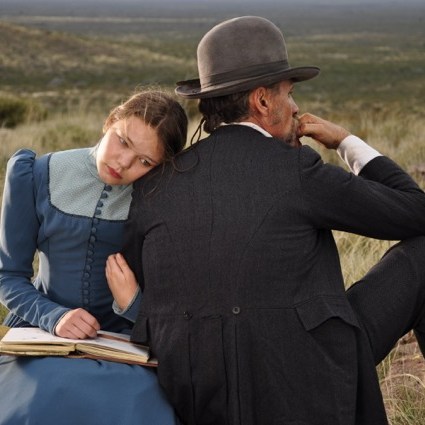
5. Jauja (2014)
Genre: Drama, Low Fantasy, Period Drama, Revisionist Western

Lisandro Alonso: Themes and Style
Themes:
- Isolation and Loneliness: Alonso’s films frequently explore the human experience of isolation and loneliness, often set in remote or desolate locations. Characters are depicted grappling with their solitude, which becomes a canvas for introspection and existential reflection.
- Man-Nature Relationship: The natural environment plays a crucial role in Alonso’s films. His characters are often immersed in, or against, vast and indifferent landscapes, highlighting humanity’s smallness and vulnerability. These settings not only create atmospheric tension but also symbolise internal emotional states and existential struggles.
- Silence and Minimalism: Dialogue is sparse in his films, with a reliance on visual storytelling and ambient sound. This silence amplifies the characters’ internal processes and the surrounding environment’s impact.
- Time and Temporality: Alonso frequently experiments with time, using long takes and real-time sequences to create a sense of temporal suspension or dilation, making viewers acutely aware of time’s passage.
- Identity and Self-Discovery: Characters in his films often undertake physical and emotional journeys, leading to self-discovery and confrontation with their identity. The journey motif serves as an exploration of human nature and individuality.
Styles:
- Visual Aesthetic: Alonso is known for his unique visual style, often employing long takes and static shots to immerse viewers in the film’s atmosphere. His aesthetic is minimalist and naturalistic, with careful framing and composition that emphasise the environment’s role in storytelling.
- Narrative Structure: His films often eschew conventional narrative structures, favouring a slow, meditative pace and a focus on experiential rather than plot-driven storytelling. This approach invites viewers to engage deeply with the characters and their environments, interpreting the unfolding events through a personal lens.
- Non-Professional Actors: Alonso often works with non-professional actors, lending an authentic, unpolished quality to his character portrayals. This casting choice reinforces the films’ naturalistic and immersive qualities.
- Sound Design: The soundscapes in his films are meticulously designed to evoke mood and atmosphere, often using ambient sounds and silence to heighten tension and draw attention to the environment.
- Symbolism: Alonso’s films are laden with symbolic elements, often embedded within the visual composition, character actions, or environmental details, inviting viewers to engage in interpretive analysis.
Directorial Signature:
- Integration of Environment: The environment isn’t just a backdrop but a character in Alonso’s films. Whether it’s the vast, open landscapes or confined intimate spaces, the setting plays a crucial role in shaping the narrative and character dynamics.
- Ambiguity and Openness: His films often conclude with open or ambiguous endings, leaving the audience with more questions than answers. This narrative openness invites viewers to reflect on and engage with the film’s themes and characters long after it ends.
- Tactile Cinematography: Alonso employs cinematography that is tactile and sensory, inviting viewers to feel and experience the environment alongside the characters. The camera becomes a conduit for not just visual but emotional and existential exploration.
Lisandro Alonso – Great Director



 Bronze Screen Dream