

Lindsay Anderson was a British filmmaker and theatre director. He’s best recognised for his seminal work in the British Free Cinema movement, with films that are best known for their gritty realism and social critique. Among his most notable films are This Sporting Life and the Mick Travis trilogy (If…, O Lucky Man!, and Britannia Hospital), which hold a distinct place in British cinema.
Anderson first gained recognition as a film critic and documentarian, writing for publications such as Sight and Sound and directing short films such as Wakefield Express and O Dreamland. These early works established Anderson as a key figure in the British Free Cinema movement, which sought to create a new kind of socially engaged and politically conscious cinema.
Anderson’s feature films, such as This Sporting Life and If…, further developed his distinctive style and approach to filmmaking. This Sporting Life, which tells the story of a rugby league player struggling to find his place in the world, is notable for its raw, unflinching portrayal of working-class life and its innovative use of flashbacks and subjective camera techniques.
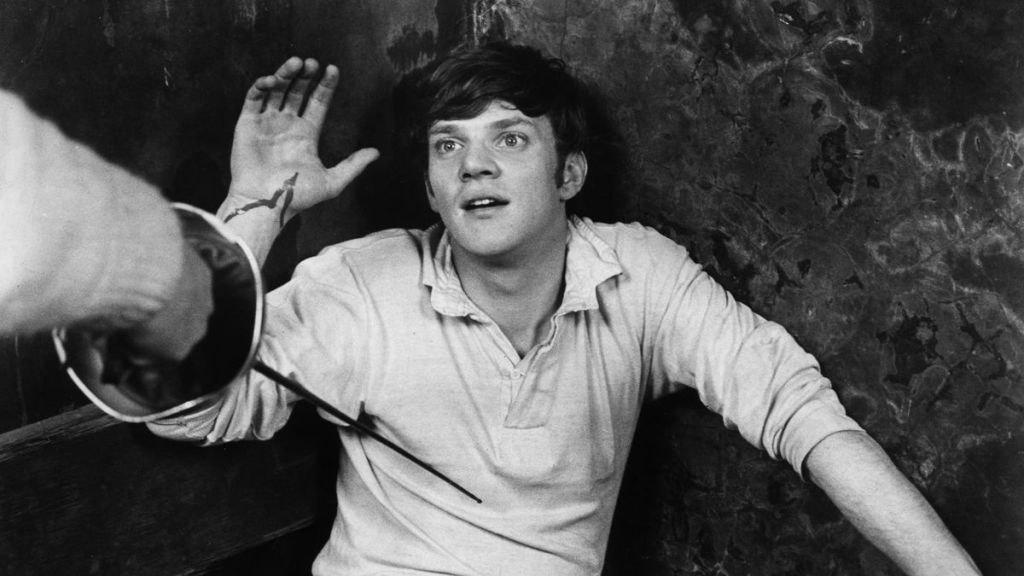
If…, perhaps Anderson’s most famous and controversial film is a surreal and anarchic exploration of rebellion and revolution set in a British public school. The film’s blend of social commentary, black humour, and provocative imagery helped to establish Anderson as a major voice in British cinema and a key figure in the countercultural movement of the 1960s. His work often unflinching examined British society, particularly its class structures and institutional rigidity. The Mick Travis trilogy, for example, offers a biting satire and deconstruction of Britain’s educational system, socio-political landscape, and healthcare system, respectively. Anderson often incorporated elements of surrealism and allegory in his narratives, making his critiques even more poignant and memorable. If…, in particular, juxtaposes the strict regimentation of a British public school with a revolutionary, almost dream-like uprising, symbolising a broader revolt against oppressive societal norms.
Visually, Anderson had a unique blend of stark realism, complemented by moments of whimsical, dreamlike sequences. His approach to filmmaking often leaned into the raw and the naturalistic, employing a documentary-like aesthetic, especially in his early Free Cinema shorts. Yet, he wasn’t confined to this style alone. Films like O Lucky Man! showcase a blend of genres, including musical sequences, that challenge the audience’s understanding of narrative convention.

Lindsay Anderson (1923 – 1994)
Calculated Films:
- This Sporting Life (1963)
- If… (1968)
- O Lucky Man! (1973)
Similar Filmmakers
- Alan Clarke
- Barney Platts-Mills
- Bill Douglas
- Bryan Forbes
- Clive Donner
- Colin Gregg
- Jack Clayton
- John Mackenzie
- John Schlesinger
- Joseph Losey
- Karel Reisz
- Ken Loach
- Mike Leigh
- Milos Forman
- Peter Duffell
- Peter Watkins
- Terence Davies
- Tony Richardson
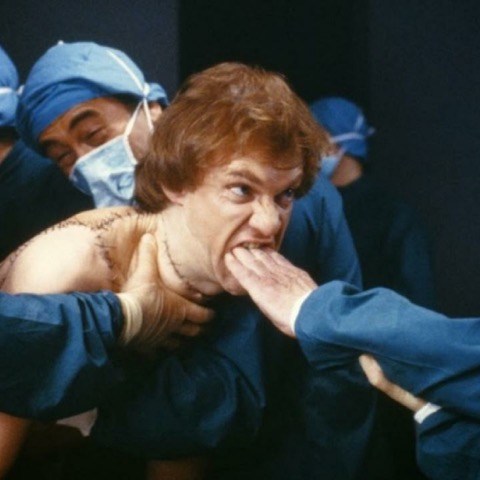
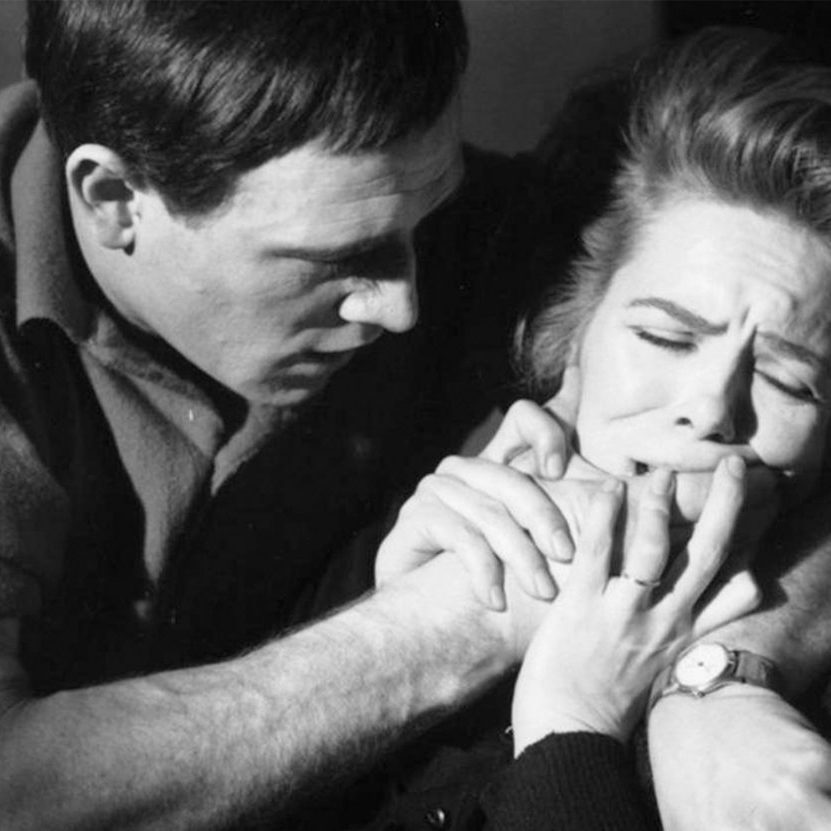
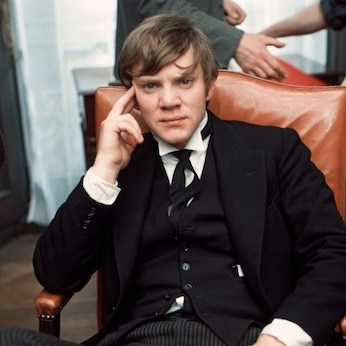
Lindsay Anderson’s Top 5 Films Ranked
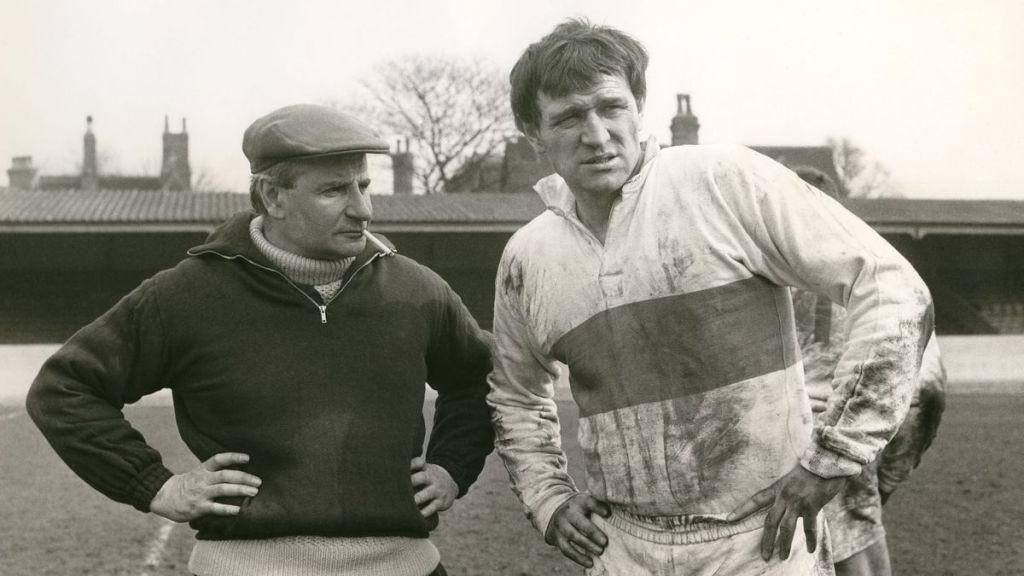
1. This Sporting Life (1963)
Genre: Sports, Psychological Drama, Kitchen Sink Realism
2. If… (1968)
Genre: Satire, Coming-of-Age, Black Comedy
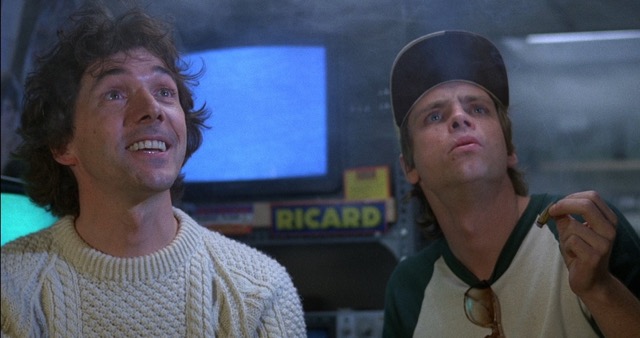
3. O Lucky Man! (1973)
Genre: Black Comedy, Satire

4. In Celebration (1975)
Genre: Drama

5. The Whales of August (1987)
Genre: Drama

Lindsay Anderson: Themes and Style
Themes:
- Social Critique: Anderson’s films are often scathing critiques of British society, institutions, and conventions. Anderson never shied away from exposing flaws and hypocrisies, whether it’s the educational system in If… or the broader societal institutions in O Lucky Man! and Britannia Hospital.
- Individual vs. System: A common thread in his movies is the tension between the individual and the larger system—whether it be societal, educational, or political. His protagonists often challenge or are challenged by these systems.
- Disillusionment and Alienation: Anderson’s characters frequently grapple with feelings of alienation and disenchantment, echoing the sentiments of many during the post-war era in Britain.
- Class and Hierarchy: Anderson regularly explored the dynamics of class, power, and societal hierarchy, portraying the inherent injustices and complexities within these structures.
Styles:
- Blend of Realism and Surrealism: While his films might start grounded in reality, Anderson often incorporated surreal, dreamlike sequences, blurring the lines between the real and the fantastical. If… is a classic example, with its unpredictable shifts between colour and black-and-white footage, mirroring the shifts between reality and fantasy.
- Documentary Influence: Drawing from his roots in the Free Cinema movement, Anderson’s style often bore resemblances to documentary filmmaking, emphasising raw, candid moments and real locations over studio sets.
- Use of Recurring Actors: Anderson frequently collaborated with certain actors, most notably Malcolm McDowell, who appeared as the protagonist in all three films of the Mick Travis trilogy.
- Provocative and Audacious: His films were not just narratively challenging but stylistically too. Unconventional editing, narrative breaks, and meta-referential moments (like McDowell turning to the camera in O Lucky Man!) became trademarks of his style.
Directorial Signature:
- Ambiguous Endings: Anderson often concluded his films on a note of ambiguity, forcing viewers to contemplate and interpret the outcome.
- Strong Social Commentary: Every Anderson film carries a sharp social or political message, reflecting his beliefs and views about British society.
- Intimate Character Portraits: Despite the broader social themes, Anderson’s films are intensely personal. He delved deep into his protagonists’ psyches, ensuring they were multi-dimensional and complex.
- Challenging the Norm: Whether through narrative structures, filmic techniques, or thematic material, Anderson consistently pushed boundaries, challenging both the industry’s norms and societal expectations.
Lindsay Anderson – Great Director


 Bronze Screen Dream