

Leos Carax is a renowned French filmmaker known for his unique and distinctive cinematic vision. His films are marked by their beautiful visual aesthetics, surreal and poetic storytelling, and frequent exploration of themes such as love, tragedy, and alienation. Despite a limited filmography, Carax has significantly impacted French cinema and auteur cinema in general, crafting masterpieces like Les Amants du Pont-Neuf and Holy Motors. His innovative and divisive filmmaking style has made him one of the most influential figures in contemporary cinema.
Carax’s filmmaking approach blends surreal elements with romantic and poetic storytelling, creating a distinct and evocative cinematic language. His early fascination with cinema led him to drop out of university and immerse himself in the film industry, where he began his career by making short films. Carax’s frequent collaboration with actor Denis Lavant, particularly in films such as Les Amants du Pont-Neuf and Holy Motors, has shaped his filmography. Lavant’s physicality and versatility have become integral to exploring Carax’s recurring themes of love, tragedy, and alienation.
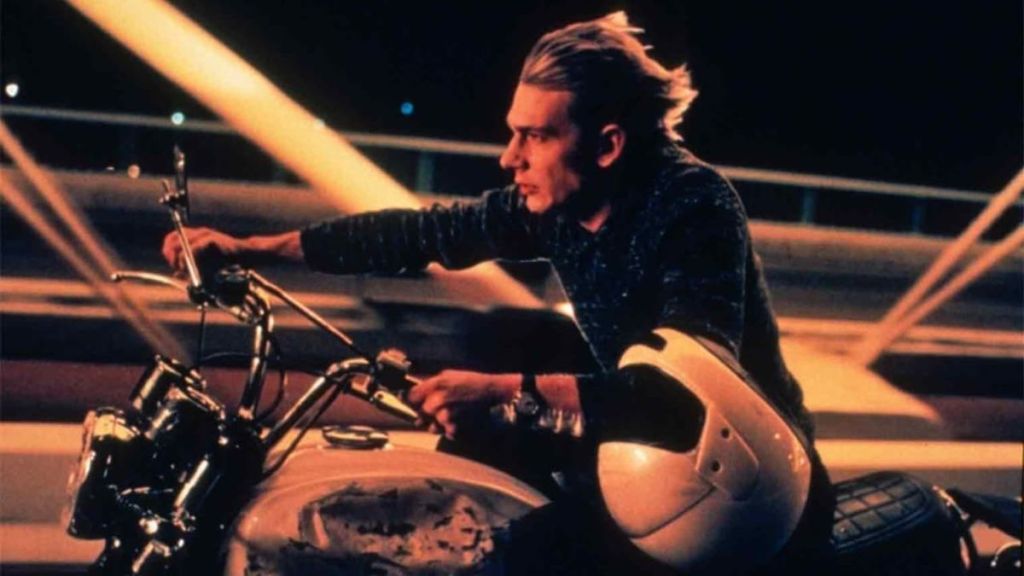
From a visual standpoint, Carax’s films are characterised by striking aesthetics. His innovative use of colour, lighting, and composition creates an atmospheric backdrop that enhances the emotional intensity of his narratives. In Mauvais Sang, for instance, Carax’s distinctive visual style conveys a poignant story of love and despair. His meticulous craftsmanship ensures that each frame is a carefully composed work of art that contributes significantly to the overall narrative.
Love and Alienation in French Cinema
Furthermore, Carax’s films often incorporate elements of music and art, significantly contributing to his works’ narrative and emotional resonance. This integration of different art forms, combined with his penchant for the provocative and divisive, makes his films stand out as unique pieces of cinematic expression. His works frequently reference the history of cinema, with Holy Motors serving as a notable tribute to the art of filmmaking itself, underlining his deep reverence for cinema.
Carax’s influence is evident in the works of numerous directors worldwide. American filmmaker Harmony Korine has cited Carax’s bold and unconventional style as a significant influence on his work; Meanwhile, Xavier Dolan openly acknowledged Carax’s influence. Despite a relatively limited filmography, Leos Carax’s significant contribution to French cinema and the global film industry has cemented his status as one of the most notable figures in auteur cinema, stimulating critical and scholarly discussion with each release.
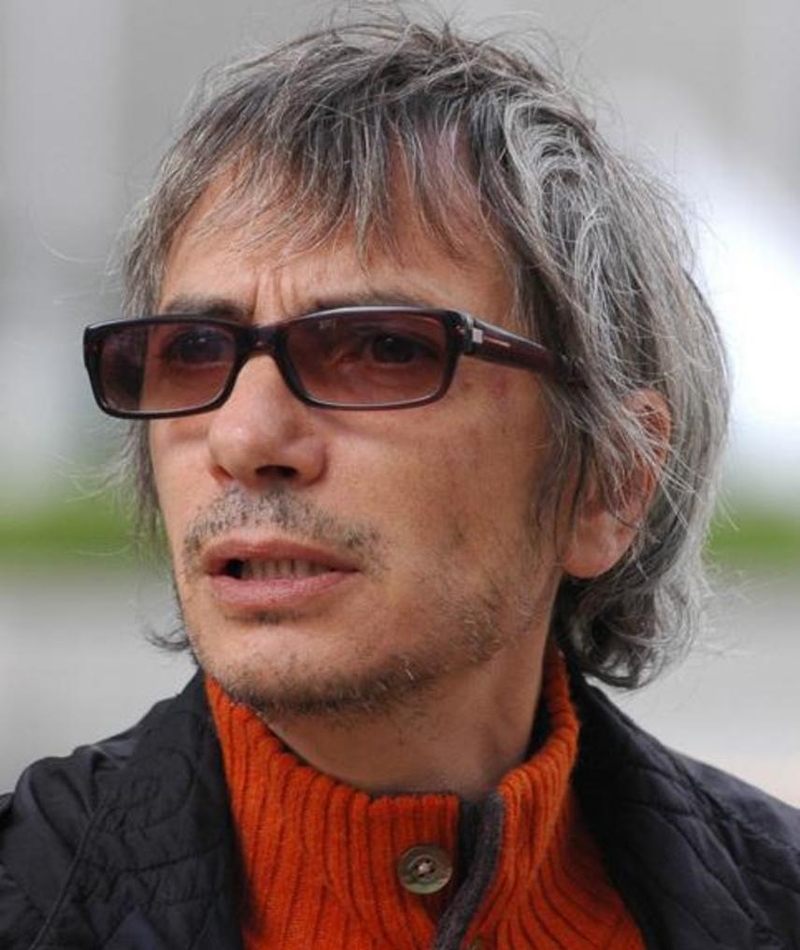
Leos Carax (1960–)
Calculated Films:
- Mauvais Sang (1986)
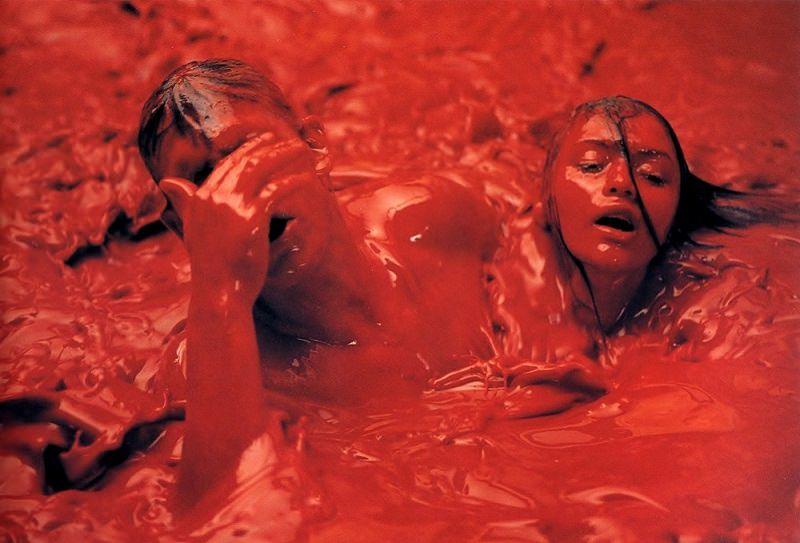
- The Lovers on the Bridge (1991)
- Holy Motors (2012)
- Annette (2021)
Similar Filmmakers
- Bertrand Mandico
- Claire Denis
- David Lynch
- Gaspar Noe
- Georges Franju
- Jacques Demy
- Jean-Jacques Beineix
- Jean-Luc Godard
- Jean-Pierre Jeunet
- Jim Jarmusch
- Lars von Trier
- Luc Besson
- Michel Gondry
- Olivier Assayas
- Quentin Dupieux
- Spike Jonze
- Wim Wenders
- Wong Kar-wai


Leos Carax’s Films Ranked
1. The Lovers on the Bridge (1991)
Genre: Romance, Drama
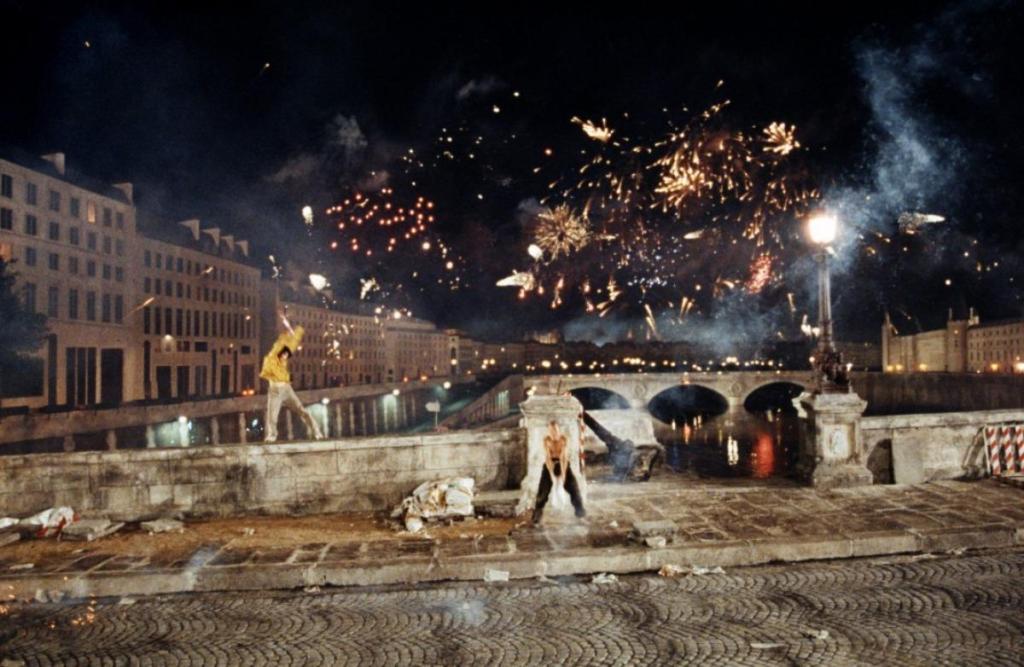
2. Mauvais Sang (1986)
Genre: Romance, Neo-Noir

3. Holy Motors (2012)
Genre: Surrealism, Postmodernism

4. Boy Meets Girl (1984)
Genre: Drama
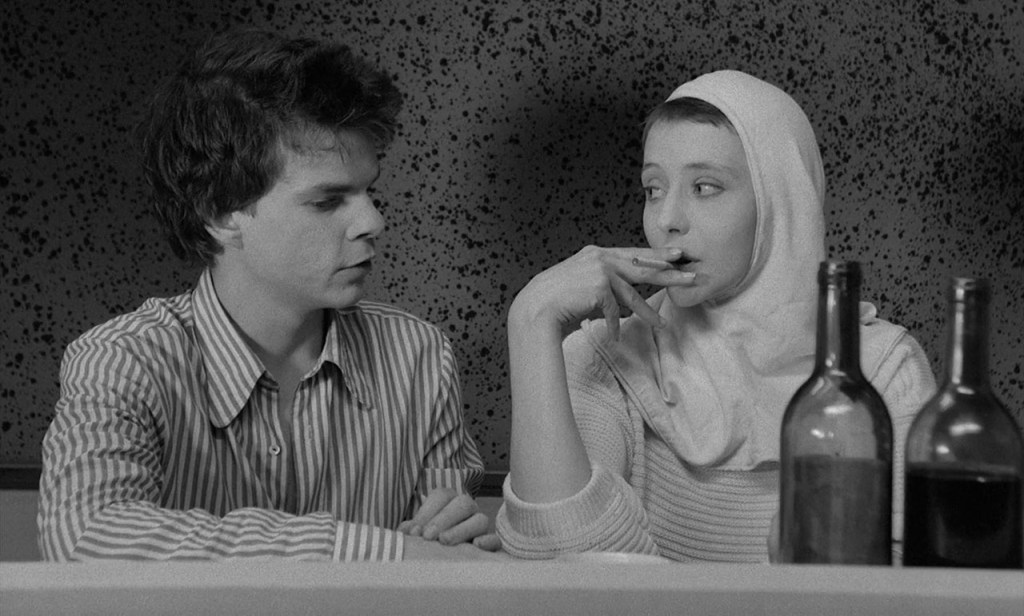
5. Annette (2021)
Genre: Musical, Melodrama, Magical Realism
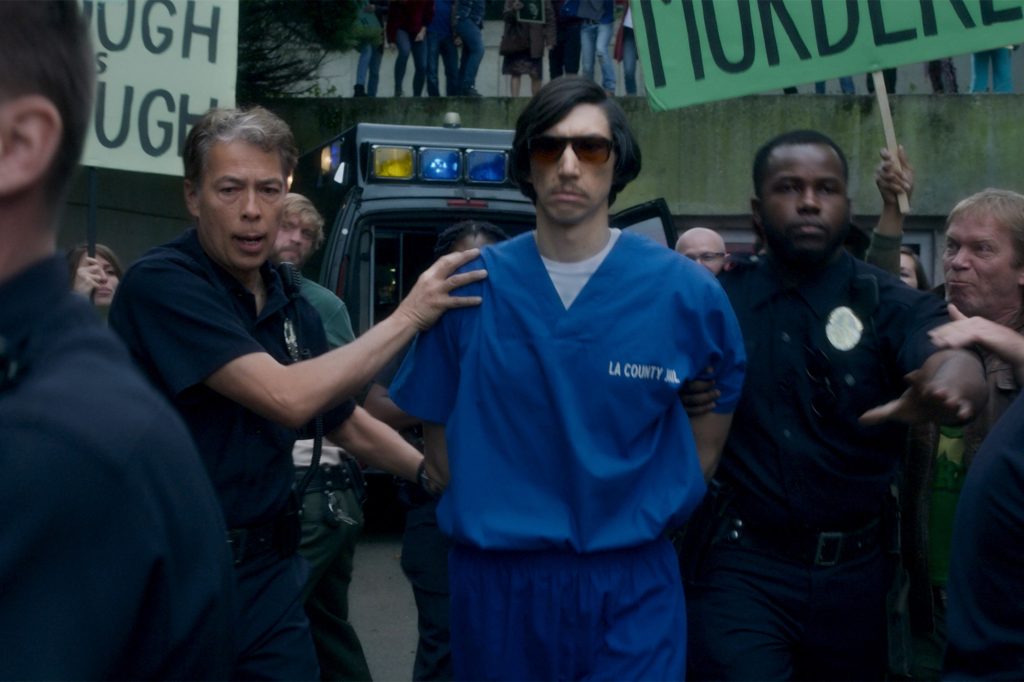
6. Pola X (1999)
Genre: Psychological Drama
Leos Carax: Themes and Style
Themes:
- Love and Obsession: Many of Carax’s films delve into the intensity of romantic relationships, showcasing the passionate highs and devastating lows that can come with such connections.
- Art and Creation: The boundaries between life and art, as well as the relationship between an artist and their creation, often play a central role in Carax’s narratives.
- Isolation and Alienation: Characters in Carax’s films frequently grapple with feelings of loneliness, whether due to societal exclusion or personal choices.
- Metamorphosis and Identity: His narratives often focus on fluid identities, transformation, and characters undergoing personal metamorphoses, either physically or psychologically.
- Society’s Marginalised: Carax often showcases characters that live on the fringes of society, providing them with a narrative space to exist and be understood.
Styles:
- Visual Poetry: Carax’s films are renowned for their striking visuals. He often uses symbolic imagery to complement and intensify his narrative themes.
- Eclectic Soundtracks: Music is pivotal in his films, often setting the mood and acting as a character in its own right. His choices range from classical pieces to contemporary tracks.
- Long, Uninterrupted Takes: Carax often employs extended single-take sequences, immersing the viewer deeply within the scene and enhancing the emotional weight of the moment.
- Blend of Realism and Fantasy: While grounded in reality, Carax’s stories often veer into fantastical, dreamlike sequences, blurring the lines between the real and the imagined.
- Intense Physical Performances: Carax frequently collaborates with actors (like Denis Lavant) capable of delivering highly physical performances, adding a distinct dynamism to his narratives.
Directorial Signature:
- Regular Collaborations: Denis Lavant, his frequent collaborator, can be considered Carax’s alter ego on screen. Their partnership has resulted in some of the most memorable characters in modern cinema.
- Autobiographical Elements: Many of Carax’s films contain elements that seem to mirror his own life and experiences, adding a deeply personal touch to his narratives.
- Cinematic Homages: Carax often pays tribute to filmmakers and films that have influenced him, weaving references and nods into his creations.
- Juxtaposition of Beauty and Grittiness: He masterfully contrasts stunning visuals with raw, often jarring, sequences that highlight both the beauty and brutality of existence.
- Provocative Storytelling: Carax isn’t afraid to challenge his audience, often presenting unconventional narratives and thought-provoking themes that can be both enthralling and polarising.
Leos Carax: The 179th Greatest Director


 Bronze Screen Dream