

Leo McCarey, an American film director, was an influential figure during Hollywood’s Golden Age, revered for his exceptional storytelling that seamlessly melded comedy and pathos. Working across various genres, including screwball comedy, drama, and musicals, McCarey displayed an uncanny ability to evoke laughter and tears in equal measure. Films such as the Marx Brothers’ Duck Soup, The Awful Truth, and Going My Way brought him significant acclaim and have established him as a major figure in cinema’s past.
Starting his career in the silent film era, McCarey initially earned recognition for his work with the comedy duo Laurel and Hardy. His ability to accentuate the pair’s comedic timing and natural rapport set the stage for his future success. He later moved into directing full-length feature films, leaving an indelible mark on Hollywood through his work with actors like Cary Grant and Bing Crosby. His dynamic directing style and knack for drawing out authentic performances helped define the on-screen personas of many stars.
In McCarey’s films, humour and heart go hand-in-hand, capturing the joys and sorrows of everyday life. He consistently gravitated toward the theme of love and marriage, using his distinctive blend of comedy and sentimentality to dissect relationship complexities. Films like The Awful Truth are emblematic of this approach, depicting the trials and tribulations of romantic entanglements with wit and warmth.
Improvisation and Music
McCarey’s directing style was characterised by his encouragement of improvisation, leading to an organic sense of naturalism and spontaneity in his films. His collaborative work ethic fostered an environment where actors could explore their roles freely, contributing to the authenticity and resonance of their performances. This unique approach is particularly evident in Duck Soup, where the Marx Brothers’ comedic genius is allowed to shine through unabashedly.
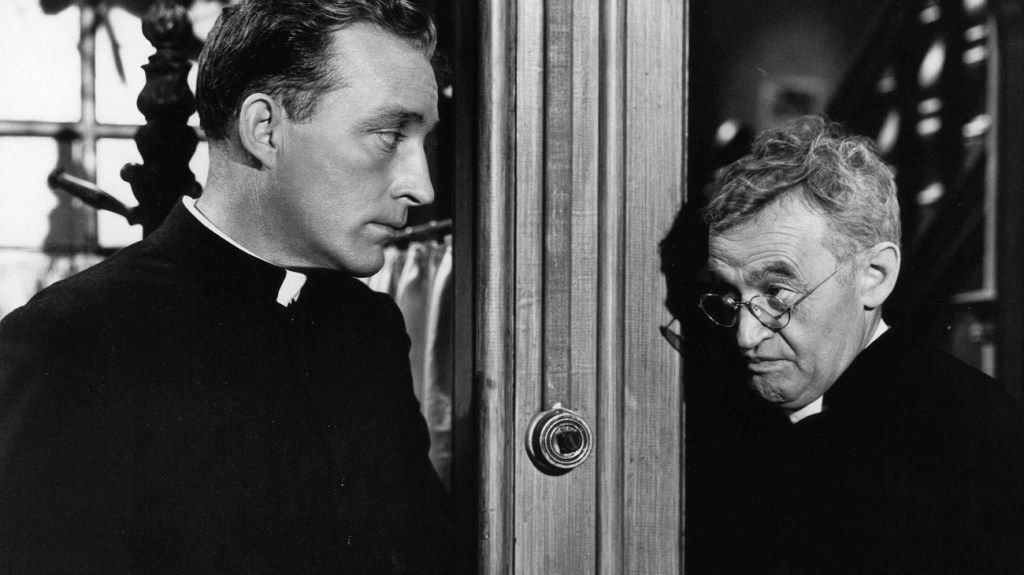
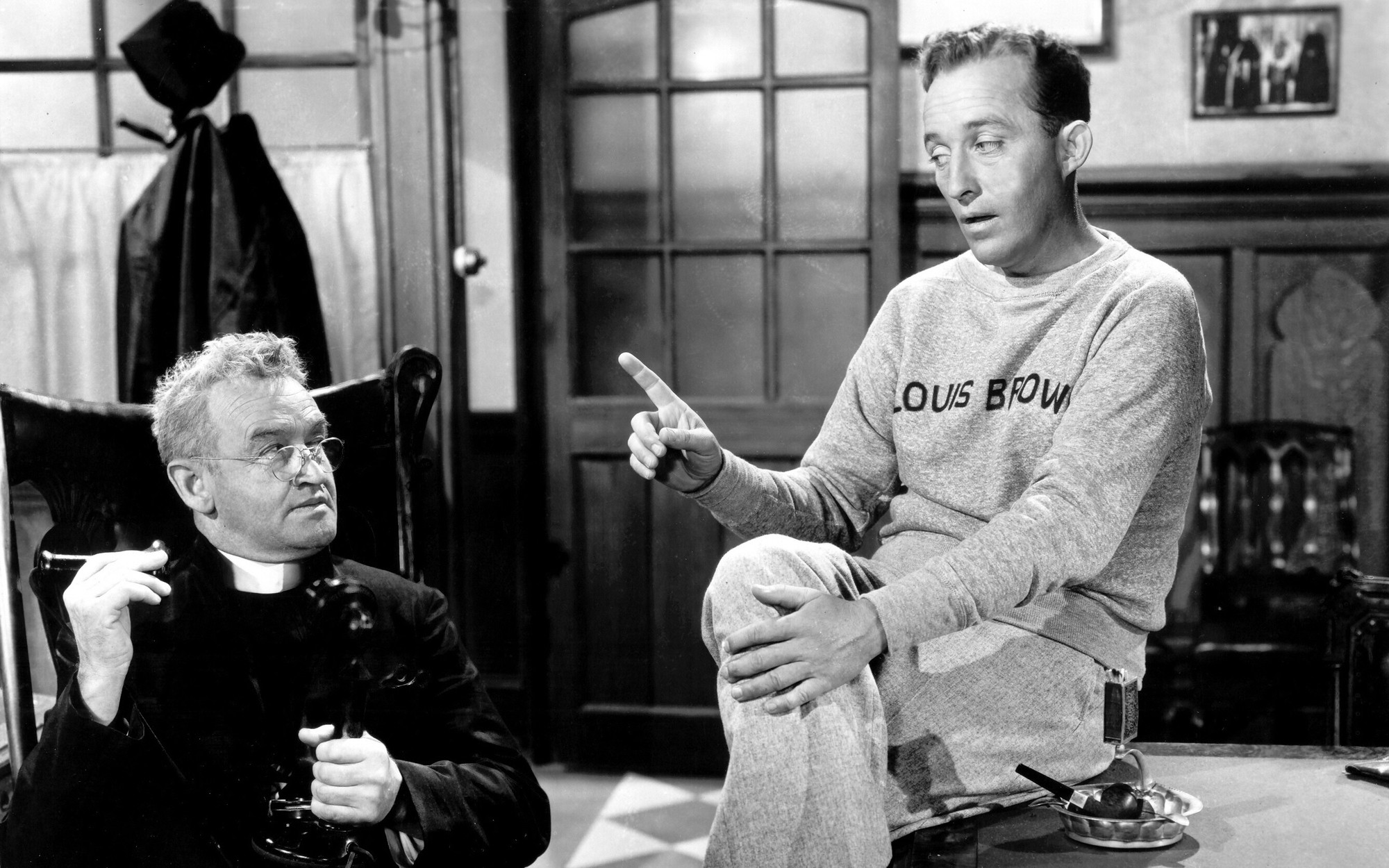
Music was central to many of McCarey’s films, enhancing narrative depth and character development. In Going My Way, for instance, the integration of music is pivotal, underscoring the protagonist’s journey and lending a unique texture to the film. Later in his career, McCarey’s Catholic beliefs became more apparent, with films like Going My Way and The Bells of St. Mary’s positively showcasing Catholic values and characters.
McCarey’s unique blend of comedy and drama, collaborative directing style, and nuanced exploration of love and marriage have become hallmarks of Hollywood’s Golden Age. Directors like Wes Anderson and the Coen Brothers have cited McCarey’s work as an influence, underscoring his impact on multiple generations of filmmakers. In addition, McCarey’s occasional forays into social commentaries, like the heartfelt exploration of society’s treatment of the elderly in Make Way for Tomorrow, continue to resonate, cementing his legacy as a director who could artfully balance entertainment with thought-provoking themes.

Leo McCarey (1898 – 1969)
Calculated Films:
- Duck Soup (1933)
- Ruggles of Red Gap (1935)
- The Awful Truth (1937)
- Make Way For Tomorrow (1937)
- Love Affair (1939)
- Going My Way (1944)
- The Bells of St. Mary’s (1945)
- An Affair To Remember (1957)
Similar Filmmakers
- Billy Wilder
- Buster Keaton
- Charlie Chaplin
- Edward F. Cline
- Ernst Lubitsch
- Frank Capra
- Garson Kanin
- George Cukor
- George Stevens
- Henry Koster
- Howard Hawks
- John Farrow
- Mitchell Leisen
- Norman Z. McLeod
- Norman Taurog
- Preston Sturges
- Robert Z. Leonard
- Sam Wood


Leo McCarey’s Top 10 Films Ranked
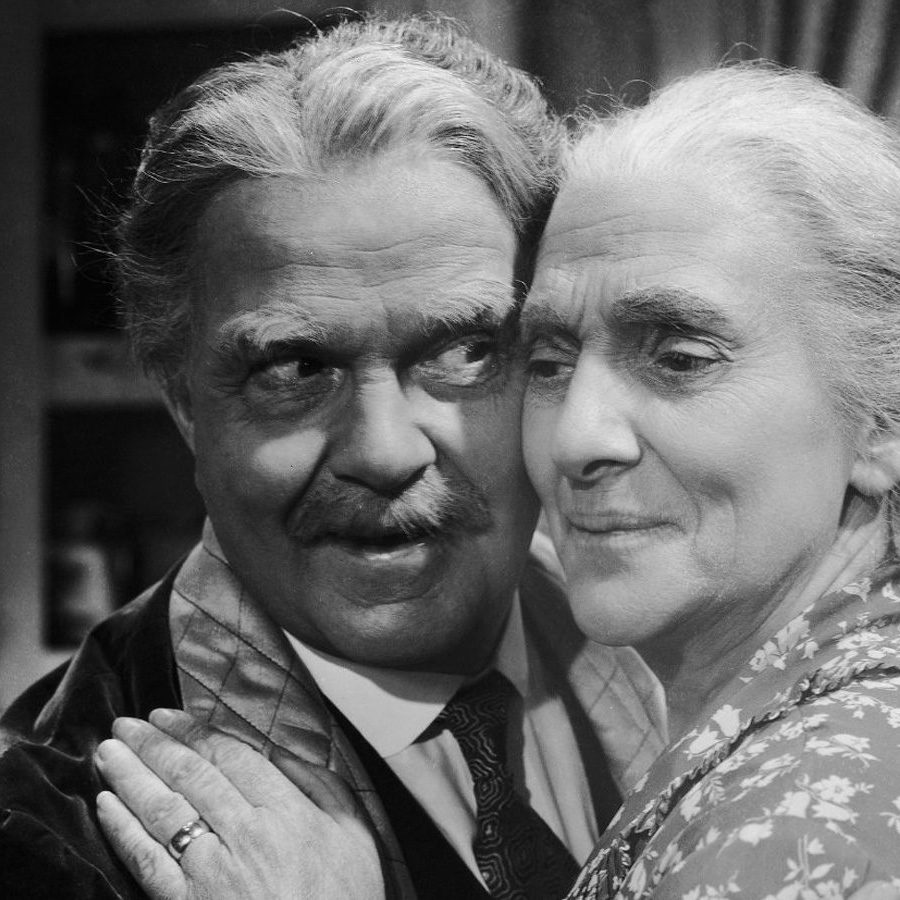
1. Make Way For Tomorrow (1937)
Genre: Drama, Family Drama

2. Duck Soup (1933)
Genre: Absurdist Comedy, Satire, Slapstick
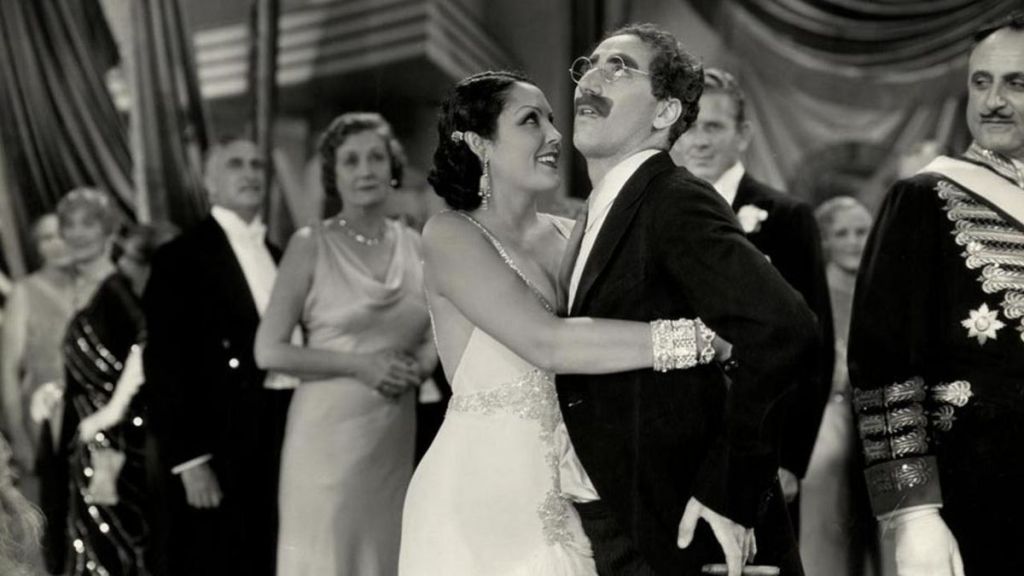
3. The Awful Truth (1937)
Genre: Romantic Comedy, Screwball Comedy

4. Ruggles of Red Gap (1935)
Genre: Comedy

5. An Affair To Remember (1957)
Genre: Romance, Melodrama

6. Love Affair (1939)
Genre: Romance, Melodrama

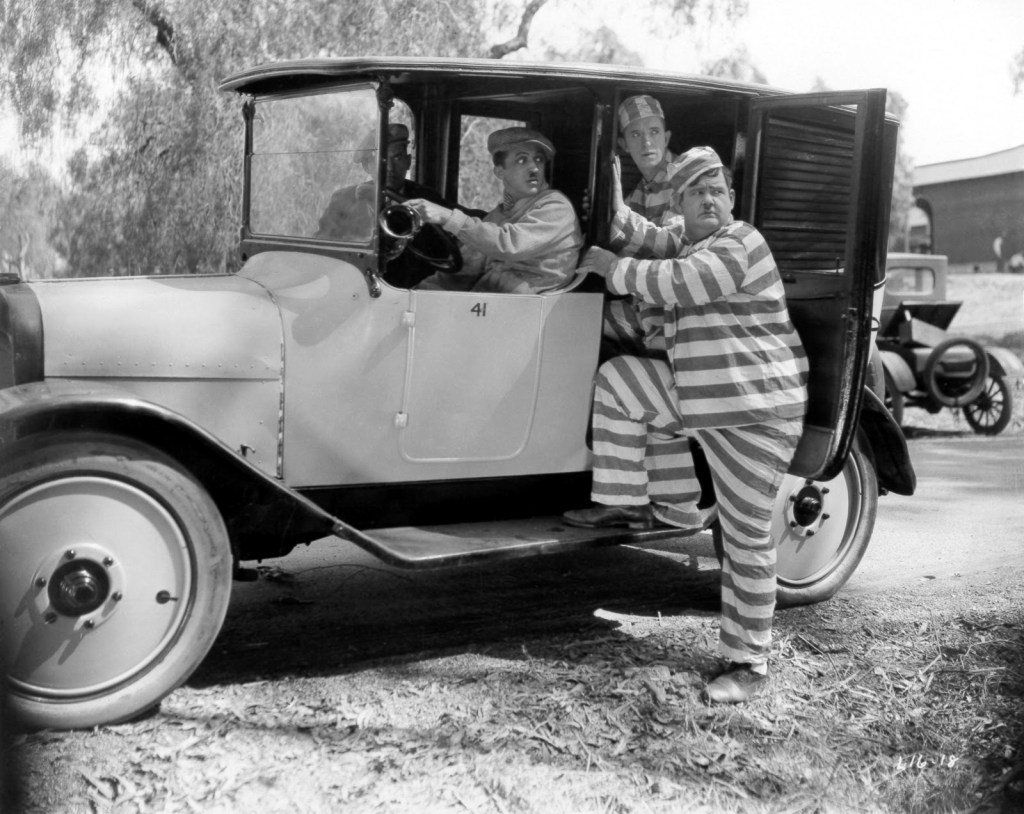
7. Liberty (1929)
Genre: Comedy, Buddy, Slapstick
8. The Bells of St. Mary’s (1945)
Genre: Drama

9. Mighty Like A Moose (1926)
Genre: Comedy
10. Going My Way (1944)
Genre: Drama, Musical, Comedy
Leo McCarey: Themes and Style
Themes:
- Human Relationships and Emotion: Many of McCarey’s films explore human relationships, especially the complexities of love and family. Make Way for Tomorrow is a poignant exploration of an elderly couple’s struggles, while An Affair to Remember deals with romantic love’s trials and tribulations.
- Morality and Religion: A devout Catholic, McCarey often integrated his beliefs into his work. Going My Way and The Bells of St. Mary’s are clear reflections of his faith and the role of the church in guiding individuals.
- Comedy and the Human Condition: McCarey had a knack for revealing human foibles through humour. Whether through the antics of Laurel and Hardy or the comedic situations in Duck Soup, he highlighted the absurdities of life in a humorous light.
Styles:
- Improvisation: McCarey often allowed his actors the freedom to improvise, which added a genuine spontaneity to his films. This method was especially effective in comedies, where unscripted moments often resulted in some of the most memorable scenes.
- Musical Elements: Music was a crucial component in many of McCarey’s films. Whether it was Bing Crosby’s melodic contributions in Going My Way or the iconic theme of An Affair to Remember, music often played a central role in conveying emotion and progressing the narrative.
- Narrative Depth: While many of his contemporaries prioritised the plot, McCarey’s focus was on character development and emotional depth. His stories were multi-layered, making his films resonate on a deeper emotional level.
Directorial Signature:
- Character-Centric Storytelling: McCarey’s films are often remembered not for their intricate plots but for their well-rounded, authentic characters. His ability to elicit strong performances from his actors made his characters memorable.
- Balancing Comedy and Drama: Few directors could transition between comedy and drama as seamlessly as McCarey. In many of his films, moments of humour are closely followed by scenes of genuine emotion, creating a unique blend that’s distinctly McCarey.
- Social Commentary: Beneath the surface of many of his films, McCarey subtly addressed societal issues. For instance, Make Way for Tomorrow touches on the neglect of the elderly.
- Intuitive Directing: McCarey had an intuitive approach to directing. He often changed scripts, trusting his instincts, and was known to tell his actors to “forget the dialogue” and act out the scene’s essence. This intuitive method often resulted in scenes that felt genuine and unrehearsed.
Leo McCarey: The 83rd Greatest Director


 Bronze Screen Dream