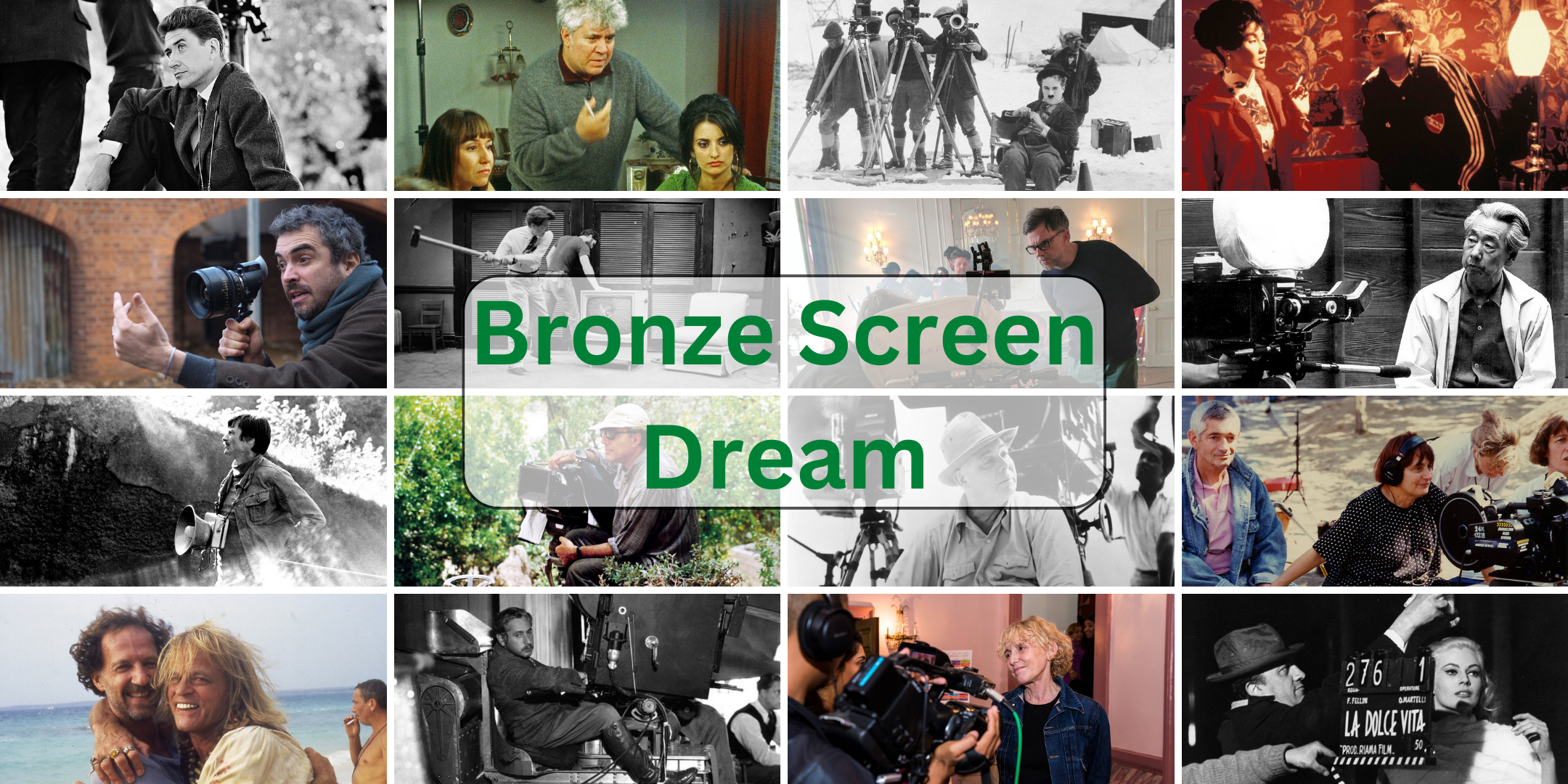

Lee Chang-dong is a South Korean filmmaker known for his profound character studies and incisive social commentary. With acclaimed works like Burning and Poetry, Chang-dong has demonstrated a unique capability of delving deep into the human psyche and capturing the nuances of societal issues, earning him a respected status among international auteurs.
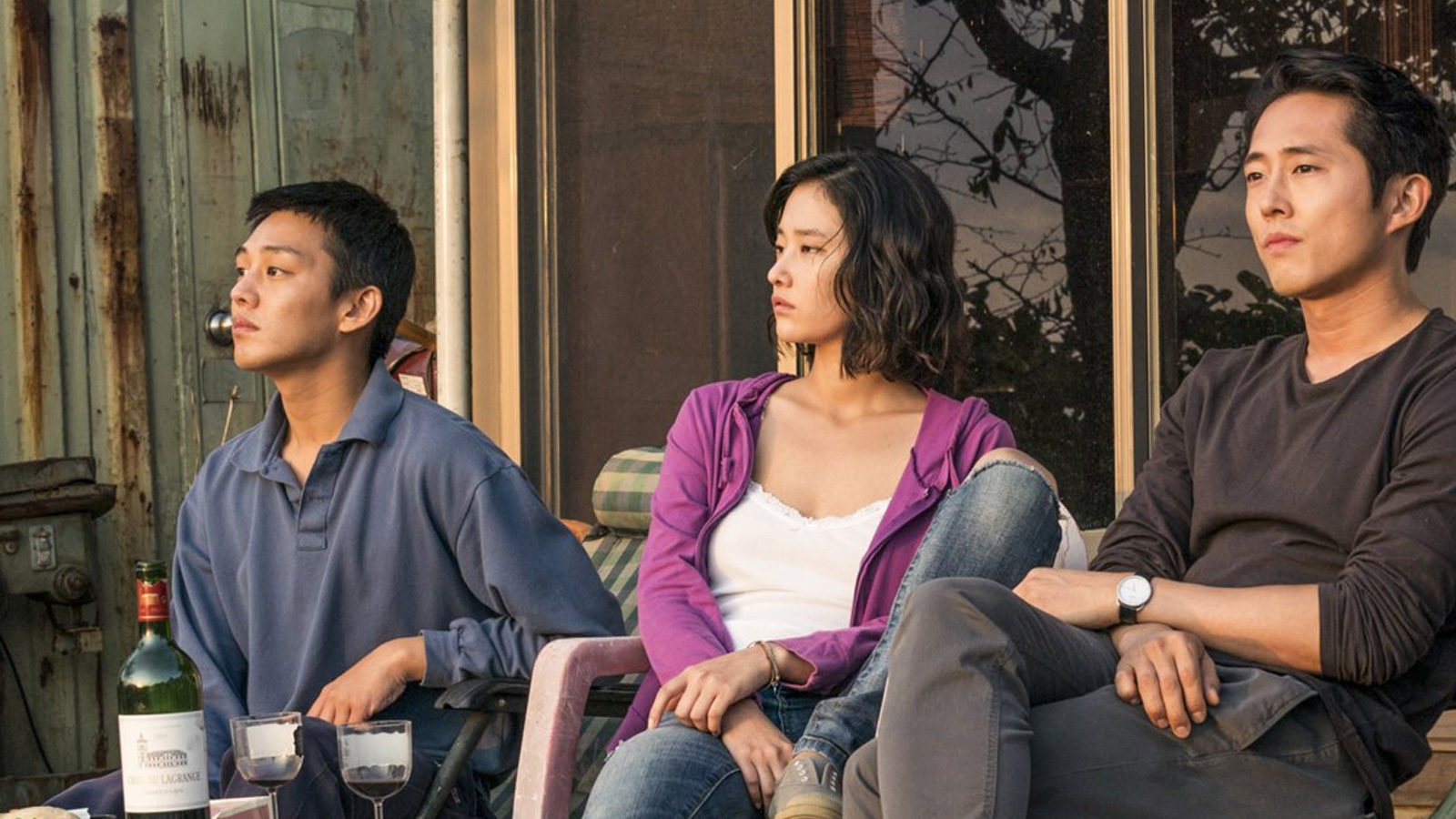
Prior to his illustrious career in cinema, Chang-dong was a high school teacher and a novelist. His literary background is apparent in the narrative structure of his films, where he frequently adapts literary works and translates complex themes into visual storytelling. The use of narrative ambiguity is a distinctive hallmark of his approach, inviting viewers to actively engage in interpreting his works. For instance, Burning, adapted from a Haruki Murakami short story, leaves key plot points unresolved, compelling audiences to grapple with the film’s themes and motifs.
A recurrent element in Chang-dong’s films is exploring social issues such as economic inequality, mental health stigma, and gender discrimination in South Korea. Throughout his filmography, Chang-dong paints an evocative picture of despair, loss, and the human capacity for endurance. This thematic approach is underlined by his masterful pacing, allowing tension and emotion to build naturally without succumbing to hurried resolutions.
Meticulous Meditations
On a visual level, Chang-dong’s films are a testament to his meticulous craft. They are visually striking, with thoughtful use of cinematography and colour that enhance the storytelling and set the mood. His meticulous attention to visual detail extends to his musical selections, where he employs music to amplify narrative and character development. The impact of these cinematic elements amplifies the themes of his films, creating immersive and emotionally charged viewing experiences.
With his compelling narratives and social critiques, Lee Chang-dong has impacted both national and international cinema. Despite the complexity of his themes and narratives, his films have been met with critical acclaim, solidifying his standing in the cinematic landscape. His influence has inspired numerous filmmakers across the globe, contributing to his legacy as one of the most distinctive voices in contemporary cinema.

Lee Chang-dong (1954 –)
Calculated Films:
- Peppermint Candy (1999)
- Oasis (2002)
- Secret Sunshine (2007)
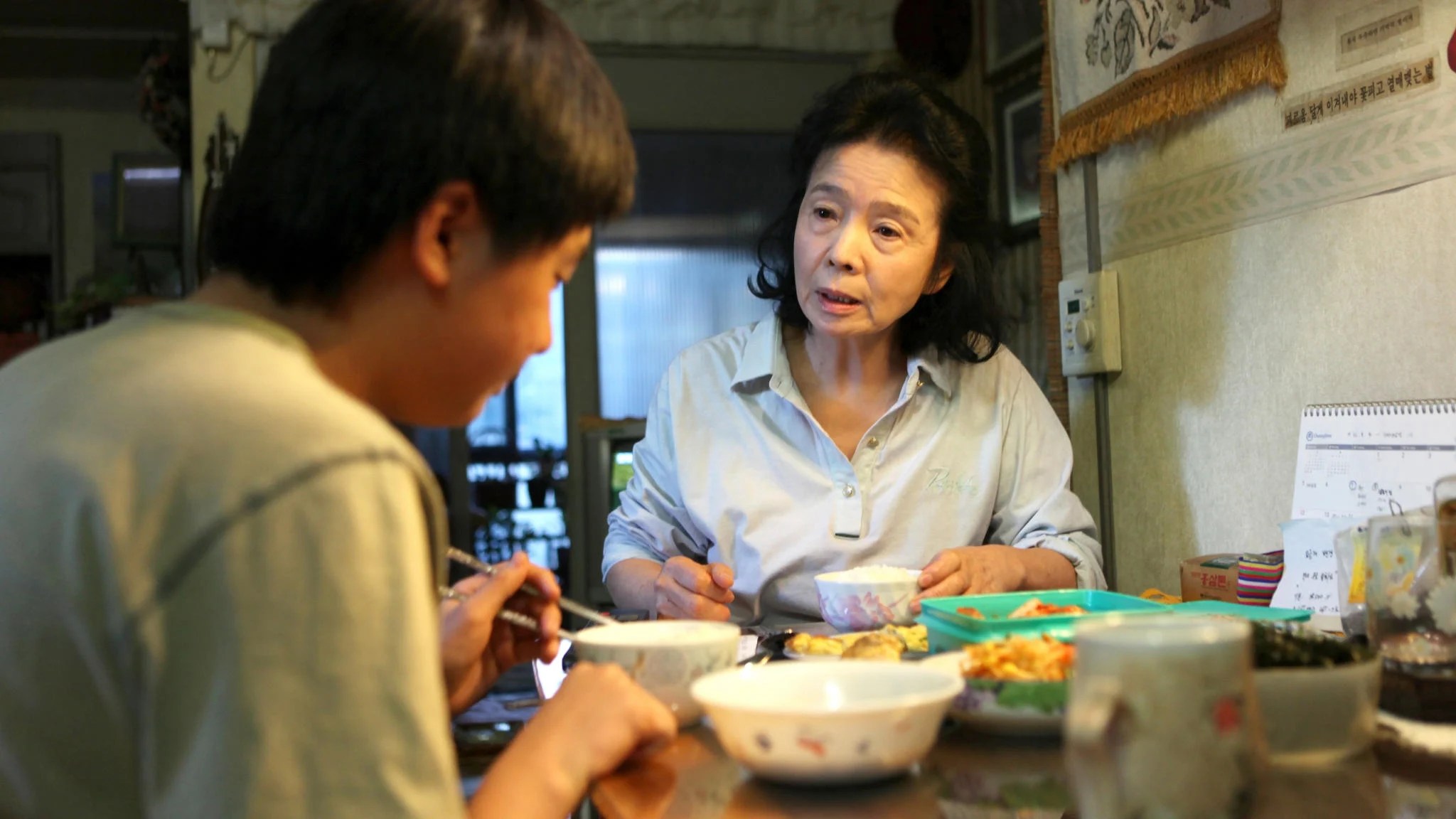
- Poetry (2010)
- Burning (2018)
Similar Filmmakers
- Hou Hsiao-hsien
- Im Kwon-taek
- Jia Zhangke
- Kim Ki-duk
- Kim Ki-young
- Lee Yoon-ki
- Pen-Ek Ratanaruang
- Terrence Malick
- Tsai Ming-liang
- Wang Xiaoshuai
- Yasujiro Ozu
- Zhang Yimou

Lee Chang-dong’s Top Films Ranked
1. Oasis (2002)
Genre: Drama, Romance

2. Poetry (2010)
Genre: Drama

3. Burning (2018)
Genre: Mystery, Psychological Drama, Drama

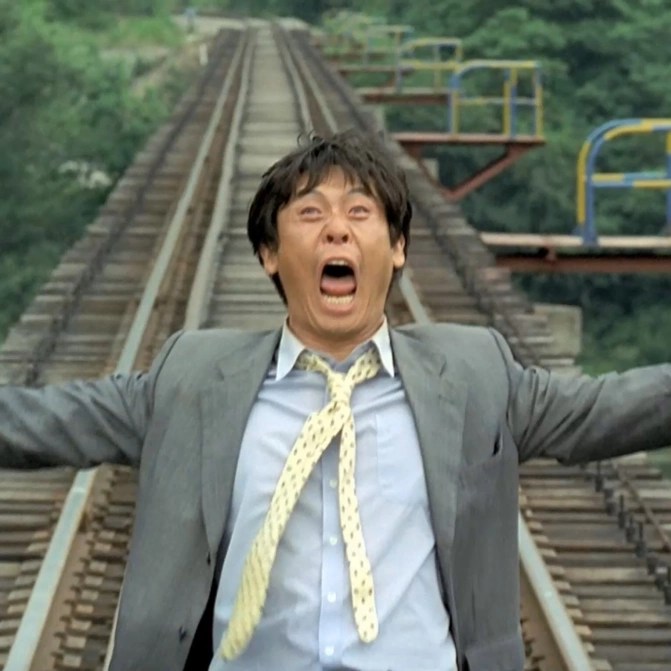
4. Peppermint Candy (1999)
Genre: Drama, Melodrama
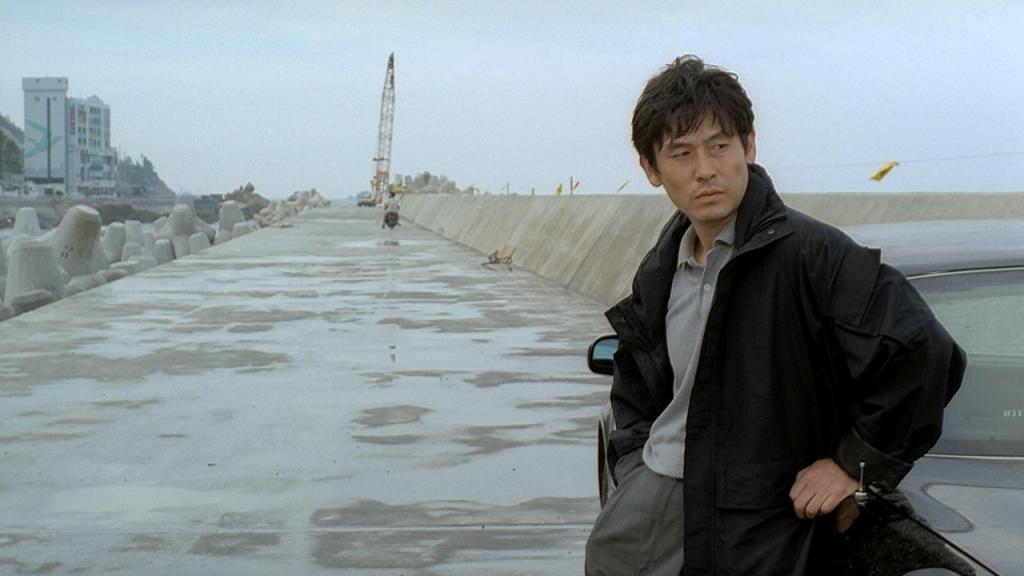
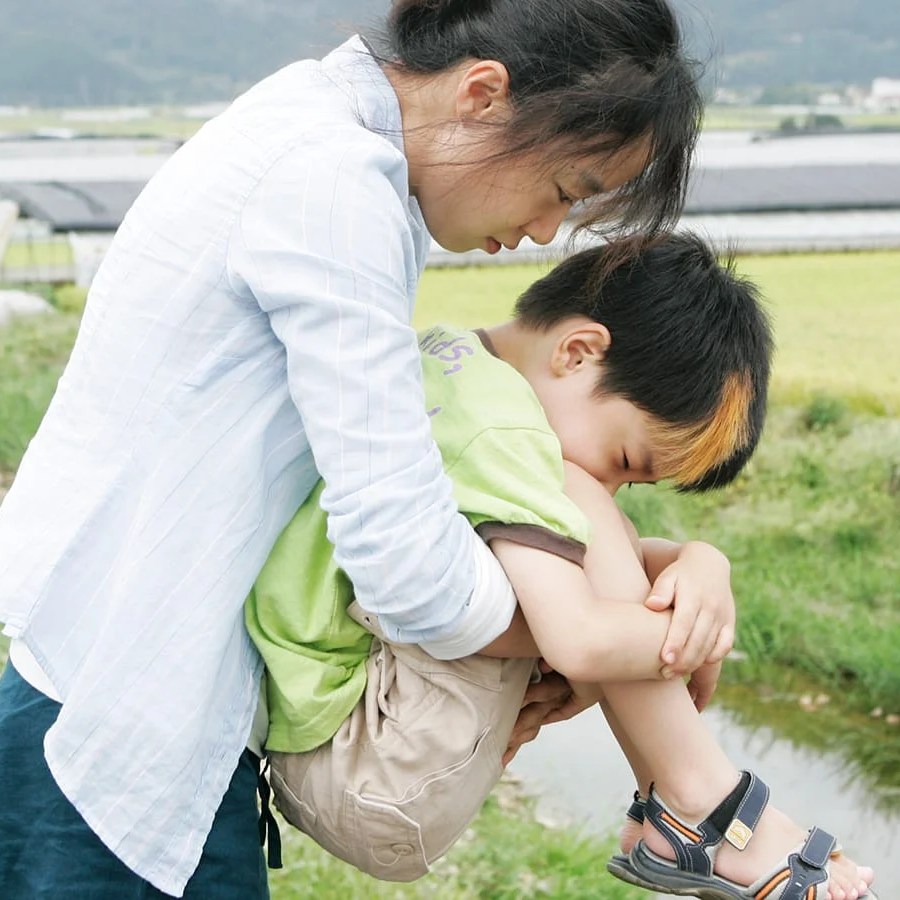
5. Secret Sunshine (2007)
Genre: Psychological Drama

6. Green Fish (1997)
Genre: Drama, Crime

Lee Chang-dong: Themes and Style
Themes:
- Human Struggle & Resilience: Lee’s films often delve into the struggles and resilience of individuals grappling with personal and societal challenges. He masterfully portrays human vulnerability and strength in the face of adversity, eliciting deep empathy from audiences.
- Social Critique & Reflection: His work presents a critical reflection on South Korean society, addressing issues such as class disparity, generational conflict, and the psychological impacts of rapid modernisation.
- Existentialism & Identity: Lee explores existential themes, examining the human condition, the search for meaning, and the fluid nature of identity. His characters often navigate complex emotional landscapes, wrestling with loss, longing, and existential angst.
- Memory & Perception: Many of his films deal with the fluidity and unreliability of memory and perception. Lee explores how individuals construct and reconstruct reality, often blurring the lines between objective truth and subjective experience.
Styles:
- Visual Poetry: Lee employs a visually poetic style, utilising meticulously composed shots and a dynamic colour palette to convey subtle emotional tones and atmospheric depth. His films are visually captivating, engaging viewers on a sensory and emotional level.
- Slow Cinema: He is associated with the ‘Slow Cinema’ movement, characterised by long takes, deliberate pacing, and minimal action. This approach allows audiences to immerse themselves in the characters’ inner worlds, promoting contemplation and emotional engagement.
- Nuanced Performances: Lee directs his actors to deliver fine, restrained performances, resulting in characters that feel profoundly real and relatable. The subtlety of the performances enhances the emotional impact of the films, drawing viewers into the narrative’s emotional core.
- Narrative Complexity: His storytelling is intricate and layered, often incorporating nonlinear timelines, unreliable narrators, and ambiguous endings. This narrative complexity invites viewers to engage actively with the films, pondering their meanings and implications long after viewing.
Directorial Signature:
- Empathy and Humanism: One of Lee’s defining directorial traits is his deep empathy and humanism. He approaches his characters with a compassionate lens, crafting stories that illuminate the complexities of the human experience without judgment or sensationalism.
- Ambiguity and Subtlety: Lee embraces ambiguity and subtlety in his storytelling. His films often resist straightforward interpretation, leaving audiences with lingering questions and emotions. This ambiguity invites viewers to reflect on the films’ themes and their own lives, fostering a deeper connection to the work.
- Integration of Visual and Narrative Elements: Lee masterfully integrates visual and narrative elements to create films that are both aesthetically beautiful and emotionally resonant. Each shot, colour choice, and camera movement are carefully considered to enhance the narrative’s emotional depth and thematic richness.
Lee Chang-dong: The 138th Greatest Director


 Bronze Screen Dream