

Lav Diaz is a Filipino filmmaker recognised for his distinctive style of cinema, often characterised by its lengthiness, black-and-white visuals, and deliberate pacing. His films, such as Norte, the End of History and The Woman Who Left, are best known for exploring socio-political themes in the Philippines, infused with a deep sense of history, morality, and humanism.
Diaz’s filmography often delves into the deeper recesses of human suffering and the historical trauma of the Filipino people. His narratives frequently touch upon themes of injustice, the human capacity for evil, and the potential for redemption. For instance, in Evolution of a Filipino Family, Diaz looks at societal breakdowns during the tumultuous years of Martial Law in the Philippines, weaving a tapestry of personal tales set against a larger historical backdrop. This thematic interest is married to his penchant for extended running times, allowing the viewer an immersive experience creating a reflective space for them to engage with the narrative at both an intellectual and emotional level.
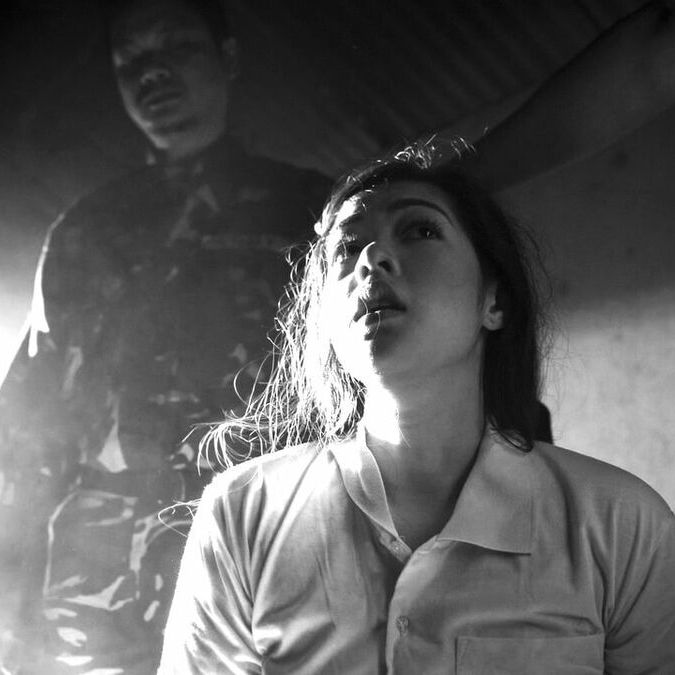
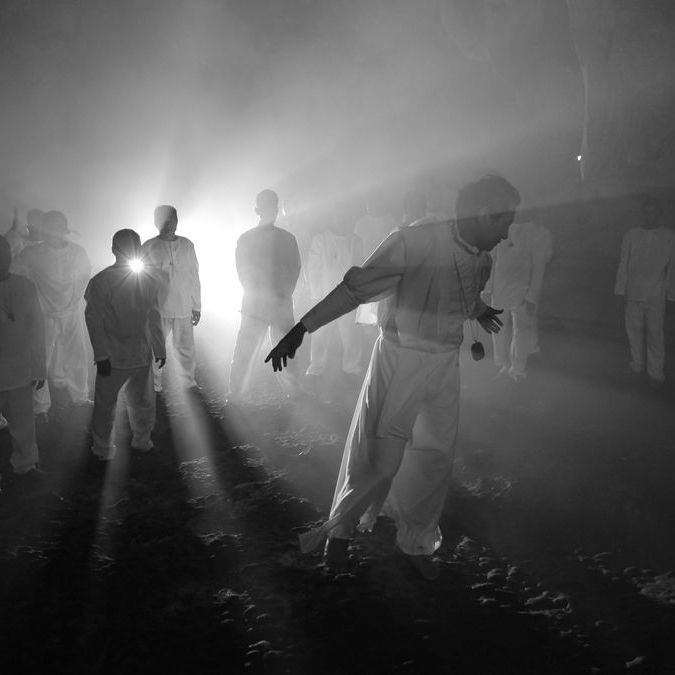
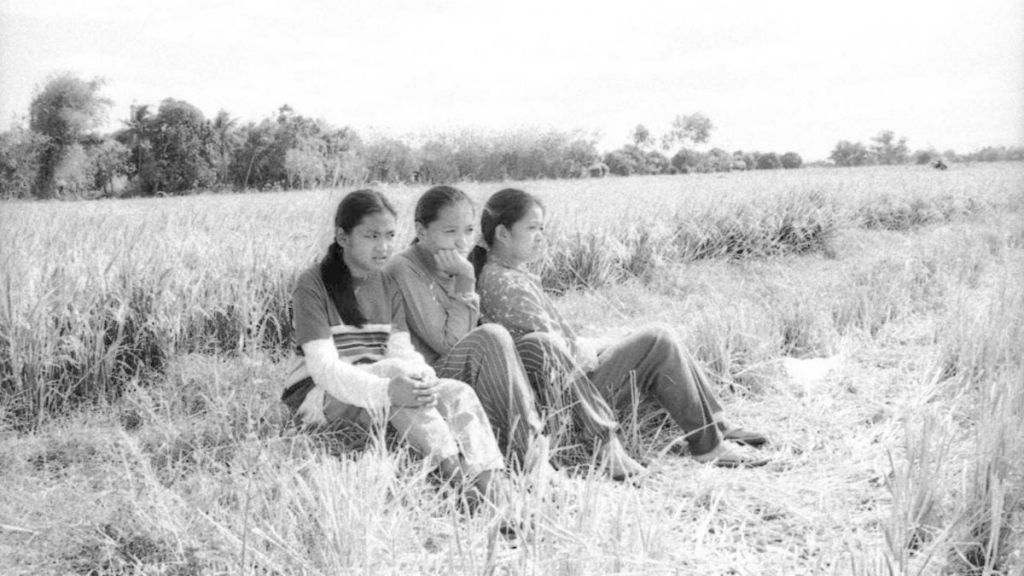
Visually, Diaz leans heavily on the aesthetics of minimalism. His preference for black and white cinematography in films like Melancholia and From What Is Before adds a timeless quality, echoing the nature of memory and the past. This monochromatic palette is often juxtaposed with sprawling landscapes or rural settings, emphasising the vastness and isolation inherent in the human experience. In his approach to filmmaking, Diaz favours long takes, letting scenes unfold naturally, capturing the rawness and reality of life, often blurring the lines between documentary and fiction. This authentic representation of life, combined with his deep engagement with Philippine history and society, gives his work a unique resonance, marking him as one of the most significant voices in contemporary cinema.

Lav Diaz (1958 – -)
Calculated Films:
- Evolution of a Filipino Family (2004)
- Melancholia (2008)
- Norte, the End of History (2013)
Similar Filmmakers
- Darezhan Omirbayev
- Hou Hsiao-hsien
- Jia Zhangke
- Lino Brocka
- Lisandro Alonso
- Miklos Jancso
- Nuri Bilge Ceylan
- Pedro Costa
- Theo Angelopoulos
- Tsai Ming-liang
- Vimukthi Jayasundara
- Wang Bing

Lav Diaz’s Top 5 Films Ranked
1. Norte, the End of History (2013)
Genre: Drama, Slow Cinema

2. From What is Before (2014)
Genre: Drama, Slow Cinema, Period Drama

3. Death in the Land of Encantos (2007)
Genre: Docudrama, Slow Cinema, Psychological Drama

4. Evolution of a Filipino Family (2004)
Genre: Slow Cinema, Drama
5. Batang West Side (2001)
Genre: Drama, Crime, Police Procedural

Lav Diaz: Themes and Style
Themes:
- Philippine History and Politics: Diaz’s films frequently delve into various periods of Philippine history, particularly the Marcos era, weaving narratives that reflect the nation’s tumultuous past.
- Human Suffering and Resilience: Characters in Diaz’s films often grapple with immense personal and societal challenges, showcasing both the fragility and endurance of the human spirit.
- Morality and Existentialism: Taking cues from literary giants like Dostoevsky, Diaz probes deep into the moral and existential quandaries his characters face, prompting audiences to introspect on their own beliefs and choices.
- Socio-economic Divide: Many of Diaz’s narratives foreground the stark economic disparities and the societal divisions they engender, reflecting the realities of life in the Philippines.
Styles:
- Slow Cinema: Diaz is a prominent “slow cinema” figure. His films feature extended takes and runtimes that can span several hours, inviting audiences to immerse themselves fully in the narrative.
- Black-and-White: Many of Diaz’s films are shot in black-and-white, lending them a timeless quality that accentuates their themes of memory, history, and reflection.
- Minimalism: Diaz often employs a minimalist aesthetic, with sparse dialogue, simple settings, and naturalistic performances. This approach underscores the raw, unvarnished nature of his narratives.
- Narrative Depth: Despite the slow pacing, his films are rich in depth, weaving intricate tales that span generations and traverse a broad spectrum of emotions.
Directorial Signature:
- Historical Intersection: While his films are deeply personal, they invariably intersect with broader historical events, grounding personal stories in the larger tapestry of Philippine history.
- Character Depth: Characters in Diaz’s films are meticulously fleshed out. They are not mere plot devices but profound explorations of humanity, each with unique challenges, beliefs, and arcs.
- Authenticity: Diaz’s commitment to authenticity is evident not only in his narratives but also in his production choices. Whether using local dialects, natural settings, or non-professional actors, Diaz ensures his films resonate with genuine Filipino experiences.
- Philosophical Undertones: Beyond the immediate narrative, Diaz’s films often possess deeper philosophical undertones, prompting viewers to ponder questions of existence, morality, and the human condition.
Lav Diaz – The 231st Greatest Director



 Bronze Screen Dream