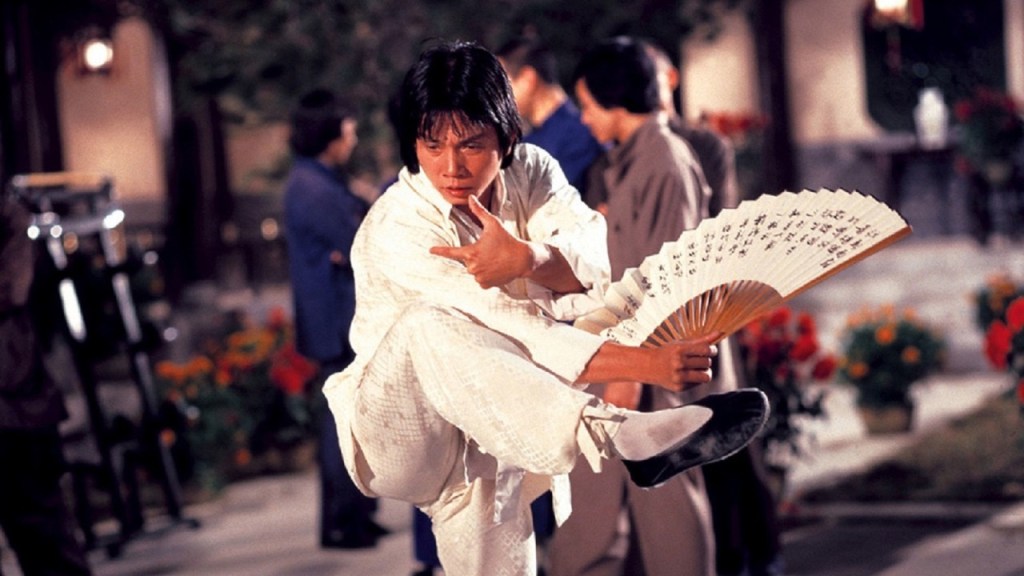
Lau Kar-leung, a renowned Hong Kong filmmaker and martial artist, is celebrated for his significant contributions to the martial arts genre in cinema. His films are best known for their authentic portrayal of Chinese martial arts, blending traditional kung fu with engaging storytelling. He gained international fame through movies that not only showcased breathtaking fight choreography but also highlighted the cultural and philosophical depth of martial arts.
Lau Kar-leung’s career in the film industry was deeply rooted in his own martial arts heritage. Coming from a family with a rich legacy in martial arts, he infused his films with a sense of realism and historical accuracy that was rare at the time. His directorial debut, The Spiritual Boxer, showcased his innovative approach, blending humour with martial arts, a theme he continued to explore in later works. Lau’s films often revisited the Shaolin Temple’s lore and legends, as seen in The 36th Chamber of Shaolin, which is not only a classic in the martial arts genre but also a significant cultural touchstone. His focus on the philosophical and moral aspects of martial arts set his films apart, offering more than just physical combat.
Visually, Lau Kar-leung’s style was characterised by intricate, well-orchestrated fight scenes that emphasised the skill and discipline of martial arts. He was known for his meticulous attention to the authenticity of martial arts techniques, a trait stemming from his deep personal knowledge and experience in the field. This authenticity extended to the use of traditional weapons and historical settings, giving his films a distinctive look and feel.
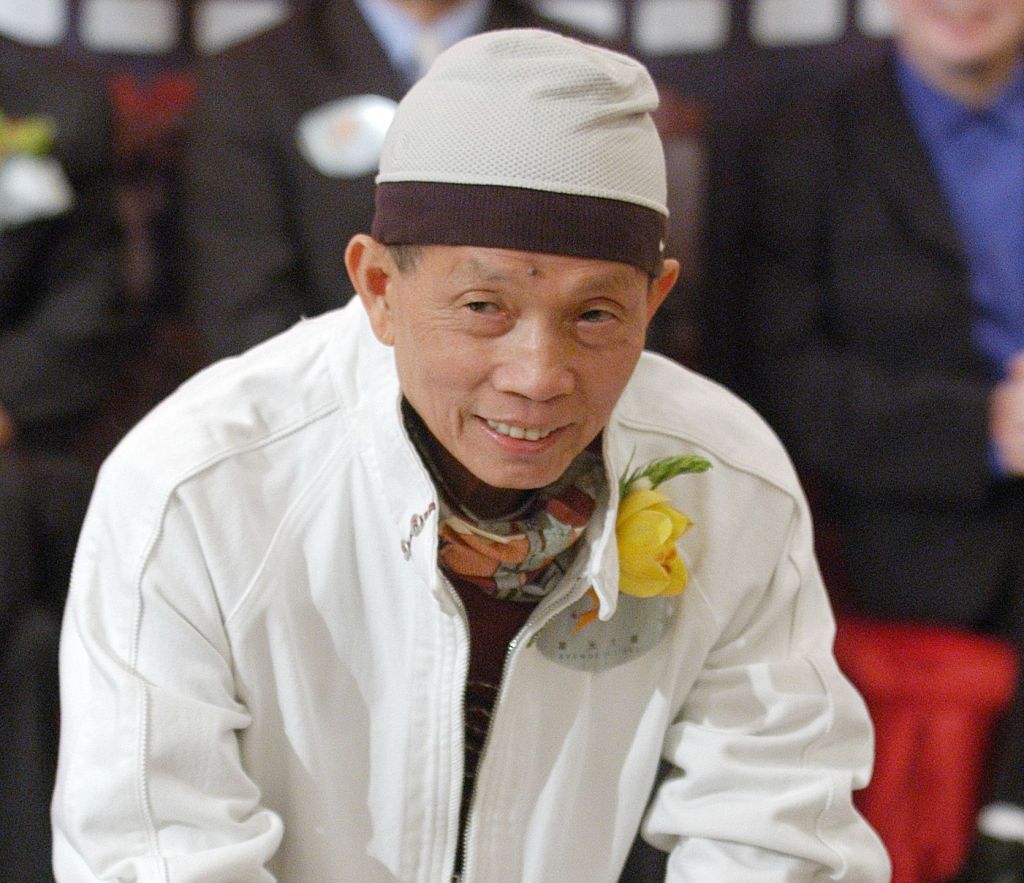
Lau Kar-leung (1934 – 2013)
Calculated Films:
- The 36th Chamber of Shaolin (1978)
Similar Filmmakers
- Chang Cheh
- Chor Yuen
- Corey Yuen
- Gordon Chan
- Jackie Chan
- Jeong Chang-hwa
- Ringo Lam
- Sammo Hung
- Stephen Chow
- Tony Ching Siu-Tung
- Tsui Hark
- Woo-Ping Yuen


Lau Kar-leung’s Top 5 Films Ranked
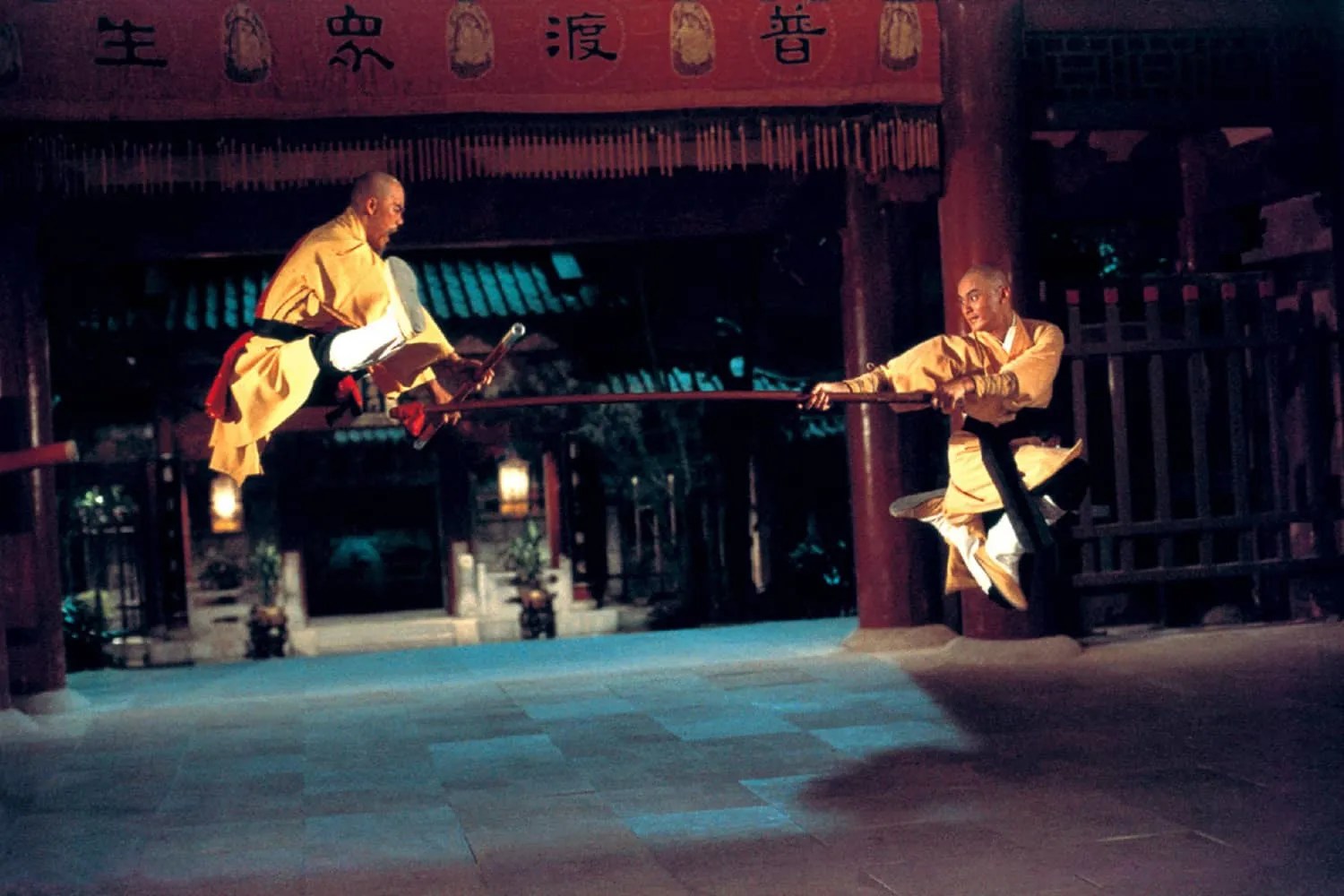
1. The 36th Chamber of Shaolin (1978)
Genre: Kung Fu
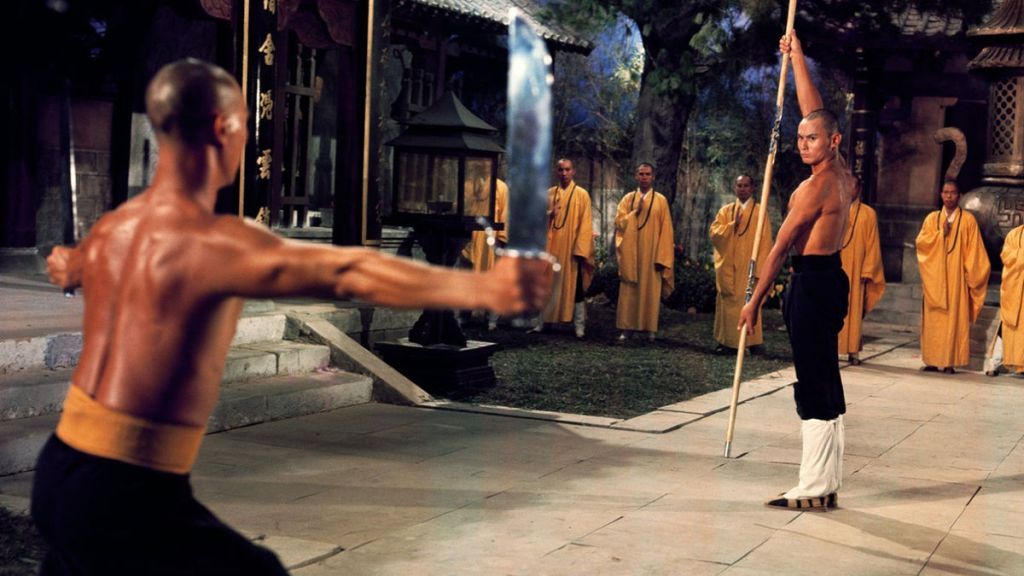
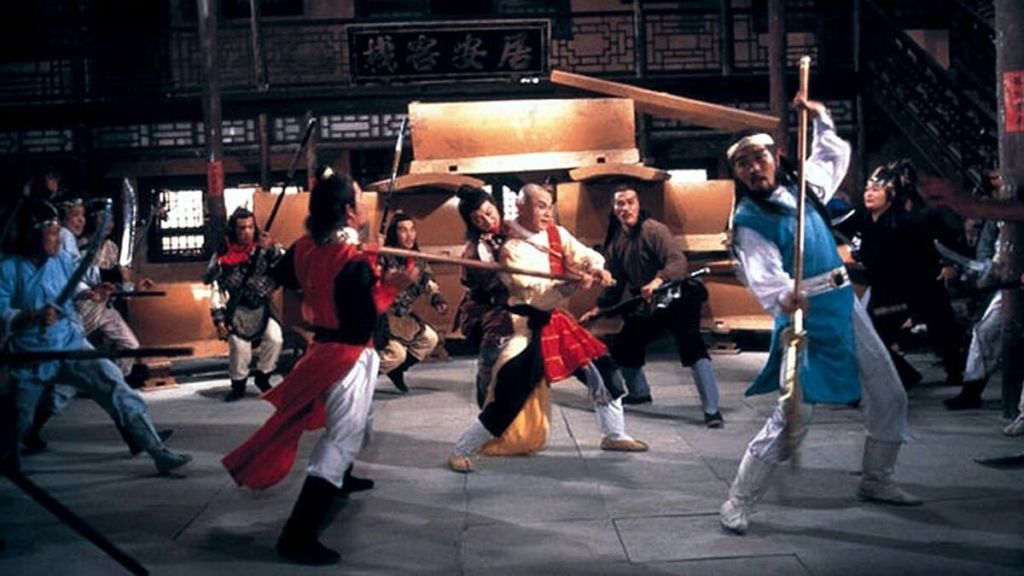
2. The 8 Diagram Pole Fighter (1984)
Genre: Kung Fu
3. Drunken Master II (1994)
Genre: Kung Fu, Comedy

4. Heroes of the East (1978)
Genre: Kung Fu

5. Dirty Ho (1979)
Genre: Kung Fu, Comedy

Lau Kar-leung: Themes and Style
Themes:
- Martial Arts Philosophy and Ethics: Lau Kar-leung’s films often delve into the philosophy and moral principles of martial arts, not just as physical combat but as a way of life. In The 36th Chamber of Shaolin, the protagonist’s journey is as much about spiritual growth as it is about physical training.
- Revenge and Redemption: Common themes in his films include revenge and redemption, where characters seek to avenge wrongs but also find a path to personal redemption, as depicted in Heroes of the East.
- Historical and Cultural Pride: Lau’s work showcases a deep respect for Chinese history and culture, often set against the backdrop of significant historical events or featuring traditional practices, as seen in The 8 Diagram Pole Fighter.
Styles:
- Authentic Martial Arts Choreography: Lau was renowned for his precise and intricate martial arts choreography, emphasising traditional techniques and realism, which is prominently showcased in The 36th Chamber of Shaolin.
- Dynamic Camera Work: His films are characterised by dynamic and innovative camera work that captures the energy and intricacy of martial arts, offering viewers a visceral experience, as seen in Legendary Weapons of China.
- Blend of Action and Comedy: Lau had a unique style of blending intense martial arts action with moments of humour and lightheartedness, creating a distinctive tone in films like Dirty Ho.
- Period Piece Aesthetics: Many of Lau’s films are period pieces featuring elaborate costumes and sets that authentically depict ancient China, such as in The 8 Diagram Pole Fighter.
- Narrative Depth: Unlike typical martial arts films that focus solely on action, Lau’s films often have complex narratives and well-developed characters, providing a deeper storytelling experience as in Heroes of the East.
Directorial Signature:
- Innovative Fight Sequences: Lau’s signature lies in his groundbreaking fight sequences, which were not only technically impressive but also rich in storytelling, revealing character and advancing the plot.
- Use of Traditional Martial Arts: He consistently highlighted traditional Chinese martial arts, paying homage to these styles and techniques and educating audiences about them, as evident in The 36th Chamber of Shaolin.
- Promotion of Moral Values: His directorial works often promote moral values like integrity, honour, and the importance of personal growth, making his films resonate on a level beyond mere action.
Lau Kar-leung – Great Director



 Bronze Screen Dream