

Lars von Trier, an acclaimed Danish film director, is a commanding figure in world cinema known for his provocative and often controversial storytelling. Von Trier’s films, noted for their exploration of deep psychological themes and his innovative cinematic techniques, consistently push the boundaries of conventional filmmaking. From the raw emotional depth of Breaking the Waves to the minimalist staging of Dogville, his body of work represents an audacious challenge to traditional cinematic norms.
Von Trier’s passion for cinema emerged early in life, and he embarked on his filmmaking career by attending the Danish Film School. Upon graduation, he quickly established his directorial voice with a series of films that exhibited his daring narrative approach and technical innovation. He later co-founded the Dogme 95 movement with fellow Danish director Thomas Vinterberg, a revolutionary manifesto aimed at simplifying filmmaking by eschewing elaborate special effects and post-production modifications. This ethos is manifest in The Idiots, one of the few films created strictly under the Dogme 95 rules.
Von Trier’s films delve deeply into the psychological state of his characters, often portraying mental illness and emotional distress with unflinching honesty. This psychological exploration is typically centred around complex female characters who face intense suffering and sacrifice. The “Golden Heart Trilogy”, comprising Breaking the Waves, The Idiots, and Dancer in the Dark, provides some of the most potent examples of this focus. Additionally, von Trier’s approach to storytelling often utilises a trilogy structure, allowing him to thoroughly explore distinct themes and concepts across several films.
“Basically, I’m afraid of everything in life, except filmmaking.”
The visual style of von Trier’s films is typically stark, minimalistic, yet evocative. His innovative use of cinematic techniques is evident in films like Dancer in the Dark, where he employed 100 fixed cameras to shoot a scene, and Dogville, where he used chalk marks on a soundstage to represent the film’s setting. These methods not only serve the narratives but also contribute to the unique aesthetic appeal of his films. Additionally, von Trier’s use of music often heightens the emotional intensity of his narratives, as illustrated in films like Melancholia.
Despite his controversial reputation, or perhaps partly because of it, von Trier’s impact on the filmmaking industry is undeniable. His daring narrative approaches, technical innovations, and unique visual style have influenced many directors, including filmmakers like Harmony Korine and Michael Haneke. His films have challenged audiences and filmmakers alike to consider the possibilities of what cinema can be.
While von Trier’s often confrontational approach has made him a polarising figure, it has also resulted in a body of work that challenges, provokes, and often deeply moves its audience. From his contribution to the Dogme 95 movement to his individual films, von Trier has continually pushed cinematic boundaries, ensuring his place as one of modern cinema’s most distinctive and influential voices.

Lars von Trier (1956 – -)
Calculated Films:
- Europa (1991)
- The Kingdom (1994)
- Breaking The Waves (1996)
- The Idiots (1998)
- Dancer In The Dark (2000)
- Dogville (2003)
- Melancholia (2011)
Similar Filmmakers



Lars von Trier’s Top 10 Films Ranked
1. Dogville (2003)
Genre: Psychological Drama, Drama
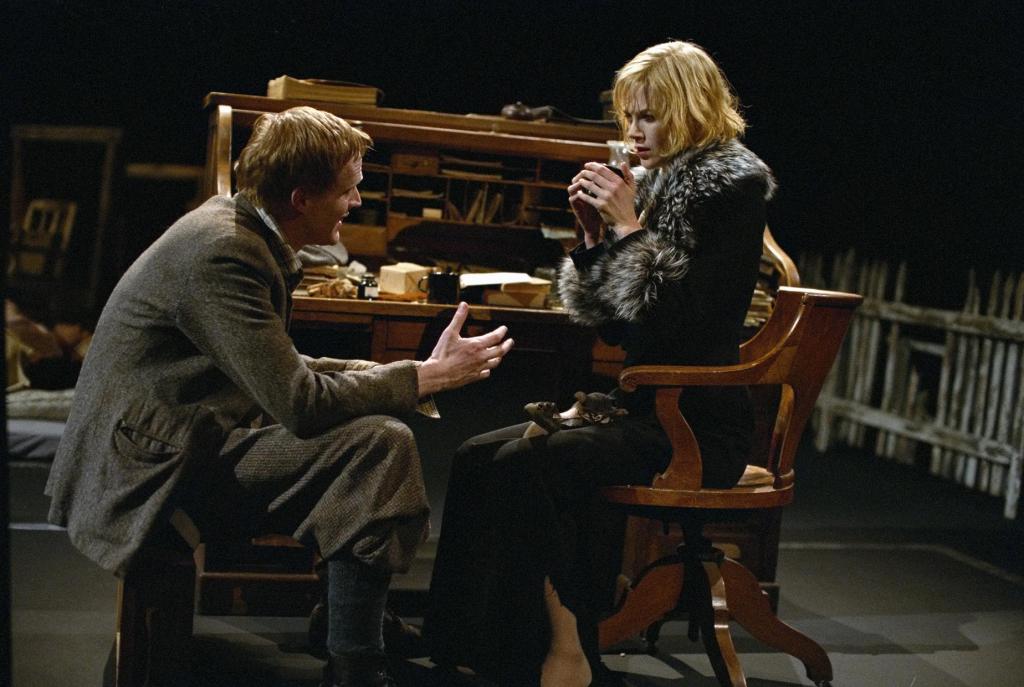
2. Breaking The Waves (1996)
Genre: Psychological Drama, Melodrama
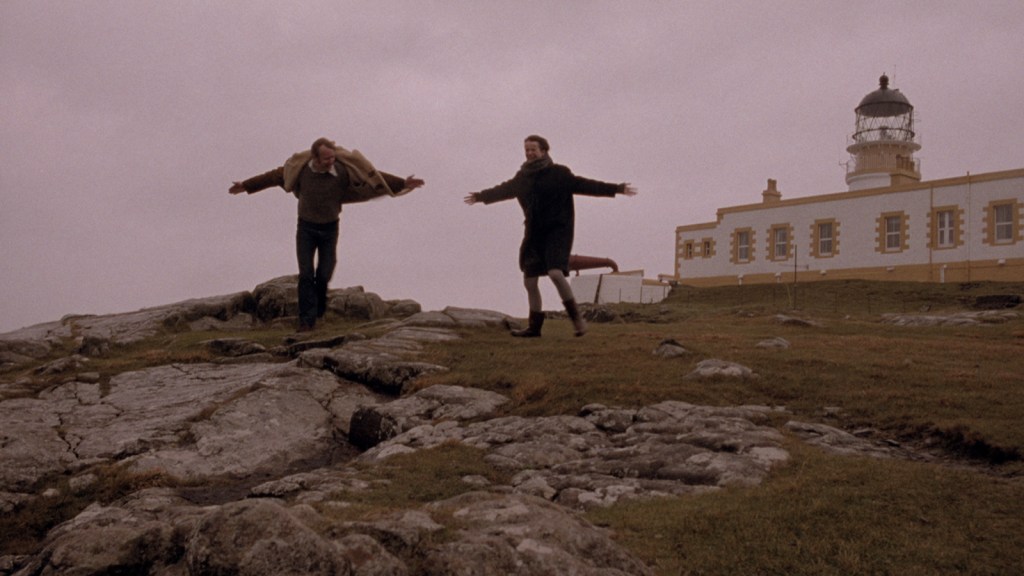
3. Dancer in the Dark (2000)
Genre: Musical, Melodrama, Drama

4. Melancholia (2011)
Genre: Psychological Drama, Disaster

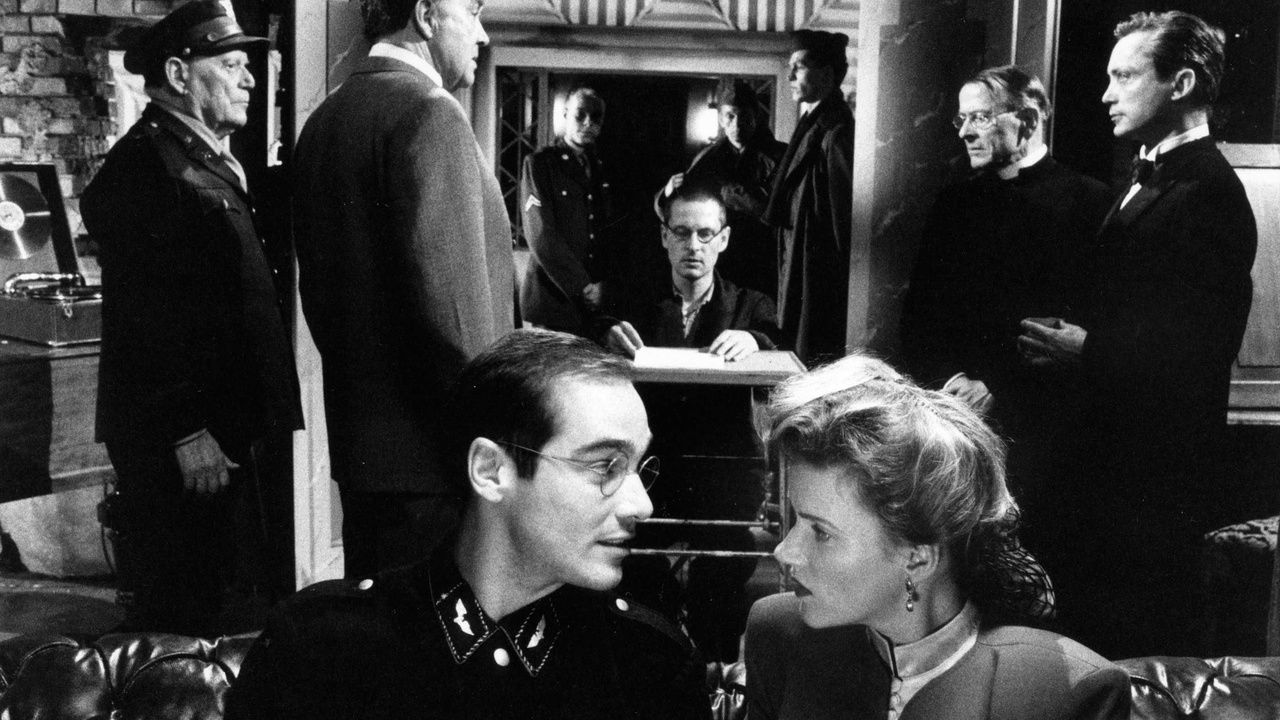
5. Europa (1991)
Genre: Psychological Drama, Neo-Noir, Period Drama

6. The Five Obstructions (2003)
Genre: Movie Documentary

7. The Idiots (1998)
Genre: Black Comedy, Drama, Satire

8. The Kingdom (1994)
Genre: TV, Horror, Mystery, Drama

9. The House That Jack Built (2018)
Genre: Crime, Psychological Drama, Black Comedy

10. Manderlay (2005)
Genre: Drama, Period Drama

Lars von Trier: Themes and Style
Themes:
- Suffering and Redemption: Lars von Trier often delves into the depths of human despair, exploring how characters seek redemption amidst their pain. Breaking the Waves and Dancer in the Dark showcase characters enduring hardships in hopes of achieving some form of salvation.
- Psychological Turmoil: His films frequently explore the complex psychological states of his protagonists, as seen in Antichrist and Melancholia, where the characters grapple with grief, anxiety, and depression, reflecting von Trier’s struggles with mental health.
- Female Characters and Patriarchy: Von Trier often places strong but troubled female leads at the centre of his narratives, challenging societal norms and the patriarchy. Dogville and Nymphomaniac are prime examples of his focus on female perspectives and the critique of gender relations.
- Nature and Human Nature: The director’s work recurrently juxtaposes the primal aspects of nature against human nature, questioning the inherent goodness or evil within humanity, with Antichrist being a particularly stark example.
- Existential Questions: Von Trier isn’t shy about tackling the big questions of existence, often in a confrontational manner. Films like The Idiots and Melancholia probe into the essence of human behaviour and the search for meaning in an indifferent universe.
Styles:
- Provocation: A trademark of von Trier’s style is his penchant for provocation, challenging audiences with controversial subject matter and uncomfortable scenes designed to evoke strong emotional responses, as evidenced throughout Nymphomaniac.
- Minimalism and Dogme 95: He co-founded the Dogme 95 movement, advocating for simplicity in filmmaking. This minimalist approach, with its handheld camera work and natural lighting, is exemplified in The Idiots and Dogville.
- Non-Linear Storytelling: Von Trier often employs non-linear narratives, jumping through time and space to disorient and re-engage his audience, a technique used effectively in Nymphomaniac.
- Visual Experimentation: He experiments with visual styles, from the chalk-outlined sets of Dogville to the high-contrast black and white of Europa, showcasing a willingness to push the boundaries of traditional cinematography.
- Chapters and Segmentation: Many of von Trier’s films are structured in chapters or acts, giving his stories a literary feel and allowing for a deeper exploration of themes, as seen in Nymphomaniac and Dogville.
Directorial Signature:
- Directorial Challenges: Von Trier frequently sets creative challenges for himself, such as the constraints of the Dogme 95 manifesto or the use of an entirely bare stage in Dogville to innovate and push the medium forward.
- Emotional Extremes: His directorial approach often pushes characters to emotional extremes, creating intense performances that are both compelling and sometimes disturbing to watch, a method seen in Breaking the Waves.
- Manipulation of Actor Performances: Known for his demanding approach with actors, von Trier extracts deeply emotional performances, often by putting actors through intense experiences, as documented during the making of Dancer in the Dark.
- Meta-References: He includes references to his own life and other works within his films, creating a meta-textual dialogue with his audience. This is part of the narrative fabric in The Five Obstructions.
- Symbolic Elements: Von Trier frequently uses symbols to represent larger ideas or themes, such as the mysterious epilogue of Melancholia or the stark iconography in Antichrist, inviting multiple interpretations and discussions.
Lars von Trier: The 66th Greatest Director



 Bronze Screen Dream