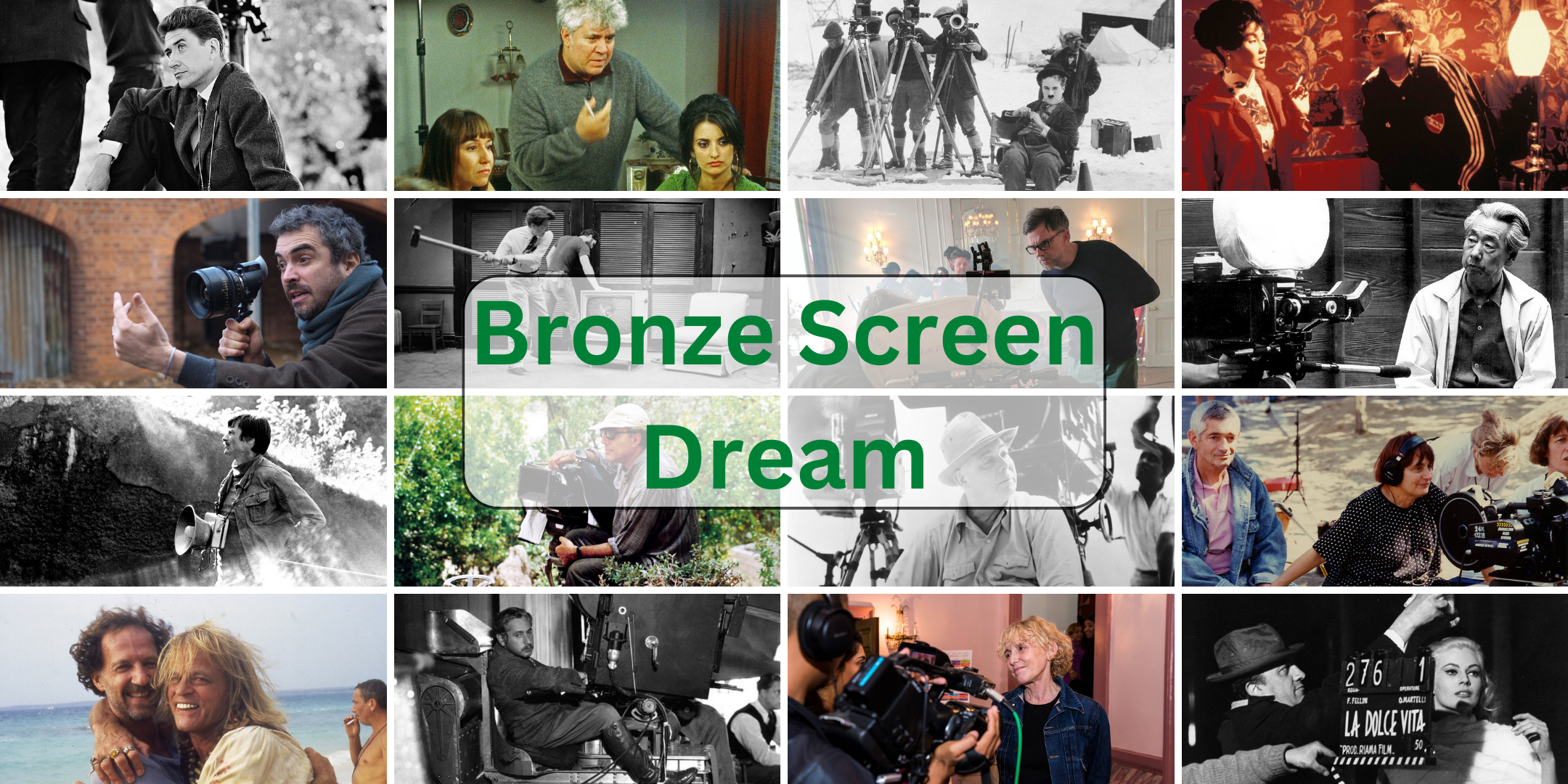

Krzystof Kieslowski was a Polish film director celebrated for exploring intimate human stories and complex metaphysical themes. Kieslowski’s filmography is distinguished by its rich visual symbolism, compelling narratives, and deeply emotional landscapes. His masterful command of storytelling and visual language, displayed in notable works like The Double Life of Veronique and the Three Colours trilogy, has solidified his status as a pivotal figure in international cinema.
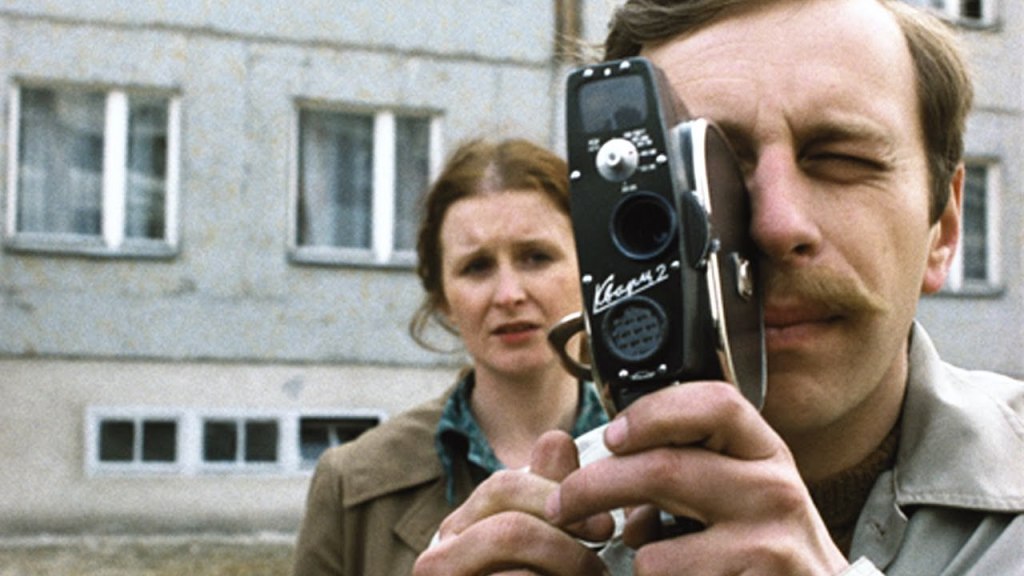
Beginning his career during Communist rule in Poland, Kieslowski initially made a name for himself with his gritty documentaries and films that offered poignant reflections on the political and social realities of the era. Films like Camera Buff exemplified this early phase of his work. Over time, Kieslowski’s style evolved, becoming more metaphysical and introspective, focusing on ordinary individuals’ inner struggles and moral dilemmas.
Kieslowski’s films are renowned for their exploration of profound themes, often examining the interconnectedness of human lives, fate, and duality. His Three Colours trilogy, corresponding to the French Republic’s ideals of liberty, equality, and fraternity, delves into these concepts through deeply personal and resonant stories. Likewise, his series The Decalogue showcases his skill in weaving morally complex and emotionally poignant narratives, with each of the ten one-hour films loosely inspired by one of the Ten Commandments.
A Tapestry of Human Connection and Fate
Visually, Kieslowski’s work stands out for its use of rich symbolism and striking cinematography. His films frequently employ colours, objects, and repeated motifs to symbolise abstract themes and concepts, creating a visual tapestry that complements his thematic concerns. His collaboration with composer Zbigniew Preisner also played a crucial role in shaping his films’ atmospheric and emotional landscapes, adding a layer of sensory depth that elevated his storytelling.
Kieslowski’s career, however, was tragically cut short. Despite an early retirement announcement after the completion of the Three Colours trilogy, his untimely death at the age of 54 left the world speculating on the potential future works that might have been. Despite the brevity of his career, his influence has been widespread and enduring.
The impact of Kieslowski’s work extends far beyond his native Poland, influencing a generation of filmmakers worldwide. Directors like Julio Medem, Tom Tykwer, and Paolo Sorrentino have cited him as an inspiration. His deeply humanistic approach, combined with his distinct visual style and exploration of complex themes, has left a lasting impact on cinema.

Krzysztof Kieslowski (1941 – 1996)
Calculated Films:
- Camera Buff (1979)
- Talking Heads (1980)
- Blind Chance (1987)
- A Short Film About Love (1988)
- A Short Film About Killing (1988)
- Dekalog (1989)
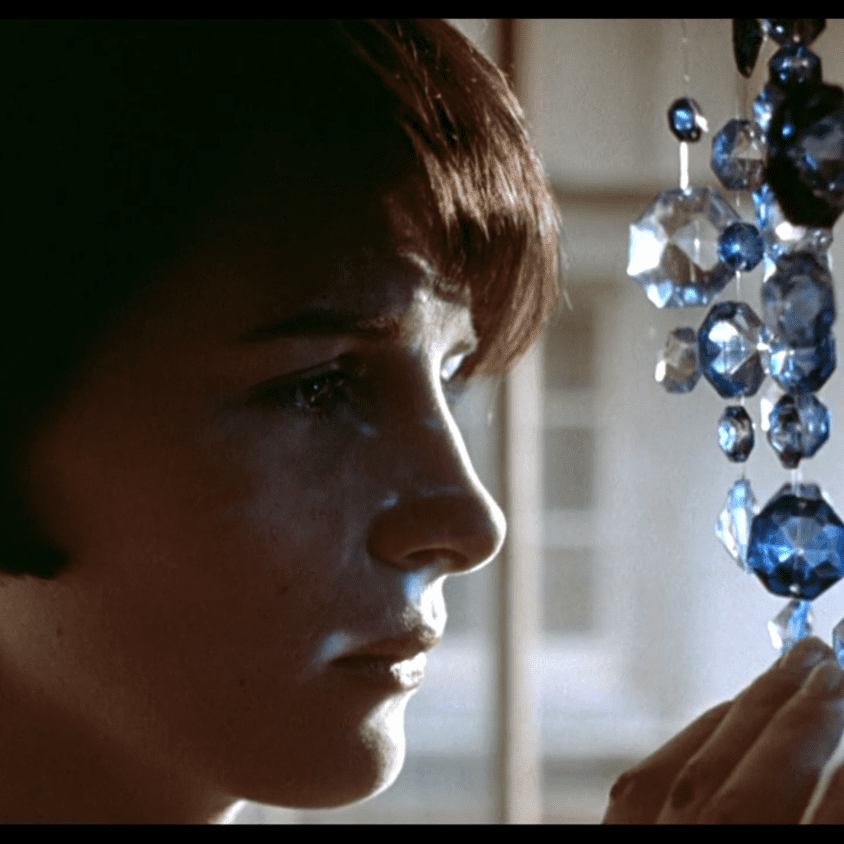
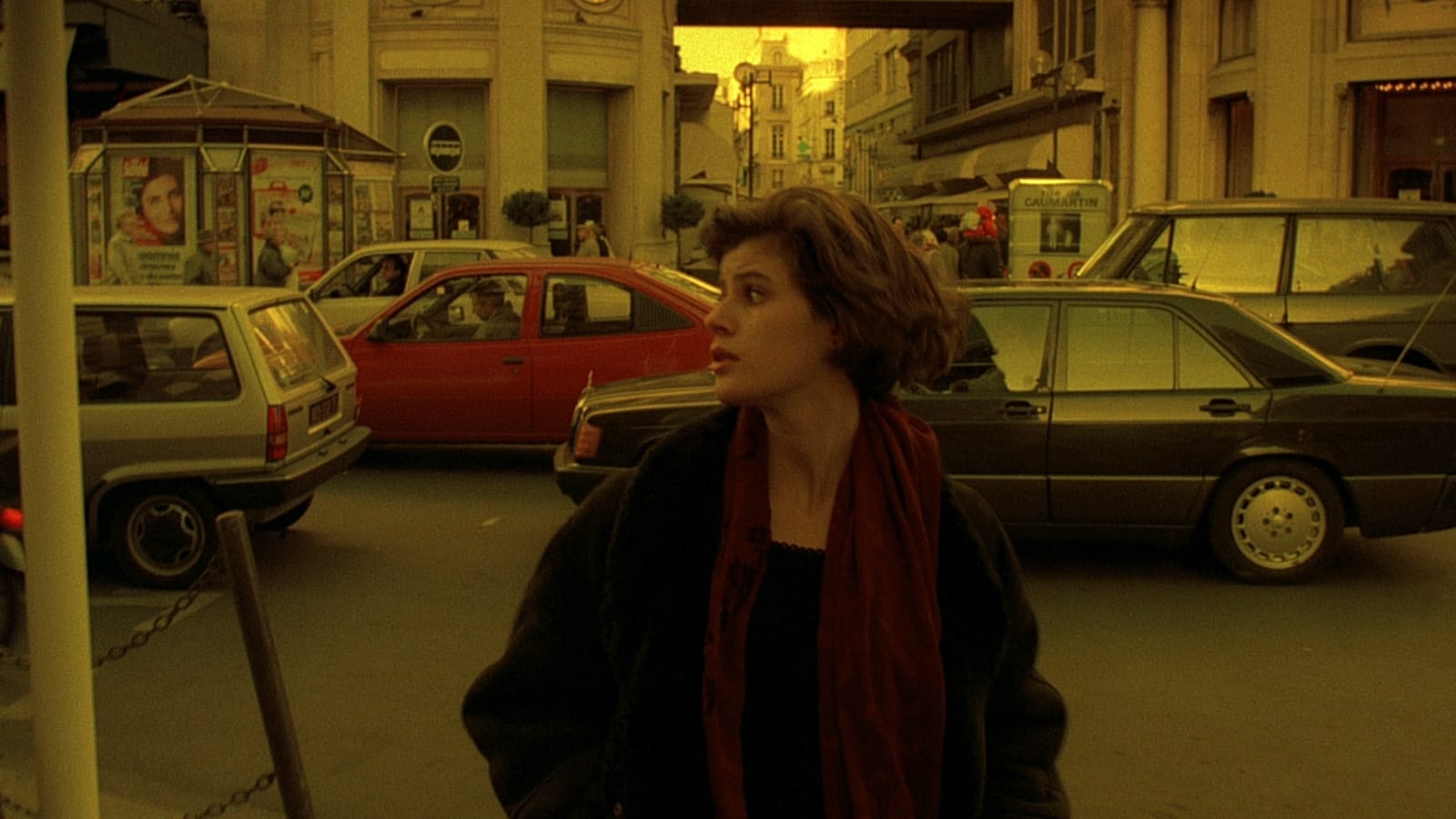
- The Double Life of Veronique (1991)
- Three Colours: Blue (1993)
- Three Colours: Red (1994)
Similar Filmmakers


Krzysztof Kieslowski’s Top 10 Films Ranked
1. Dekalog (1989)
Genre: TV, Drama, Anthology
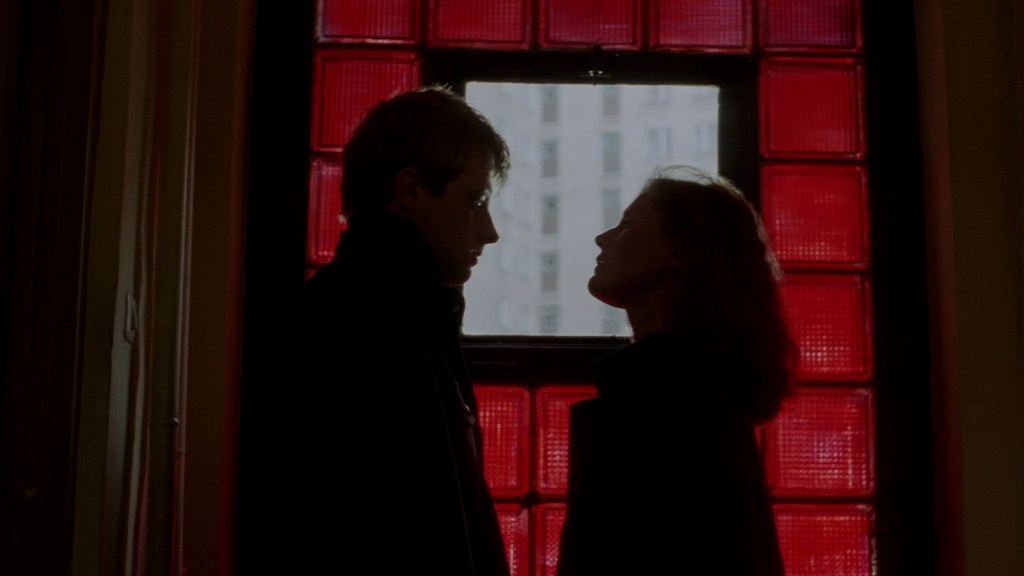
2. Three Colours: Red (1994)
Genre: Drama

3. A Short Film About Love (1988)
Genre: Drama, Romance

4. Three Colours: Blue (1993)
Genre: Psychological Drama
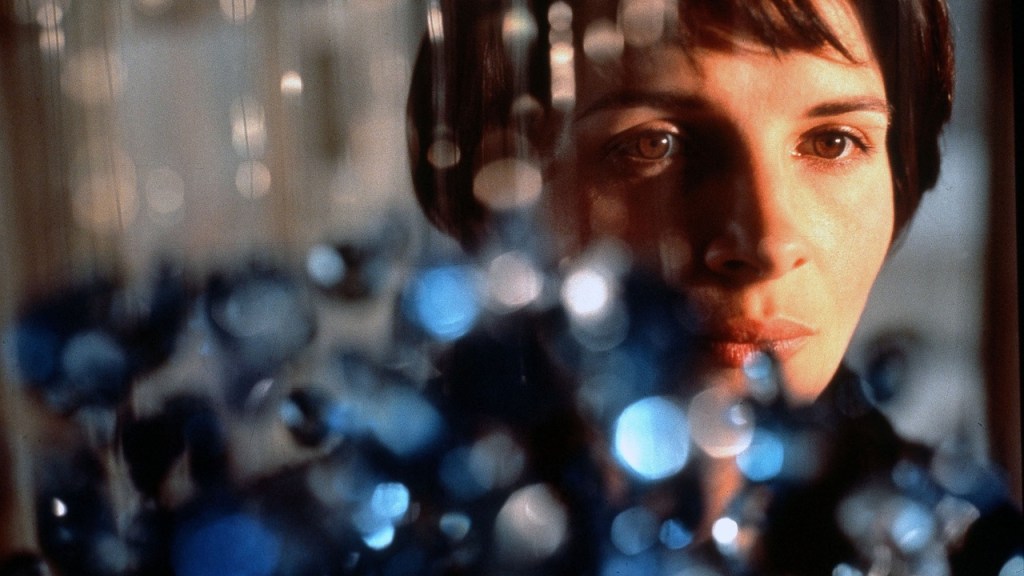
5. The Double Life of Veronique (1991)
Genre: Psychological Drama, Mystery, Romance

6. Camera Buff (1979)
Genre: Psychological Drama
7. A Short Film About Killing (1988)
Genre: Drama, Crime

8. Talking Heads (1980)
Genre: Documentary, Essay Film

9. Blind Chance (1987)
Genre: Political Drama
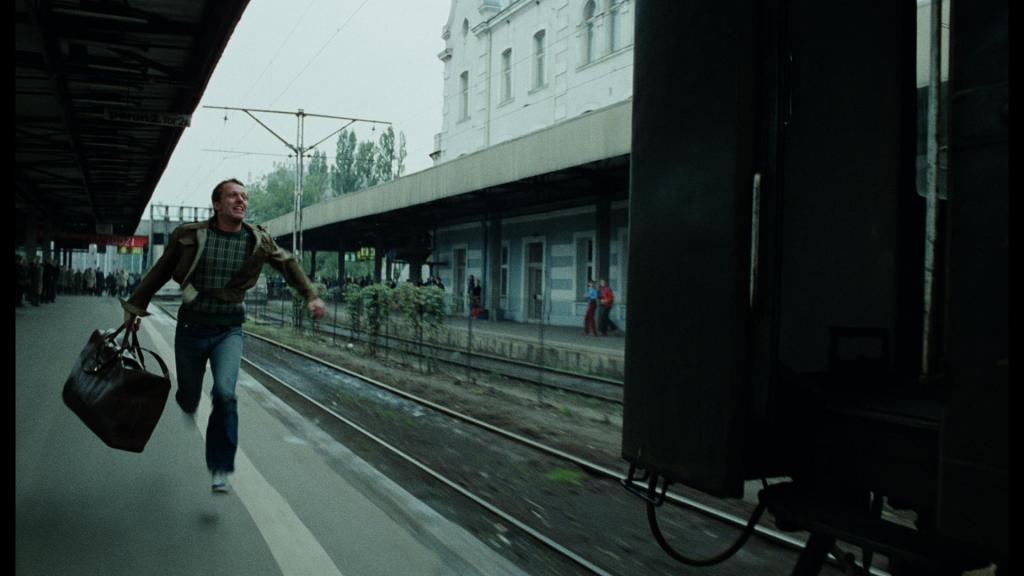
10. Three Colours: White (1994)
Genre: Drama, Black Comedy

Krzysztof Kieslowski: Themes and Style
Themes:
- Moral and Ethical Complexity: Kieślowski’s films often delve into the intricate moral and ethical dilemmas of his characters, as showcased in A Short Film About Killing, where he examines the nature of violence and justice.
- Fate and Coincidence: The role of luck and the power of coincidence in shaping human lives is a recurring theme, particularly in The Double Life of Veronique and the Three Colours trilogy, which interweave characters’ lives in unexpected ways.
- Spirituality and Existence: Kieślowski frequently contemplates the spiritual and metaphysical aspects of existence, exploring questions of faith, destiny, and the unseen connections between people, as in Decalogue.
- Personal Freedom and Constraints: His work often reflects on the tension between individual freedoms and societal constraints, with characters seeking to overcome or reconcile with the limitations imposed on them, a central theme in Three Colours: White.
- Intimacy and Isolation: Kieślowski portrays the profound intimacy of human relationships alongside the isolation of the individual, as seen in Three Colours: Blue, where the protagonist deals with loss and grief in a deeply personal way.
Styles:
- Visual Symbolism: Kieślowski uses colour and visual motifs to symbolise emotions and themes, with the Three Colours trilogy being a prime example, where each film is themed around one of the three political ideals in the motto of the French Republic: liberty, equality, and fraternity.
- Subtle Storytelling: His storytelling approach is often understated, relying on small gestures and nuances to convey complex ideas rather than overt dialogue or action.
- Intimate Cinematography: Kieślowski employs close-ups and tight framing to create an intimate portrayal of characters, drawing viewers into their inner lives and emotional states.
- Non-linear Narratives: He sometimes uses non-linear narratives to explore the multifaceted nature of reality and truth, as in The Double Life of Veronique, which plays with parallel lives and alternate realities.
- Ambient Soundscapes: The use of sound is carefully crafted to enhance the mood, often employing ambient sounds and a minimalist score, as in Three Colours: Blue, to reflect the protagonist’s internal journey.
Directorial Signature:
- Philosophical Depth: Kieślowski’s films are marked by their intellectual depth, asking profound questions about life, morality, and the human condition, encouraging the audience to ponder along with the characters.
- Collaborative Music Scores: He frequently collaborated with composer Zbigniew Preisner, whose music is integral to the films’ atmospheres and narratives, notably in the Three Colours trilogy.
- Casting Continuity: Kieślowski often worked with the same actors across different films, creating a sense of continuity and depth within his cinematic universe.
- Artistic Restraint: His directorial approach is characterised by restraint; he avoids sensationalism, focusing instead on the subtleties of human behaviour and emotion.
- Transcendental Connection: There is a consistent effort to transcend the literal connections between characters and events, aiming for a deeper, almost metaphysical linking of fates and stories, which invites viewers to look beyond the surface.
Krzysztof Kieslowski: The 52nd Greatest Director



 Bronze Screen Dream