
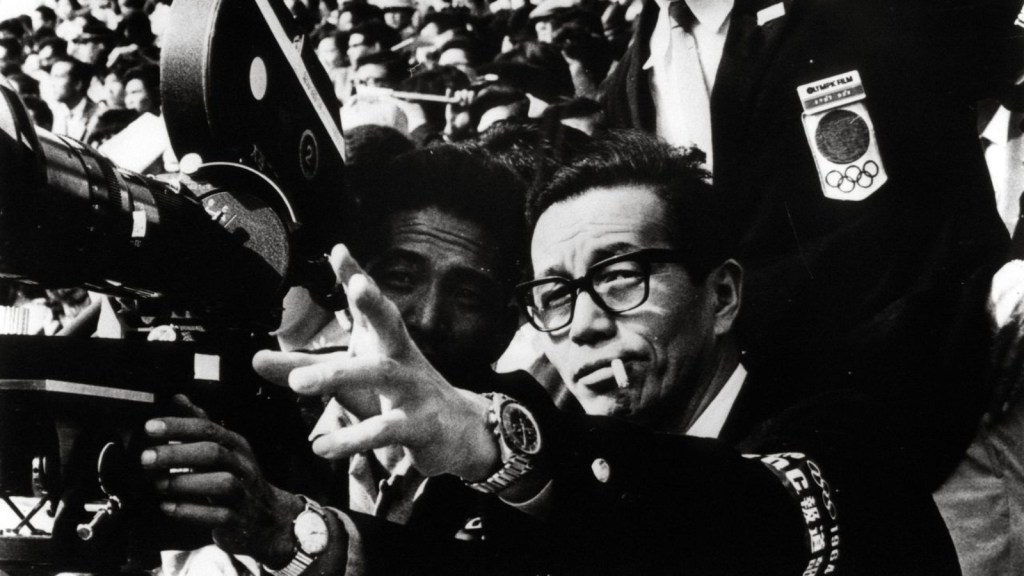
Kon Ichikawa was a Japanese film director widely celebrated for his versatile filmmaking style that spans an array of genres and themes. One of Japan’s most acclaimed auteurs, Ichikawa played a crucial role in bridging the gap between traditional Japanese cinema and the Japanese New Wave. Among his extensive and eclectic filmography, some of his most distinguished works are Tokyo Olympiad, a revolutionary sports documentary, An Actor’s Revenge, a vibrant, stylised exploration of revenge and redemption and poignant war-themed movies The Burmese Harp and Fires on the Plain.
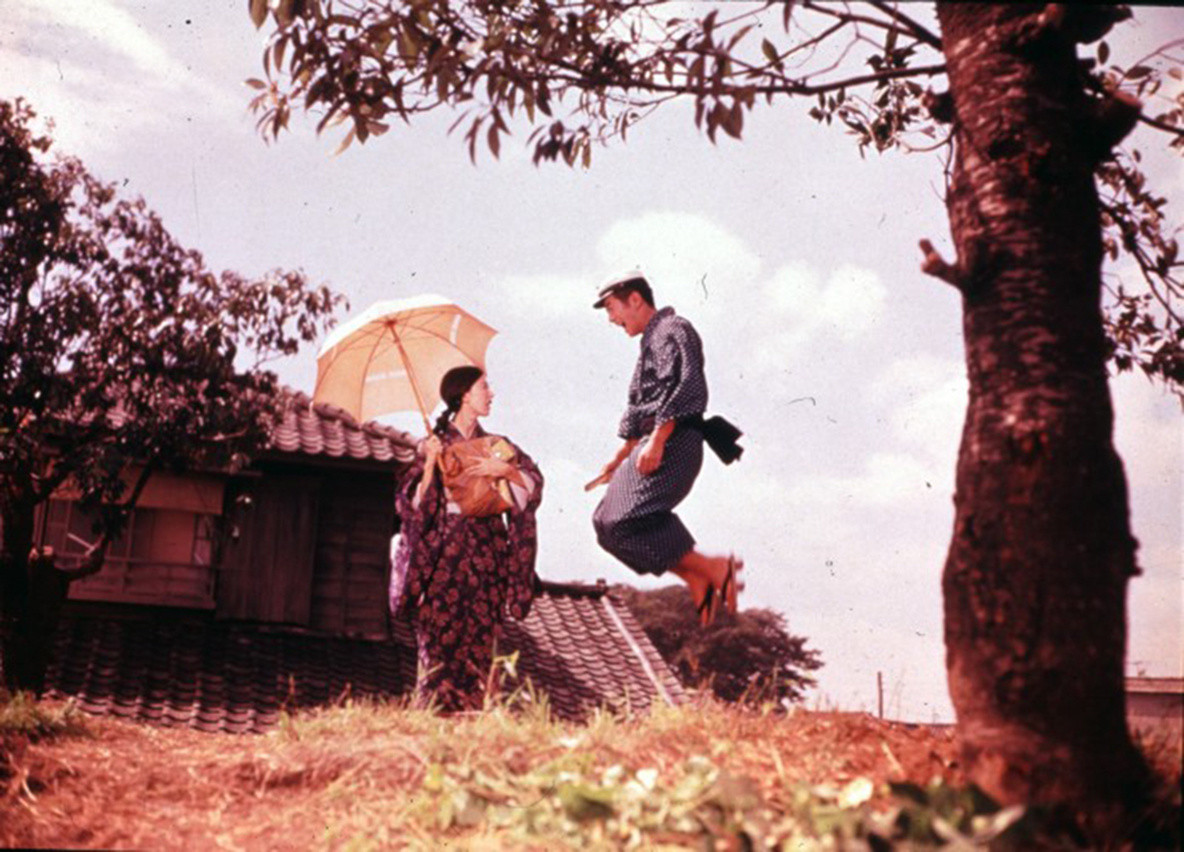
Ichikawa’s filmography is imbued with a sense of versatility that few filmmakers have been able to match. While many directors are recognized for a particular style or theme, Ichikawa was a chameleon, shifting from social realism to satire, from historical drama to contemporary critique, with remarkable dexterity. His films, such as An Actor’s Revenge, often critique Traditionalist Japan, weaving narratives that underscore the conflict between tradition and modernity, individual desires and societal expectations. This recurring theme in his work reflects a society grappling with rapid changes, giving his films a timeless relevance. His movies stand out for their profound emotional depth and nuanced character development, irrespective of the genre or the subject matter he tackles.
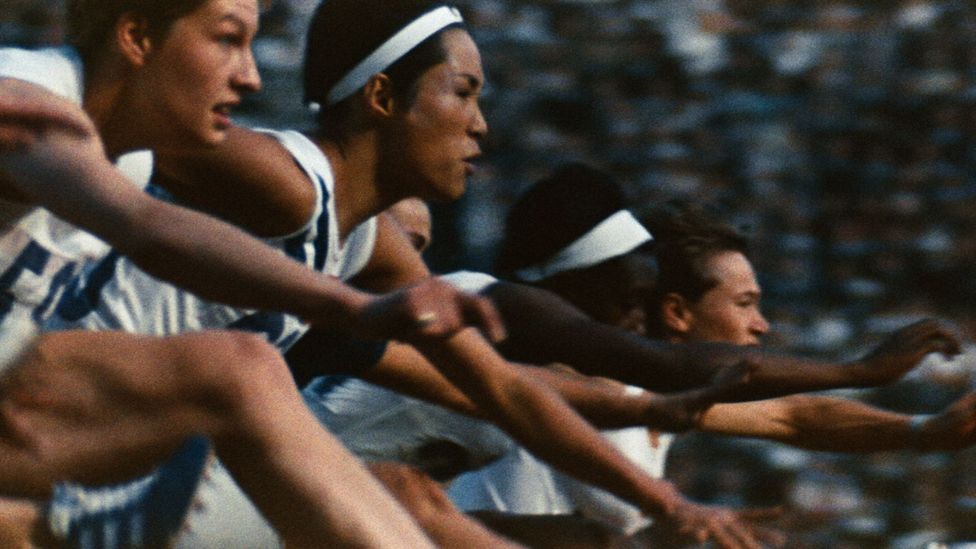
Ichikawa’s films are noted for their breathtaking composition and keen attention to detail. His work in Tokyo Olympiad presents a masterclass in documentary filmmaking, with its striking visuals, innovative camera work, and rich human interest stories. His approach to cinema was marked by an unwavering commitment to storytelling, aiming to stir the hearts of viewers while subtly challenging their perspectives. Ichikawa’s influence on cinema within and beyond Japan has been substantial, inspiring subsequent generations of filmmakers with his audacious stylistic choices and thematic depth.

Kon Ichikawa (1915 – 2008)
Calculated Films:
- The Burmese Harp (1956)
- Fires on the Plain (1959)
- An Actor’s Revenge (1963)
- Tokyo Olympiad (1965)
Similar Filmmakers
- Kihachi Okamoto
- Masaki Kobayashi
- Masahiro Shinoda
- Mikio Naruse
- Minoru Shibuya
- Nagisa Oshima
- Shohei Imamura
- Teinosuke Kinugasa
- Yasujiro Ozu
- Yasuzo Masumura
- Yoji Yamada
- Yuzo Kawashima

Kon Ichikawa’s Top 5 Films Ranked
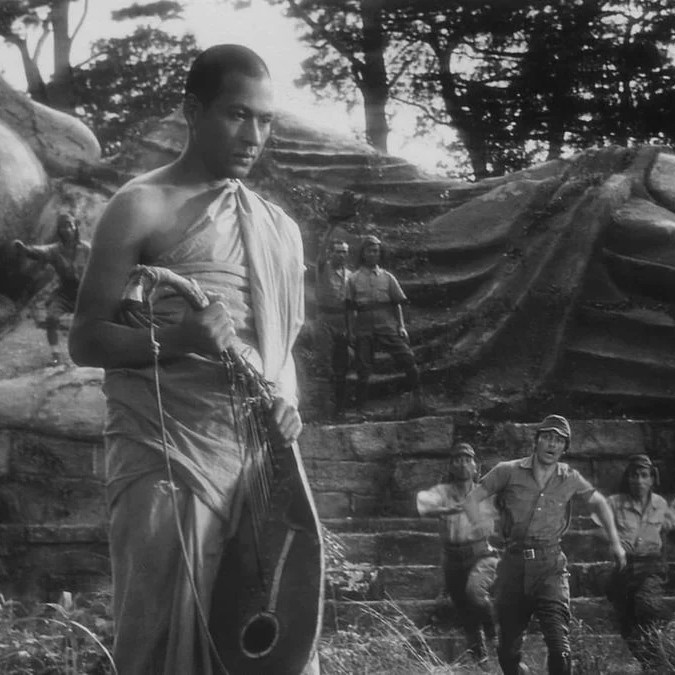
1. The Burmese Harp (1956)
Genre: War, Drama

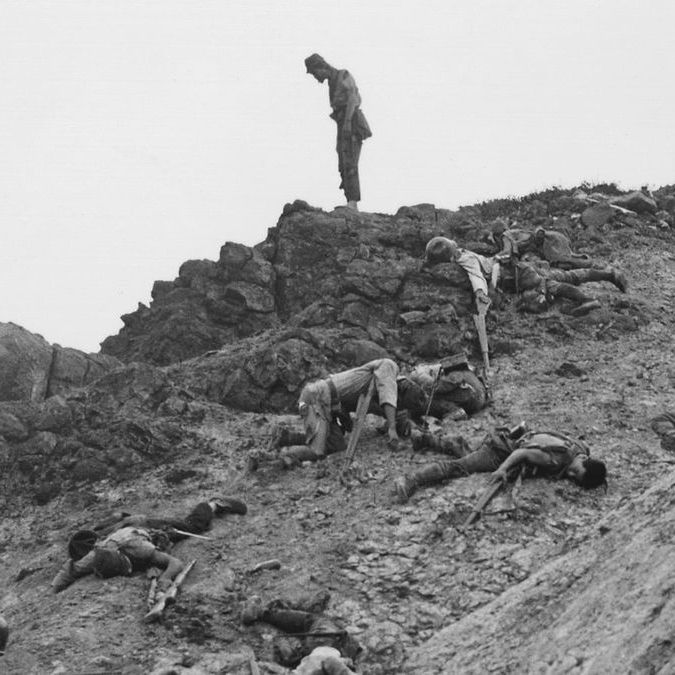
2. Fires on the Plain (1959)
Genre: War, Drama, Survival
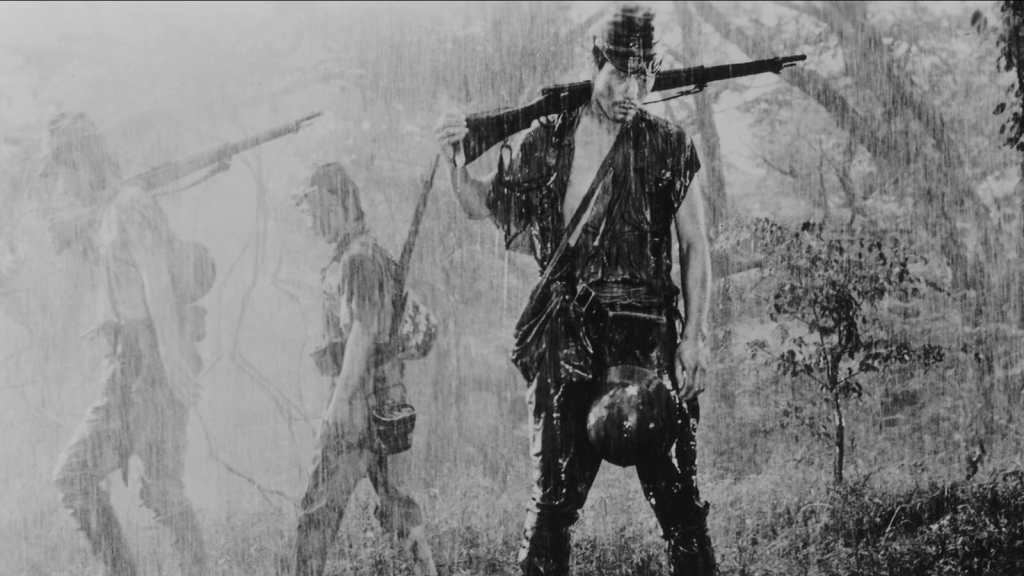
3. Tokyo Olympiad (1965)
Genre: Sports Documentary

4. An Actor’s Revenge (1963)
Genre: Jidaigeki, Melodrama

5. Conflagration (1958)
Genre: Psychological Drama, Coming-of-Age

Kon Ichikawa: Themes and Style
Themes:
- Humanism and Compassion: Ichikawa often delved deep into the human psyche, portraying the intricacies of human nature and relationships. Films like The Harp of Burma emphasised the value of empathy and understanding in the face of adversity.
- War and its Aftermath: A frequent theme in his films, like Fires on the Plain, is the exploration of war’s brutalities and its impact on individual soldiers and civilians.
- Sports and Competition: Ichikawa displayed an interest in the world of sports, using them as metaphors for broader societal themes. His documentary on the 1964 Tokyo Olympics, Tokyo Olympiad, is a significant example.
- Alienation and Loneliness: Characters in Ichikawa’s films, like Conflagration, often grapple with feelings of alienation, battling societal norms or their internal conflicts.
- Satire and Comedy: Films such as Mr Pu showcased Ichikawa’s penchant for satirical comedy, addressing societal issues with humour and wit.
Styles:
- Visual Mastery: Having started as an animator, Ichikawa’s films often exhibit exquisite attention to graphic details, with meticulous framing and compositions.
- Blending Genres: He had a unique ability to meld genres, combining drama with elements of comedy or satire to produce films that defy easy categorisation.
- Narrative Depth: While his films were visually striking, Ichikawa didn’t skimp on narrative depth. His plots were often complex, layered, and multifaceted.
- Unique Soundtracks: Ichikawa’s films, especially in collaboration with his wife, Natto Wada, often featured memorable and distinctive soundtracks that amplified the story’s emotions.
Directorial Signature:
- Character Depth: Regardless of the genre, Ichikawa’s characters were always multi-dimensional, displaying vulnerabilities, strengths, desires, and fears.
- Cinematic Ambiguity: Instead of offering clear resolutions or moral judgments, Ichikawa often left his films open-ended, allowing audiences to draw their interpretations.
- Social Critique: Beneath the surface of his diverse narratives, there was often a subtle (or overt) critique of societal norms, values, or institutions.
- Adaptation Mastery: Many of Ichikawa’s best works are adaptations of novels or plays. However, he often brought his distinct touch to these narratives, making them uniquely his own.
Kon Ichikawa – The 272nd Greatest Director

 Bronze Screen Dream