

Kōji Wakamatsu was a prolific Japanese filmmaker celebrated for his avant-garde, politically charged, and provocative films. His career, which spanned from the 1960s until his death in the early 21st century, was marked by a fearless approach to filmmaking, often delving into subjects that were considered taboo or sensitive in Japanese society. Wakamatsu gained international recognition for films such as The Embryo Hunts in Secret and Go, Go Second Time Virgin, which exemplified his unique blend of pink film—a genre of Japanese softcore erotic cinema—with avant-garde and politically charged narratives.
Wakamatsu’s career began in pink films, where he quickly established himself as a director unafraid to push boundaries. His early works were characterised by their explicit content, yet Wakamatsu set himself apart by infusing these films with deeper social and political commentary. This period of his career laid the foundation for his later, more overtly political works. The late 1960s and early 1970s represented the height of Wakamatsu’s influence, as he became increasingly involved with leftist political movements, which profoundly impacted his filmmaking. During this time, he produced the critically acclaimed United Red Army, a film that depicted the radical leftist movement in Japan. However, Wakamatsu’s career was not without its nadirs; he faced significant controversy, censorship, and legal challenges due to the explicit nature and subversive themes of his films.
Wakamatsu’s films frequently shed light on the counterculture and political radicalism of 1960s and 70s Japan, presenting a stark contrast to the conventional cinema of the time. Ecstasy of the Angels, for instance, is notable for its depiction of radical political groups and the internal conflicts they face, all set against a backdrop of explicit sexual imagery. This confluence of sex and politics is a hallmark of Wakamatsu’s cinematic style, reflecting the tumultuous zeitgeist of the era in which he worked.
The director’s approach to filmmaking is characterised by its bold visual style and a fearless engagement with controversial themes. Wakamatsu often employed a guerrilla-style filmmaking approach, working with low budgets and shooting quickly on location. This raw, unpolished aesthetic adds to the immediacy and intensity of his films, making them compelling and unsettling in equal measure. Furthermore, his work is underpinned by a deep, often critical, engagement with the social and political landscape of Japan, offering audiences a provocative insight into the tensions and conflicts of the time. This combination of explicit content, political engagement, and a distinctive visual style makes Wakamatsu’s filmography singularly unique and significant in the landscape of Japanese cinema.

Kōji Wakamatsu (1936 – 2012)
Calculated Films:
- NA
Similar Filmmakers
- Akio Jissoji
- Atsushi Yamatoya
- Hisayasu Satō
- Kazuo Hara
- Kinji Fukasaku
- Masao Adachi
- Nagisa Oshima
- Pier Paolo Pasolini
- Ryuichi Hiroki
- Seijun Suzuki
- Shohei Imamura
- Shuji Terayama
- Sion Sono
- Susumu Hani
- Takashi Ishii
- Tatsumi Kumashiro
- Toshio Matsumoto
- Yoshishige Yoshida
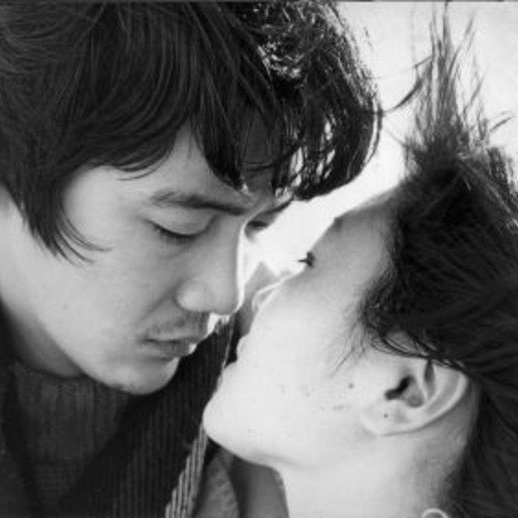

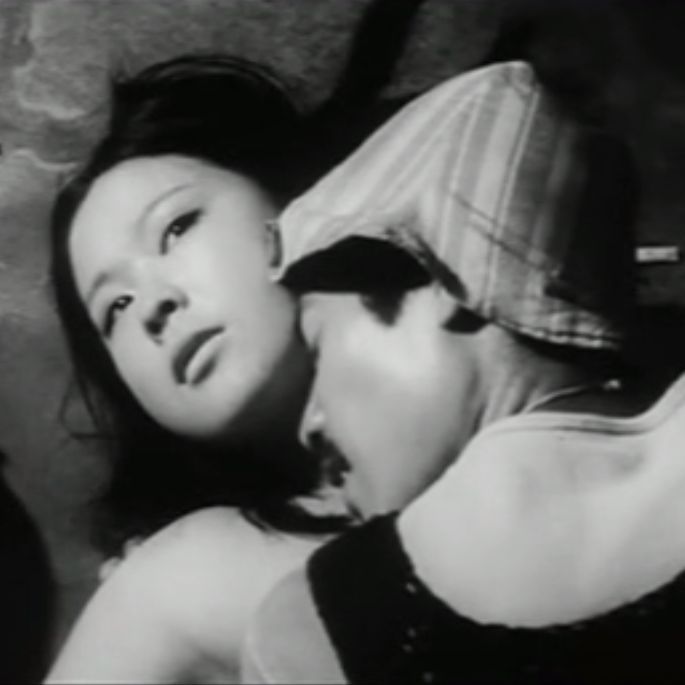
Kōji Wakamatsu’s Top 5 Films Ranked
1. Go, Go Second Time Virgin (1969)
Genre: Pink Film
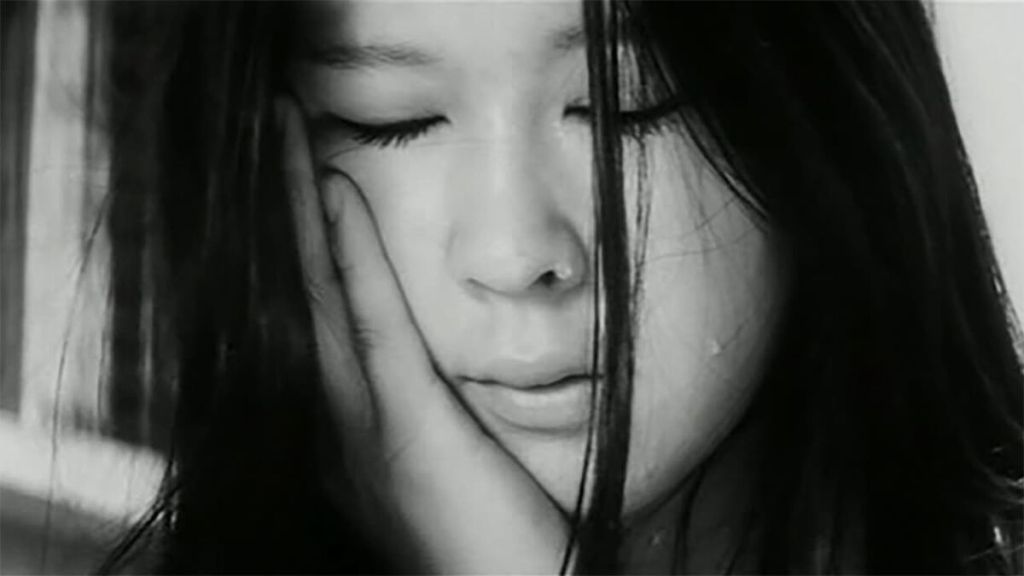
2. United Red Army (2007)
Genre: Political Drama, Period Drama

3. Violated Angels (1967)
Genre: Pink Film, Thriller, Crime

4. Ecstasy of Angels (1972)
Genre: Pink Film, Political Thriller

5. The Embryo Hunts in Secret (1966)
Genre: Erotic Thriller, Pink Film

Kōji Wakamatsu: Themes and Style
Themes:
- Political Dissidence: Wakamatsu often showcased a deep-seated scepticism toward governmental authority and societal norms. His films often represented or engaged with leftist movements and radical ideologies.
- Sexual Politics and Gender Dynamics: He explored the intricate dynamics between sex, power, and resistance. His works often highlighted the exploitative nature of societal sexual norms and the ways in which individuals navigate through them.
- Violence and Sexuality: Wakamatsu depicted sexuality and violence as deeply intertwined, with one often serving as a metaphor or catalyst for the other. There is a focus on the transformative and destructive powers of both violence and sexuality.
- Isolation and Alienation: Characters in his films often grapple with feelings of isolation and alienation, reflecting a broader societal disillusionment and existential angst.
Styles:
- Visual Aesthetic: His films often exhibited a raw, gritty aesthetic, mirroring the provocative and confrontational nature of the themes explored. He utilised unconventional and experimental cinematography techniques, contributing to a distinctive visual style.
- Narrative Structure: Wakamatsu’s narrative structures were non-linear and fragmented, demanding active engagement from the viewer to piece together the unfolding story. His films often blurred the lines between reality and fantasy, with narratives that unfolded in a dreamlike or surreal manner.
- Characterisation: Characters in Wakamatsu’s films are often complex and enigmatic, embodying the tensions and contradictions of the human condition. The viewer is frequently positioned in a way that challenges traditional sympathies or alignments with characters, fostering a space for critical reflection.
Directorial Signature:
- Provocative Content: Wakamatsu was unafraid to shock and provoke his audience, often incorporating explicit sexual content and graphic violence to challenge societal taboos and engage with controversial themes.
- Political Engagement: His films actively engaged with the political climate and social upheavals of the time, reflecting a commitment to addressing contemporary issues and tensions.
- Independent Filmmaking: Operating largely outside of the mainstream film industry, Wakamatsu’s independent approach allowed him greater creative freedom and control over his projects.
Kōji Wakamatsu – Great Director



 Bronze Screen Dream