

Kinji Fukasaku was a Japanese filmmaker celebrated for his significant contributions to the Japanese cinema landscape, with his works predominantly recognised for their grit, dynamism, and authentic portrayals of the underworld and conflict. One of his most acclaimed works, Battles Without Honour and Humanity, epitomises his innovative style and storytelling approach, offering an unvarnished view of the post-war Japanese society and the yakuza underworld.
Fukasaku’s career began in the 1960s, but it was in the 1970s that he truly made his mark with the Battles Without Honour and Humanity series. These films departed from the romanticised view of the yakuza found in earlier Japanese cinema, instead offering a gritty, realistic portrayal of life within the crime syndicates, reflecting the chaos and moral ambiguity of post-war Japan. This series established Fukasaku as a director willing to explore the darker aspects of society and human behavior. His ability to portray complex characters and morally ambiguous narratives garnered critical and commercial success, cementing his reputation.
Throughout his career, Fukasaku maintained a distinctive style, often employing handheld cameras, quick cuts, and direct addresses to the audience, which imbued his films with a sense of urgency and realism. His work in the science fiction genre, particularly with The Green Slime and, later, the cult classic Battle Royale, showcased his versatility and ability to engage with different themes and audiences. Battle Royale, released towards the end of his career, brought Fukasaku international fame, introducing his work to a new generation of film enthusiasts.
Fukasaku’s filmography is distinctly characterised by its intense, frenetic visual style and thematic depth, deeply embedded in the chaos and disillusionment of the post-war era in Japan. His works frequently explored the human condition amidst societal upheavals, utilising cinema as a lens through which audiences could navigate and understand the complexities of life and morality in tumultuous times. In films like Tora! Tora! Tora!, he seamlessly blended spectacular action with profound reflections on war, crafting narratives that were both engaging and thought-provoking.
Moreover, Fukasaku developed a reputation for his unique storytelling and directional techniques, often employing handheld camera movements to create a sense of urgency and realism in his films, a style that was quite revolutionary for his time. This method was evident in Battle Royale, where he utilised the chaotic and immersive visual approach to accentuate the movie’s disturbing, dystopian premise, thereby immersing the audience completely in the tension and unpredictability of the storyline. Furthermore, his inclination towards anti-hero protagonists and morally ambiguous characters provided a fresh, nuanced perspective on conventional storytelling, making his body of work compelling and timeless for cinephiles and casual viewers alike.

Kinji Fukasaku (1930 – 2003)
Calculated Films:
- Under the Flag of the Rising Sun (1972)
Similar Filmmakers
- Akira Kurosawa
- Buichi Saito
- Hideo Gosha
- John Woo
- Johnnie To
- Junya Satō
- Kihachi Okamoto
- Koyu Ohara
- Quentin Tarantino
- Ringo Lam
- Samuel Fuller
- Seijun Suzuki
- Shohei Imamura
- Takeshi Kitano
- Takashi Miike
- Takashi Nomura
- Teruo Ishii
- Yasuhara Hasebe


Kinji Fukasaku’s Top 5 Films Ranked
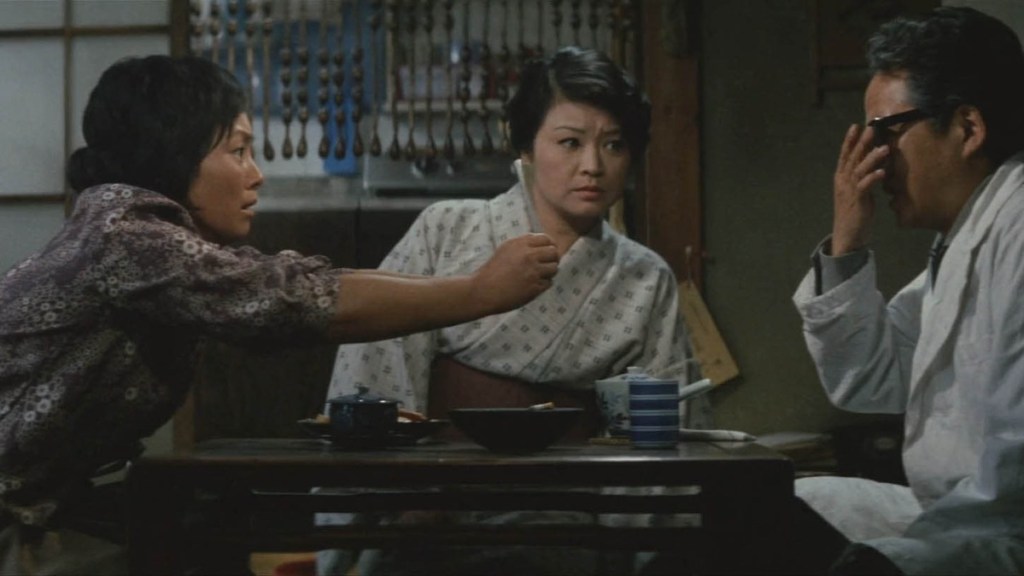
1. Under The Flag of the Rising Sun (1972)
Genre: War, Drama, Mystery
2. Battle Royale (2000)
Genre: Action, Thriller, Dystopian, Satire, Death Game

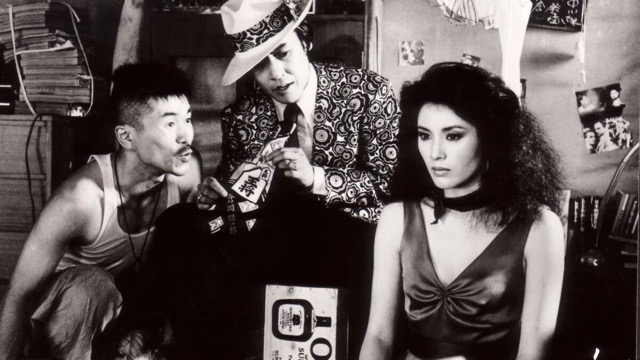
3. Black Lizard (1968)
Genre: Crime, Neo-Noir, Comedy

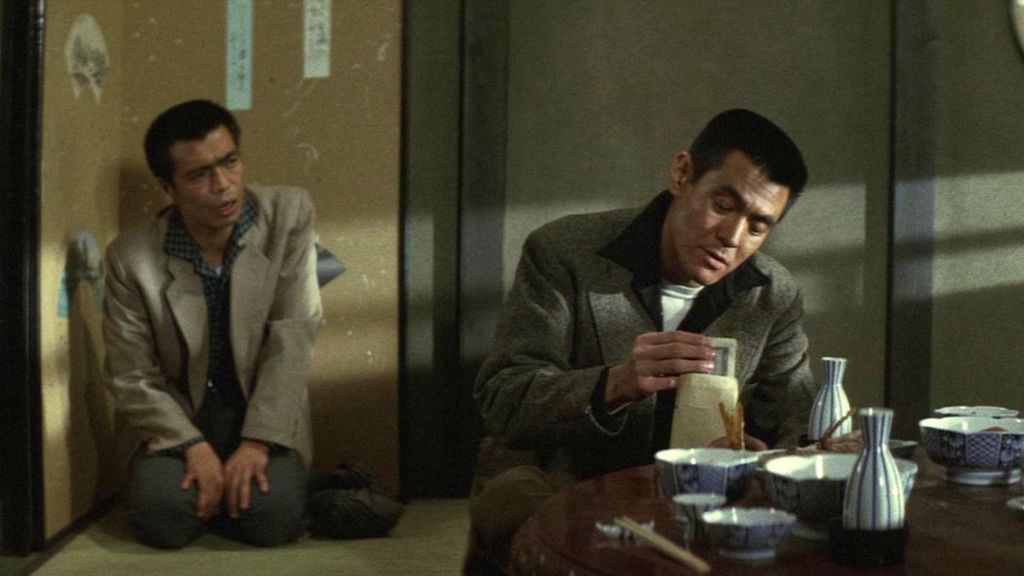
4. The Yakuza Papers 1: Battles Without Honour and Humanity (1973)
Genre: Jitsuroko eiga, Period Drama
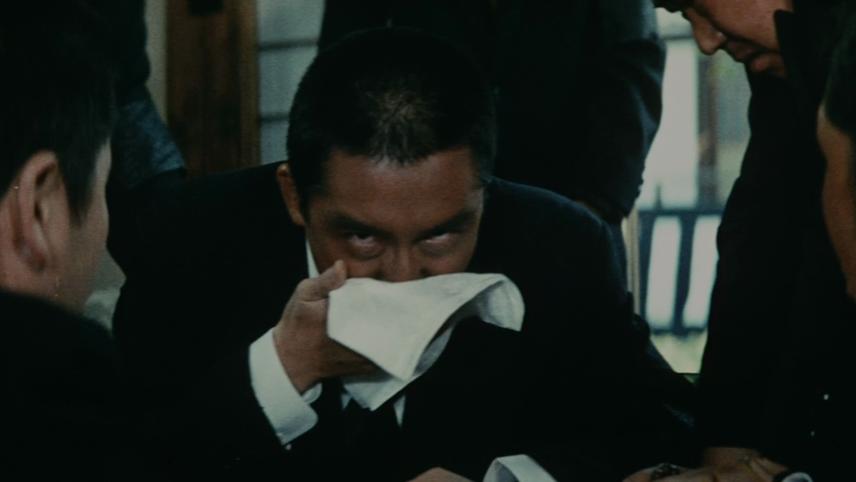
5. The Yakuza Papers 4: Police Tactics (1974)
Genre: Jitsuroko eiga
Kinji Fukasaku: Themes and Style
Themes:
- Social Criticism and Anti-Authoritarianism: Fukasaku’s works often critiqued societal structures and authoritative regimes. He portrayed the struggles of individuals against oppressive systems, highlighting the inherent corruption aGenre: Jitsuroko eigand the individual’s quest for autonomy and dignity.
- Yakuza and Crime: The Yakuza genre was a significant focus in his filmography, through which he explored the Japanese underworld. These films presented an unromanticised view of crime, where characters navigated a life of violence and moral ambiguity.
- War and its Aftermath: Having experienced World War II’s impact firsthand, Fukasaku depicted war not as a heroic endeavour but as chaotic and meaningless. He explored how war affects individuals, highlighting themes of survival, loss, and the psychological aftermath of conflict.
- Human Nature and Survival Instincts: Many of his films delve into the darker aspects of human nature, including selfishness, betrayal, and the primal instinct for survival. These themes are often explored in extreme environments, showcasing the thin line between civilisation and savagery.
Styles:
- Documentary-style Filmmaking: Fukasaku often employed handheld cameras, natural lighting, and on-location shooting to provide his films with a raw, documentary feel. This technique created a sense of immediacy and realism, immersing audiences in the story.
- Quick Editing and Dynamic Composition: His films are known for rapid editing and kinetic composition, making for a visually engaging and often disorienting experience. This style enhances the chaotic and unpredictable nature of the environments and situations depicted in his works.
- Ensemble Casts and Multi-Character Narratives: Fukasaku frequently worked with ensemble casts, crafting narratives that encompass multiple perspectives and characters. This approach allowed him to build a comprehensive view of the societies and subcultures portrayed in his films.
Directorial Signature:
- Visual Intensity: Fukasaku’s direction is marked by a heightened optical intensity, with dynamic action sequences, close-ups, and rapid cuts that convey the urgency and tension within the narrative.
- Moral Ambiguity: Characters in his films often inhabit morally grey areas, with no clear delineation between heroes and villains. This ambiguity reflects the complexity of human motivation and the difficult choices individuals make in adverse circumstances.
- Narrative Experimentation: He was not afraid to experiment with narrative structures and storytelling techniques, often using non-linear timelines, voice-over narrations, and breaking the fourth wall to create a distinctive storytelling style.
- Audience Engagement: Fukasaku aimed to provoke thought and elicit strong emotional reactions from audiences. His films often end on ambiguous or open-ended notes, prompting viewers to reflect on the themes and characters they have encountered.
Kinji Fukasaku – Great Director


 Bronze Screen Dream