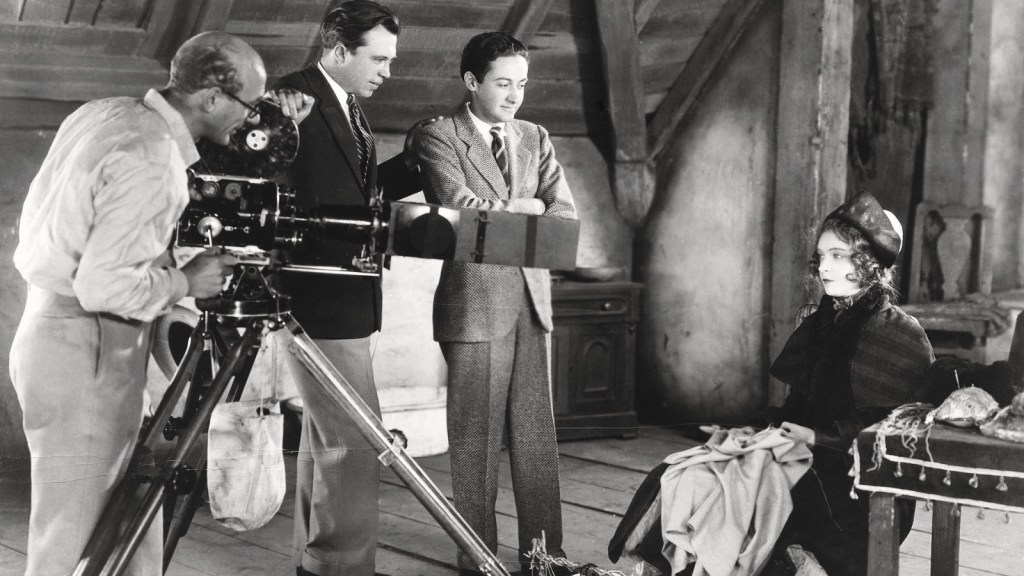
King Vidor, an American film director, is renowned for his compelling, humanistic dramas that spanned from the silent era to the golden age of Hollywood. With an expansive filmography that covers a wide array of genres, Vidor is perhaps best known for his silent film The Big Parade and the classic epic War and Peace.
Vidor’s path into filmmaking was an unconventional one. Starting his career in Hollywood as a newsreel and short film creator, he was eventually given opportunities to direct feature-length projects. In these films, Vidor demonstrated a knack for telling deeply human stories, often grounded in the struggles of everyday individuals. A recurring motif in his films is the resilience of the human spirit, illustrated by characters navigating their way through societal pressures, war, and economic hardships. His 1928 silent film The Crowd, for example, is a poignant exploration of the American dream, depicting the trials and tribulations of an ordinary man in a bustling, indifferent metropolis.
Vidor’s visual style is characterised by his dynamic and innovative use of camera movement and composition. Whether in the gritty landscapes of Duel in the Sun or the grand war scenes in War and Peace, Vidor showcased an ability to capture the grandeur of his subjects without losing sight of the human element at their core. Moreover, his ability to transition successfully from silent to sound films – evident in masterpieces such as Hallelujah! and Stella Dallas – demonstrated his versatility and adaptability as a filmmaker.
The First Great Humanist Director
His works are also notable for their social consciousness, often presenting a critical view of societal structures and norms. This was a bold approach during his time, and films like Our Daily Bread were thought-provoking critiques of the economic conditions during the Great Depression.
Vidor’s influence on cinema is significant. He is credited with elevating the director’s status in Hollywood and pushing the boundaries of what was cinematically possible. His technical innovations, humanistic approach to storytelling, and daring social themes have inspired countless directors, including Francis Ford Coppola and Martin Scorsese. Despite the fluctuating critical appraisal of his work throughout his career, Vidor’s standing as a pioneering figure in cinema remains undisputed. His influence has transcended national borders, inspiring directors worldwide and leaving his mark on film history.
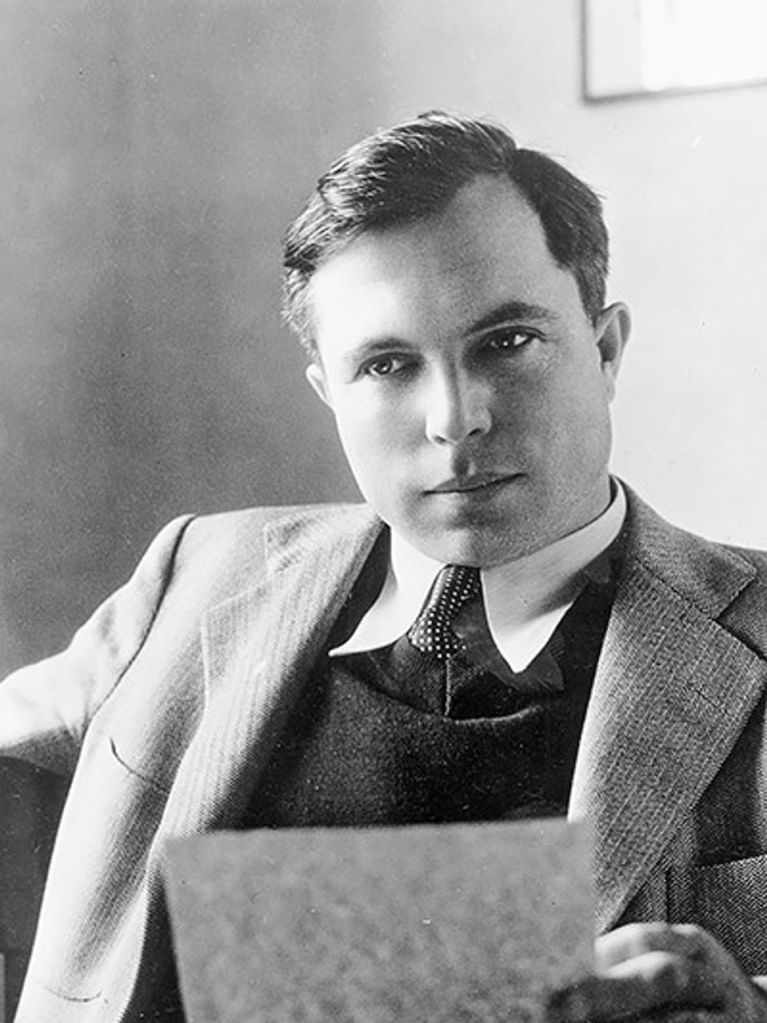
King Vidor (1894 – 1982)
Calculated Films:
- The Big Parade (1925)
- The Crowd (1928)
- Hallelujah! (1929)
- The Champ (1931)
- Street Scene (1931)
- Our Daily Bread (1934)
- Stella Dallas (1937)
- Northwest Passage (1940)
- Duel in the Sun (1946)
- The Fountainhead (1949)
- Ruby Gentry (1952)
- War and Peace (1956)
Similar Filmmakers



King Vidor’s Top 10 Films Ranked
1. The Crowd (1928)
Genre: Melodrama
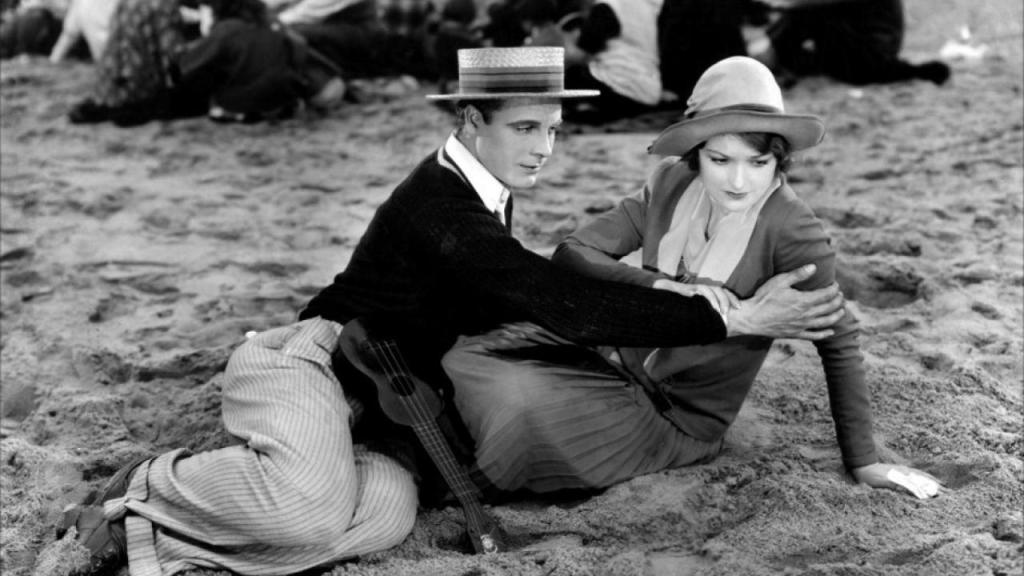
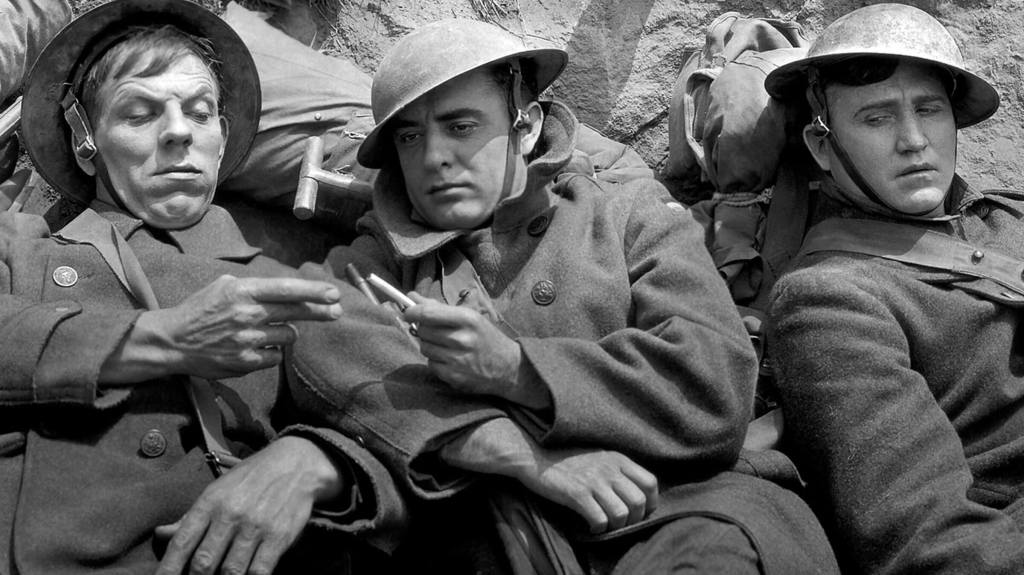
2. The Big Parade (1925)
Genre: War, Romance, Melodrama, Comedy
3. Show People (1928)
Genre: Comedy

4. Stella Dallas (1937)
Genre: Melodrama, Family Drama

5. Street Scene (1931)
Genre: Drama, Slice of Life

6. The Champ (1931)
Genre: Sports, Drama, Melodrama
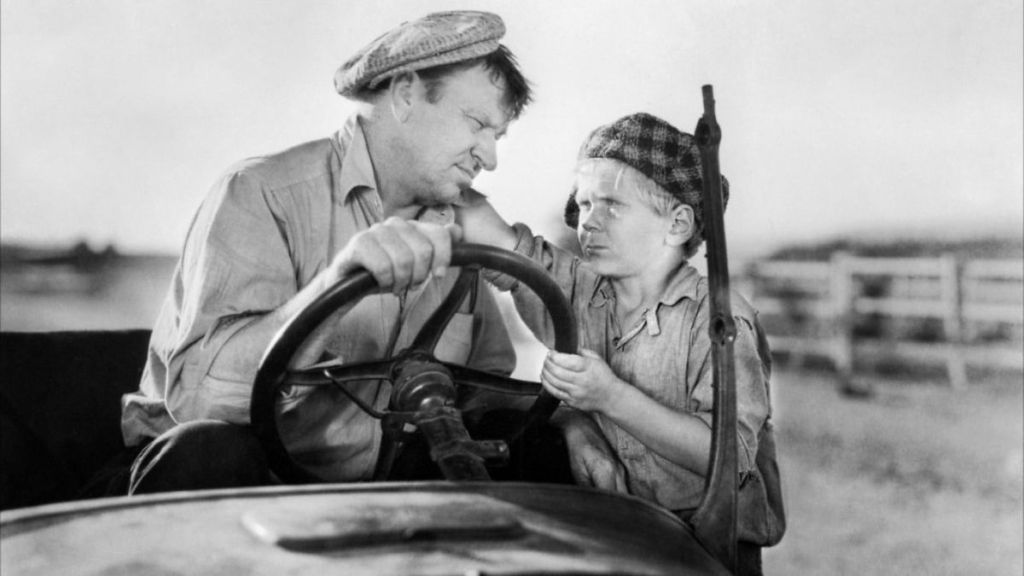
7. Our Daily Bread (1934)
Genre: Drama

8. Ruby Gentry (1952)
Genre: Melodrama

9. The Patsy (1928)
Genre: Comedy

10. Duel in the Sun (1946)
Genre: Western, Romance, Drama

King Vidor: Themes and Style
Themes:
- Human Struggle and Ambition: Many of Vidor’s films, like The Crowd and Stella Dallas, focus on the challenges faced by ordinary people as they navigate societal expectations, personal ambition, and emotional upheavals.
- War and Its Aftermath: In films like The Big Parade, Vidor delves into the harrowing experiences of soldiers during World War I and the subsequent challenges they face upon returning home.
- Racial Injustice: Hallelujah! is a significant example where Vidor portrays the African-American experience, shedding light on both societal prejudice and the internal conflicts of the characters.
- Socio-economic Disparities: Films such as Our Daily Bread touch upon the Great Depression and how people come together to survive economic hardships.
Styles:
- Innovative Storytelling: Vidor often used groundbreaking narrative techniques. For instance, The Crowd was revolutionary for its portrayal of the common man’s life in an almost documentary-like manner.
- Deep Character Exploration: Vidor’s films delve deeply into the psyche of his characters, allowing audiences to empathise with them, whether they are heroes or flawed individuals.
- Striking Visual Composition: Many scenes in Vidor’s movies, especially in Duel in the Sun, are remembered for their visually arresting frames and use of natural landscapes.
- Use of Music and Sound: In Hallelujah!, Vidor was one of the first to effectively use synchronised sound, not just for dialogue, but to enhance the emotional depth of scenes.
Directorial Signature:
- Realistic Depictions: Vidor had a penchant for showing life as it is without excessive glamorisation. This authenticity is palpable in the way he depicted war, love, and day-to-day challenges.
- Collaborative Approach: Known to work closely with his actors, Vidor encouraged improvisation and often took their feedback to shape scenes, making the performances more genuine.
- Social Commentary: Across his films, Vidor subtly and sometimes overtly commented on societal issues of his time, whether it was about the inequities of the class system or the scars left by war.
- Emotional Depth: Vidor’s films are marked by deep emotional resonance. Whether through a poignant scene or a dramatic turn of events, he made sure audiences felt the depth of human emotion.
King Vidor: The 124th Greatest Director


 Bronze Screen Dream