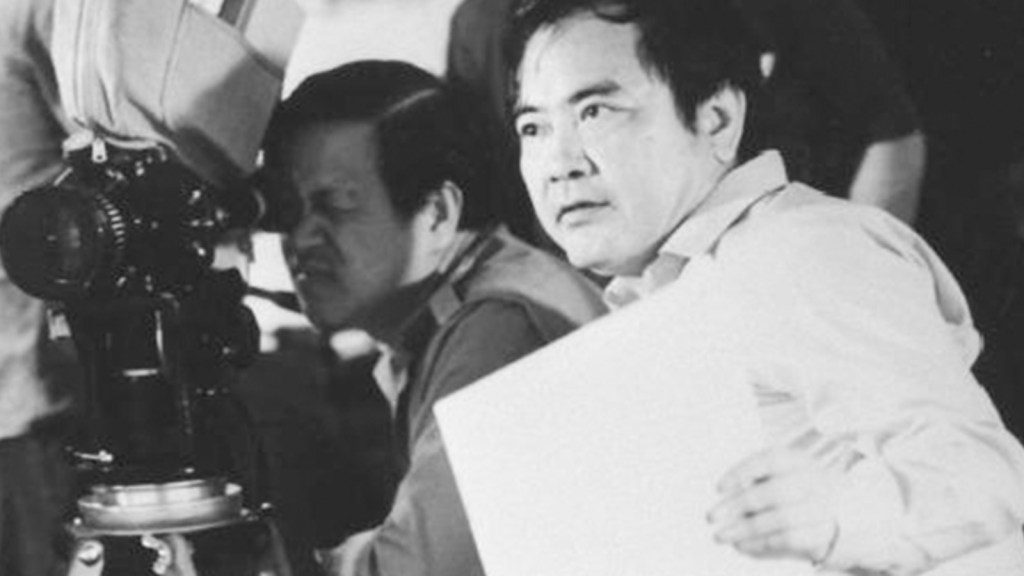
King Hu, the Hong Kong-Taiwanese film director, is a pivotal figure in Chinese cinema, best recognised for his profound influence on the wuxia genre. His renowned films, such as Come Drink With Me, Dragon Inn, and A Touch of Zen, uniquely blend action, aesthetics, and philosophy, leading to a distinctive and influential interpretation of this genre.
King Hu’s journey to filmmaking was unconventional. He began his career as a Chinese Opera actor and later transitioned to cinema, initially working as an actor and assistant director. This eclectic background deeply informed his approach to cinema, blending elements of traditional Chinese theatre, painting, and philosophy with dynamic action choreography, reinventing the wuxia genre.
Hu’s films exhibit recurring themes drawn from Chinese history, philosophy, and Buddhist concepts, infusing the wuxia genre with a deeper spiritual and moral dimension. Characters in his movies often confront moral dilemmas and existential quests, moving beyond mere swordplay to grapple with larger metaphysical issues. This is exemplified in A Touch of Zen, where martial arts conflicts are imbued with Buddhist philosophies.
Visually, Hu’s style is distinguished by a keen sense of aesthetics and composition, with his films often likened to moving Chinese paintings. He expertly uses the landscape, deploying mountains, rivers, and forests as backdrops and integral parts of the narrative. Furthermore, his innovative action choreography, involving fluid, balletic movements, raised the artistic stature of fight sequences, as evident in Come Drink With Me.
Hu’s legacy looms large over global cinema, influencing a host of filmmakers, including Ang Lee, Tsui Hark, and Quentin Tarantino. His innovative blend of physical action, philosophical depth, and aesthetic sophistication transformed the wuxia genre, shaping its contemporary evolution, as seen in films like Lee’s Crouching Tiger, Hidden Dragon. Furthermore, Hu’s works are frequently revisited and critically reappraised, cementing his reputation as a pioneering auteur in the annals of film history.

King Hu (1932 – 1997)
Calculated Films:
- Dragon Inn (1967)
- A Touch of Zen (1971)
- The Fate of Lee Khan (1973)
- Legend of the Mountain (1979)
Similar Filmmakers
- Akira Kurosawa
- Ang Lee
- Ann Hui
- Chang Cheh
- Chen Kaige
- Ching Siu-tung
- Chor Yuen
- Jia Zhangke
- John Woo
- Lau Kar-leung
- Lu Yang
- Patrick Tam
- Ringo Lam
- Sammo Hung
- Tsui Hark
- Wong Kar-wai
- Woo-ping Yuen
- Zhang Yimou


King Hu‘s Top 10 Films Ranked
1. A Touch of Zen (1971)
Genre: Wuxia

2. Dragon Inn (1967)
Genre: Wuxia

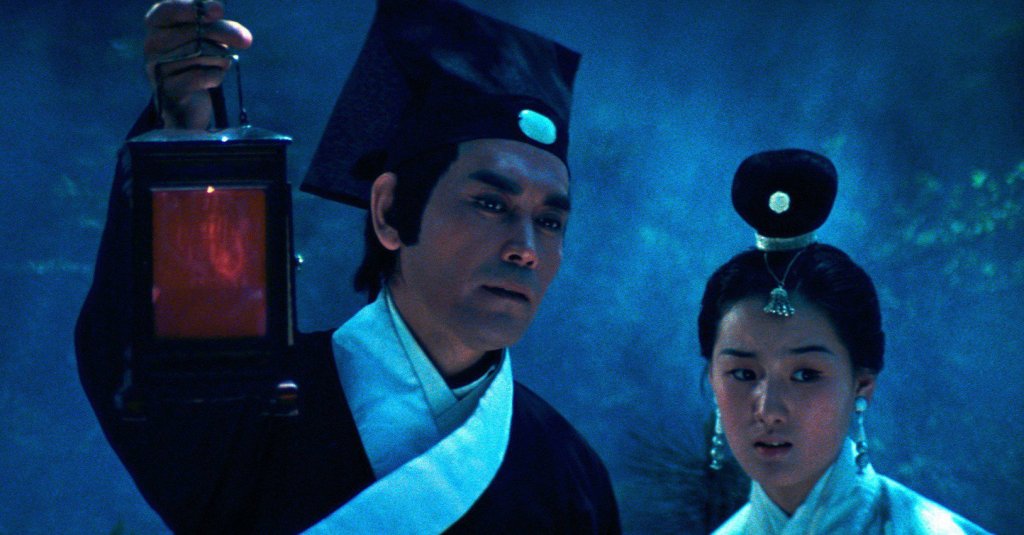
3. Legend of the Mountain (1979)
Genre: Wuxia, Mystery
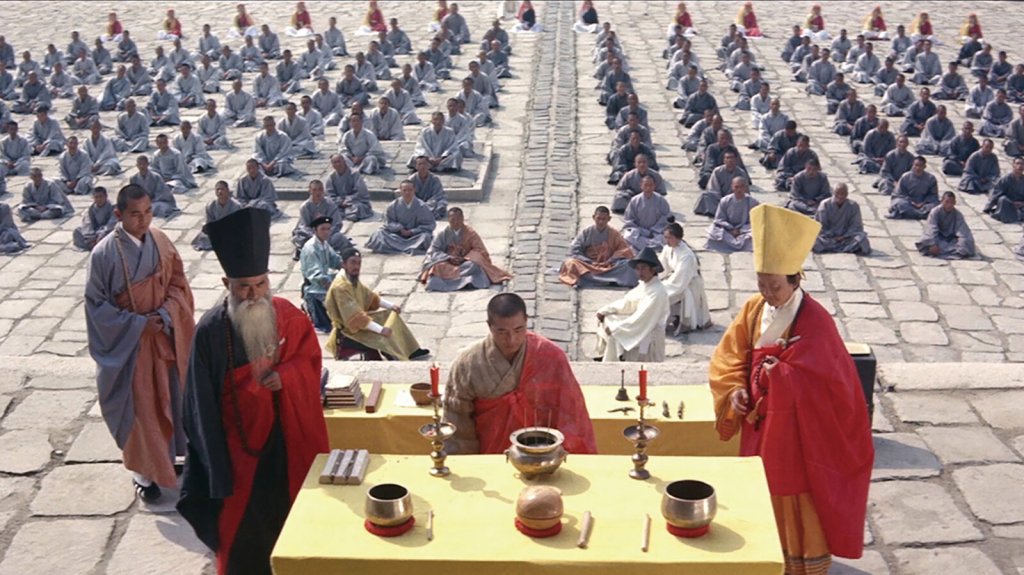
4. Raining in the Mountain (1979)
Genre: Wuxia
5. The Fate of Lee Khan (1973)
Genre: Wuxia

6. Come Drink With Me (1966)
Genre: Wuxia

7. All The King’s Men (1983)
Genre: Comedy, Period Drama

8. The Valiant Ones (1975)
Genre: Wuxia
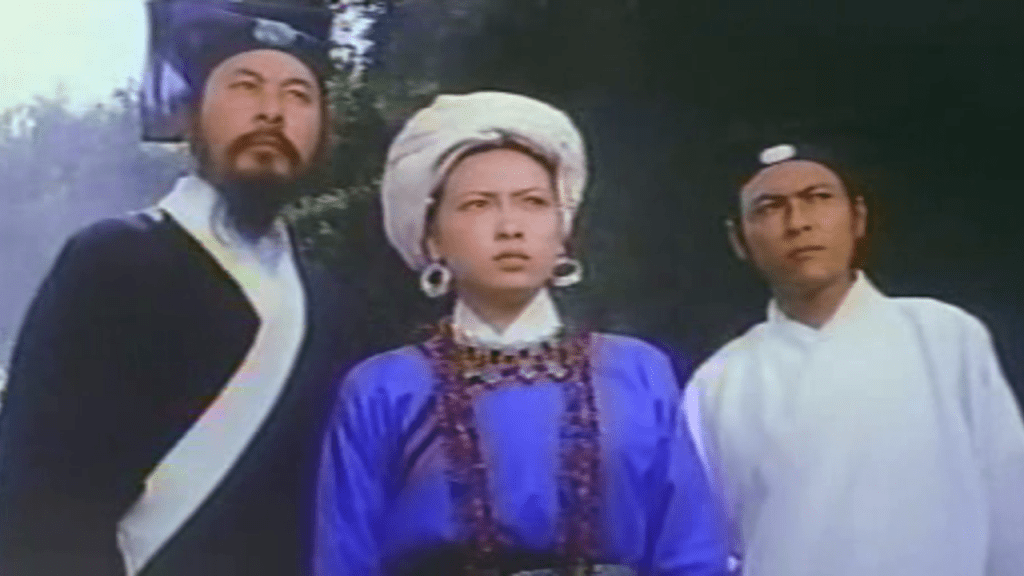
9. The Story of Sue San (1964)
Genre: Chinese Opera, Period Drama

10. Swordsman (1990)
Genre: Wuxia
King Hu: Themes and Style
Themes:
- Heroism and Honor: Many of King Hu’s characters display a moral code, emphasising honour, loyalty, and righteousness. This is embodied in the virtuous swordsmen and women who oppose corrupt or oppressive figures.
- Spirituality and Transcendence: King Hu’s films often integrate elements of Buddhism, Taoism, and Confucianism. There’s a recurrent idea that martial prowess can lead to spiritual enlightenment or that the two are intrinsically linked.
- Gender Roles: Unlike many filmmakers of his time, King Hu portrayed women as powerful, skilled warriors, challenging traditional gender norms. This is evident in films like Come Drink with Me and A Touch of Zen.
- Political Undertones: His stories often include commentary on corruption, the misuse of power, and the importance of resisting oppressive regimes.
Styles:
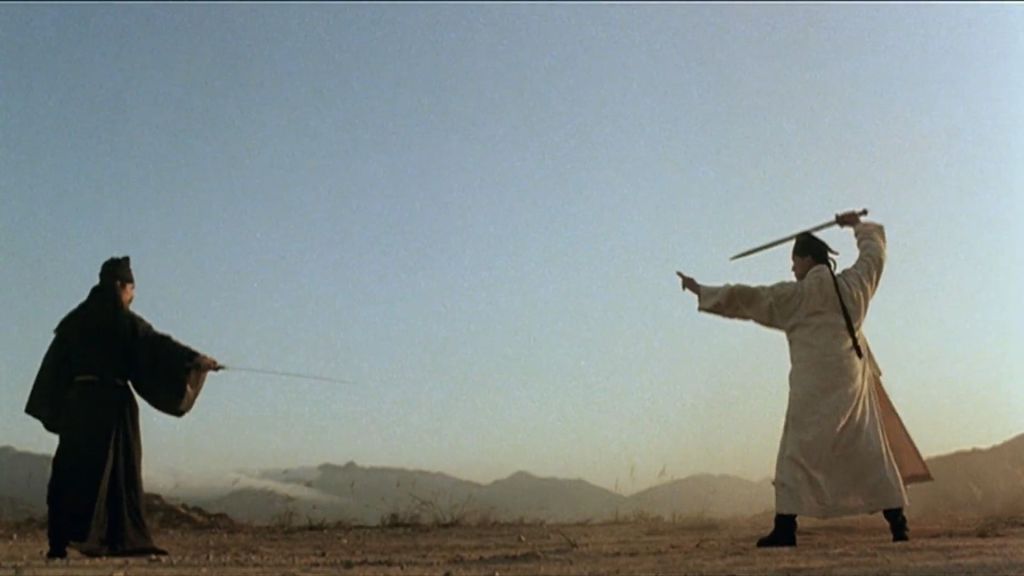
- Innovative Action Sequences: King Hu was known for his groundbreaking action choreography. He integrated the weightlessness and grace of Peking Opera into his combat scenes, giving them a dance-like quality.
- Atmospheric Settings: His films frequently use nature – mountains, forests, and water – not just as backdrops but as vital elements to the narrative. Locations are often shot in wide angles, emphasising their vastness and beauty.
- Extended Sequences: King Hu was known for long, uninterrupted takes, especially in action sequences. This style demands precision from actors and cinematographers, and the result is a fluid, immersive viewing experience.
- Symbolism: Whether through visuals, objects, or character actions, King Hu’s films are laden with symbolic elements derived from Chinese culture and philosophies.
Directorial Signature:
- Integration of Arts: One of King Hu’s standout features is the integration of various art forms into his films. This includes Chinese traditional music, opera, painting, and literature.
- Character Development: Beyond the action, King Hu took time to develop his characters, often through subtle expressions, gestures, and dialogue. This added depth makes his heroes and villains more memorable.
- Cinematic Techniques: He employed a variety of shots – from close-ups during intense dialogue to aerial shots during action sequences. His editing was dynamic, often using jump cuts to add intensity to fight scenes.
- Sound and Silence: King Hu effectively used traditional Chinese instruments to heighten emotions, but he was also unafraid of using silence, allowing viewers to absorb the gravity of a scene or the beauty of a setting.
King Hu: The 203rd Greatest Director


 Bronze Screen Dream