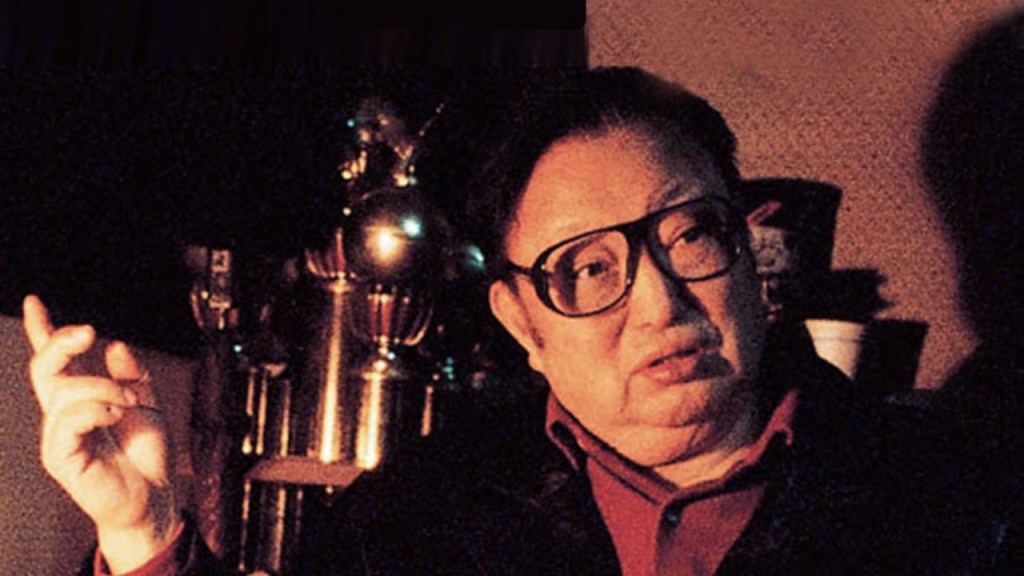
Kim Ki-young was a South Korean filmmaker celebrated for his contribution to the Korean cinema. Best known for his psychological horror and thriller films, Kim’s work often explored the dark and complex aspects of the human psyche, with The Housemaid being one of his most renowned pieces. This film, like many of his others, garnered acclaim for its intricate narrative style, memorable characters, and insightful commentary on societal issues.
Kim Ki-young’s career in film began in the 1950s, but it was in the 1960s and 1970s that his distinctive voice as a director truly emerged. The Housemaid, in particular, established him as a master of psychological drama. Despite the acclaim, Kim’s work was somewhat overshadowed by the changing tides of Korean cinema and the political climate of the time. It wasn’t until a resurgence of interest in his work in the 1990s, spurred by retrospectives and critical reevaluation, that Kim Ki-young’s profound impact on Korean cinema was fully recognised.
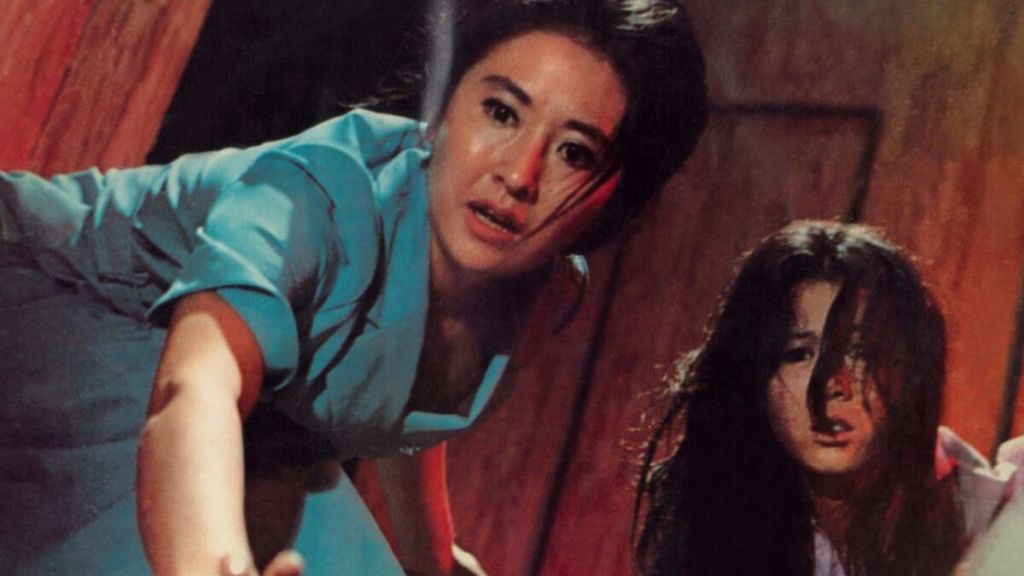
Kim Ki-young’s filmography is distinguished by its psychological depth and intensity, providing viewers with a unique and haunting cinematic experience. One of the recurring themes in his films is the conflict between traditional and modern values in Korean society. Woman of Fire, for example, echoes The Housemaid by revisiting the theme of domestic turmoil, drawing a chilling portrait of obsession and the collapse of a family unit amidst rapid modernisation. In addition, his films often highlight the tension and struggles experienced by female characters, portraying them as both victims and agents of change within a repressive social framework.
The visual style and narrative structure in Kim’s works are also noteworthy, often featuring gothic and expressionistic elements that contribute to the film’s unsettling atmosphere. Io Island exemplifies his ability to weave folklore and supernatural elements into contemporary settings, resulting in a surreal and dreamlike viewing experience. Kim’s approach to filmmaking was characterised by a combination of meticulous craftsmanship and bold experimentation, utilising innovative techniques and visual effects to enhance the storytelling and immerse audiences into the twisted and enchanting worlds he created.
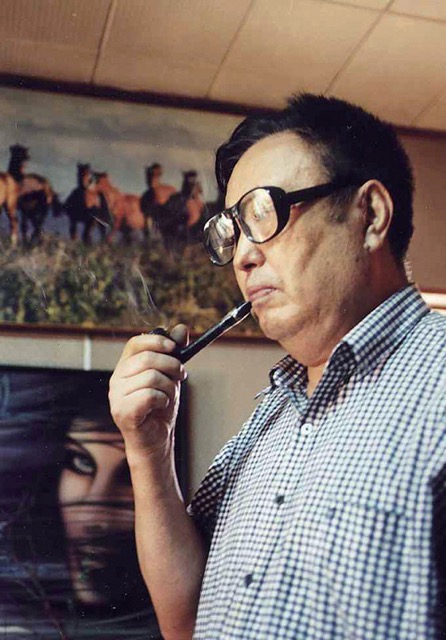
Kim Ki-young (1919 – 1998)
Calculated Films:
- NA
Similar Filmmakers
- Alfred Hitchcock
- Bong Joon-ho
- Ha Gil-jong
- Henri-Georges Clouzot
- Im Kwon-taek
- Im Sang-soo
- Jang Sun-woo
- Jeon Soo-il
- Kim Jee-woon
- Kim Ki-duk
- Kim Soo-yong
- Koji Wakamatsu
- Lee Jang-ho
- Lee Man-hee
- Luis Bunuel
- Nagisa Oshima
- Park Chan-wook
- Shin Sang-ok


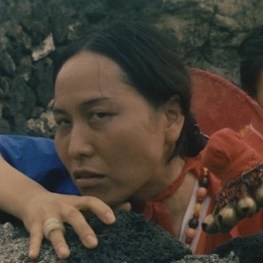
Kim Ki-young’s Top 5 Films Ranked
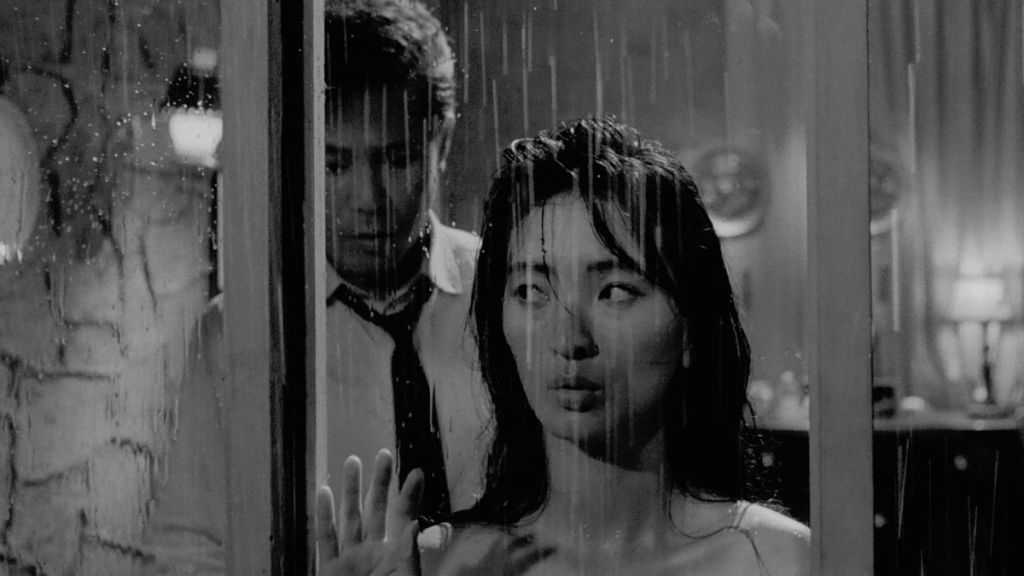
1. The Housemaid (1960)
Genre: Psychological Thriller, Melodrama
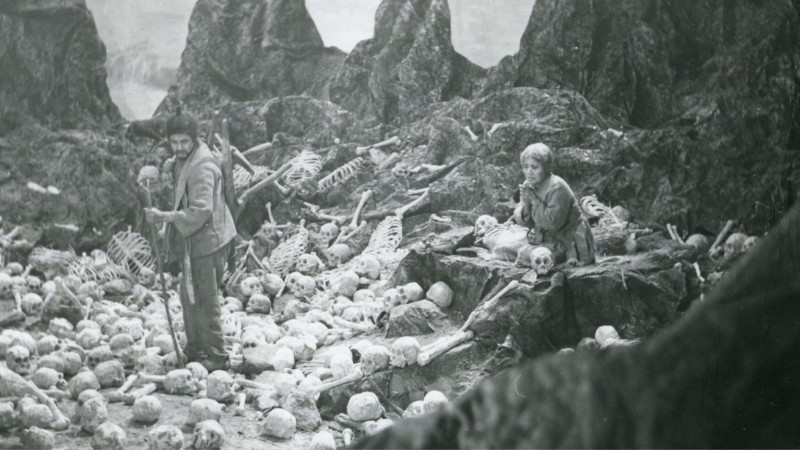
2. Goryeojang (1963)
Genre: Drama
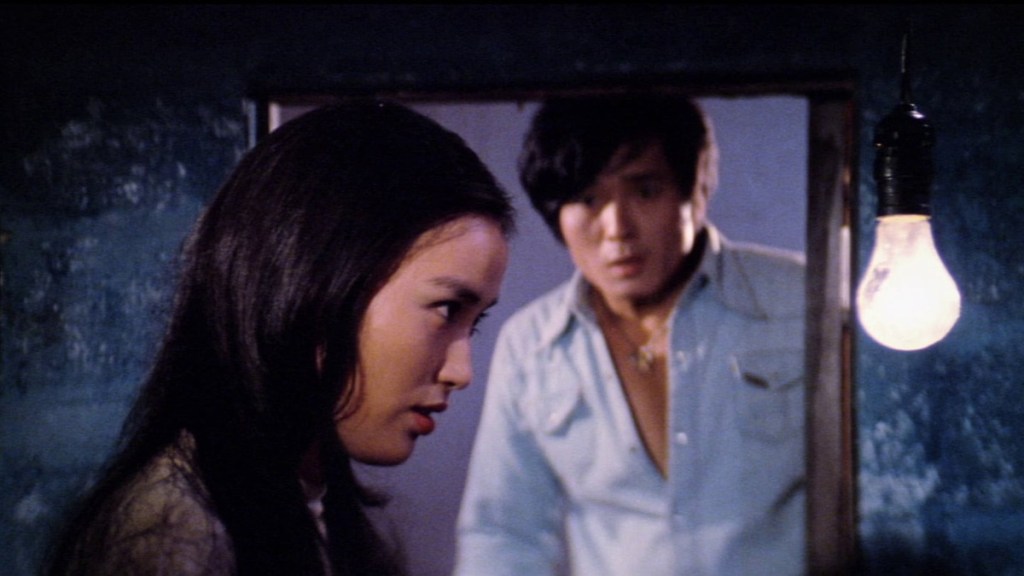
3. Killer Butterfly (1978)
Genre: Supernatural Horror, Surrealism
4. Woman of Fire (1977)
Genre: Psychological Thriller
5. Io Island (1977)
Genre: Drama, Mystery
Kim Ki-young: Themes and Style
Themes:
- Social Critique: Kim’s films often explore societal norms and critiques, especially regarding class divisions and socio-economic disparities in South Korea. He depicted the struggles and contradictions of the rapidly modernising Korean society during the 1960s and 1970s.
- Psychosexual Tensions: His work frequently delves into psychosexual dynamics and tensions, exploring desire, repression, and obsession. Films often present disturbing and intense eroticism, challenging traditional perspectives on sexuality and gender.
- Supernatural and Grotesque: Kim incorporated elements of horror, the supernatural, and the grotesque to comment on human psychology and social phenomena. These elements serve as metaphors for societal ills, personal trauma, or suppressed desires, further complicating the characters and narratives in his films.
- Feminine Psyche and Power: His films prominently feature complex female characters, often in positions of power, struggling with their identities and desires. These characters embody both vulnerability and strength, serving as commentary on women’s roles and struggles in a patriarchal society.
Styles:
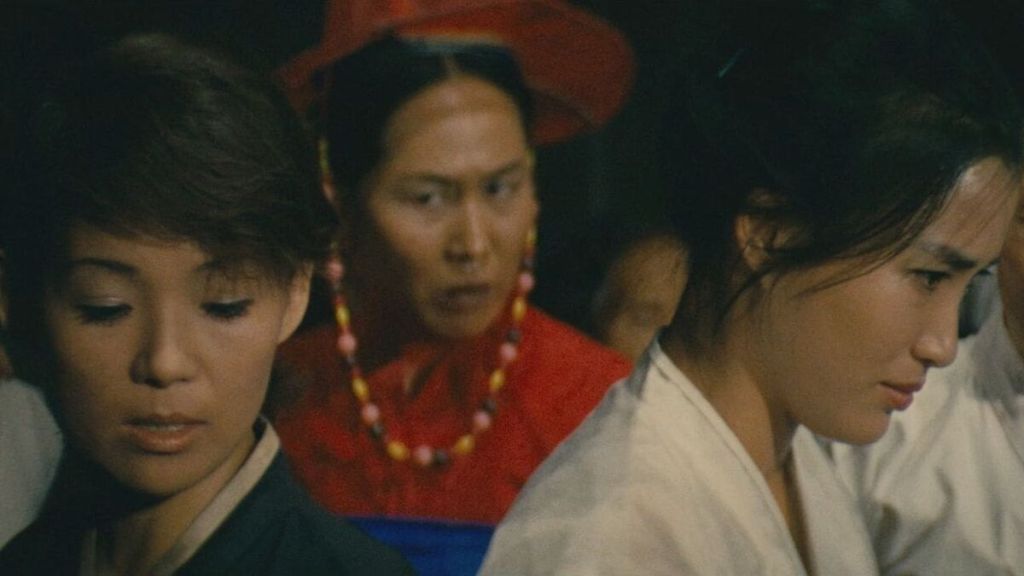
- Visual Aesthetic: Kim’s films are known for their vivid visual style, often utilising lush, vibrant colour palettes and atmospheric lighting to convey mood and emotion. The expressive cinematography heightens the surreal, dreamlike quality of his narratives, emphasising the psychological intensity of the characters and situations.
- Theatricality: He employed a distinct theatrical aesthetic in his films, drawing on his experience in theatre. This style is characterised by exaggerated acting, dramatic lighting, and staged compositions, contributing to a heightened, operatic sensibility.
- Genre Hybridity: Kim seamlessly blended different genres, such as melodrama, horror, and psychological thriller, creating films that defy easy categorisation. The amalgamation of these genres contributes to the unique, unpredictable quality of his films, providing audiences with an experience that is at once familiar and disconcerting.
Directorial Signature:
- Eccentric and Experimental: Kim Ki-young was known for his eccentric and experimental approach to filmmaking, unafraid to take risks or challenge conventional storytelling norms. His willingness to explore taboo subjects, unusual visual styles, and complex character dynamics is a hallmark of his directorial signature.
- Psychoanalytical Framework: Many of Kim’s films can be analysed through a psychoanalytical lens, with characters and narratives reflecting deep-seated fears, desires, and conflicts. The psychological depth and complexity of his films provide rich material for interpretation and analysis, revealing the director’s fascination with the human mind and behaviour.
- Symbolic Imagery: Kim often utilised symbolic imagery and metaphors in his films, enhancing the thematic depth and visual impact of his work. These symbols often relate to the characters’ psychological states, societal critiques, or the exploration of gender and sexuality.
Kim Ki-young – Great Director


 Bronze Screen Dream