

Kim Ki-duk is a South Korean film director, screenwriter, and producer known for his idiosyncratic and often controversial art-house films. He received critical acclaim for his works, including the Berlin Film Festival’s Silver Bear for Samaritan Girl and the Golden Lion at Venice for Pieta. Kim’s films are best known for their exploration of human emotions and humanity’s dark, brutal aspects, often depicted through minimal dialogue and intense visual storytelling.
Recurring themes of his filmography include existential despair, the human condition, and relationships that often border on the destructive or obsessive. His movies display a keen interest in the rawness of emotions, exemplified in films like Spring, Summer, Fall, Winter… and Spring, where the cyclical nature of life is portrayed with a deep spiritual resonance. His visual style is strikingly austere, filled with symbolic imagery and characterised by long takes, which immerse the viewer in a sensory, almost hypnotic experience. The silence in his films is often more telling than the dialogue, contributing to a unique narrative approach that is both philosophical and visceral.
Kim’s unorthodox use of violence and sexuality and a profound exploration of human nature have influenced a generation of filmmakers seeking to push boundaries. Kim’s work stands out for its audacity, creativity, and refusal to adhere to mainstream sensibilities. His movies are often polarising, leaving audiences either deeply moved or uncomfortable, reflecting his fearless and uncompromising vision.
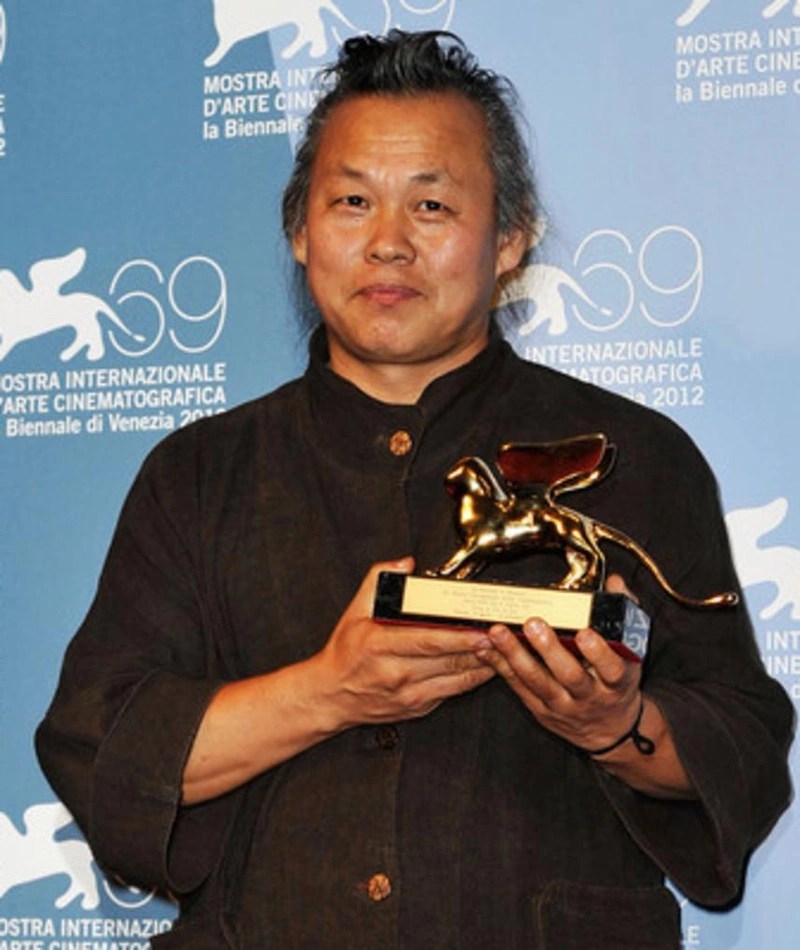
Kim Ki-duk (1960 – 2020)
Calculated Films:
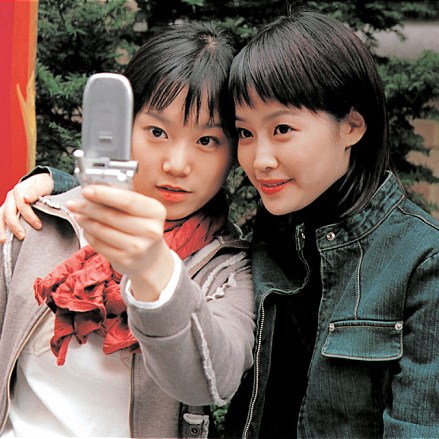
- Address Unknown (2001)
- Spring, Summer, Fall, Winter… and Spring (2003)
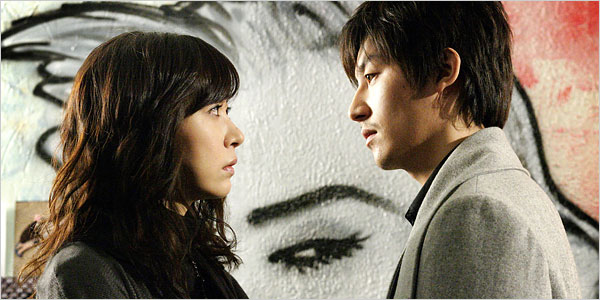
- 3-Iron (2004)
Similar Filmmakers
- Im Kwon-taek
- Jang Sun-woo
- Jeong Jae-eun
- Juhn Jai-hong
- Lars von Trier
- Lee Chang-dong
- Michael Haneke
- Na Hong-jin
- Park Chan-wook
- Pen-Ek Ratanaruang
- Tan Chui Mui
- Tsai Ming-liang


Kim Ki-duk’s Top 5 Films Ranked
1. Spring, Summer, Fall, Winter… and Spring (2003)
Genre: Drama, Coming-of-Age

2. 3-Iron (2004)
Genre: Romance, Drama

3. The Bow (2005)
Genre: Drama

4. Time (2006)
Genre: Romance, Psychological Drama

5. Samaritan Girl (2004)
Genre: Drama

Kim Ki-duk: Themes and Style
Themes:
- Human Nature and Morality: Many of Kim’s films delve into the complexities of human emotions, exploring the fine line between love and hate, innocence and cruelty. His characters often grapple with moral dilemmas, making them simultaneously sympathetic and repulsive.
- Isolation and Alienation: Whether it’s a Buddhist temple amid changing seasons or an isolated island, Kim’s characters often exist in spaces that set them apart from the larger world, emphasising their emotional and physical detachment.
- Cycle of Life: Evident in films like Spring, Summer, Fall, Winter… and Spring, Kim is fascinated by the cyclical nature of life, mistakes, redemption, and spiritual growth.
- Societal Fringes: His narratives often focus on people on the outskirts of society—prostitutes, criminals, the impoverished—shedding light on their stories and hardships.
Styles:
- Minimalist Dialogue: Kim is known for using sparse dialogue. In movies like 3-Iron, characters communicate more through actions and silences than words, making their interactions more visceral.
- Graphic Imagery: His films don’t shy away from displaying explicit scenes, whether violent or sexual. This unabashed portrayal often leaves audiences uncomfortable but is a hallmark of his style.
- Symbolism: Kim employs rich symbolism. Whether it’s animals, elements, or simple everyday objects, he uses them to convey deeper meanings and emotional states.
- Natural Settings: Many of his films leverage nature as a backdrop, not just for its visual appeal but to mirror characters’ internal emotional landscapes.
- Unconventional Plot Structures: Instead of traditional three-act structures, Kim’s stories often unfold unpredictably, mirroring the chaos and unpredictability of human emotions.
Directorial Signature:
- Character Depth: Regardless of their moral standing, Kim’s characters are profoundly layered. They’re not simply good or evil but exist in a grey zone, making them deeply human and often unpredictable.
- Visceral Emotions: His films evoke strong emotions. Whether it’s disgust, pity, horror, or serene calm, Kim ensures the audience feels something potent by the end.
- Unfiltered Narrative: Kim rarely filters or dilutes his storylines to cater to mainstream sensibilities. This means his films can be deeply unsettling, but it also means they’re authentic.
- Societal Commentary: Beneath the graphic content and emotional turmoil, Kim’s films often comment on societal issues—the challenges faced by those on the peripheries or the moral decay of modern society.
- Use of Music: Kim’s use of background scores is always intentional. He employs music sparingly but effectively, often to elevate a scene’s emotional intensity.
Kim Ki-duk – Great Director



 Bronze Screen Dream