

Kihachi Okamoto was a Japanese film director best known for his eclectic genre-blending style, which often meshed elements of action, comedy, and drama. His films, such as The Sword of Doom and Kill!, have become classics within the chambara (samurai cinema) genre, where his ability to break from tradition while preserving the soul of the genre earned him a unique spot in the world of cinema.
Okamoto’s journey in the film industry began at Toho Studios, where he initially worked as an assistant director before making his directorial debut. Over time, he developed a distinctive filmmaking style characterised by fast-paced action, intricate plots, and a cynical view of human nature. His experiences during World War II profoundly influenced his thematic focus, leading him to explore themes of war, human folly, and the absurdity of violence in films like The Human Bullet and Fort Graveyard. Okamoto’s knack for depicting the futility and irony of conflict with a satirical edge garnered him both critical and popular acclaim.
One of the most striking features of Okamoto’s direction is his ability to seamlessly interweave intense action with sharp wit and dark comedy. This skill allowed him to critique societal norms and explore deeper philosophical themes, all while providing engaging and entertaining narratives. Kill!, for instance, while being an action-packed samurai tale on the surface, serves as a satirical commentary on the samurai code and the nature of heroism. Additionally, his characters often exist within moral grey areas, challenging traditional notions of good and evil, a quality particularly evident in The Sword of Doom, where the line between the protagonist and the antagonist becomes blurred.
Visually, Okamoto had a penchant for dynamic framing and innovative editing techniques, elevating action sequences into artful, rhythmic ballets of motion and violence. His work is characterised by a mix of traditional Japanese aesthetics with more avant-garde, modernistic approaches. This blend gave his films a timeless quality, enabling them to resonate with audiences of his time and those of subsequent generations. Films like Samurai Assassin showcase his ability to juxtapose beauty with brutality.

Kihachi Okamoto (1924 – 2005)
Calculated Films:
- The Sword of Doom (1966)
Similar Filmmakers
- Akira Kurosawa
- Eiichi Kudo
- Hideo Gosha
- Hiroshi Inagaki
- Kazuo Ikehiro
- Kazuo Mori
- Kenji Misumi
- Kinji Fukasaku
- Kon Ichikawa
- Masahiro Makino
- Masahiro Shinoda
- Masaki Kobayashi
- Sadao Nakajima
- Sam Peckinpah
- Sergio Leone
- Tai Kato
- Tokuzo Tanaka
- Toshio Masuda


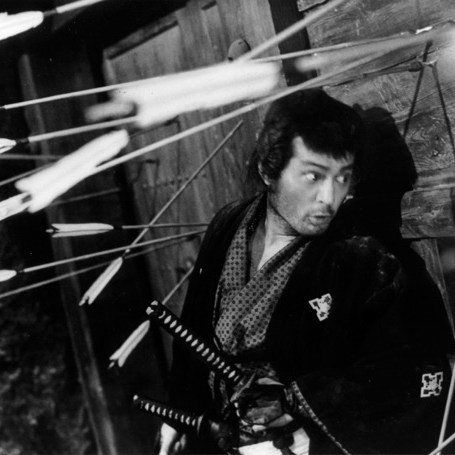
Kihachi Okamoto’s Top 5 Films Ranked
1. The Sword of Doom (1966)
Genre: Chambara, Jidaigeki

2. Samurai Assassin (1965)
Genre: Jidaigeki

3. Fort Graveyard (1965)
Genre: War, Comedy, Music, Drama

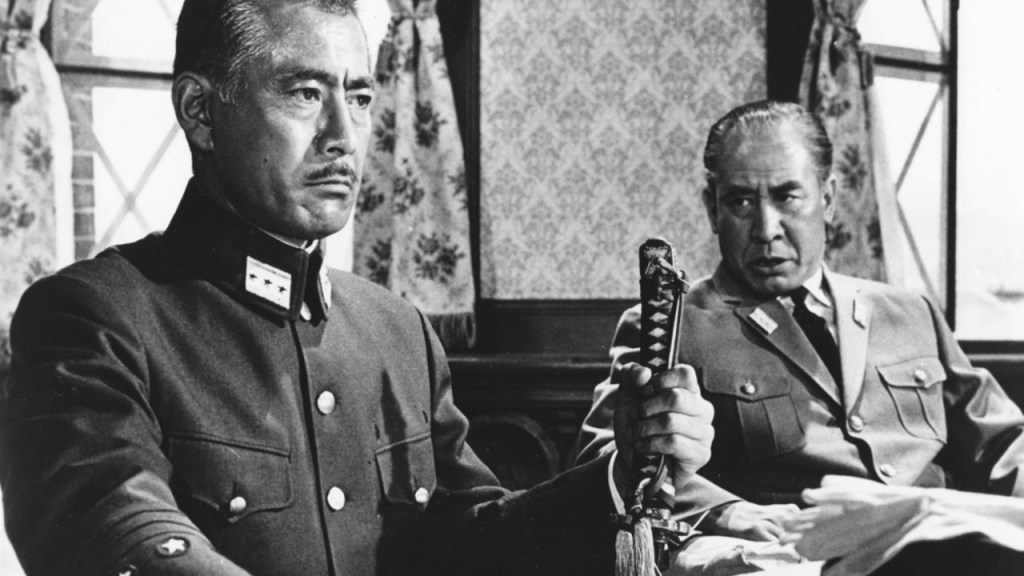
4. Japan’s Longest Day (1967)
Genre: Political Drama, War
5. Kill! (1968)
Genre: Chambara

Kihachi Okamoto: Themes and Style
Themes:
- War and Humanity: Many of Okamoto’s films delve into the absurdities and tragedies of war. Through a critical lens, he presents the horrors and consequences of conflict, particularly focusing on the experiences of Japanese soldiers.
- Satirical Undertones: Okamoto is known for embedding dark humour and satire into serious subjects, thereby adding depth and offering a unique commentary on societal issues.
- Chaos and Fate: The unpredictability of life and the inexorableness of fate are recurrent themes. His characters often find themselves at the mercy of circumstances beyond their control.
- Traditional vs. Modern: Okamoto’s work reflects the tension between traditional Japanese values and the influences of modernity.
Styles:
- Eclectic Merging: Okamoto had a talent for blending genres. While his films could be classified as samurai epics, war dramas, or yakuza films, they often defied singular categorisation, interweaving elements from multiple genres.
- Dynamic Action Sequences: His action scenes are particularly noted for their energy, choreography, and creativity. The way the action unfolds is both raw and artfully stylised.
- Visual Experimentation: Okamoto was not afraid to break conventions. He played with camera angles, editing techniques, and narrative structures to craft visually arresting films.
- Expressive Soundscapes: His films are renowned for their unique soundtracks, with the music amplifying the emotions and pace of the narrative.
Directorial Signature:
- Iconoclastic Approach: Okamoto was a maverick who often bucked trends. While he worked within established Japanese film genres, he consistently subverted their conventions, presenting familiar stories in unfamiliar ways.
- Character Depth: Despite the larger-than-life events and settings in his films, Okamoto paid close attention to the development of his characters. They were multi-faceted, with motives and emotions that felt real and relatable.
- Narrative Unpredictability: Much like life, Okamoto’s storylines rarely followed a predictable trajectory. They contained twists and surprises, capturing the randomness and unpredictability of human existence.
- Historical Context: Okamoto’s films are often deeply rooted in specific historical contexts. Whether portraying samurai-era politics or World War II tragedies, he took care to depict the era accurately while using it as a backdrop for his broader themes.
Kihachi Okamoto – Great Director


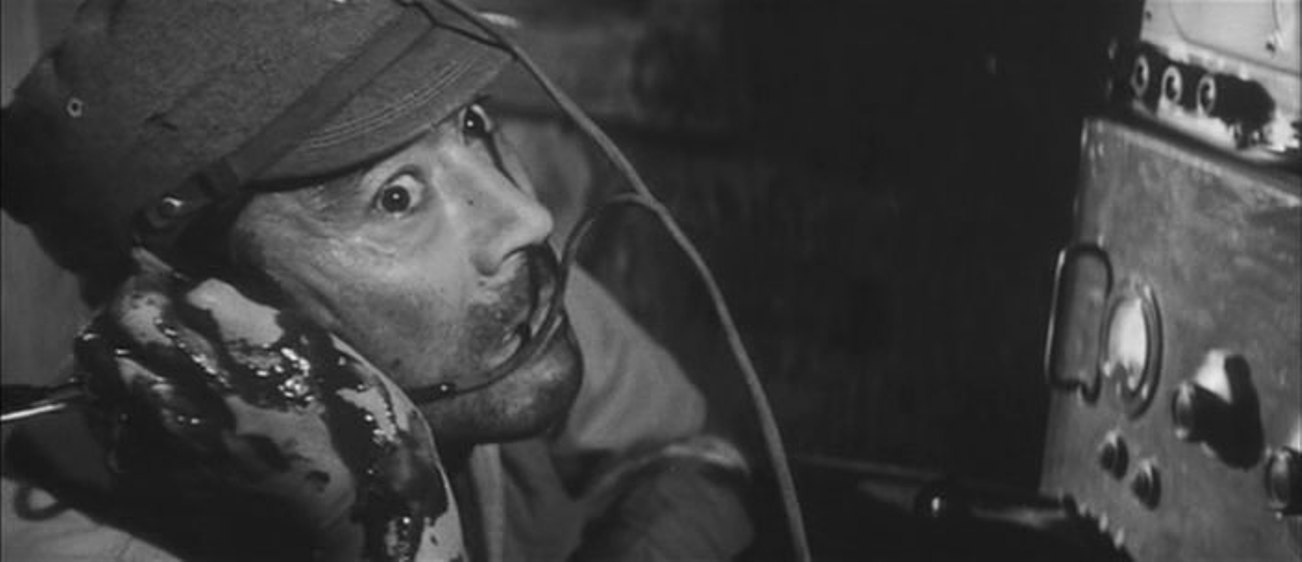

 Bronze Screen Dream