

Keisuke Kinoshita was a masterful Japanese filmmaker whose career spanned over five decades, from the early 1940s to the late 1980s. He is renowned for his diverse storytelling techniques and the wide range of genres he explored, from heartfelt dramas to satirical comedies and powerful anti-war statements. Kinoshita’s ability to blend traditional Japanese themes with innovative narrative structures made his work deeply resonant. His films, such as Twenty-Four Eyes and The Ballad of Narayama, are celebrated for their emotional depth, visual innovation, and poignant commentary on societal issues, earning him a revered place in the annals of Japanese cinema.
Kinoshita’s career began at Shochiku Studio, where he initially worked as an assistant director before making his directorial debut during World War II. This period was marked by strict censorship and propaganda-driven content, yet Kinoshita managed to navigate these constraints with films that subtly hinted at his pacifist ideals. Post-war, his career flourished as he embraced a wider array of themes and styles, reflecting the changing societal landscape of Japan. The 1950s and 60s are often considered the zenith of his career, during which he produced some of his most memorable works. Twenty-Four Eyes, a poignant tale of a schoolteacher and her students spanning several decades, showcases Kinoshita’s knack for evoking deep emotional engagement from the audience. Despite facing challenges and periods of lesser acclaim in later years, notably in the 1970s when the Japanese film industry declined, Kinoshita continued to innovate, as seen in his late career ventures into television movies.
Kinoshita’s work is noted for its compassionate approach towards the subjects and characters in his films, often focusing on the lives of common people grappling with societal challenges and moral dilemmas. A recurrent theme in his movies is the exploration of the human spirit’s resilience amidst adversity. For instance, in Twenty-Four Eyes, he tenderly chronicles the life of a schoolteacher and her students before and after World War II, emphasising the impact of war on ordinary individuals and the power of empathy and understanding in healing communal wounds. His films frequently utilise flashback techniques and non-linear storytelling to provide a fuller picture of the characters’ lives and struggles.
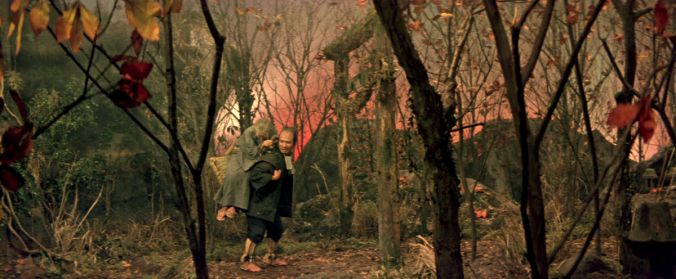
Additionally, Kinoshita’s filmography is distinguished by its innovative visual style and creative use of sound and music. His film Carmen Comes Home is widely acknowledged as Japan’s first colour film, showcasing his willingness to experiment with new technologies to enhance cinematic storytelling. Meanwhile, in The Ballad of Narayama, he employs kabuki theatre elements to craft a visually captivating and emotionally charged tale of a village’s cruel yet accepted tradition of leaving elderly citizens to die on a mountain once they reach a certain age.
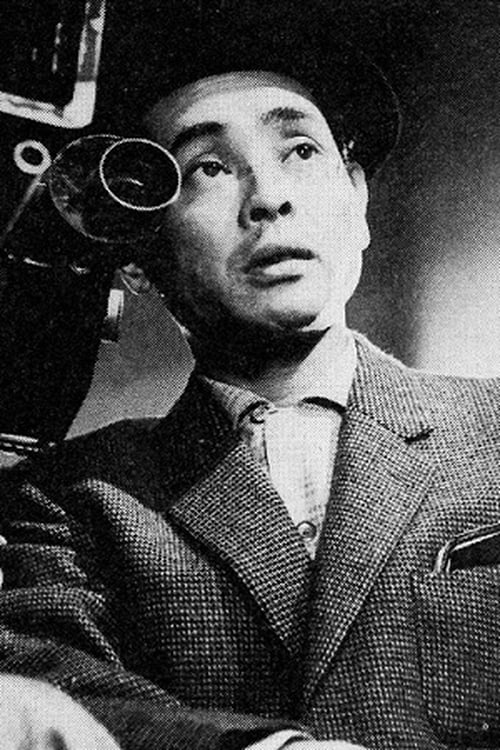
Keisuke Kinoshita (1912 – 1998)
Calculated Films:
- Twenty-Four Eyes (1954)
- The Ballad of Narayama (1958)
Similar Filmmakers
- Akira Kurosawa
- Heinosuke Gosho
- Hiroshi Shimizu
- Kenji Mizoguchi
- Kihachi Okamoto
- Kohei Oguri
- Kon Ichikawa
- Koreyoshi Kurahara
- Masaki Kobayashi
- Mikio Naruse
- Shiro Toyoda
- Shohei Imamura
- Tadashi Imai
- Tomu Uchida
- Yasujiro Ozu
- Yoji Yamada
- Yuzo Kawashima
- Zenzo Matsuyama



Keisuke Kinoshita’s Top 5 Films Ranked
1. Twenty-Four Eyes (1954)
Genre: Shōshimin-eiga, Melodrama

2. The Ballad of Narayama (1958)
Genre: Jidaigeki

3. She Was Like a Wild Chrysanthemum (1955)
Genre: Drama, Romance, Coming-of-Age

4. A Legend or Was It (1963)
Genre: Drama, Thriller

5. The River Fuefuki (1960)
Genre: Jidaigeki, War

Keisuke Kinoshita: Themes and Style
Themes:
- Humanism and Empathy: Kinoshita’s films consistently reflect a deep empathy for his characters and an intrinsic belief in human goodness. His characters often grapple with moral dilemmas and societal expectations but eventually lean towards compassion and understanding.
- War and Its Aftermath: Being a director who started his career during World War II, Kinoshita explored themes of war, its consequences on the Japanese populace, and the emotional and psychological turmoil experienced by individuals during this period.
- Women’s Lives and Struggles: His films often spotlight the lives, challenges, and inner worlds of women. Whether depicting the plights of mothers, wives, or daughters, Kinoshita showcased women as resilient and nuanced individuals.
- Social Criticism: Kinoshita wasn’t afraid to critique societal norms and institutions, often highlighting the struggles of common people against oppressive societal structures and expectations.
- Rural vs. Urban Dichotomy: Many of his works explore the tension between traditional rural life and the rapidly modernising urban society of post-war Japan, often with a nostalgic lens on the past.
Styles:
- Visual Storytelling: Kinoshita was known for his innovative and expressive use of visual elements. He employed a variety of styles, from the realist to the experimental, often within the same film, to enhance the storytelling experience.
- Theatricality: His style often incorporated elements of traditional Japanese theatre, like Kabuki and Noh, utilising their dramatic techniques and stylised performances to convey emotions and themes effectively.
- Use of Music: Music played a significant role in Kinoshita’s films. He used traditional and contemporary musical scores not just as accompaniment but as crucial elements that shaped the emotional contours of a scene or character.
- Narrative Structure: His storytelling approach is often non-linear, with frequent use of flashbacks, dream sequences, and fantasies to provide deeper insights into the characters’ psyches and the story’s thematic depth.
Directorial Signature:
- Versatility: Kinoshita was known for his versatility, moving effortlessly between genres, including drama, comedy, and fantasy, showcasing his mastery over different forms of cinematic expression.
- Character-Centric Films: His films are typically character-driven, with the narrative unfolding through the experiences, emotions, and perspectives of the protagonists. This approach allows for a deeply empathetic connection between the audience and the characters.
- Emotional Depth: Kinoshita’s works are deeply emotional and often poignant. He had a knack for exploring the emotional depths of his characters, making his films intensely relatable and moving for audiences.
Keisuke Kinoshita – Great Director



 Bronze Screen Dream