

Katsuhiro Otomo is a Japanese manga artist, screenwriter, and director widely recognised for his groundbreaking contributions to the anime industry. He is best known for his post-apocalyptic cyberpunk masterpiece, Akira, which showcased his visionary storytelling, intricate world-building, and stunning visual aesthetics. Otomo’s works often explore themes of social isolation, corruption, and the consequences of unchecked technological advancement.
Throughout his career, Otomo has demonstrated a keen eye for detail and a unique ability to blend science fiction, horror, and social commentary. His films, such as Memories and Metropolis, are characterised by their intricate plots, rich character development, and thought-provoking narratives. Otomo’s works often delve into the darker aspects of human nature, exploring the psychological toll of living in dystopian societies and the struggle for individuality in the face of oppressive systems. His visual style, marked by highly detailed backgrounds, fluid animation, and dynamic action sequences, has become a hallmark of his films, setting a new standard for the anime industry. This influence can be seen in the works of directors such as Satoshi Kon (Perfect Blue, Paprika) and Mamoru Oshii (Ghost in the Shell), who have cited Otomo as a major inspiration.
Otomo’s approach to filmmaking is meticulous and uncompromising, often pushing the boundaries of traditional anime storytelling. He is known for his ability to craft complex, multi-layered narratives that challenge viewers to think critically about the world around them. In Steamboy, Otomo explores the ethical implications of scientific progress and the responsibilities that come with great power, while in Short Peace, he masterfully weaves together four distinct stories that showcase his versatility as a director. Otomo’s influence extends to anime, with his works inspiring countless artists, filmmakers, and writers across the globe, including The Wachowski’sThe Matrix.

Katsuhiro Otomo (1954 –)
Calculated Films
- Akira (1988)
Similar Filmmakers
- Hayao Miyazaki
- Hideaki Anno
- Hiroyuki Okiura
- Hiroyuki Kitakubo
- James Cameron
- Kenji Kamiyama
- Koji Morimoto
- Makoto Shinkai
- Mamoru Oshii
- Masaaki Yuasa
- Osamu Dezaki
- Rinataro
- Satoshi Kon
- Shinichiro Watanabe
- Takeshi Koike
- Tensai Okamura
- Wachowski Siblings
- Yoshiaki Kawajiri


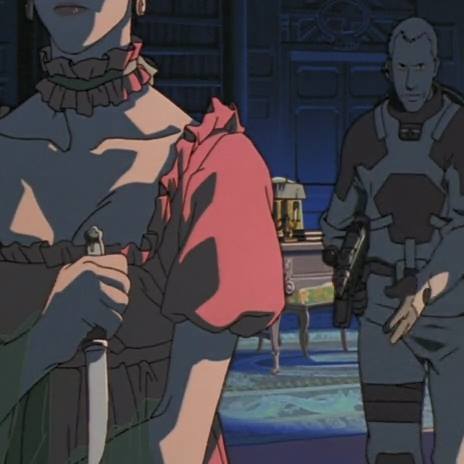
Katsuhiro Otomo’s Top 5 Films Ranked
1. Akira (1988)
Genre: Cyberpunk, Dystopian, Anime, Action
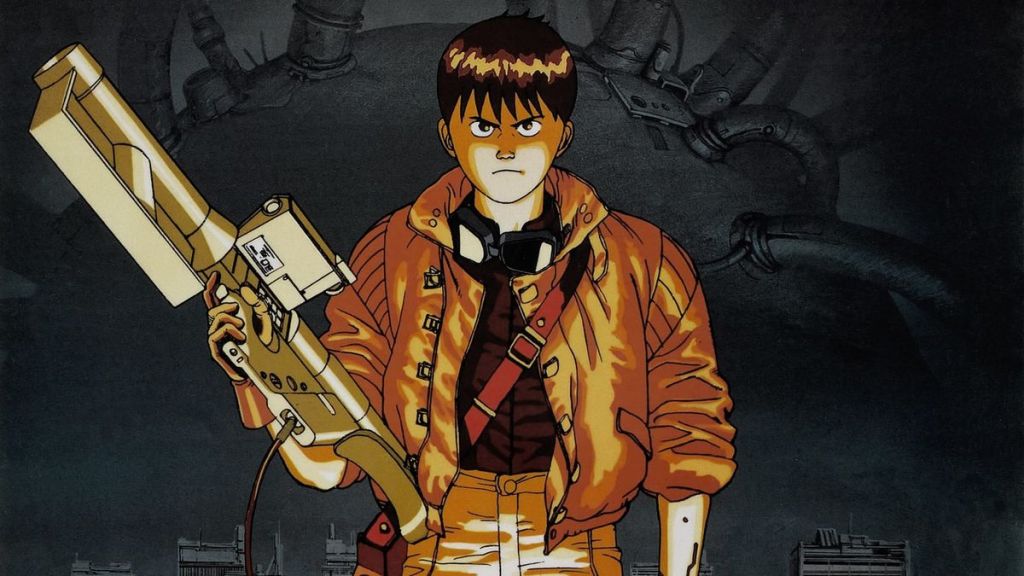
2. Memories (1995)
Genre: Anthology Film, Sci-Fi, Anime

3. Neo Tokyo (1987)
Genre: Anthology Film, Sci-Fi, Anime
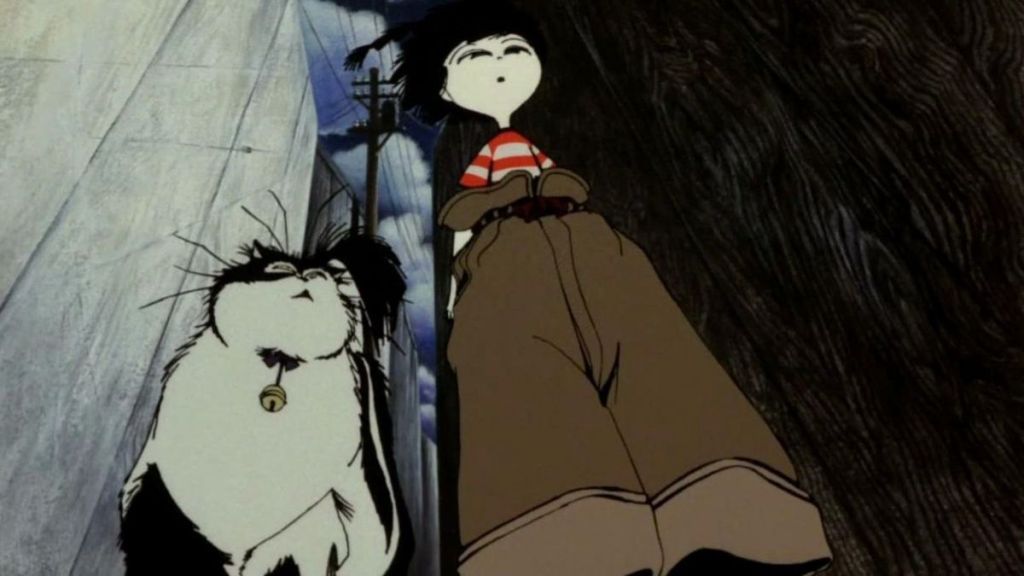
4. Robot Carnival (1987)
Genre: Anime, Anthology Film, Steampunk, Mecha, Artificial Intelligence

5. Steamboy (2004)
Genre: Steampunk, Anime, Action, Adventure, Alternate History

Katsuhiro Otomo: Themes and Style
Themes:
- Dystopian Futures and Social Commentary: Otomo frequently explores dystopian settings, as seen in Akira. These settings serve as a backdrop for broader social and political commentary, often delving into the impact of technological advancement and governmental control on society.
- Individual vs. Authority: A recurring theme in Otomo’s work is the tension between individual freedom and authoritarian regimes. His narratives often feature protagonists who challenge or rebel against oppressive systems, as exemplified in Akira and Domu: A Child’s Dream.
- Psychological Depth and Human Condition: Otomo delves deep into the psychological aspects of his characters, exploring themes of identity, existential angst, and the human condition. This is particularly evident in works like Akira, where the characters grapple with complex internal struggles.
- Technological Hubris and Its Consequences: Otomo often warns against the unchecked advancement of technology. In Akira, for instance, the misuse of scientific power leads to catastrophic events, highlighting the potential dangers of human hubris in the face of technological progress.
Styles:
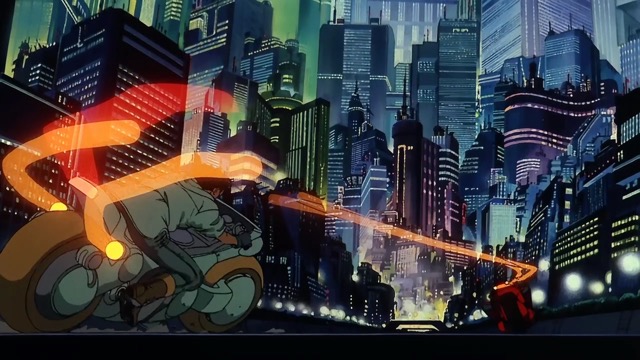
- Detailed and Realistic Artwork: Otomo’s artistic style is characterised by its meticulous detail and realism, particularly in the depiction of urban landscapes and machinery. His work in Akira showcases this through the intricately drawn Neo-Tokyo.
- Dynamic Panel Composition: His manga panels are known for their dynamic composition, often using unusual angles and perspectives to create a sense of motion and intensity, as seen in Akira and Domu: A Child’s Dream.
- Blending Traditional and Futuristic Elements: Otomo uniquely combines traditional Japanese elements with futuristic concepts. His works often juxtapose scenes of traditional Japanese life with advanced technology, creating a distinctive aesthetic.
- Vivid and Expressive Colour Palettes: In his colour works, Otomo uses a vivid and expressive palette to enhance the narrative mood and atmosphere. The colourisation in the film adaptation of Akira is a prime example, using colour to convey emotional depth and thematic elements.
Directorial Signature:
- Epic Narrative Scope: Otomo’s directorial approach often involves crafting stories with an epic scope, featuring complex narratives and a large cast of characters, as exemplified by Akira.
- Innovative Animation Techniques: As a director, Otomo has been at the forefront of using innovative animation techniques. His work in Akira revolutionised anime with its fluid motion and detailed animation.
- Integration of Music and Sound: Otomo places a strong emphasis on the integration of music and sound design in his films. The soundtrack of Akira, which blends traditional Japanese instruments with electronic music, significantly contributes to the film’s atmosphere.
- Attention to Societal Issues: A key aspect of Otomo’s directorial signature is his attention to societal issues. His films often reflect on the social, political, and ethical implications of technological and societal changes, offering a critical view of the future.
Katsuhiro Otomo – Great Director


 Bronze Screen Dream