

Kathryn Bigelow, an American filmmaker, is lauded for her exceptional contribution to genre filmmaking, with a particular penchant for action and thriller movies. Noted for her kinetic storytelling and immersive cinematic style, Bigelow has delivered a series of riveting films, from Point Break to Strange Days. Her later work, including The Hurt Locker and Zero Dark Thirty, demonstrated her adeptness in addressing political and social themes, often set against war or conflict backdrops. She notably became the first woman to win the Academy Award for Best Director, underscoring her significant impact on the industry.
Before her filmmaking career, Bigelow studied painting and conceptual art, experiences that would later inform her dynamic visual style. Her transition into the film industry was marked by a fascination with genre films, which allowed her to explore intense narratives and complex characters. Bigelow’s unique blending of genre conventions with astute social commentary set her apart from her contemporaries.
Bigelow’s directing style is characterised by an unflinching commitment to realism and intensity. Whether it’s the adrenaline-fueled bank robbery sequences in Point Break or the nerve-wracking bomb disposal scenes in The Hurt Locker, Bigelow masterfully places the audience in the thick of the action. Her collaborations with screenwriter Mark Boal, notably on The Hurt Locker and Zero Dark Thirty, produced some of her most critically acclaimed work. This successful partnership combined Boal’s journalistic attention to detail with Bigelow’s instinct for dramatic tension and visual dynamism. Amidst the high-stakes scenarios her films often present, Bigelow never allows character complexity to fall by the wayside, injecting emotional depth and human nuance into her narratives.
Bigelow’s influence on the landscape of cinema is profound. As the first woman to receive the Best Director Oscar, she shattered one of the film industry’s most notorious glass ceilings. Her work serves as a beacon for aspiring female filmmakers, while her dynamic approach to genre filmmaking continues to inspire directors of all backgrounds. Bigelow’s filmography is a testament to the transformative power of cinema, marrying intense action with significant political and social themes.

Kathryn Bigelow (1951 – -)
What Impacted Her Placement:
- Near Dark (1987)
- Point Break (1991)
- The Hurt Locker (2008)
- Zero Dark Thirty (2012)
Similar Filmmakers
- Antonie Fuqua
- Ben Affleck
- David Fincher
- J. C. Chandor
- James Cameron
- Joel Schumacher
- John McTiernan
- Karyn Kusama
- Luc Besson
- Michael Mann
- Neill Blomkamp
- Oliver Stone
- Paul Greengrass
- Peter Berg
- Renny Harlin
- Ridley Scott
- Taylor Sheridan
- Tony Scott


Kathryn Bigelow’s Films Ranked
1. The Hurt Locker (2008)
Genre: War, Thriller, Drama

2. Near Dark (1987)
Genre: Vampire, Road Movie, Horror, Neo-Western

3. Point Break (1991)
Genre: Action, Crime, Heist Film
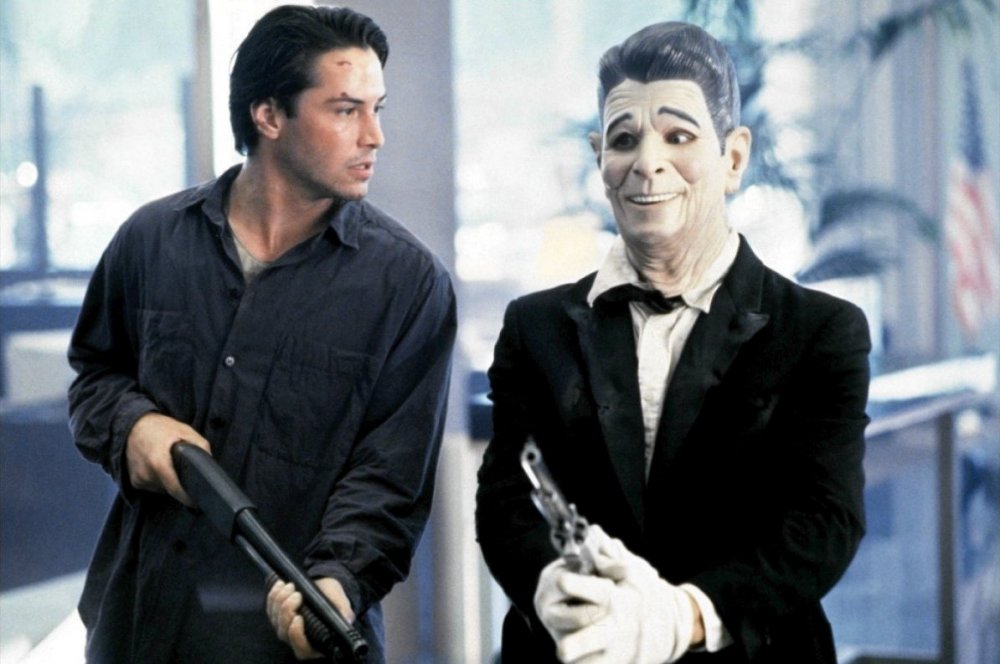
4. Detroit (2017)
Genre: Period Drama, Thriller, Crime

5. Zero Dark Thirty (2012)
Genre: Political Thriller, War
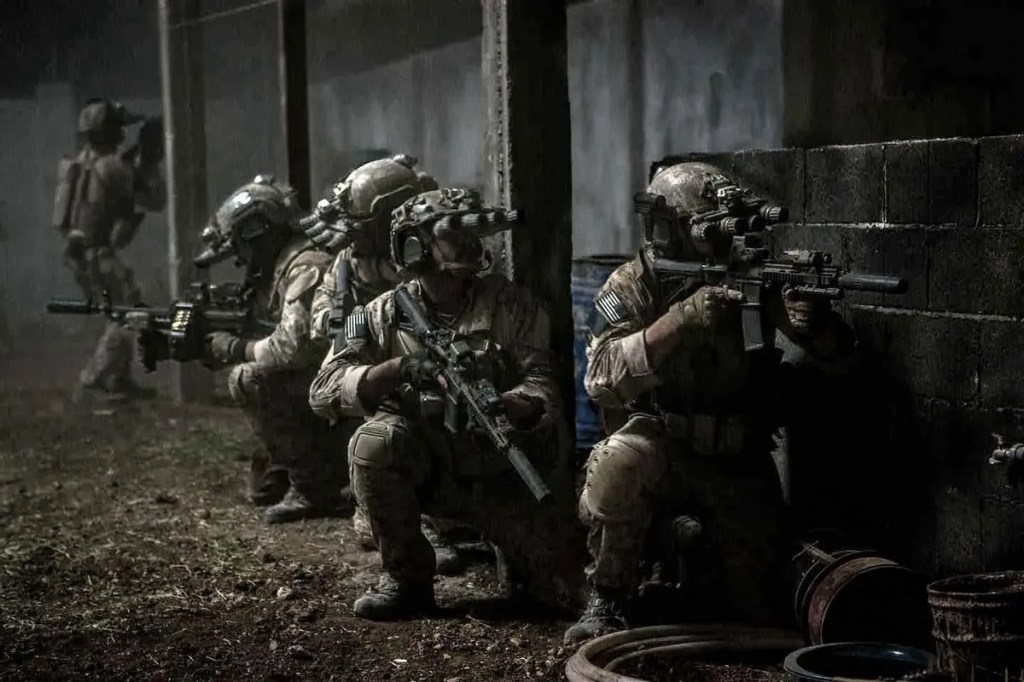
6. Strange Days (1995)
Genre: Tech-Noir, Cyberpunk, Thriller, Distopian

7. The Loveless (1981)
Genre: Drama, Bikersploitation
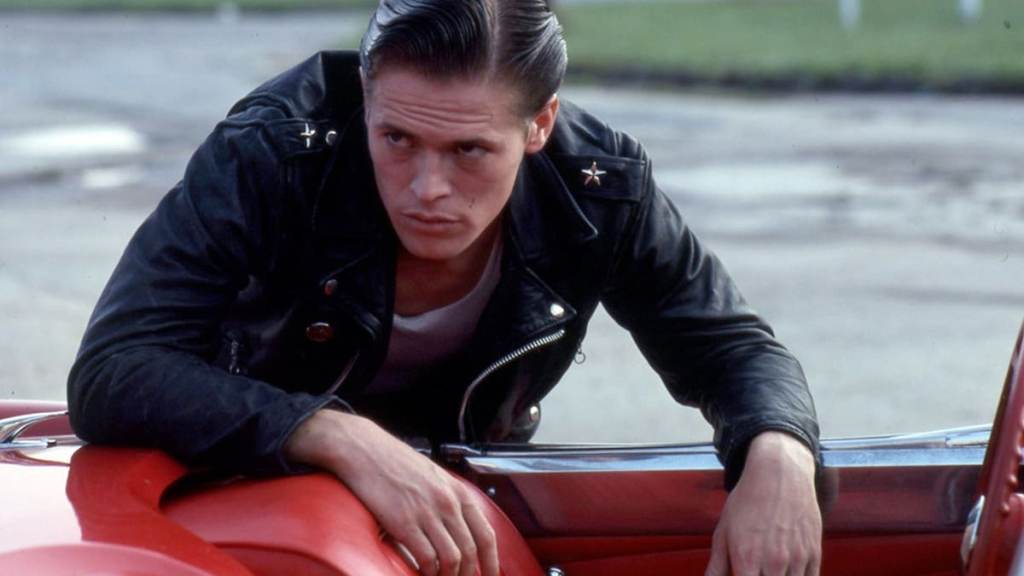
8. Blue Steel (1990)
Genre: Thriller, Crime

9. K-19: The Widowmaker (2002)
Genre: Thriller, Disaster, Period Drama

10. The Weight of Water (2000)
Genre: Drama, Mystery

Kathryn Bigelow: Themes and Style
Themes:
- War and Conflict: Many of Bigelow’s films delve into the intricacies of war, military operations, and the physical and psychological toll they take on individuals. Films such as The Hurt Locker and Zero Dark Thirty epitomise this thematic focus.
- Masculinity and Heroism: A considerable portion of Bigelow’s work delves into the exploration of masculinity, often within high-intensity, adrenaline-pumping settings, like in Point Break or K-19: The Widowmaker.
- Moral Ambiguity: Characters in Bigelow’s films often grapple with ethical decisions, showing that the line between right and wrong isn’t always clear-cut. This is particularly evident in Zero Dark Thirty, where the use of torture is a central issue.
- Isolation: Whether it’s the isolation of a bomb technician in The Hurt Locker or a vampire in Near Dark, the theme of characters grappling with loneliness or being outsiders is prevalent.
Styles:
- Intense Realism: Bigelow’s films often portray gritty and raw depictions of events. She immerses the audience in the scene, making them feel the tension and emotion of the moment.
- Dynamic Action Sequences: Bigelow is known for her adrenaline-charged action scenes, full of momentum and energy. The surf and skydiving scenes in Point Break or the intense bomb diffusion moments in The Hurt Locker are examples.
- Visceral Cinematography: The camera work in her films often adds to the immersion, with handheld shots and close-ups that put the audience right in the middle of the action or emotional moment.
- Strong Character Development: Beyond the action, Bigelow’s films often have deep character exploration, providing audiences with well-rounded, flawed, and relatable characters.
Directorial Signature:
- Collaboration with Mark Boal: Bigelow has repeatedly collaborated with screenwriter and journalist Mark Boal, who penned both The Hurt Locker and Zero Dark Thirty. Their partnership tends to produce films that have a mix of journalistic integrity with cinematic flare.
- Female Perspective in Male-Dominated Genres: As one of the few female directors in Hollywood who consistently works in male-dominated genres like action and war films, Bigelow offers a unique perspective. While her movies are action-packed, they often also provide a nuanced, sensitive exploration of their characters and situations.
- Immersive Environments: Whether it’s the surf culture in Point Break, the desolate, war-torn streets of Iraq in The Hurt Locker, or the underground vampire community in Near Dark, Bigelow creates a fully realised world in her films that draws viewers in.
- Complex Protagonists: Bigelow’s heroes are not one-dimensional. They grapple with personal demons, face moral dilemmas, and often tread the line between heroism and recklessness.
Kathryn Bigelow: The 242nd Greatest Director


 Bronze Screen Dream