

Karel Reisz was a Czech-born British filmmaker best known for his significant contributions to the British New Wave cinema of the late 1950s and 1960s. His films are celebrated for their social realism and keen observations on the working class in post-war Britain, with Saturday Night and Sunday Morning being a prominent example. The film garnered critical acclaim for its depiction of youthful disillusionment and rebelliousness against the establishment.
Reisz’s career in filmmaking was initially rooted in documentary work, which profoundly influenced his narrative style, infusing it with a sense of realism and authenticity. His transition from documentaries to feature films was marked by his debut feature, Saturday Night and Sunday Morning, which became a defining piece of the British New Wave, capturing the essence of working-class discontent and rebellion against societal norms. This film not only established Reisz as a formidable director but also set the tone for his future works. His career trajectory saw him navigating through various genres and styles, from the romantic turmoil depicted in Morgan: A Suitable Case for Treatment to the historical drama of The French Lieutenant’s Woman, showcasing his versatility and ability to adapt different narratives while maintaining his unique directorial voice.
Reisz’s filmography is characterised by a deep empathy for his characters, often exploring their struggles, aspirations, and resilience amidst challenging socio-economic environments. His characters are frequently depicted as gritty, authentic, and relatable individuals grappling with moral dilemmas and personal crises. For instance, The Gambler explores the psychological depths and compulsions of an individual addicted to gambling, offering a nuanced portrayal that avoids simplistic moralising. Through these intimate character studies, Reisz’s films articulate broader themes of identity, alienation, and the human condition.
His approach to filmmaking was innovative for its time, incorporating documentary-style techniques to achieve a greater sense of realism and immediacy in his narrative films. With a keen eye for detail, Reisz employed location shooting, natural lighting, and a more spontaneous, improvisational style of acting to capture the texture and rhythms of everyday life. This commitment to authenticity extended to the casting, often featuring non-professional actors or newcomers in lead roles to bring a raw, unvarnished quality to the performances.
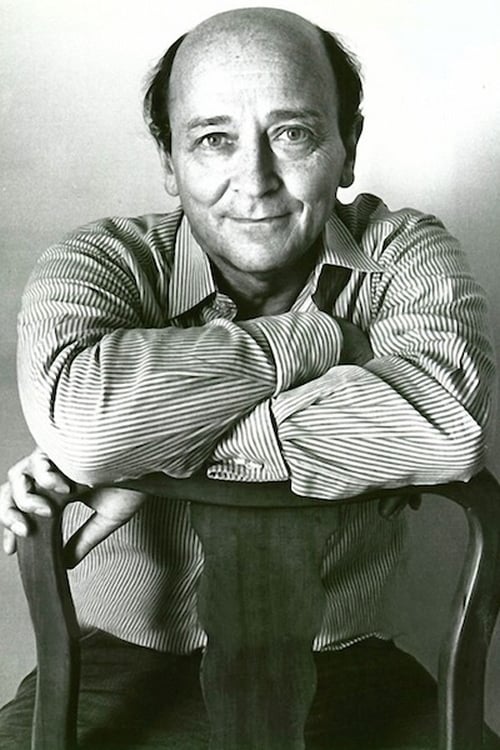
Karel Reisz (1926 – 2002)
Calculated Films:
- Saturday Night and Sunday Morning (1960)
Similar Filmmakers
- Alan Parker
- Barney Platts-Mills
- Bryan Forbes
- Frank Perry
- Fred Zinnemann
- John Boorman
- Michael Apted
- Mike Leigh
- Peter Yates
- Ralph Nelson
- Stephen Frears
- Tony Richardson



Karel Reisz’s Top 5 Films Ranked
1. Saturday Night and Sunday Morning (1960)
Genre: Kitchen Sink Realism, Drama

2. The Gambler (1974)
Genre: Psychological Drama

3. The French Lieutenant’s Woman (1981)
Genre: Romance, Period Drama

4. Sweet Dreams (1985)
Genre: Biographical, Musical, Drama

5. Who’ll Stop the Rain (1978)
Genre: Drama, Crime, Road Movie

Karel Reisz: Themes and Style
Themes:
- Human Struggle: Reisz’s films often focus on characters undergoing personal struggle and turmoil. Whether dealing with love, identity, or professional challenges, the protagonists are usually in some form of conflict, reflecting the broader human experience.
- Social Realism: He was part of the British New Wave, contributing to the social realism movement in cinema. His films often depict the lives of working-class individuals, capturing their reality with an unfiltered lens and highlighting societal structures and limitations.
- Romantic Complexity: Relationships and romantic entanglements form a significant aspect of Reisz’s storytelling. He portrays love as a complex, multifaceted emotion, often intertwined with pain, longing, and sacrifice.
- Artistic Pursuits: The theme of artistic and creative expression runs through his work, with characters often engaged in the arts or dealing with issues related to artistic identity and integrity.
Styles:
- Visual Realism: Reisz employed a style marked by visual realism. He used natural lighting, on-location shooting, and a handheld camera to create a sense of immediacy and authenticity, immersing audiences in the characters’ world.
- Character-Driven Narratives: His films are predominantly character-driven, with a strong emphasis on character development and psychological depth. The audience gets intimately acquainted with the protagonists, understanding their motivations, conflicts, and transformations.
- Narrative Complexity: Reisz’s films often incorporate non-linear narrative structures and flashback sequences. This style adds layers of complexity to the storytelling, requiring viewers to actively engage with the plot and characters.
- Subtle Cinematography: While maintaining a realistic approach, Reisz also utilised fine, artistic cinematography to enhance the emotional depth and visual appeal of his films. Carefully composed shots and thoughtful framing contribute to the films’ aesthetic and thematic resonance.
Directorial Signature:
- Authentic Performances: One of Reisz’s hallmarks is eliciting deeply authentic and compelling performances from his actors. He had a knack for guiding actors to explore and express the intricacies of their characters, resulting in memorable and believable portrayals.
- Attention to Detail: Reisz paid meticulous attention to the details within his films, from set design and costumes to the nuances of dialogue and character interaction. This careful approach added depth and richness to his movies, making them immersive experiences for the audience.
- Emotional Nuance: His directorial style is known for its emotional nuance and sensitivity. Reisz delicately balanced different tones and moods within his films, allowing audiences to experience a spectrum of emotions, from joy and love to pain and loss.
Karel Reisz – Great Director




 Bronze Screen Dream