
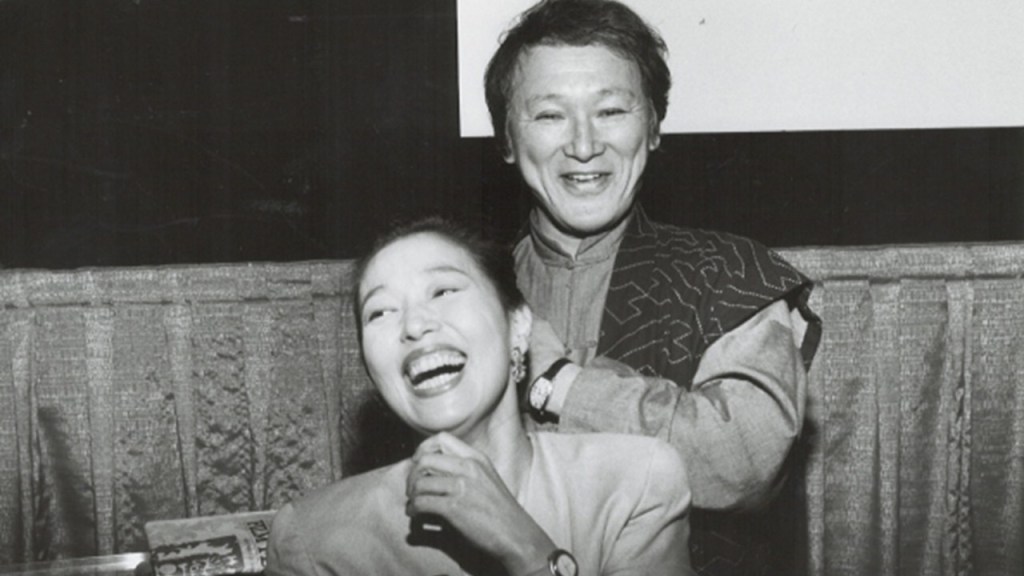
Juzo Itami was a Japanese filmmaker, actor, and screenwriter best known for his insightful and sometimes satirical depictions of contemporary Japanese society. His work, marked by a keen observation of Japanese culture and customs, resonated deeply with both domestic and international audiences. Itami is best known for films like Tampopo, a “ramen western” that explored the culinary landscape of Japan with humour and warmth, and A Taxing Woman, which delved into the complexities of the Japanese tax system and societal corruption.
Beginning as an actor, he transitioned to directing at the relatively late age of 50 with his debut film, The Funeral, which immediately established him as a director of note. This film, which humorously depicted the rituals and social intricacies surrounding a traditional Japanese funeral, set the tone for his future works. Tampopo, Itami’s second film, became an international success and is often cited as his masterpiece, illustrating his peak creative prowess. Despite facing challenges, including a controversial incident that led to a physical assault by the yakuza due to his unflattering portrayal of them in Minbo, Itami’s career never wavered. He continued to create films that were critical of Japanese society, using humour and satire as his primary tools. His ability to tackle sensitive subjects with wit and intelligence defined his career, making him one of the most significant Japanese directors of his time.
Itami’s films often weave various themes together, demonstrating a unique blend of comedy, satire, and drama to explore complex societal issues. For instance, Tampopo utilises humour and the format of a “ramen western” to delve into subjects like food, class, and the pursuit of perfection in everyday life. He is adept at crafting narratives that are both entertaining and thought-provoking, making viewers laugh while prompting them to reflect on the underlying messages being conveyed. His approach is often characterised by a keen eye for detail and a subtle yet impactful way of highlighting the intricacies of social dynamics and human relationships.
His films possess a distinctive style that seamlessly combines realism with elements of surrealism, creating an engaging cinematic experience. His movies use exaggerated visual metaphors and symbolic imagery to emphasise and complement the themes he explores. For example, in A Taxing Woman, the protagonist’s relentless and almost absurd pursuit of tax evaders is depicted with a blend of humour and gravity, mirroring the absurdities present within the bureaucratic systems and societal structures.
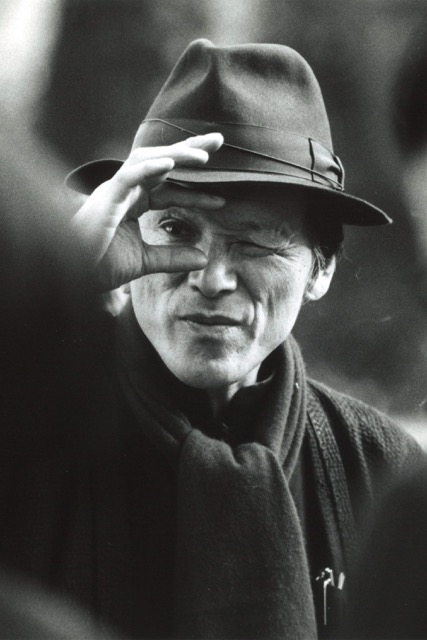
Juzo Itami (1933 – 1997)
Calculated Films:
- The Funeral (1984)
- Tampopo (1985)
- Supermarket Woman (1996)
Similar Filmmakers
- Hal Ashby
- Hirokazu Koreeda
- Hitoshi Matsumoto
- Joji Matsuoka
- Koji Fukada
- Masayuki Suo
- Nagisa Oshima
- Naoko Ogigami
- Nobuhiko Obayashi
- Robert Altman
- Satoshi Kon
- Shinobu Yaguchi
- Shohei Imamura
- Sion Sono
- Takeshi Kitano
- Yasujiro Ozu
- Yoji Yamada
- Yoshimitsu Morita

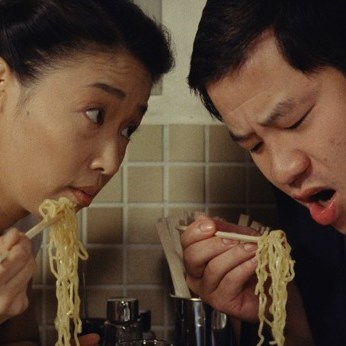

Juzo Itami’s Top 5 Films Ranked
1. Tampopo (1985)
Genre: Comedy, Food
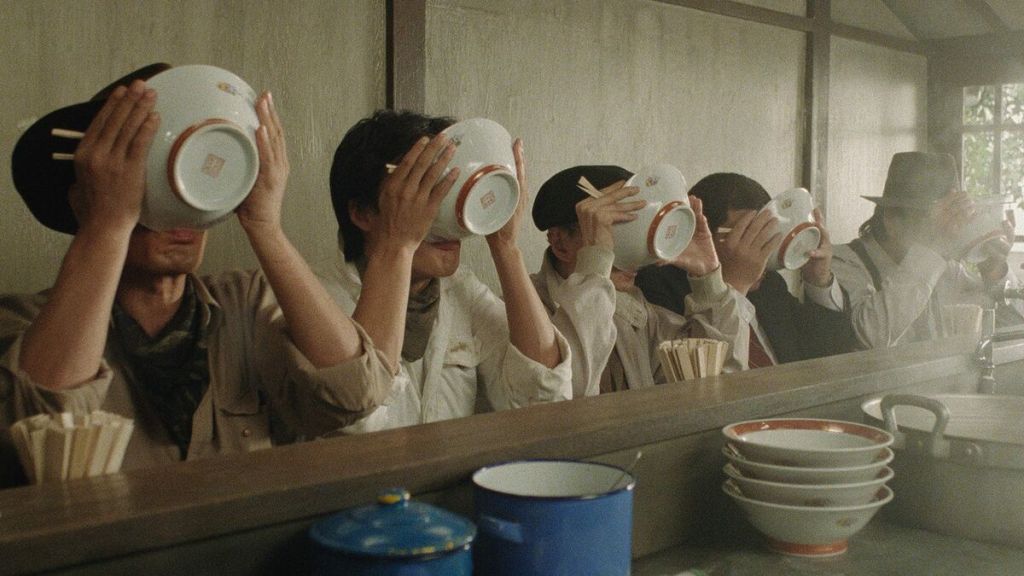
2. The Funeral (1984)
Genre: Satire, Black Comedy, Family Drama
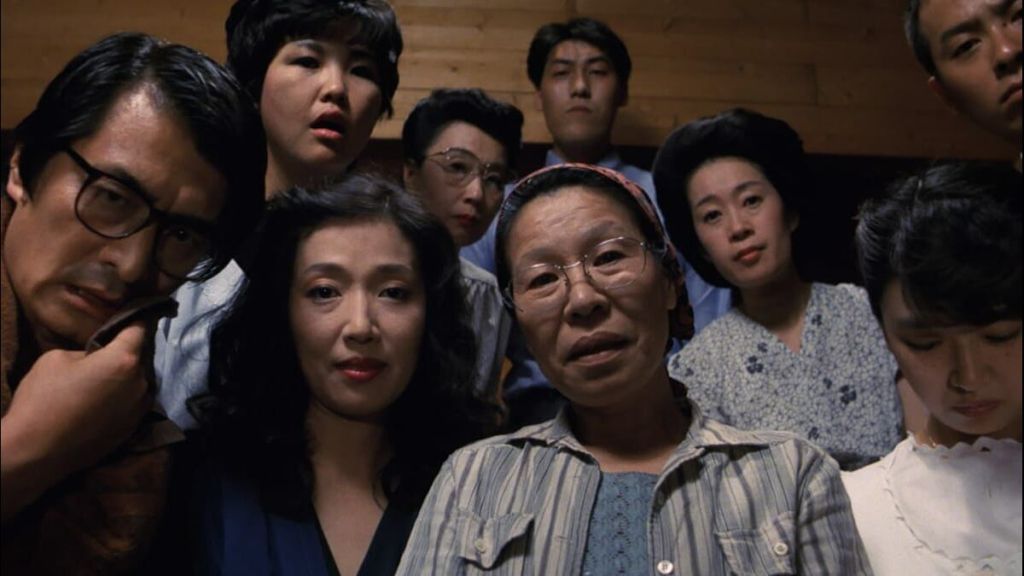
3. Supermarket Woman (1996)
Genre: Comedy, Food

4. Minbo (1992)
Genre: Yakuza eiga, Comedy, Satire
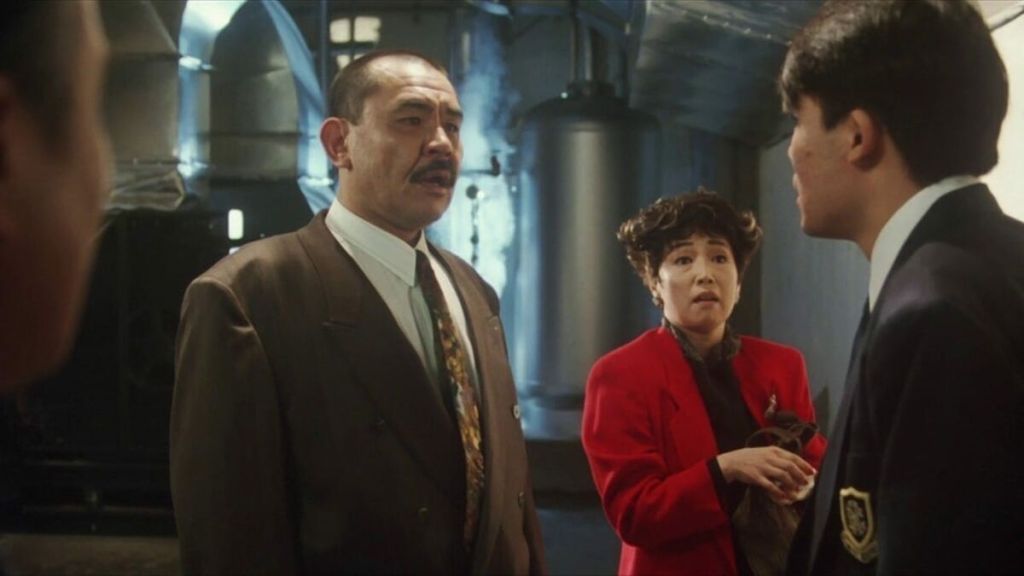
5. A Taxing Woman (1987)
Genre: Comedy, Satire, Crime

Juzo Itami: Themes and Style
Themes:
- Societal Satire: Itami’s films frequently satirised various aspects of Japanese society. From the funeral industry in The Funeral to tax evasion in A Taxing Woman and the food industry in Tampopo, Itami used humour to criticise and shed light on societal norms and issues.
- Everyday Life: Many of Itami’s films focus on the intricacies of daily life, exploring the mundane, the routine, and the commonplace, but always with a twist, bringing out the humour or absurdity in everyday situations.
- Female Empowerment: Characters in Itami’s films, like in Tampopo and A Taxing Woman, often defy traditional gender roles, presenting strong, independent, and tenacious female protagonists.
- Organised Crime: Itami didn’t shy away from showing the underworld, particularly the Yakuza. His film Minbo or the Gentle Art of Japanese Extortion, was a direct satire of the Yakuza, which reportedly led to real-life altercations with the crime syndicate.
Styles:
- Mixture of Genres: Itami had a penchant for blending various genres. For instance, Tampopo is often dubbed a “ramen western” – a play on the term “spaghetti western” – because of its mix of comedy, drama, romance, and action.
- Breaking the Fourth Wall: Characters in his films occasionally break the fourth wall, directly addressing the audience or demonstrating self-awareness of their fictional existence, enhancing the satirical nature of his narratives.
- Narrative Non-linearity: Itami’s films, especially Tampopo, often include unrelated vignettes or side stories that diverge from the main plot, offering humorous or poignant commentary on the film’s central themes.
- Visual Humour: Itami’s comedic style wasn’t just based on dialogue or situation; he utilised visual cues, slapstick moments, and clever editing for comedic effect.
Directorial Signature:
- Subversive Storytelling: Itami’s films, while entertaining on the surface, were deeply subversive. He tackled subjects that were considered taboo or sensitive and presented them in a way that made audiences question societal conventions.
- Authenticity in Setting and Character: Whether it was the detailed preparation of a bowl of ramen or the workings of a tax office, Itami’s films exuded authenticity. His characters felt real and relatable and were often situated in very tangible, everyday settings.
- Engaging Soundtracks: The use of music in Itami’s films played a crucial role in setting the mood and tone. The tracks ranged from whimsical to dramatic, complementing the multifaceted narratives.
- Deep Personal Connection: Itami often wrote his own screenplays, leading to a personal touch evident in each of his films. This self-authorship allowed him to imprint his distinctive worldview on every aspect of his movies.
Juzo Itami – Great Director



 Bronze Screen Dream