
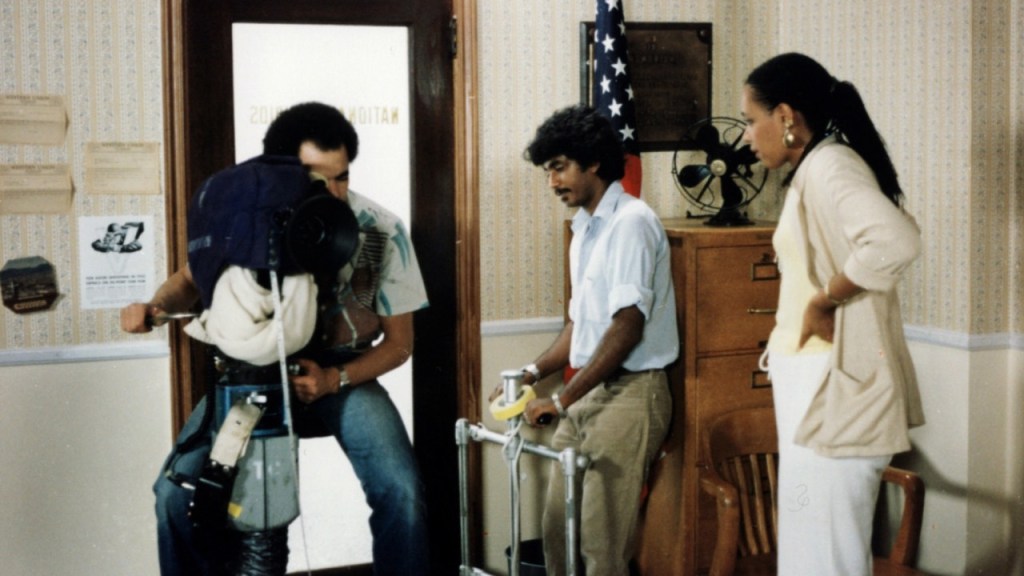
Julie Dash is an American filmmaker, writer, and director renowned for her significant contributions to the world of cinema. She is best known for her groundbreaking film Daughters of the Dust. Her work often explores themes of identity, history, and cultural heritage, with a particular focus on the experiences of black women.
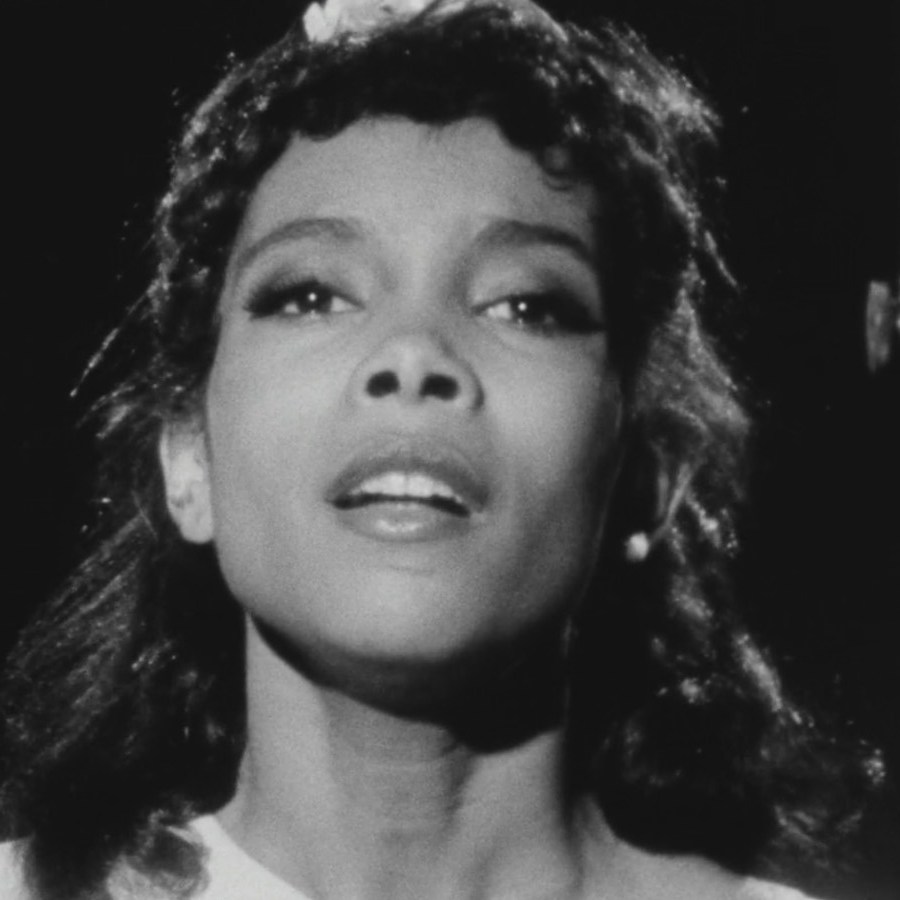
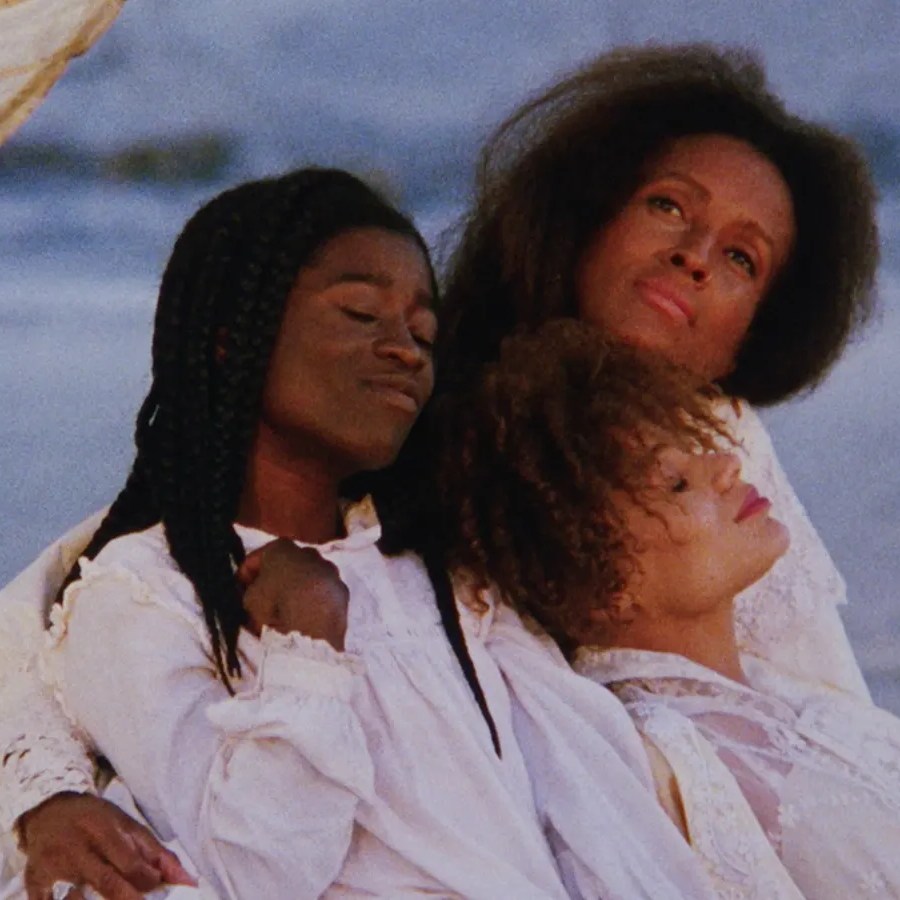
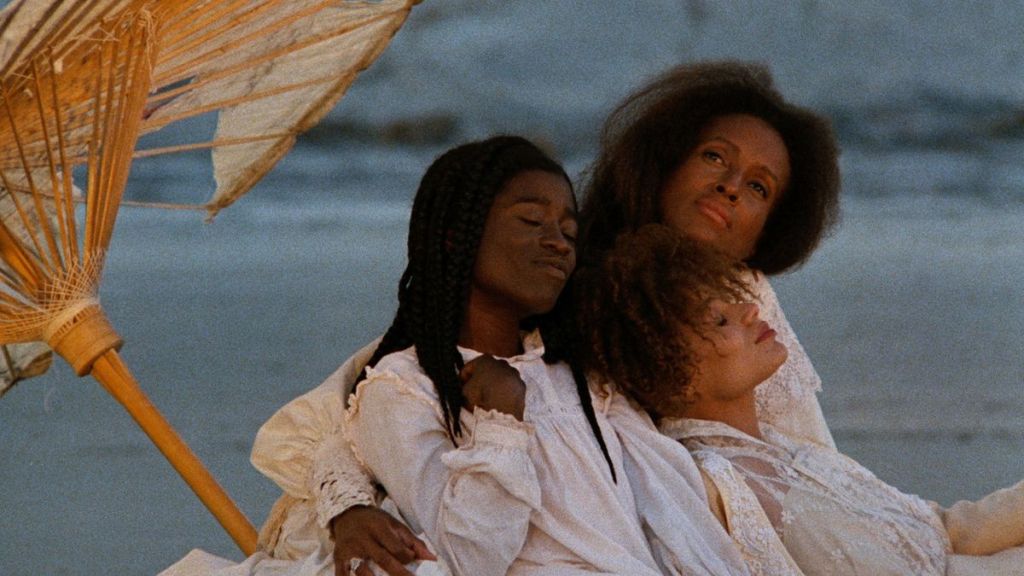
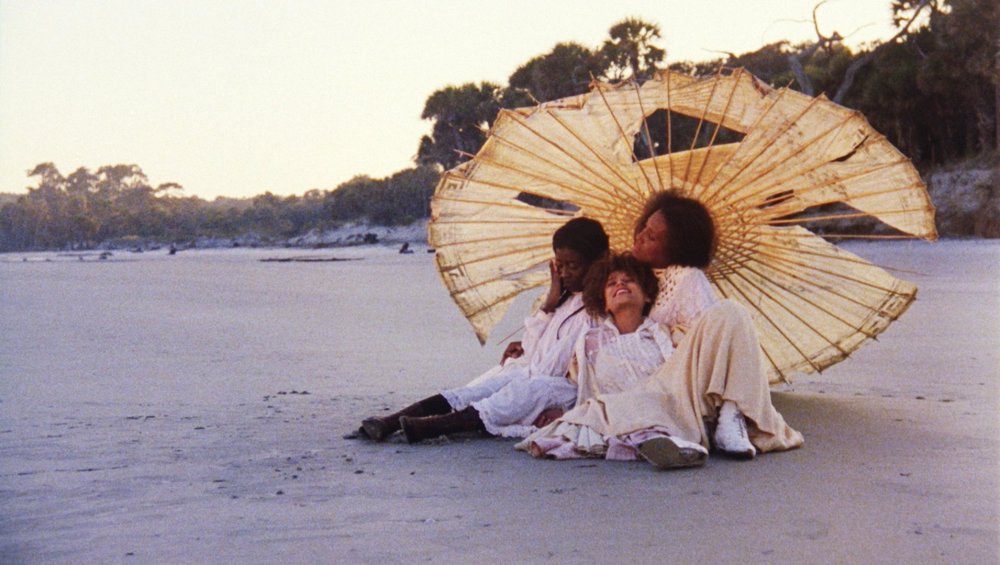
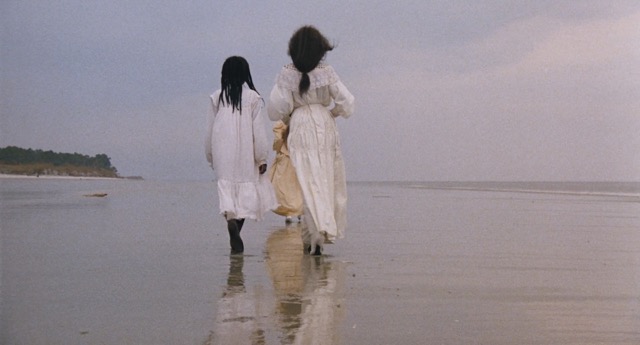
Dash first gained recognition with her student film Illusions, which explored the role of black women in Hollywood during the 1940s. The film won numerous awards and established Dash as a talented and provocative filmmaker. Her feature film debut, Daughters of the Dust, is a landmark of independent cinema. Set in the early 20th century, the film tells the story of a Gullah family on the Sea Islands off the coast of South Carolina as they prepare to migrate to the mainland. The film is notable for its lush visuals, its poetic storytelling, and its celebration of African American culture and tradition.
Throughout her career, Dash has continued to explore the experiences of black women in her films, often using non-linear storytelling techniques and experimental visual styles to convey their inner lives and cultural heritage. Her films Four Women and Funny Valentines are powerful examples of this approach. Furthermore, Dash often utilises non-linear narratives and a deep connection to historical context, crafting stories that are as complex and multifaceted as the identities and experiences they represent.
Additionally, Dash’s work exhibits a consistent commitment to aesthetic innovation and the use of visual language to convey emotion and theme. This is evident in her work Illusions, where she experiments with visual and narrative forms to confront and dissect the constructed nature of race and gender in cinema. Dash’s nuanced approach to storytelling often merges the personal with the historical, using the lens of individual lives and families to explore broader societal and cultural themes, thus creating films that are both intimate and universally resonant.

Julie Dash (1952 – -)
Calculated Films:
- Daughters of the Dust (1991)
Similar Filmmakers
- Ava DuVernay
- Ayoka Chenzira
- Barry Jenkins
- Charles Burnett
- Cheryl Dunne
- Dee Rees
- Euzhan Palcy
- Gina Prince-Bythewood
- Haile Gerima
- Isaac Julien
- Kasi Lemmons
- Kathleen Collins
- Leslie Harris
- Lourdes Portillo
- Marlon Riggs
- Radha Blank
- Spike Lee
- Trinh T. Minh-ha
Julie Dash’s Top 5 Films Ranked
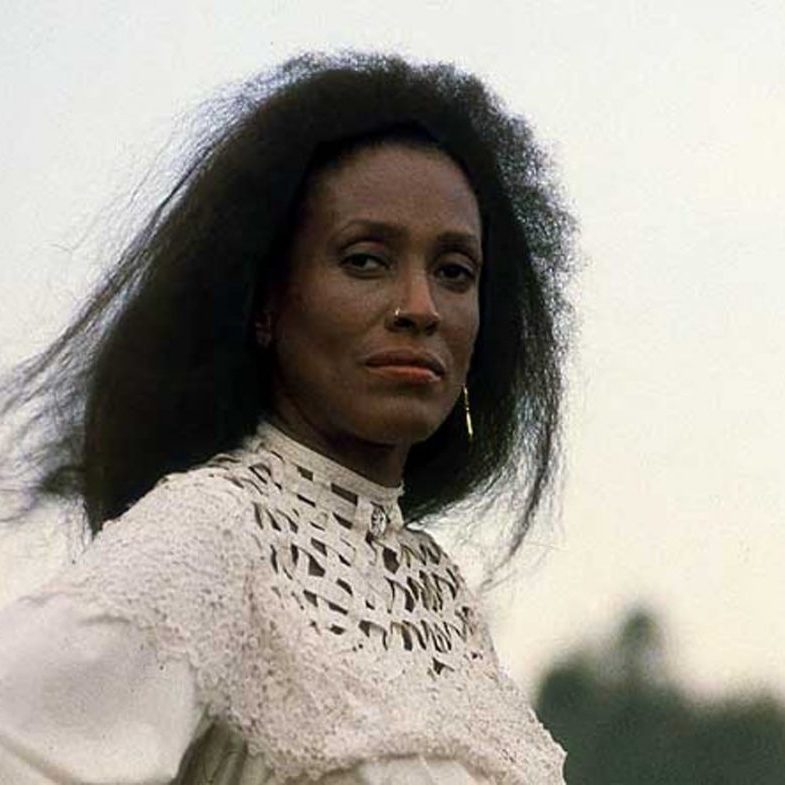
1. Daughters of the Dust (1991)
Genre: Drama
2. Illusions (1982)
Genre: L.A. Rebellion

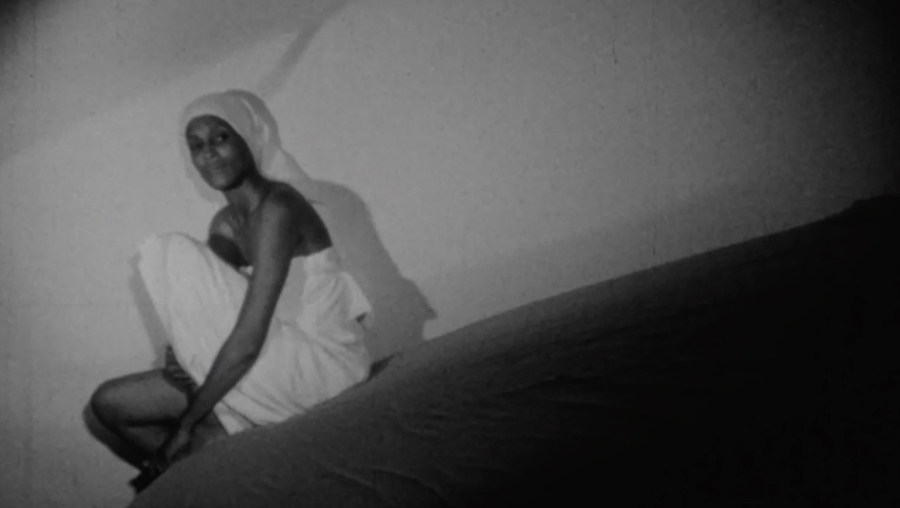
3. Four Women (1975)
Genre: L.A. Rebellion, Music, Dance Film

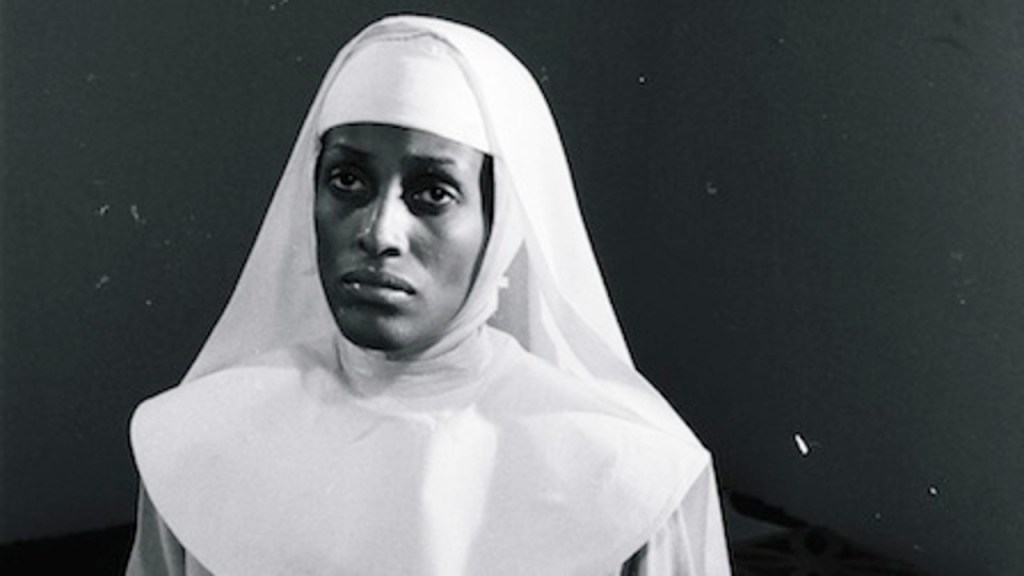
4. The Diary of an African Nun (1977)
Genre: L.A. Rebellion, Drama
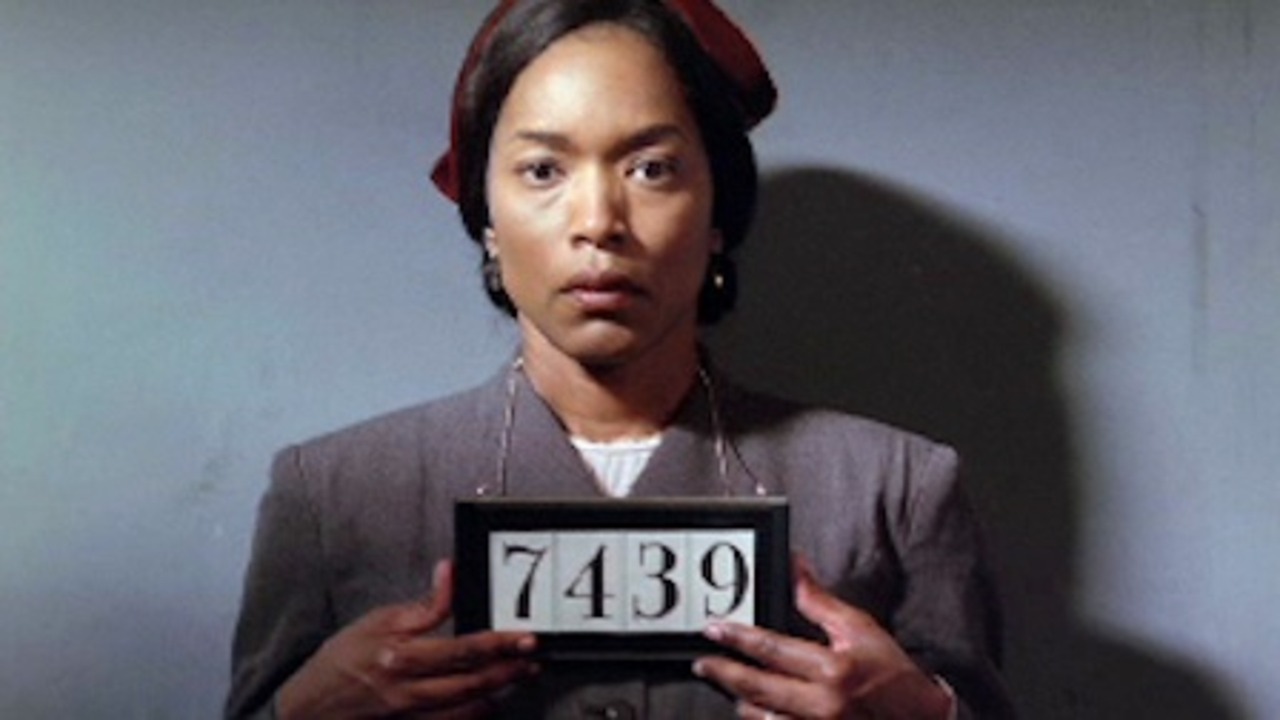
5. The Rosa Parks Story (2002)
Genre: Biographical, Period Drama

Julie Dash: Themes and Style
Themes:
- African Diaspora and Cultural Identity: Dash’s works often explore the intricacies and richness of the African Diaspora and its indelible impact on identity and culture. She is invested in unravelling the layers of African-American heritage and the diverse narratives within it.
- Women’s Experiences: A central theme in Dash’s work is the lived experiences of women, especially African-American women. Her films celebrate their resilience, wisdom, and contributions, often positioning them as the focal points around which stories unfold.
- Historical and Contemporary Intersectionality: Dash artfully weaves historical narratives with contemporary themes, highlighting the intersectionality of race, gender, and class, thereby underscoring their relevance and resonance in modern times.
- Visual and Cultural Storytelling: Her films often utilise visual and cultural storytelling elements to convey a deeper understanding of the characters and their environments, thus establishing a connection between the past and the present.
Styles:
- Visual Poetry: Dash’s directorial approach is characterised by a form of visual poetry. Her framing, composition, and utilisation of colour are meticulously crafted to convey the emotional and thematic depth of her narratives.
- Lyrical Storytelling: The narrative style in Dash’s films often resembles lyrical prose, where dialogue, music, and imagery harmoniously intertwine to create a captivating and immersive viewing experience.
- Cultural Representation: Dash takes care to represent cultural elements authentically and reverently, whether it be through language, customs, clothing, or rituals depicted in her films.
Directorial Signature:
- Cultural Immersion: Dash’s films offer viewers a holistic immersion into the worlds she creates, often providing a nuanced exploration of culture, history, and identity.
- Visual and Auditory Tapestry: A signature element in Dash’s work is the integration of a rich visual and auditory tapestry that enhances the storytelling experience, making each frame and sound integral to the narrative’s progression and atmosphere.
- Empathy and Depth in Characterization: Dash’s characters are crafted with heart and depth, providing viewers with an intimate glimpse into their struggles, aspirations, and inner lives.
- Commitment to Underrepresented Narratives: Dash is dedicated to bringing forth stories and perspectives that are often marginalised or underrepresented in mainstream cinema, thereby contributing to a more inclusive understanding of the human experience.
Julie Dash – Great Director
 Bronze Screen Dream