

Joseph Losey was an American filmmaker best known for his distinct style of socially conscious cinema. His work traversed a wide array of genres, including film noir, historical dramas, and science fiction, but he remains most recognised for his influential collaborations with playwright Harold Pinter in films such as The Servant and Accident. Despite facing blacklisting in Hollywood during the McCarthy era, Losey thrived in the United Kingdom, where he crafted many of his most renowned works, earning international acclaim for his stark realism and innovative storytelling.
Losey’s filmography was marked by a unique blend of visual opulence and an unflinching exploration of power dynamics. His films were often characterised by relentless scrutiny of class distinctions and societal structures, a theme prominently featured in The Go-Between and Mr. Klein. His storytelling had a certain acerbity, using ambiguity and complex characters to underscore the disquieting tensions in human relationships. His visual style was equally striking, as seen in The Servant’s claustrophobic interiors, which served as a metaphor for the psychological entrapment of its characters. This visual allegory was part of Losey’s consistent artistic arsenal, using architecture and locations to amplify his characters’ emotional states.
Despite facing considerable political adversity, Losey left an indelible mark on international cinema. His commitment to using film as a medium to challenge societal norms and illuminate the class system’s inherent injustices has inspired filmmakers globally. Losey’s ability to translate Pinter’s complex plays into visually gripping and psychologically intense cinema was revolutionary, with The Servant and Accident often heralded as British cinema classics. His films were thought-provoking and unsettling, often requiring multiple viewings to grasp their intricate narratives and layered meanings.

Joseph Losey (1909 – 1984)
Calculated Films
- The Prowler (1951)
- The Servant (1963)
- Mr Klein (1976)
- Don Giovanni (1979)
Similar Filmmakers

Joseph Losey’s Top 5 Films Ranked
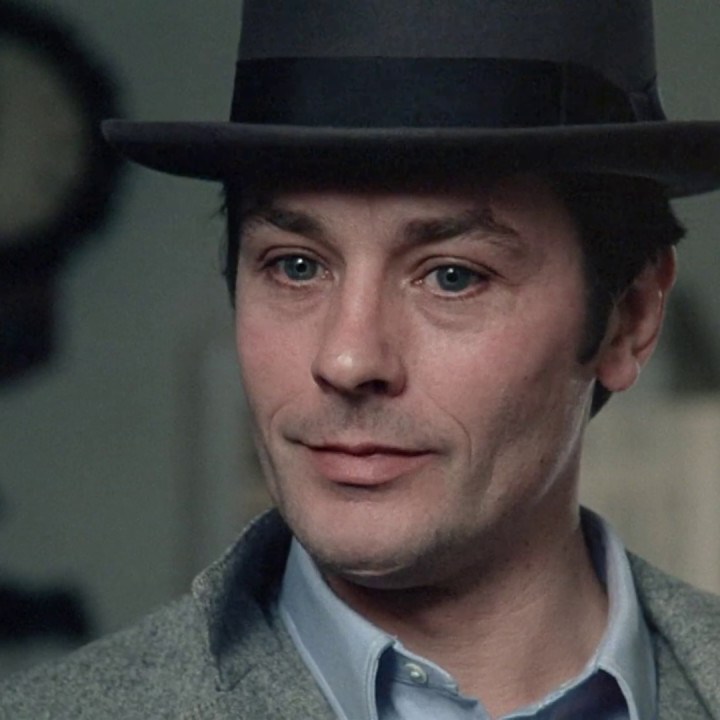
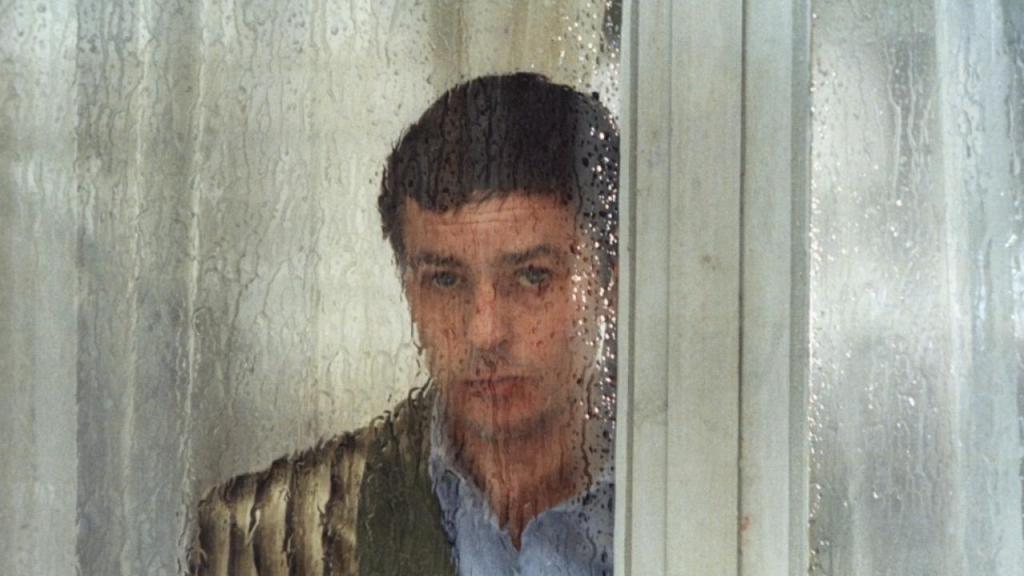
1. Mr. Klein (1976)
Genre: Mystery, Psychological Drama, Period Drama
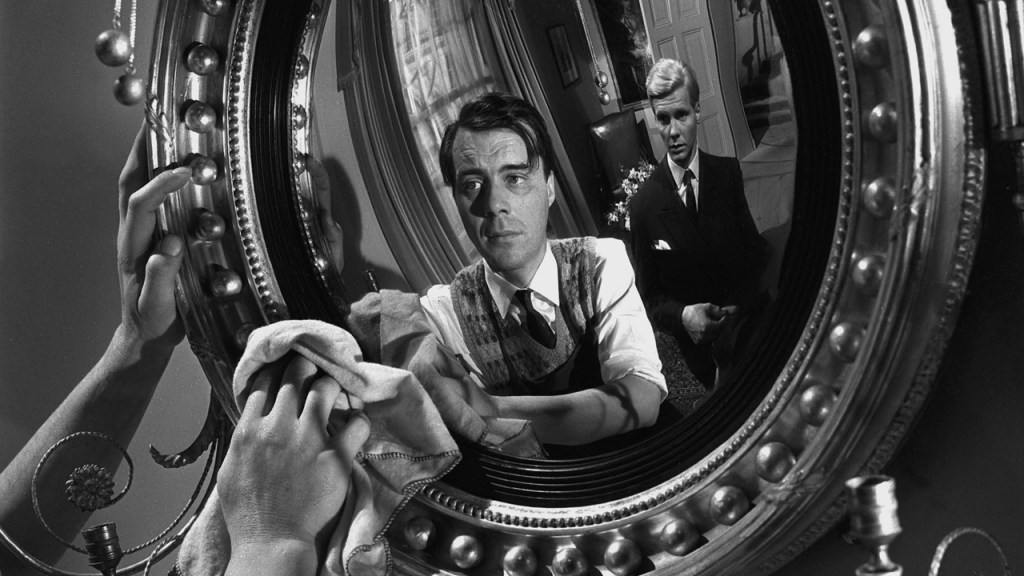
2. The Servant (1963)
Genre: Drama, Chamber Film
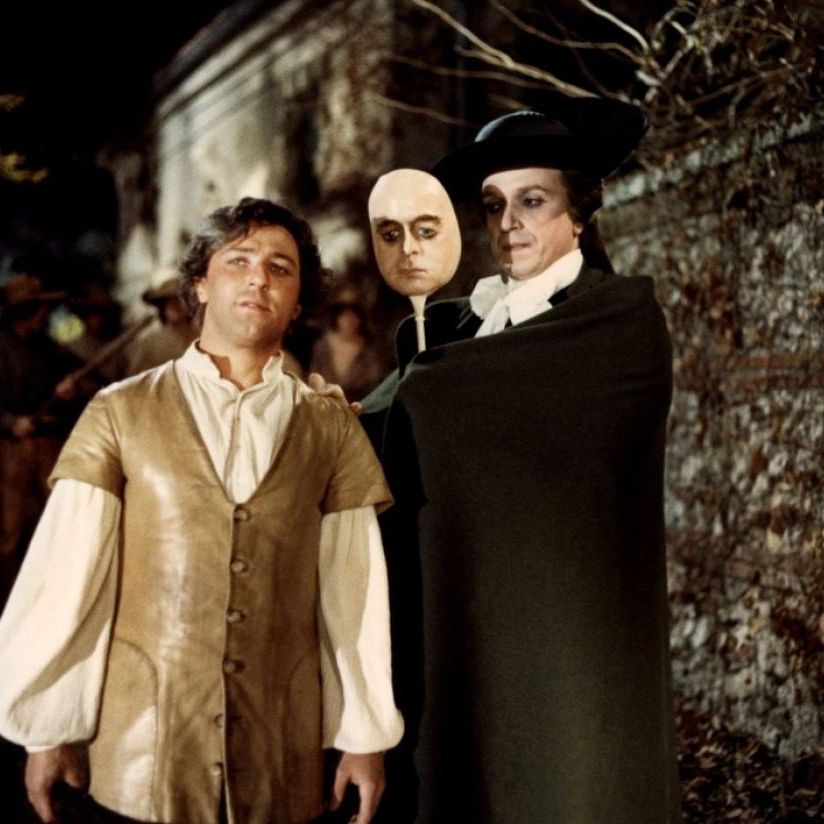
3. Don Giovanni (1979)
Genre: Opera, Drama

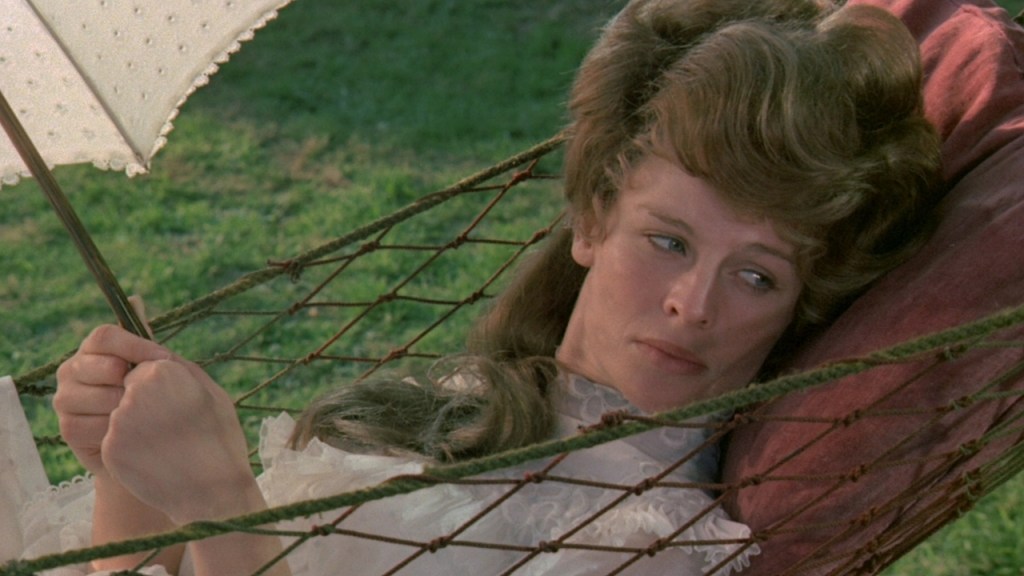
4. The Go-Between (1971)
Genre: Drama, Coming-of-Age, Period Drama
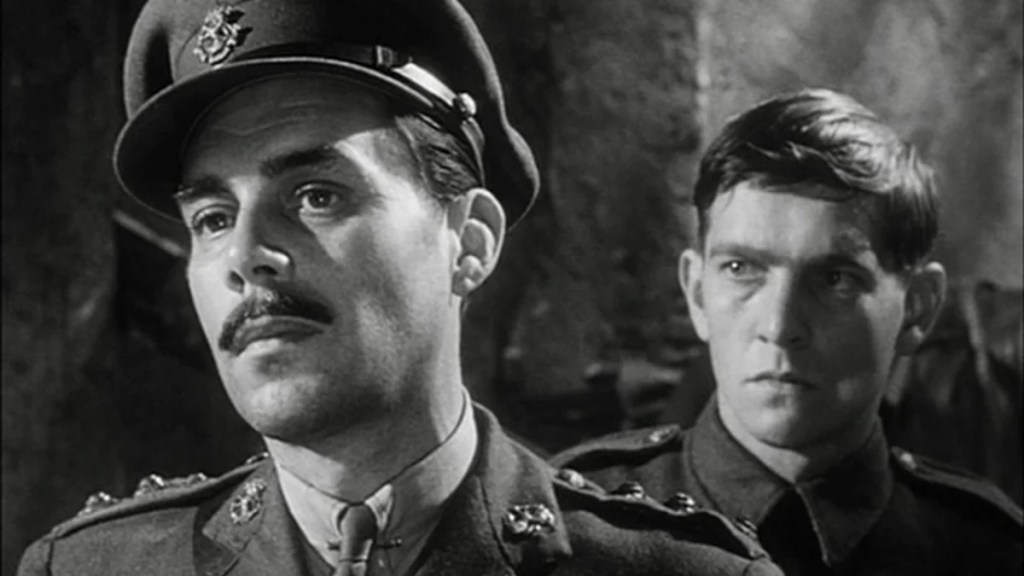
5. King & Country (1964)
Genre: War, Legal Drama
Joseph Losey: Themes and Style
Themes:
- Social Critique: Many of Losey’s films provide a sharp critique of social hierarchies, class disparities, and the inherent injustices in society. Movies like The Servant explore the dynamics of class and power within the confines of a single household.
- Individual vs. Society: His protagonists often find themselves at odds with societal norms and expectations, be it due to their class, politics, or personal choices.
- Alienation and Isolation: Characters in Losey’s films, such as Mr. Klein, often experience a profound sense of alienation, whether stemming from personal choices or external circumstances.
- Moral Ambiguity: His characters are rarely one-dimensional. They operate in shades of grey, with their moral compasses frequently challenged by the circumstances they face.
Styles:
- Atmospheric Use of Locations: Losey had a knack for using real locations to heighten the mood of his films. This not only added authenticity but also a palpable atmospheric tension.
- Collaboration with Harold Pinter: The partnership between Losey and playwright Harold Pinter in the 1960s resulted in a unique fusion of cinematic and theatrical elements, evident in films like The Servant and Accident.
- Non-linear Storytelling: Many of Losey’s films employ flashbacks and fragmented narratives to create a more immersive and often unsettling experience for the audience.
- Innovative Cinematography: His films often incorporate striking visual compositions and camera movements that add layers of meaning and enhance the film’s overall ambience.
Directorial Signature:
- Political Undertones: Losey, having faced the brunt of the McCarthy-era blacklist in Hollywood, often embedded his films with subtle and not-so-subtle political critiques, especially against oppressive systems and institutions.
- Complex Characters: One of the hallmarks of a Losey film is the depth and complexity of its characters. They are multi-faceted, often flawed, and navigate through intricate emotional and moral landscapes.
- Stylistic Ambiguity: Losey’s films resist easy categorisation. They frequently blend elements from different genres, creating a unique cinematic language that keeps viewers engaged and often on edge.
Joseph Losey – The 298th Great Director


 Bronze Screen Dream