

Joseph L. Mankiewicz was an acclaimed American director and screenwriter known for his intellectually stimulating scripts and nuanced character development. His distinguished films, All About Eve and The Barefoot Contessa, emphasise complex dialogue, socio-political commentary, and intricate portrayals of ambition and betrayal. His commitment to writing and his directorial talents resulted in movies celebrated for their sharp wit and social critique.
Mankiewicz’s journey into filmmaking began as a writer and producer in Hollywood before transitioning to directing. He worked for Paramount and MGM, among other studios, honing his skills in crafting articulate and captivating scripts. His transition to directing allowed him to fully express his narrative vision, shaping his films’ performances and visual aspects to serve his insightful scripts.
Mankiewicz’s films often bear a theatrical influence, reflecting his background in writing for the stage. His movies often focus more on character development and dialogue than elaborate visual spectacle. This is apparent in All About Eve, where the film’s narrative tension relies heavily on verbal sparring and character dynamics. His scripts were filled with socio-political commentary, such as the ruthless entertainment industry depicted in All About Eve and The Barefoot Contessa.
Consecutive Best Director Awards
His work is notable for its complex and empowered female characters. In All About Eve, he presented two powerful women with distinct motivations navigating the theatre industry, shunning stereotypical roles for more sophisticated portrayals. Though subtler than some contemporaries, his cinematic techniques effectively enhance his narratives. His purposeful use of mise-en-scène, editing, and cinematography underscores the dramatic tension of his scripts.
Frequently exploring themes of ambition, betrayal, and deceit, Mankiewicz portrayed the human condition with acuity and nuance. His dual role as a director and writer on most projects ensured his vision was faithfully realised on the screen, earning him notable recognition through consecutive Academy Awards for directing and screenplay for A Letter to Three Wives and All About Eve.
Mankiewicz’s emphasis on the screenplay and nuanced characterisation continues to inspire directors and writers. Filmmakers like Woody Allen and Aaron Sorkin have acknowledged his influence on their character-driven and dialogue-intensive works. His films, notably All About Eve, are continually referenced in film studies, attesting to his enduring impact on cinema. His commitment to complex, often witty dialogue and strong female characters helped push the boundaries of Hollywood storytelling, marking him as a significant figure in film history.

Joseph L. Mankiewicz (1909 – 1993)
Calculated Films:
- The Ghost and Mrs Muir (1947)
- A Letter To Three Wives (1949)
- House of Strangers (1949)
- All About Eve (1950)
- No Way Out (1950)
- 5 Fingers (1952)
- The Barefoot Contessa (1954)
- Suddenly Last Summer (1959)
- Sleuth (1972)
Similar Filmmakers

Joseph L. Mankiewicz’s Top 10 Films Ranked
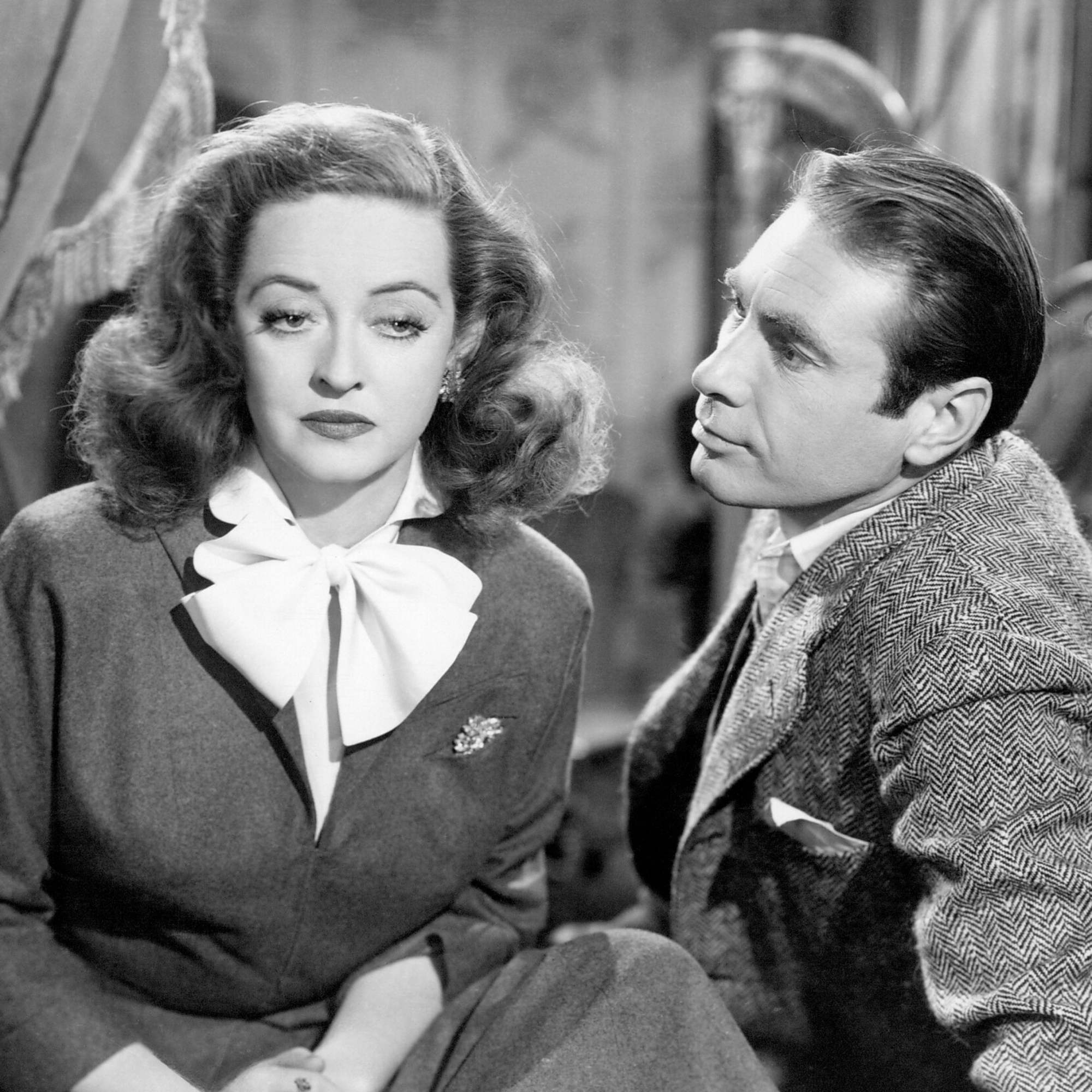
1. All About Eve (1950)
Genre: Drama, Satire, Psychological Drama

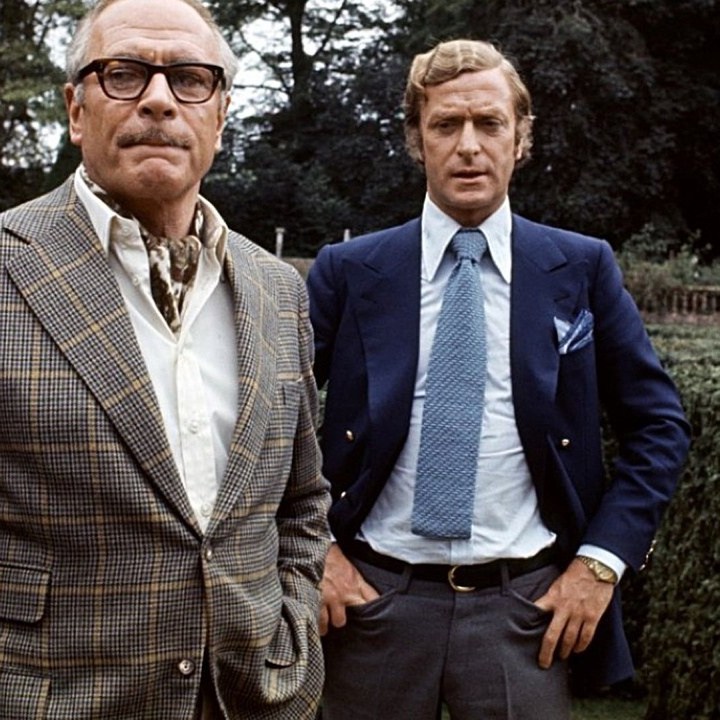
2. Sleuth (1972)
Genre: Psychological Thriller, Mystery
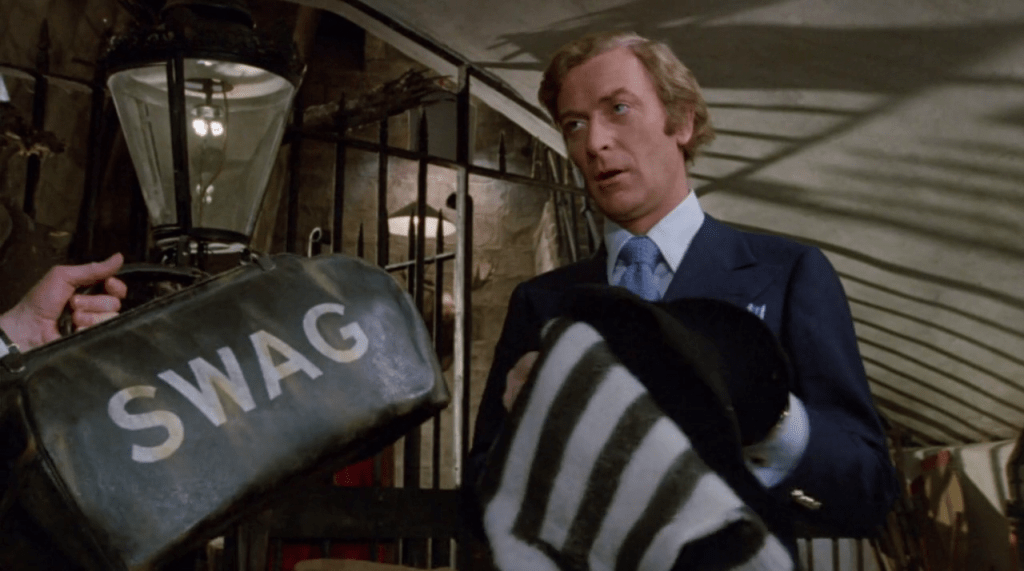
3. The Ghost and Mrs Muir (1947)
Genre: Romance, Low Fantasy, Drama, Gothic

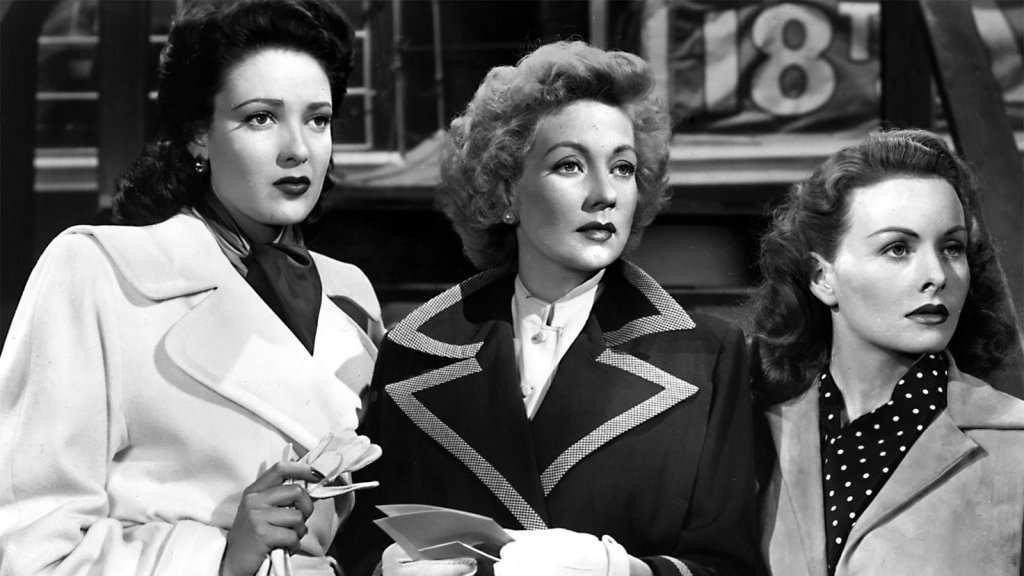
4. A Letter To Three Wives (1949)
Genre: Romance, Drama
5. 5 Fingers (1952)
Genre: Spy

6. Suddenly Last Summer (1959)
Genre: Psychological Drama, Melodrama, Southern Gothic

7. No Way Out (1950)
Genre: Film Noir, Drama

8. House of Strangers (1949)
Genre: Film Noir, Drama
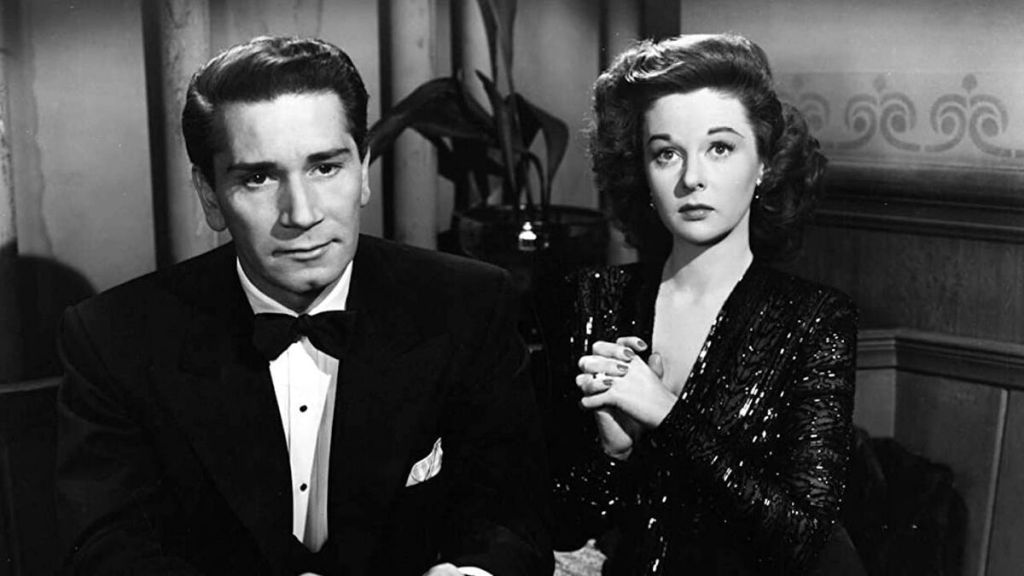
9. People Will Talk (1951)
Genre: Comedy, Melodrama

10. The Barefoot Contessa (1954)
Genre: Melodrama

Joseph L. Mankeiwcz: Themes and Style
Themes:
- Social Critique and Morality: Mankiewicz’s films often delve into the complexities of societal norms and moral dilemmas. In All About Eve, he explores ambition and betrayal in the theatre world, presenting a sharp critique of the cutthroat nature of show business.
- Gender Roles and Feminism: His work frequently examines the roles and expectations of women in society. For instance, The Ghost and Mrs Muir presents a strong female lead who defies societal norms to find her own path.
- The Nature of Success and Failure: Mankiewicz was fascinated by the concept of success, its impact on the individual, and the often thin line between success and failure. A Letter to Three Wives and All About Eve showcase characters grappling with these themes in their personal and professional lives.
- Class and Power Dynamics: He often portrayed class struggles and power dynamics within relationships, as seen in Cleopatra, which also contemplates the political power plays of historical figures.
Styles:
- Witty and Sophisticated Dialogue: Mankiewicz was known for his sharp, fast-paced dialogue that often carried a satirical edge, as displayed in All About Eve, which is filled with memorable lines and exchanges.
- Nonlinear Storytelling: He utilised nonlinear narrative structures to add complexity to his films, like the use of flashbacks in The Barefoot Contessa to reveal character backstories and motives.
- Ensemble Casts: Mankiewicz frequently worked with ensemble casts, allowing for a richer exploration of character interactions and dynamics, a technique effectively employed in Guys and Dolls.
- Literary Adaptations: He had a penchant for adapting stage plays and literature for the screen, maintaining the original material’s depth and dialogue while making it cinematic, as seen in Julius Caesar.
Directorial Signature:
- Complex Female Characters: Mankiewicz’s directorial signature includes the creation of complex, strong-willed female protagonists, such as Margo Channing in All About Eve.
- Behind-the-Scenes Focus: He often set his films in the context of show business or a behind-the-scenes environment, offering an insider’s look at the entertainment industry or historical events, much like in All About Eve and Cleopatra.
- Intellectualism and Articulateness: His films are marked by intellectual depth and articulate characters, often making his work seem like a filmed stage play with an emphasis on dialogue over action.
- Moral Ambiguity: Rarely presenting clear-cut heroes or villains, Mankiewicz preferred characters with moral ambiguity, challenging the audience to consider multiple perspectives, a trait particularly evident in the complex personalities of The Quiet American.
- Visual Storytelling: Despite his focus on dialogue, Mankiewicz also employed strong optical storytelling techniques, using mise-en-scène and cinematography to enhance the narrative, as in the elaborate sets and costumes of Cleopatra.
Joseph L. Mankiewicz: The 91st Greatest Director


 Bronze Screen Dream