
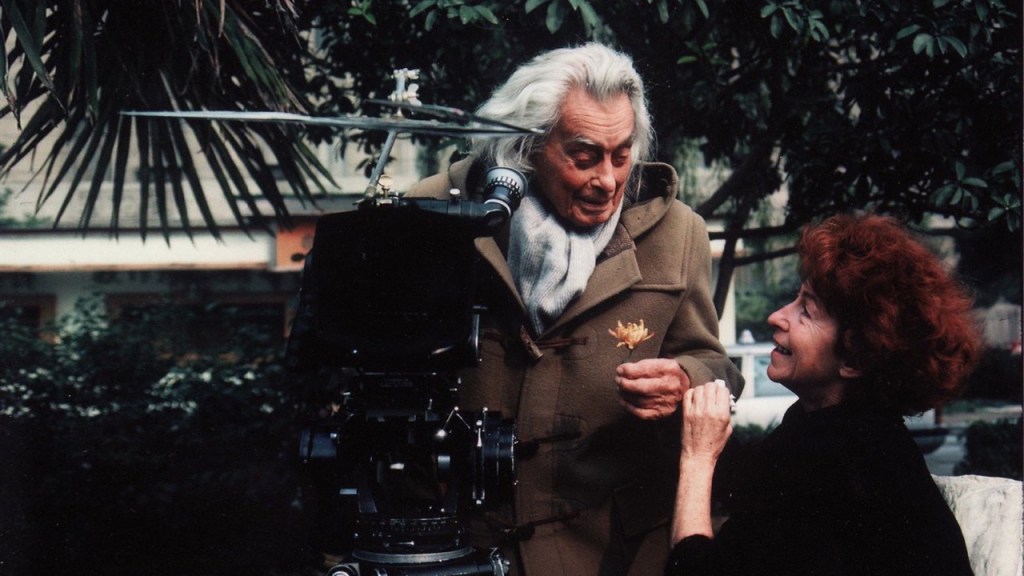
Joris Ivens was a Dutch documentary filmmaker and director whose career spanned the better part of the 20th century. Ivens is best known for his politically charged films, adeptly capturing the social and political climates of the times. His work often reflected a deep concern for humanity and the working class, with his filmography containing works such as The Spanish Earth, which showcased the struggles of Spanish Republicans during the Spanish Civil War.
Ivens began his filmmaking career in the 1920s, initially focusing on more poetic and experimental subjects before shifting his attention to social documentary filmmaking. His early work, such as The Bridge, showcased his talent for blending artistic vision with documentary realism. However, it was his later films, like Rain, that established Ivens as a master of the documentary form, skillfully capturing the interplay between people and their environments. His commitment to social causes and his involvement in leftist political movements led to collaborations with notable figures and organisations, further elevating his status in the international film community. Despite facing political scrutiny and censorship, particularly during the Cold War era, Ivens’s career was marked by a series of notable achievements, including receiving the International Lenin Peace Prize. He continued to produce influential works well into his later years, with films like How Yukong Moved the Mountains documenting China’s Cultural Revolution.
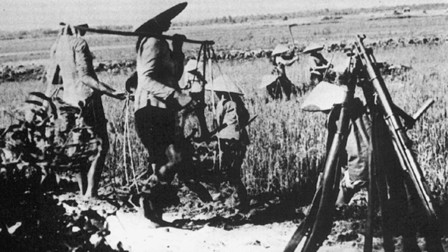
A recurring theme in his films is the resilience and dignity of ordinary people amidst hardship and struggle. His approach to filmmaking was often participatory and collaborative, placing subjects at the centre of the narrative, thereby allowing their stories to unfold with authenticity and depth. For instance, The 17th Parallel: Vietnam in War focuses on the lives of individuals caught in the midst of the Vietnam War, providing a poignant and deeply human perspective on the conflict.
Moreover, Ivens was celebrated for his innovative visual style and deft use of cinematography to convey meaning and emotion. In Rain, he showcased Amsterdam’s cityscape under rainfall, turning a seemingly mundane event into a visually poetic experience that mirrors the rhythms and patterns of life in the city. His visual storytelling technique often leaned on the evocative use of imagery and sound to create a mood or convey an idea, making his films both compelling and thought-provoking for audiences worldwide. Through his works, Ivens successfully bridged the personal and the political, highlighting the strength and perseverance of individuals while also underscoring broader socio-political themes.

Joris Ivens (1898 – 1989)
Calculated Films:
- Rain (1929)
- Misère au Borinage (1934)
- The Spanish Earth (1937)
- The Seine Meets Paris (1957)
- Valparaiso (1963)
- How Yukong Moved the Mountains (1976)
Similar Filmmakers
- Alberto Cavalcanti
- Chris Marker
- Dziga Vertov
- Eduardo Coutinho
- Emile de Antonio
- Fernand Leger
- Henri Storck
- Jean Rouch
- Johan van der Keuken
- John Grierson
- Pare Lorentz
- Patricio Guzman
- Ralph Steiner
- Robert J. Flaherty
- Roman Karmen
- Sergei Eisenstein
- Werner Herzog
- Willard Van Dyke

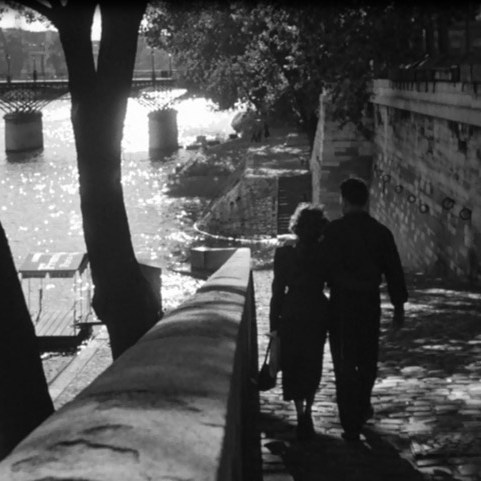

Joris Ivens’ Top 5 Films Ranked
1. Valparaiso (1963)
Genre: Essay Film, City Symphony, Travel Documentary

2. Rain (1929)
Genre: City Symphony, Actuality

3. A Tale of the Wind (1988)
Genre: Essay Film
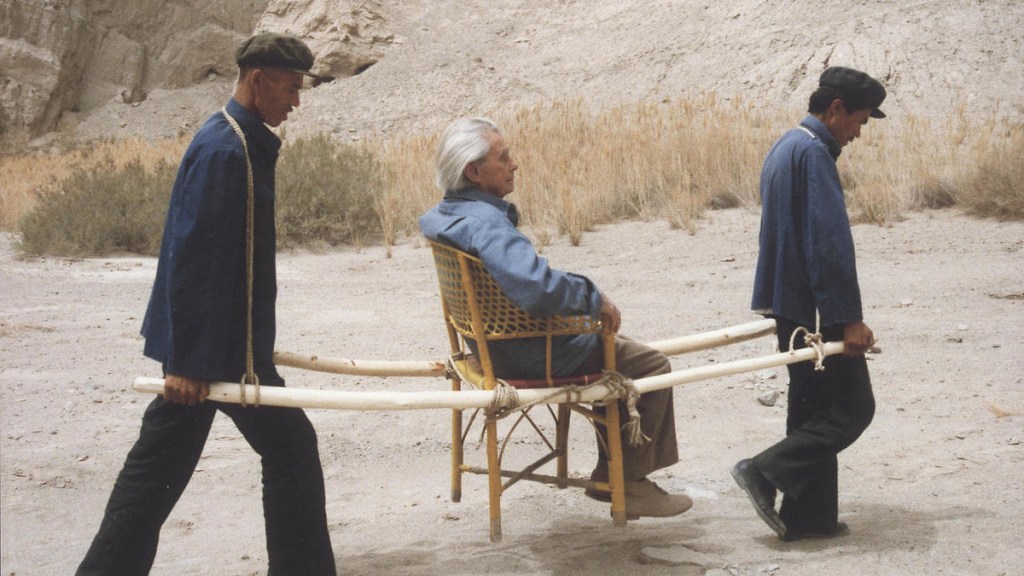
4. How Yukong Moved the Mountains (1976)
Genre: Political Documentary, Ethnograhic Film

5. The Seine Meets Paris (1957)
Genre: Essay Film, City Symphony
Joris Ivens: Themes and Style
Themes:
- Social Activism: Ivens was deeply engaged with social and political issues of his time, often reflecting activism and a strong sense of social justice in his films. Many of his works address or engage with the themes of labour rights, anti-fascism, and anti-imperialism, revealing his commitment to social change.
- War: War and its impacts are recurring themes in Ivens’ oeuvre, given his experience documenting the Spanish Civil War, World War II, and the Vietnam War. His films not only capture the realities of war but also explore human resilience, solidarity, and resistance amidst conflict.
- Environment: The environment, particularly the interaction between humans and their surroundings, plays a central role in many of Ivens’ films. Works like Rain showcase his ability to weave environmental motifs into broader narratives about life, society, and change.
Styles:
- Documentary Realism: Ivens is recognised for his commitment to realism, often opting for a documentary style that meticulously captures the nuances of real-life events and individuals. This style enables him to present an authentic, unfiltered view of the subjects and themes he explores.
- Cinematic Poetry: While grounded in realism, Ivens’ films also embrace a poetic sensibility, often employing metaphorical imagery, symbolic elements, and carefully composed shots to convey deeper meanings and emotions. This blend of realism and poetry characterises his unique approach to storytelling.
- Innovative Techniques: Ivens experimented with various film techniques to enhance the visual and narrative impact of his works. Slow motion, montage, and aerial shots are among the innovative methods he used to craft compelling, visually striking films.
Directorial Signature:
- Political Engagement: Ivens’ directorial signature is unmistakably intertwined with his political engagement. His films often serve as platforms for expressing and advocating for political ideals, particularly those aligned with leftist and anti-fascist movements.
- Human-Centric Storytelling: Central to Ivens’ work is a focus on human stories. Whether exploring the lives of workers, soldiers, or ordinary citizens, he consistently foregrounds the human experience, offering viewers intimate glimpses into the lives of individuals navigating complex social and political landscapes.
- Visual Mastery: With a background in photography, Ivens possessed a keen eye for composition and visual storytelling. His films are renowned for their visual eloquence, with each shot meticulously framed to convey both aesthetic beauty and narrative significance.
- Collaborative Approach: Ivens often collaborated with other artists, writers, and filmmakers, resulting in works that reflect a synthesis of diverse creative inputs and perspectives. This collaborative spirit enriched his films, contributing to their depth and complexity.
Joris Ivens – Great Director



 Bronze Screen Dream