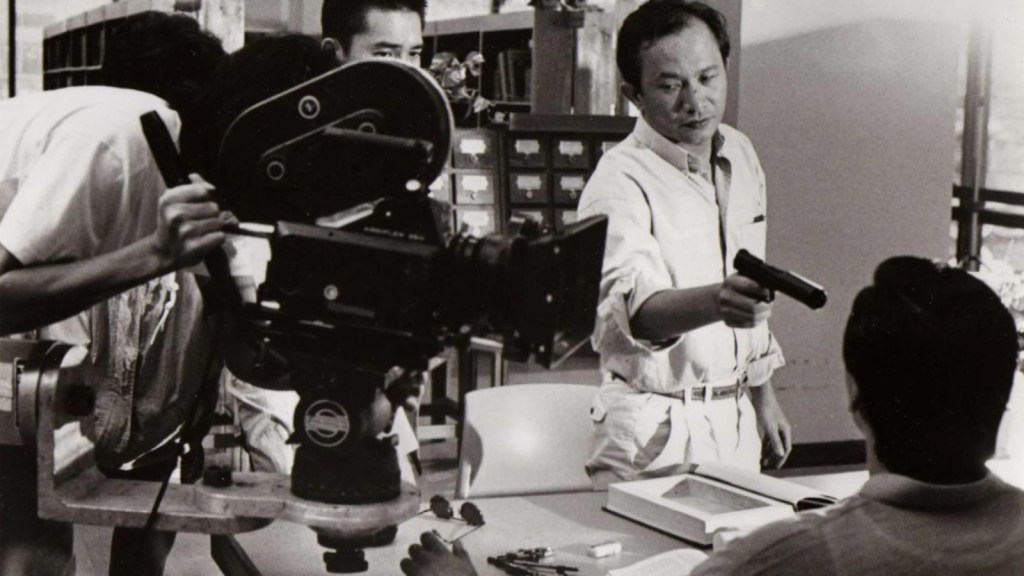
John Woo, a prominent figure in the global film industry, is acclaimed for his stylised, balletic approach to action. This Chinese director, best known for his significant contributions to the Hong Kong “heroic bloodshed” genre with films such as The Killer and Hard Boiled, also successfully transitioned into Hollywood, making films like Face/Off and Mission: Impossible II. His work is characterised by highly choreographed gunfights, slow-motion sequences, and motifs that have since become widely recognisable and adopted in action cinema.
Woo’s entry into cinema was driven by his passion for movies. As a child, he was often found at the local cinema, fascinated by musicals and films. These early influences are reflected in his action scenes’ intricate, almost dance-like choreography, often referred to as “gun fu”. His films frequently feature themes of brotherhood, honour, and redemption, key elements of the “heroic bloodshed” genre that he helped popularise in Hong Kong cinema.
A striking feature of Woo’s filmmaking is his incorporation of recurring visual symbols. Doves, for instance, appear in many of his films as symbols of peace and purity, reflecting Woo’s Christian faith. His films often include Mexican standoffs—tense situations where characters confront each other, each with their weapon drawn—a trope that has become a signature of his work. Woo’s visual language, filled with symbolism and stylised action, contributes to a unique cinematic style that sets him apart.
Bullet Ballet
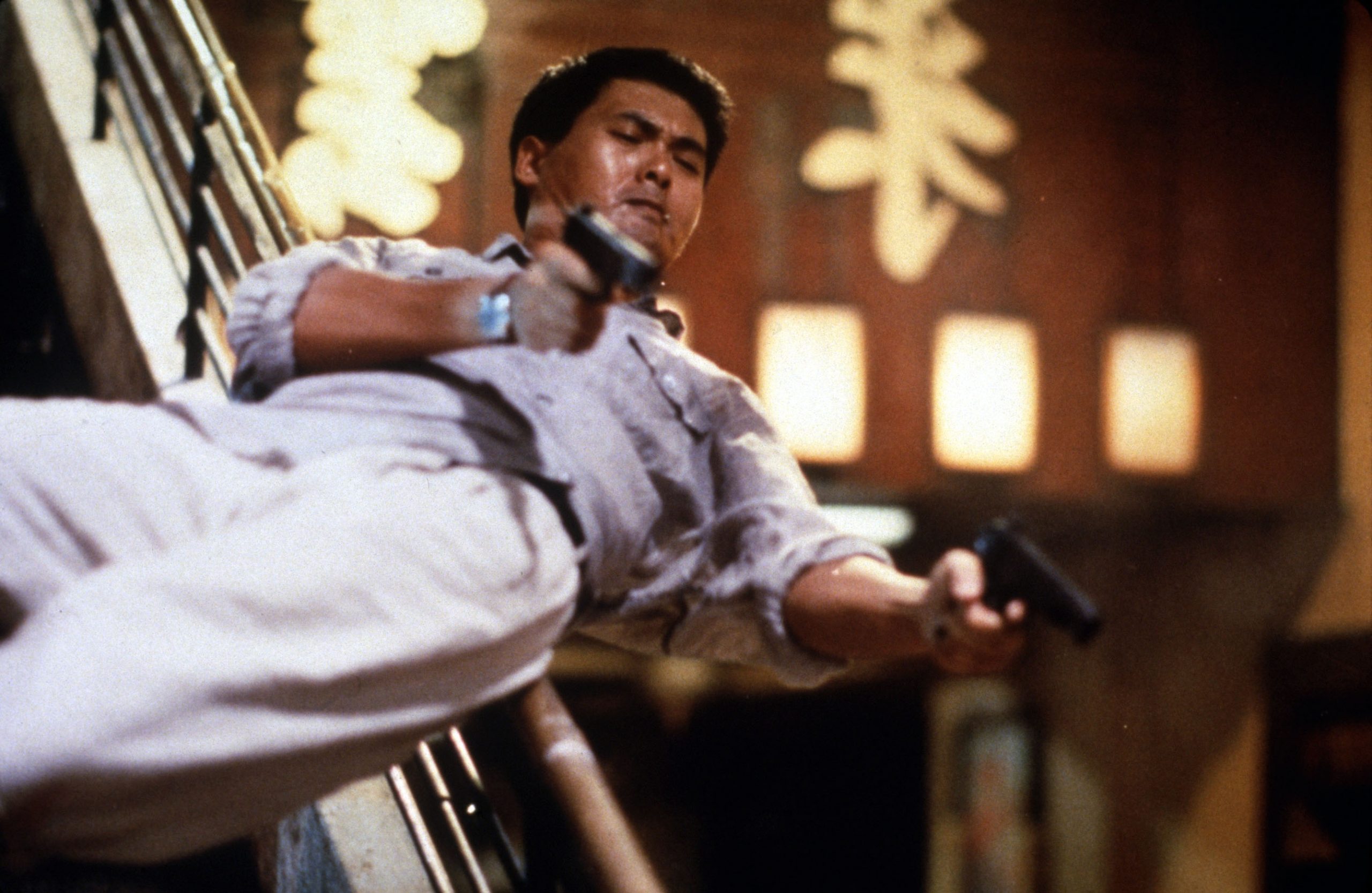
Woo’s influence on the action genre is significant, and he’s been a substantial source of inspiration for many filmmakers worldwide. One of his enduring contributions to action cinema is the image of the hero wielding two guns simultaneously, a move that has been widely adopted and is now synonymous with high-octane action. His collaboration with actors like Chow Yun-fat and Jean-Claude Van Damme has resulted in some of their most memorable performances, further cementing his place in film history.
John Woo’s distinctive style and ability to bridge Eastern and Western cinematic traditions have impacted global cinema. Directors such as Quentin Tarantino, Robert Rodriguez, and the Wachowski siblings have cited Woo as a major influence on their work. His innovative approach to action, combined with deep thematic exploration and strong visual language, ensures that his work continues to resonate with audiences and filmmakers alike, marking him as one of the most influential figures in the evolution of action cinema.

John Woo (1946 – -)
Calculated Films:
- A Better Tomorrow (1986)
- The Killer (1989)
- Bullet in the Head (1990)
- Hard Boiled (1992)
Similar Filmmakers
- Brian De Palma
- Chang Cheh
- David Leitch
- Gareth Evans
- Jackie Chan
- Jean-Pierre Melville
- John McTiernan
- Johnnie To
- Kim Jee-woon
- Kinji Fukasaku
- Kirk Wong
- Luc Besson


John Woo’s Top 10 Films Ranked
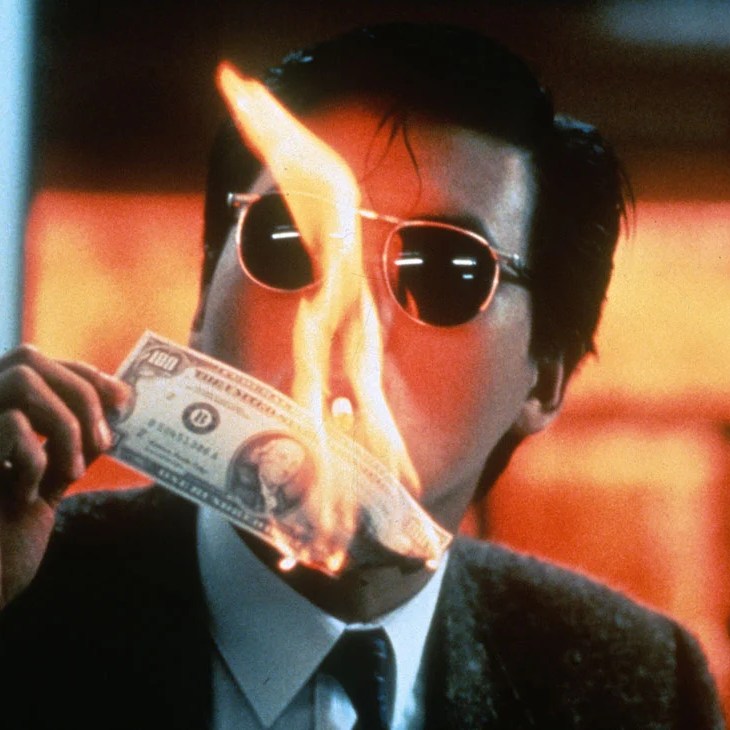
1. The Killer (1989)
Genre: Heroic Bloodshed, Gangster Film, Buddy, Triad Film

2. Hard Boiled (1992)
Genre: Heroic Bloodshed, Buddy Cop

3. Bullet in the Head (1990)
Genre: War, Heroic Bloodshed, Action, Period Drama
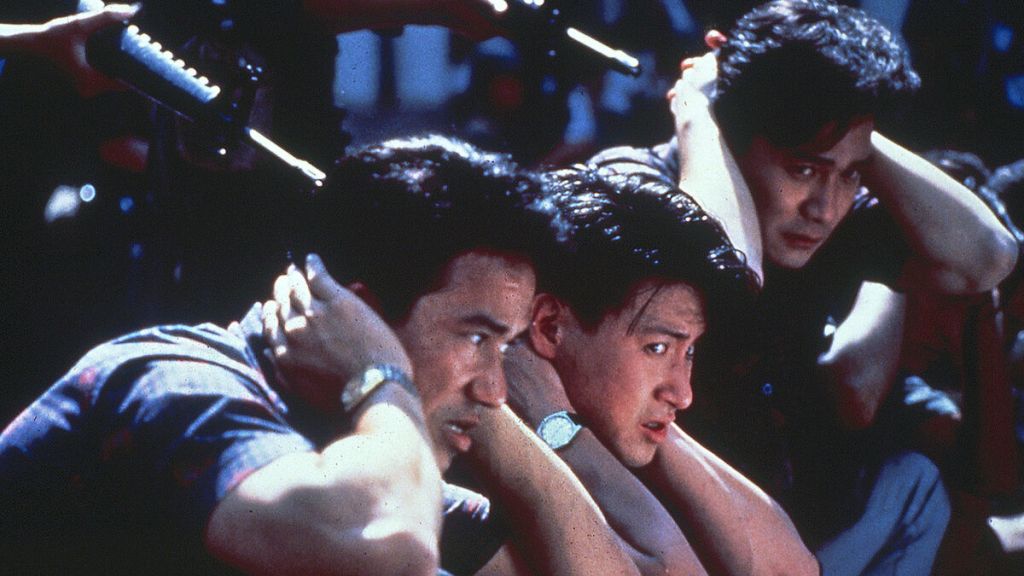
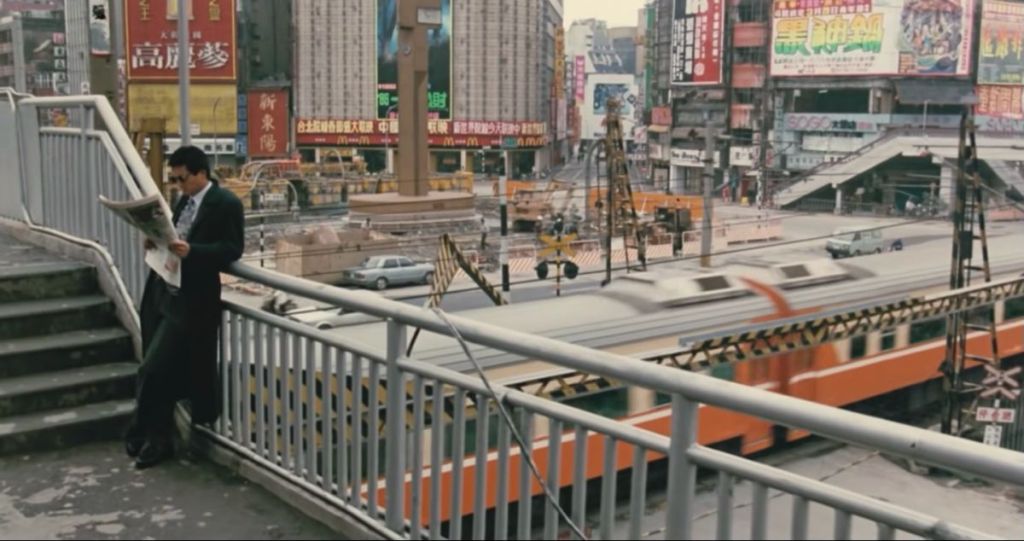
4. A Better Tomorrow (1986)
Genre: Heroic Bloodshed, Gangster Film, Buddy, Triad Film
5. Red Cliff Part II (2009)
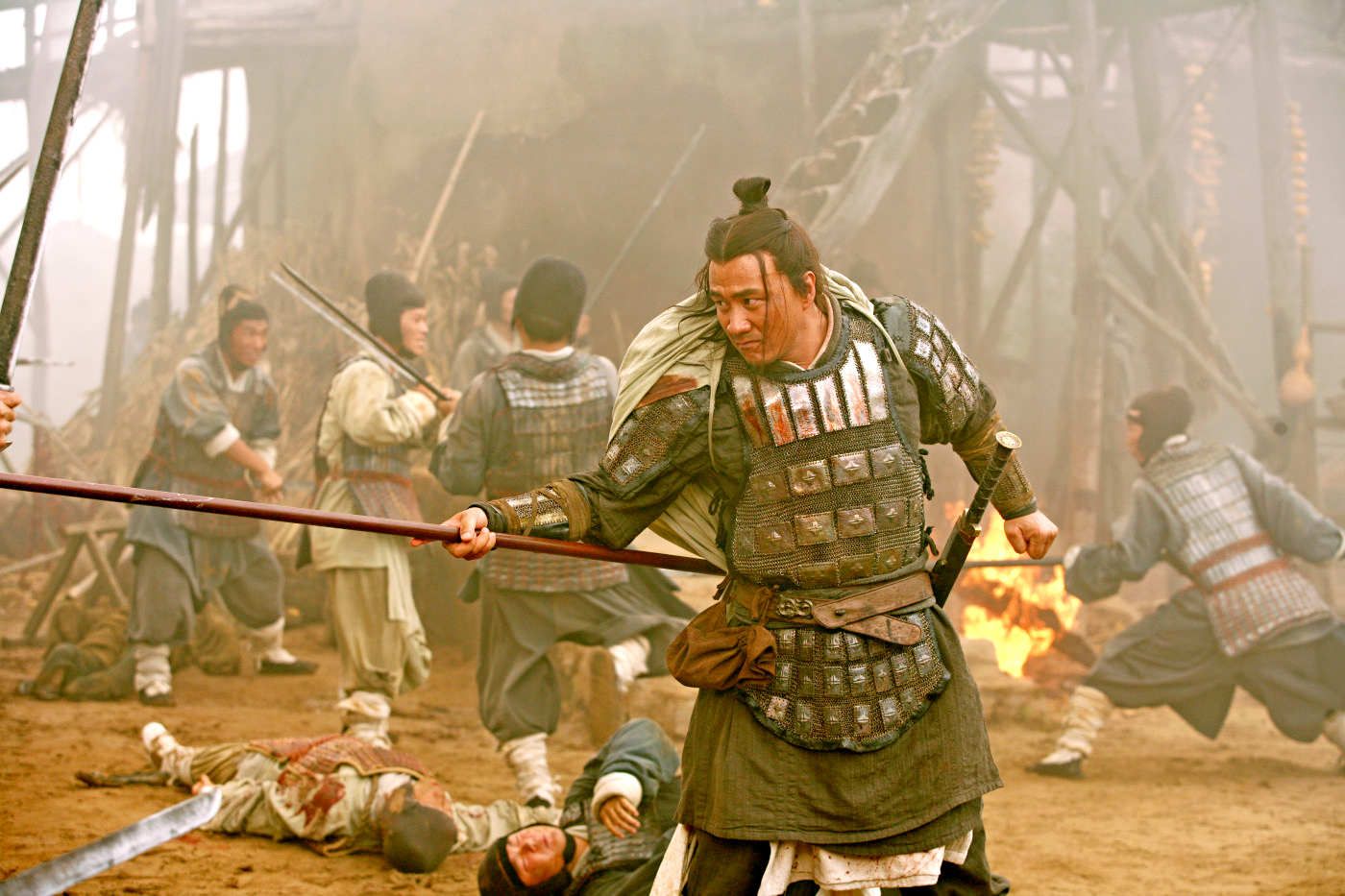
Genre: War, Period Drama, Action, Epic

6. Red Cliff (2008)
Genre: Period Drama, War, Epic

7. A Better Tomorrow II (1987)
Genre: Heroic Bloodshed, Gangster Film, Triad Film
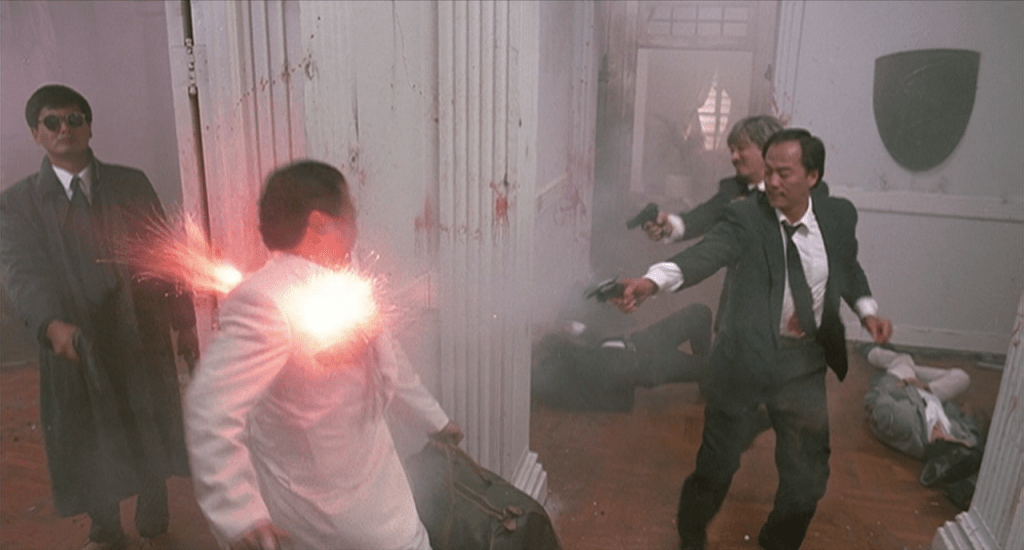
8. Last Hurrah for Chivalry (1979)
Genre: Wuxia

9. Face/Off (1997)
Genre: Action, Crime, Thriller

10. Once A Thief (1991)
Genre: Heist Film, Action, Comedy, Buddy

John Woo: Themes and Style
Themes:
- Heroism and Brotherhood: John Woo often explores the bonds between men forged in the crucible of conflict. Films like A Better Tomorrow and The Killer highlight unbreakable ties of loyalty and sacrifice between protagonists, often against a backdrop of crime and betrayal.
- Honour and Redemption: Many of Woo’s characters are haunted by their pasts, seeking redemption through honourable action. In Hard Boiled, the characters strive for personal salvation amidst their violent lives, reflecting a moral universe where redemption is possible but costly.
- Duality and Identity: Woo’s narratives frequently involve characters with dual identities or moral ambiguities. In Face/Off, the literal swapping of faces between protagonist and antagonist blurs the lines between good and evil, questioning the nature of identity.
- Violence and Peace: A juxtaposition of violence with a yearning for peace is a recurring theme. Woo’s action sequences are often set against desires for a non-violent resolution, as seen in Bullet in the Head, where the brutality of war contrasts with the characters’ quests for serenity.
Styles:
- Balletic Action Sequences: Woo is renowned for his highly stylised, choreographed action scenes that resemble ballet. His use of slow motion in Hard Boiled and The Killer emphasises grace and artistry amidst chaos.
- Mexican Standoffs: A signature motif in Woo’s films is the Mexican standoff, where characters face off at gunpoint, creating a tension-filled pause before the inevitable action, masterfully used in A Better Tomorrow II.
- Symbolic Imagery: Woo uses doves as a recurring symbol of peace, innocence, or the soul of a character, which can be seen in films like Mission: Impossible II, adding a poetic dimension to his visual storytelling.
- Cross-Cutting: He often uses cross-cutting to build suspense or to show parallel action. This technique is evident in Face/Off, where he intercuts between characters in different locations to heighten the emotional impact.
Directorial Signature:
- Two-Gun Hero: Woo’s protagonists often wield a gun in each hand, a visual trademark that emphasises their skill and duality. This is particularly iconic in The Killer and has influenced many other action films.
- Standoff Framing: Woo frames his characters in standoffs with a distinct composition, often in tight close-ups that capture the intense emotions of the scene. This technique has become synonymous with his climactic moments.
- Slow Motion: Woo frequently uses slow motion to elongate key moments, giving them emotional weight and visual clarity. This is used to dramatic effect in Hard Boiled, where slow motion highlights the intricacy and impact of the action sequences.
- Christian Imagery: There is a notable use of Christian imagery and themes, such as redemption and sacrifice, throughout Woo’s work, with The Killer offering several scenes that evoke religious iconography, which adds depth to the moral dimensions of his films.
John Woo: The 251st Greatest Director


 Bronze Screen Dream