

John Waters is an American filmmaker celebrated for his distinctive and transgressive cinematic style. Best known for his work in the realm of cult films, Waters’ filmography predominantly explores themes of unconventional sexuality, social anarchism, and darkly satirical takes on American culture. His movies, including the notorious Pink Flamingos and the beloved Hairspray, are known for their celebration of the outrageous and the taboo, often testing the boundaries of good taste and societal norms.
Waters first gained notoriety in the 1970s with a series of low-budget, underground films that pushed the boundaries of taste and decency. Films like Pink Flamingos and Female Trouble featured a cast of eclectic characters and shocking scenes that earned Waters a reputation as a provocateur and a cult hero.
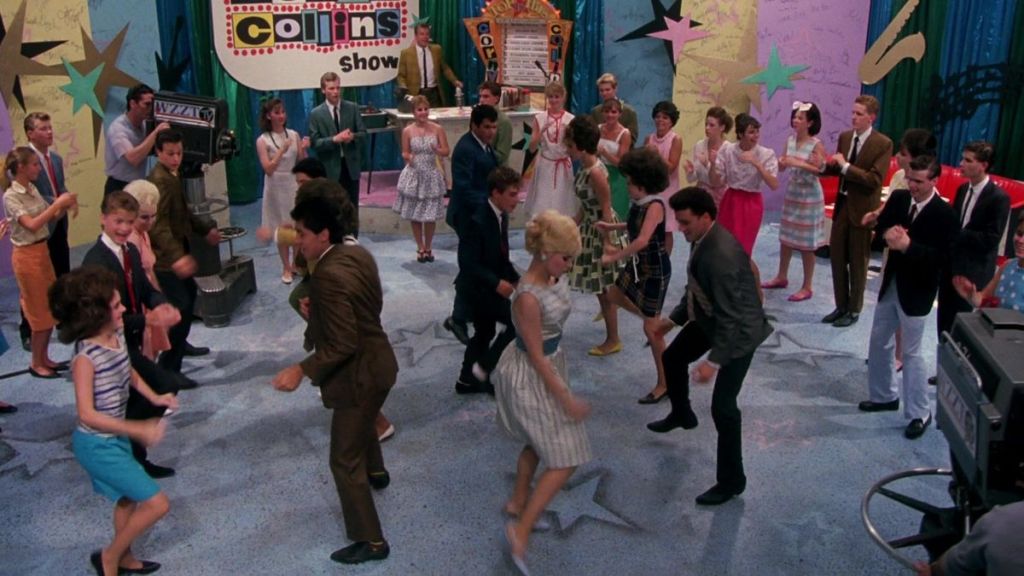
As his career progressed, Waters began to work with larger budgets and more mainstream actors, but he never lost his subversive edge. Films like Polyester and Hairspray used the conventions of the Hollywood musical to skewer societal norms and celebrate the outsider. Hairspray, in particular, has become a beloved cult classic and has been adapted into a successful Broadway musical.
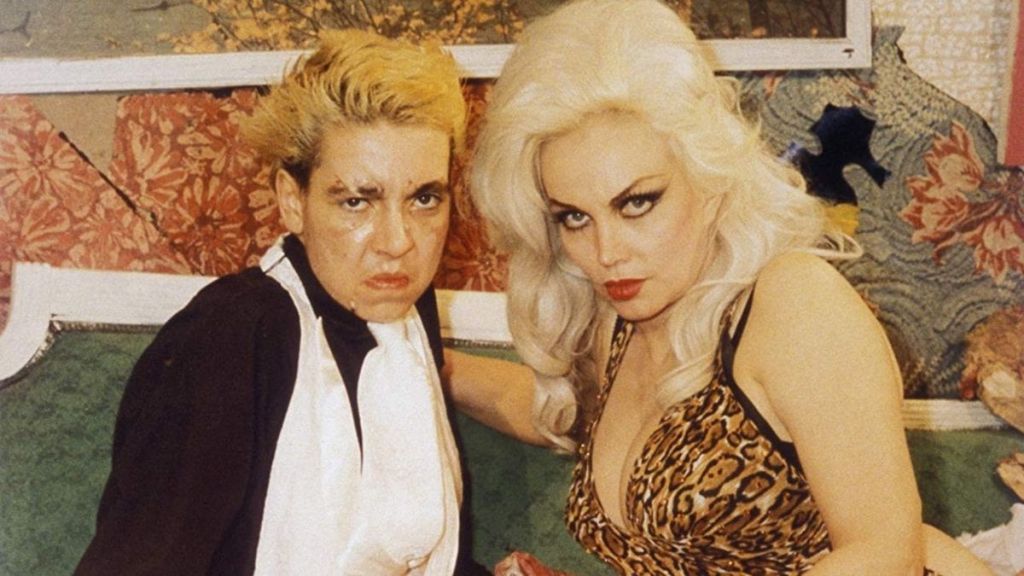
Waters’ films often present a unique confluence of camp aesthetics and subversive humour. He unapologetically embraces and showcases the queer, the perverse, and the kitsch, shedding light on the underbelly of American society with an acerbic wit and an unflinching gaze. For instance, Desperate Living delves into themes of anarchism, sexual deviancy, and social disorder, mirroring the anti-establishment sentiment of its time while indulging in purposefully crass and vivid visual storytelling. These narratives often celebrate the oddities and eccentricities of life, promoting inclusivity and acceptance for characters that exist on society’s margins.
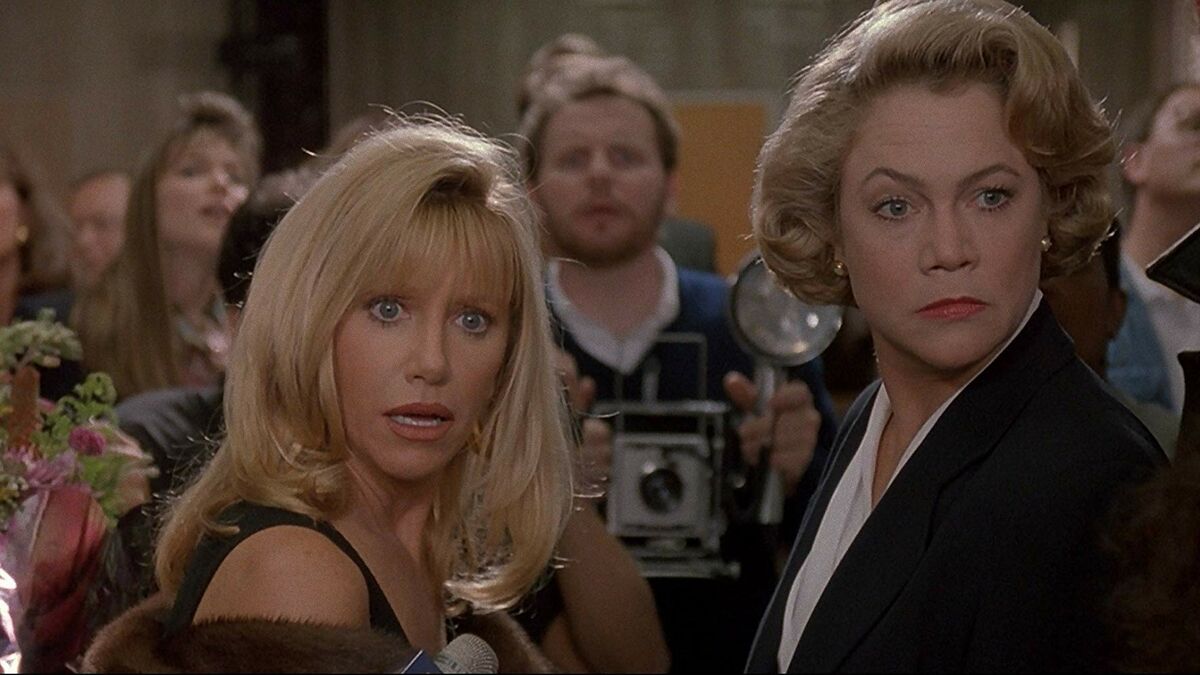
Another signature aspect of Waters’ work is his consistent collaboration with a troupe of recurring actors, often referred to as the Dreamlanders, who have brought his idiosyncratic visions to life. These collaborations have yielded unforgettable performances and have contributed immensely to the distinctive “feel” of a John Waters film. In Serial Mom, for example, Waters’ regular Kathleen Turner delivers a performance that satirises both the American family and the true crime genre, further enhancing Waters’ commentaries on the duality and hypocrisy inherent in American suburban life. His films, while often provocative, challenge audiences to reflect on and reassess their assumptions about taste, morality, and the wider social order.

John Waters (1946 – -)
Calculated Films:
- Pink Flamingos (1972)
- Female Trouble (1974)
- Desperate Living(1977)
- Polyester (1981)
Similar Filmmakers
- Alex Cox
- Bruce LaBruce
- Ed Wood
- Frank Henenlotter
- George Kuchar
- Gregg Araki
- Harmony Korine
- Herschell Gordon Lewis
- John Cameron Mitchell
- Jon Moritsugu
- Kenneth Anger
- Nick Zedd
- Paul Morrissey
- Pedro Almodovar
- Richard Kern
- Russ Meyer
- Todd Solondz
- Usama Alshaibi



John Waters’ Top 5 Films Ranked
1. Hairspray (1988)
Genre: Comedy, Parody
2. Polyester (1981)
Genre: Satire, Black Comedy

3. Female Trouble (1974)
Genre: Crime, Black Comedy, Exploitation, Satire, Queer Cinema, Gross-Out Comedy

4. Multiple Maniacs (1970)
Genre: Crime, Black Comedy, Exploitation, Satire, Queer Cinema, Satire, Gross-Out Comedy

5. Desperate Living (1977)
Genre: Black Comedy, Exploitation, Queer Cinema, Satire, Gross-Out Comedy
John Waters: Themes and Style
Themes:
- Counterculture & Subversion: Waters is known for embracing and celebrating subversive elements of culture, often challenging societal norms and taboos. His films frequently explore the lives of outsiders, eccentrics, and rebels.
- Sexuality: Many of Waters’ films delve into sexuality, presenting it in humorous, provocative, and sometimes shocking ways. He doesn’t shy away from exploring non-traditional sexual norms and behaviours.
- Consumerism & Media Satire: Waters often pokes fun at American consumerism, pop culture, and the media, satirising the way they influence society and shape perceptions.
- Baltimore Influence: Baltimore, Waters’ hometown, plays a significant role in his films, showcasing its quirks, character, and spirit. The city’s unique culture and local colour are central to many of his narratives.
Styles:
- Camp Aesthetic: Waters’ films are renowned for their “campy” sensibilities, celebrating that which is considered by mainstream society as tacky, kitschy, or absurd.
- Provocation: He often aims to shock or provoke his audience with over-the-top characters, scenarios, and dialogue. This is particularly evident in his early works, where the objective was frequently to surprise and even appal.
- Low Budget & DIY Ethos: Especially in his earlier films, Waters adopted a DIY approach, working with tight budgets, amateur actors, and guerrilla filmmaking techniques. This gave his films a raw and authentic feel.
- Dark Humor: Waters uses dark humour and twisted scenarios to satirise societal conventions, often toeing the line between comedy and grotesque.
Directorial Signature:
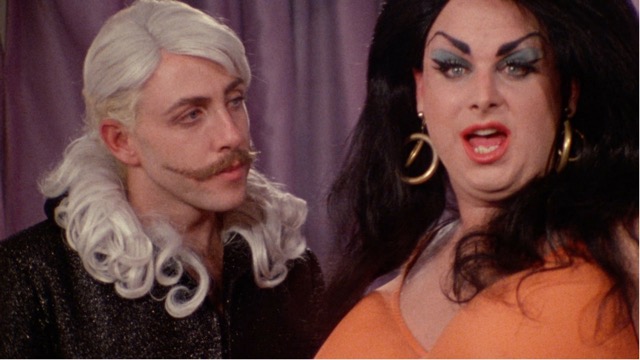
- Dreamlanders: Waters frequently collaborates with a troupe of actors known as the “Dreamlanders,” which includes Divine, Mink Stole, Mary Vivian Pearce, and others. Their unique acting styles and personas are integral to the Waters cinematic universe.
- Shocking Scenes: Waters loves to incorporate at least one or two scenes intended to shock or surprise, even if it’s just for the sake of being provocative.
- Tongue-in-Cheek Narration: Waters often employs a cheeky narrative style, whether it’s through dialogue, character monologues, or voiceovers. There’s usually a self-awareness that communicates to the audience that they’re in on the joke.
- Quirky Characters: His films are populated with eccentric, larger-than-life characters who, despite their outrageousness (or perhaps because of it), are deeply relatable and endearing.
- Visual Flair: Waters has a unique visual style that combines garish colours, off-kilter framing, and unconventional settings. This distinctive look complements the eccentric narratives and characters of his films.
John Waters – Great Director


 Bronze Screen Dream