

John Schlesinger was a renowned British filmmaker celebrated for his distinctive and diverse filmography across several genres. His films, ranging from social realism to Hollywood blockbusters, often had an undercurrent of societal commentary. He gained international fame with Darling, which earned him his first Academy Award for Best Director nomination, while his masterpiece, Midnight Cowboy, became the first and only X-rated film to win the Best Picture Oscar. Other notable films include Sunday Bloody Sunday and Marathon Man, emblematic of his ability to present gripping narratives and complex characters.
Schlesinger’s filmography is characterised by a compassionate portrayal of characters often living on society’s margins. His narratives frequently explored themes of alienation, identity, and sexuality, subtly communicated through everyday human experiences. For instance, in Midnight Cowboy, he explored a poignant story of friendship between two misfits in New York City, a departure from the glamorous depiction of the city in popular cinema. His unique visual style was realistic yet atmospheric, with a masterful use of lighting, location, and innovative cinematography to emphasise the narrative’s mood. In Marathon Man, he combined suspense and political thriller elements with intricate character development, exhibiting his versatility and ability to bend genres.
Throughout his career, Schlesinger tended to challenge conventions and push boundaries, whether by tackling controversial subjects or experimenting with visual storytelling. His influence can be seen in the works of numerous directors who followed, underlining his enduring legacy in cinema. He also significantly contributed to the ‘British New Wave’ cinema movement, which redefined British cinema in the late 1950s and 1960s. His approach towards filmmaking, a mix of keen societal observation and compassionate storytelling, was marked by an honesty that lent his films a timeless quality.

John Schlesinger (1926 – 2003)
Calculated Films:
- Midnight Cowboy (1969)
- Marathon Man (1976)
Similar Filmmakers


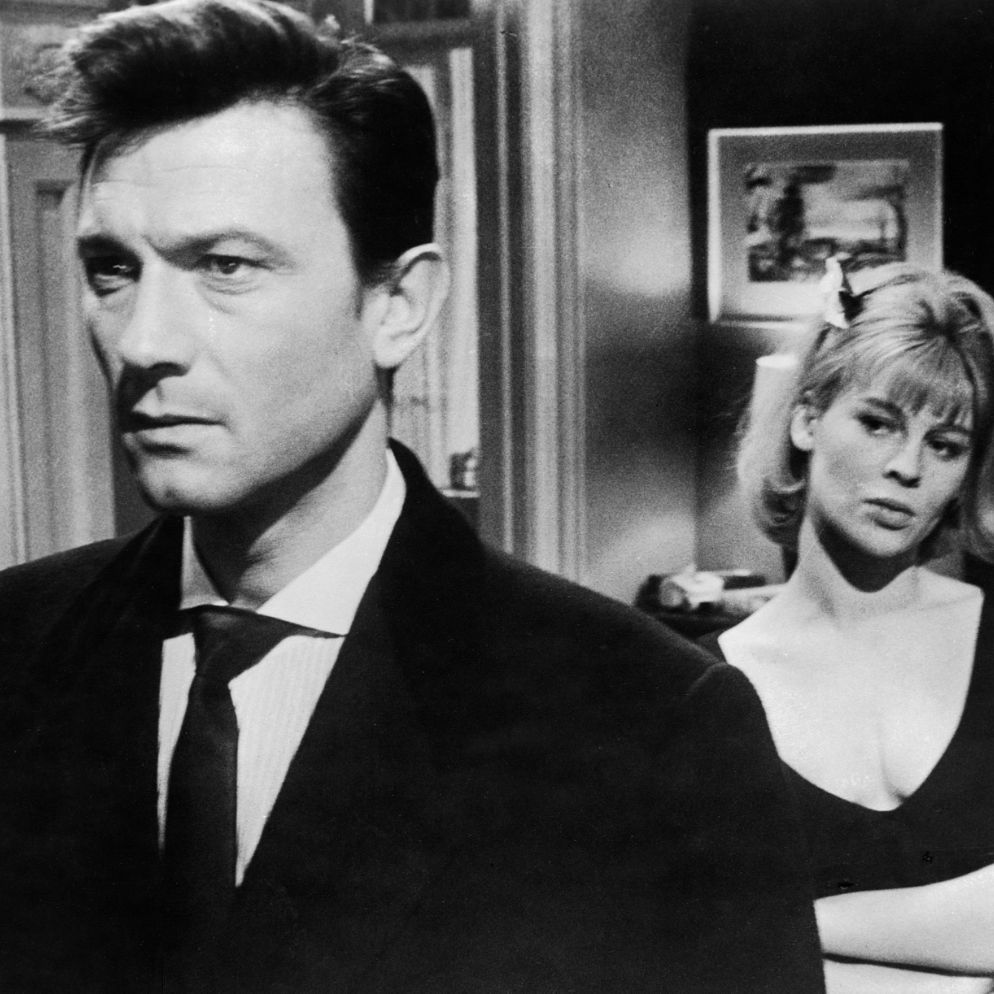
John Schlesinger’s Top 5 Films Ranked
1. Midnight Cowboy (1969)
Genre: Drama, Buddy
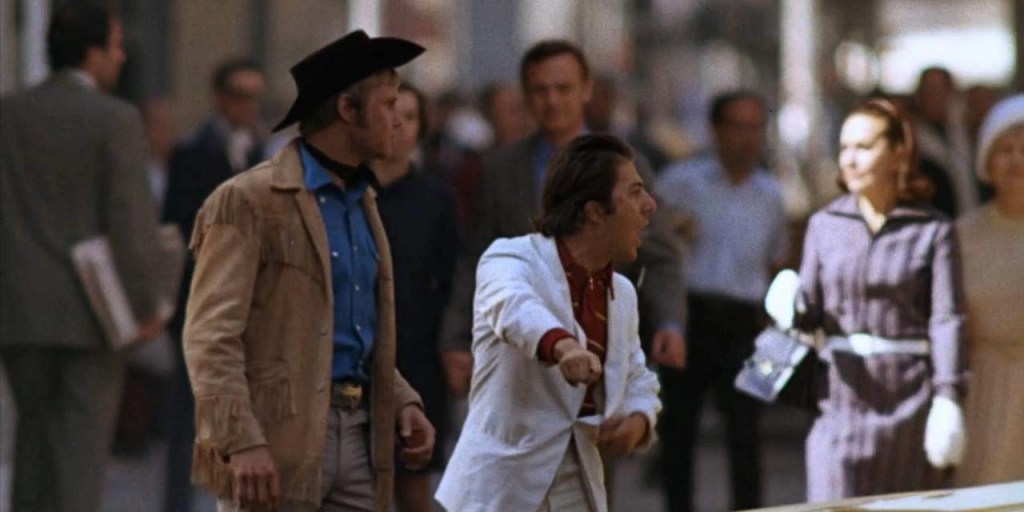
2. Billy Liar (1963)
Genre: Comedy, Low Fantasy

3. Marathon Man (1976)
Genre: Thriller
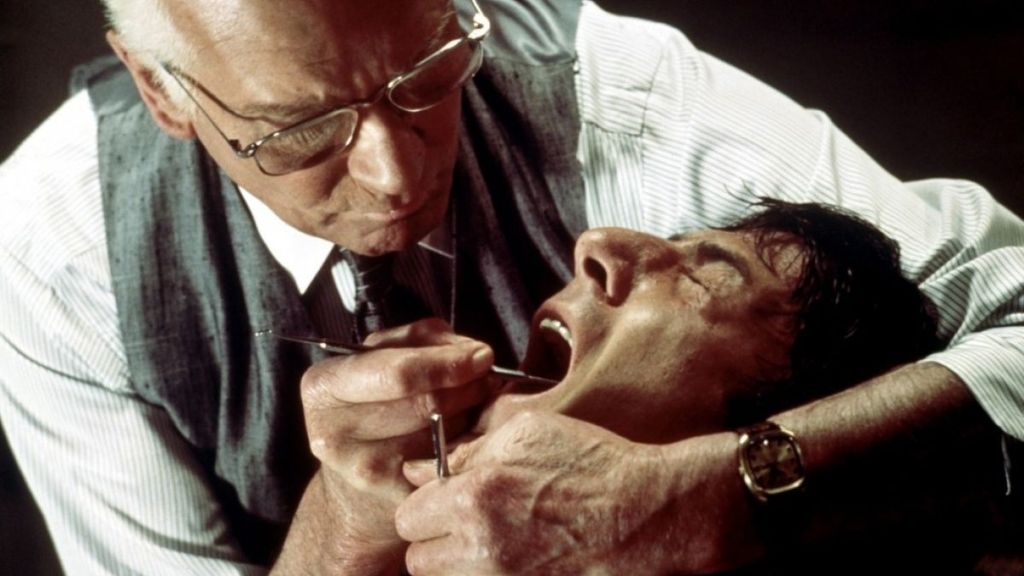
4. Sunday Bloody Sunday (1971)
Genre: Drama

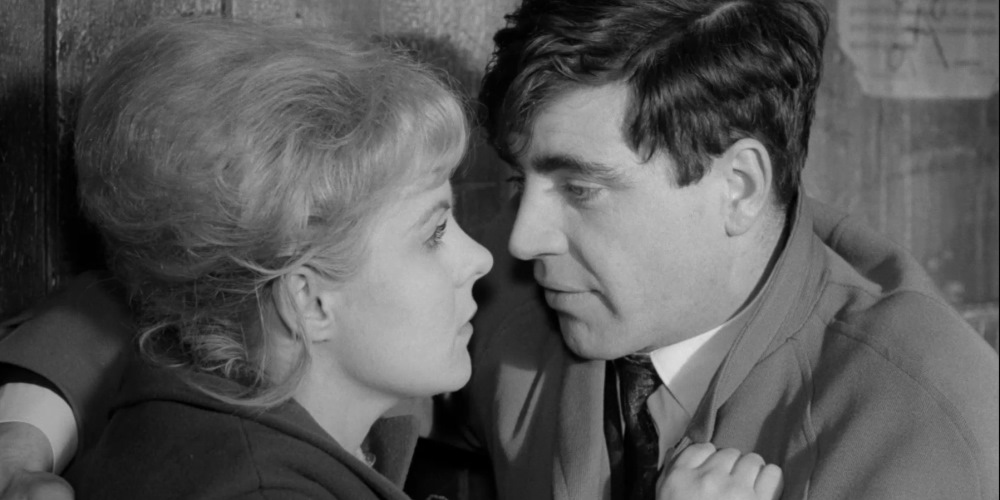
5. A Kind of Loving (1962)
Genre: Kitchen Sink Realism, Romance

John Schlesinger: Themes and Style
Themes:
- Urban Life & Alienation: Schlesinger frequently depicted the complexities of city life, highlighting the feelings of loneliness and isolation even in densely populated settings. Films like Midnight Cowboy delve into the underbelly of urban existence and the struggles of its inhabitants.
- Sexual and Personal Identity: He wasn’t afraid to explore sexuality and its nuances, as seen in films like Sunday, Bloody Sunday where he addressed bisexuality and societal acceptance.
- Clash of Cultures: Many of his films underscore the tension between different cultures or lifestyles, often putting characters in situations where they’re confronted with worlds alien to them. This is particularly evident in The Day of the Locust.
- Personal Disillusionment: His characters often undergo personal crises, realising the disparity between their dreams and reality. This sense of disillusionment and coming to terms with one’s circumstances recur in his works.
Styles:
- Realism: Schlesinger had a knack for capturing the gritty realities of life, favouring a more realistic, grounded portrayal of over-idealised narratives. This realism is perhaps most famously seen in Midnight Cowboy, which won an Oscar for Best Picture.
- Deep Character Exploration: Schlesinger gave audiences multi-dimensional characters, deeply exploring their psyches, motivations, and flaws. His films are character-driven, ensuring viewers feel a genuine connection to the protagonists.
- Innovative Cinematography: The use of unique angles, jump cuts, and montages is evident in his work. For instance, the dream sequences in Midnight Cowboy or the juxtaposition of sequences in Billy Liar reflect his inventive approach.
- Strong Soundtracks: Schlesinger’s films often included memorable soundtracks that enhanced the narrative. The harmonica theme from Midnight Cowboy and the music in Darling are prime examples.
Directorial Signature:
- Empathy for Outsiders: At the core of many of Schlesinger’s films is a deep sense of empathy for the outsider or the marginalised individual. Be it a Texan hustler in New York City or a Jewish doctor in a complicated romantic entanglement, he ensured that the audience felt a connection to those on the fringes.
- Juxtaposition of Comedy and Tragedy: He adeptly blended elements of humour and heartbreak, often within the same narrative. Films like Billy Liar exhibit this balance, as audiences oscillate between laughter and sorrow.
- Societal Commentary: While Schlesinger told personal, intimate stories, they often came with broader social and political commentaries. The narratives were localised, but the themes were universal.
John Schlesinger – Great Director


 Bronze Screen Dream