

John Frankenheimer was an American film and television director known for his versatility and mastery of a wide range of genres, from political thrillers and science fiction to action and drama. His films often explore themes of paranoia, conspiracy, and the abuse of power, with a keen eye for visual storytelling and a talent for eliciting powerful performances from his actors.
Frankenheimer first gained attention in the 1950s and early 1960s with a string of successful television productions, including episodes of Playhouse 90 and Climax!. He made the transition to feature films with The Young Stranger and The Young Savages, but it was his 1962 political thriller The Manchurian Candidate that truly established him as a major force in Hollywood. The film’s bold visual style, complex narrative, and chilling performances set a new standard for the genre.
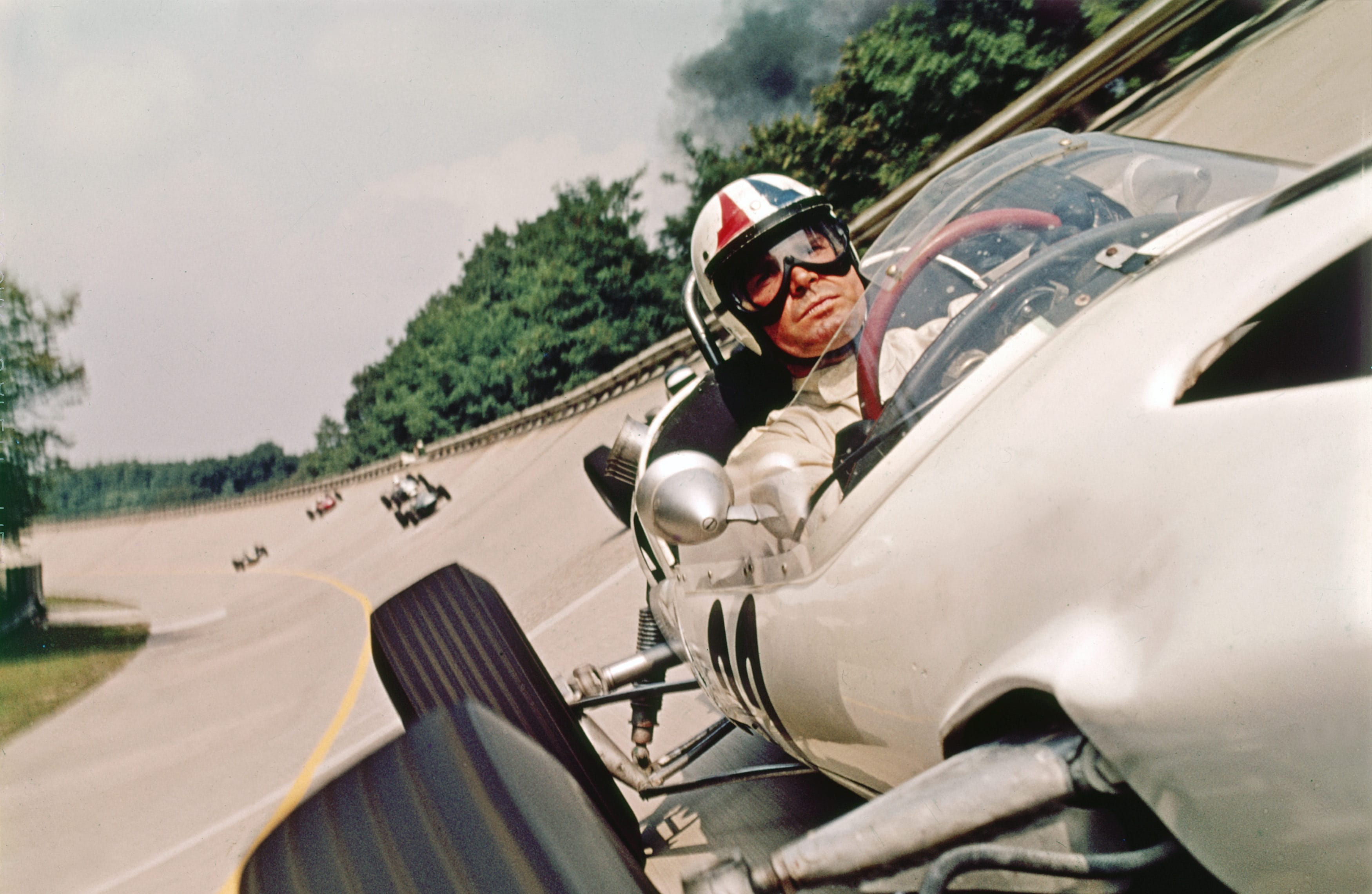
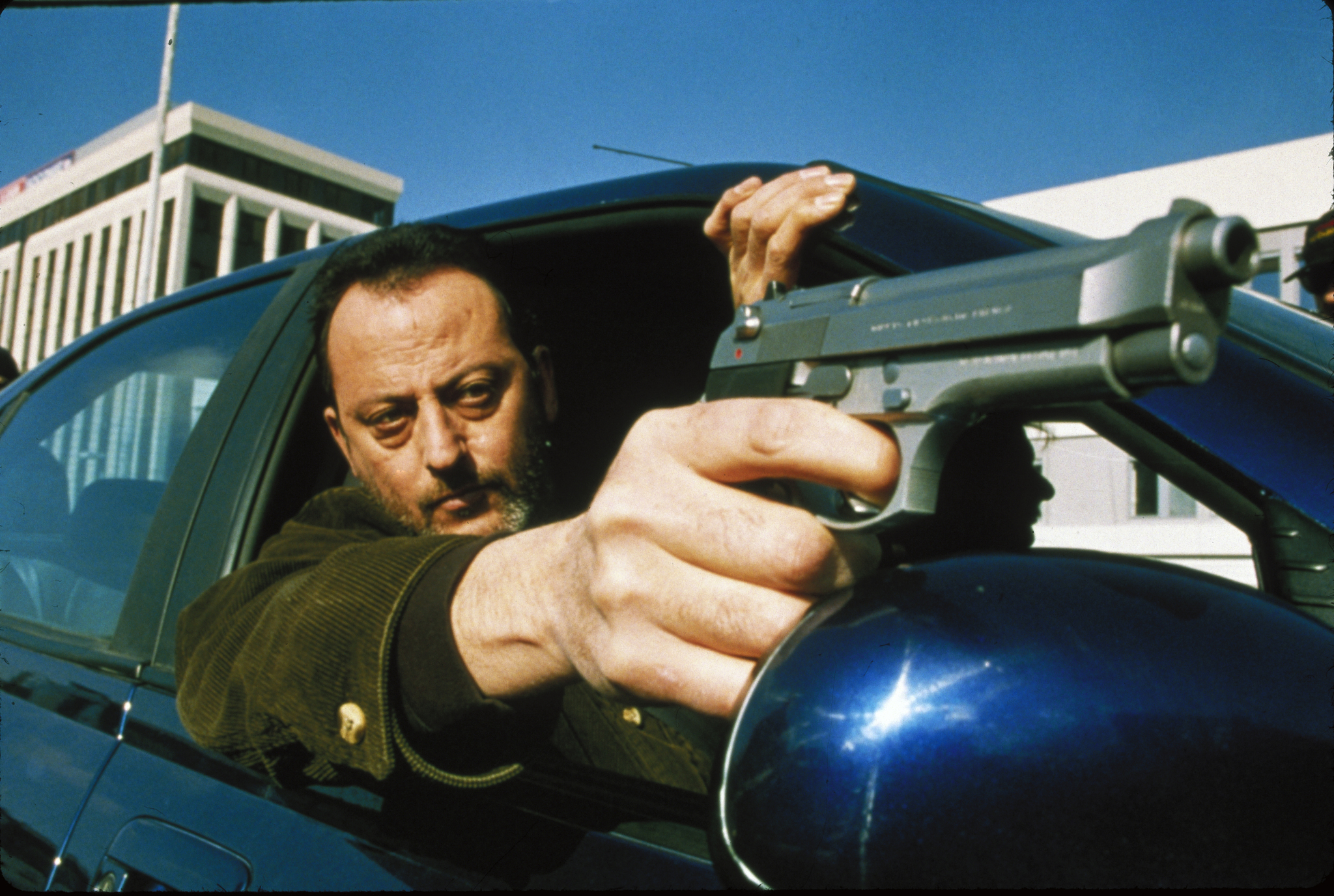
Throughout the 1960s and 1970s, Frankenheimer continued to push the boundaries of filmmaking with a series of ambitious and often daring projects. Seven Days in May and The Train showcased his skill at crafting tense, suspenseful narratives, while Seconds and The Iceman Cometh demonstrated his ability to tackle weighty philosophical and existential themes. His 1966 film Grand Prix, with its groundbreaking cinematography and immersive racing sequences, remains a landmark in the history of the sports film genre. His later career was marked by a mix of highs and lows, but he continued to produce notable works such as Black Sunday, 52 Pick-Up, and Ronin.
Frankenheimer is celebrated for his inventive use of wide-angle lenses and deep-focus cinematography, which contributed to an atmospherically intense and often claustrophobic film experience. This stylistic approach is epitomised in Seconds, where the innovative camerawork amplifies the narrative’s psychological tension.
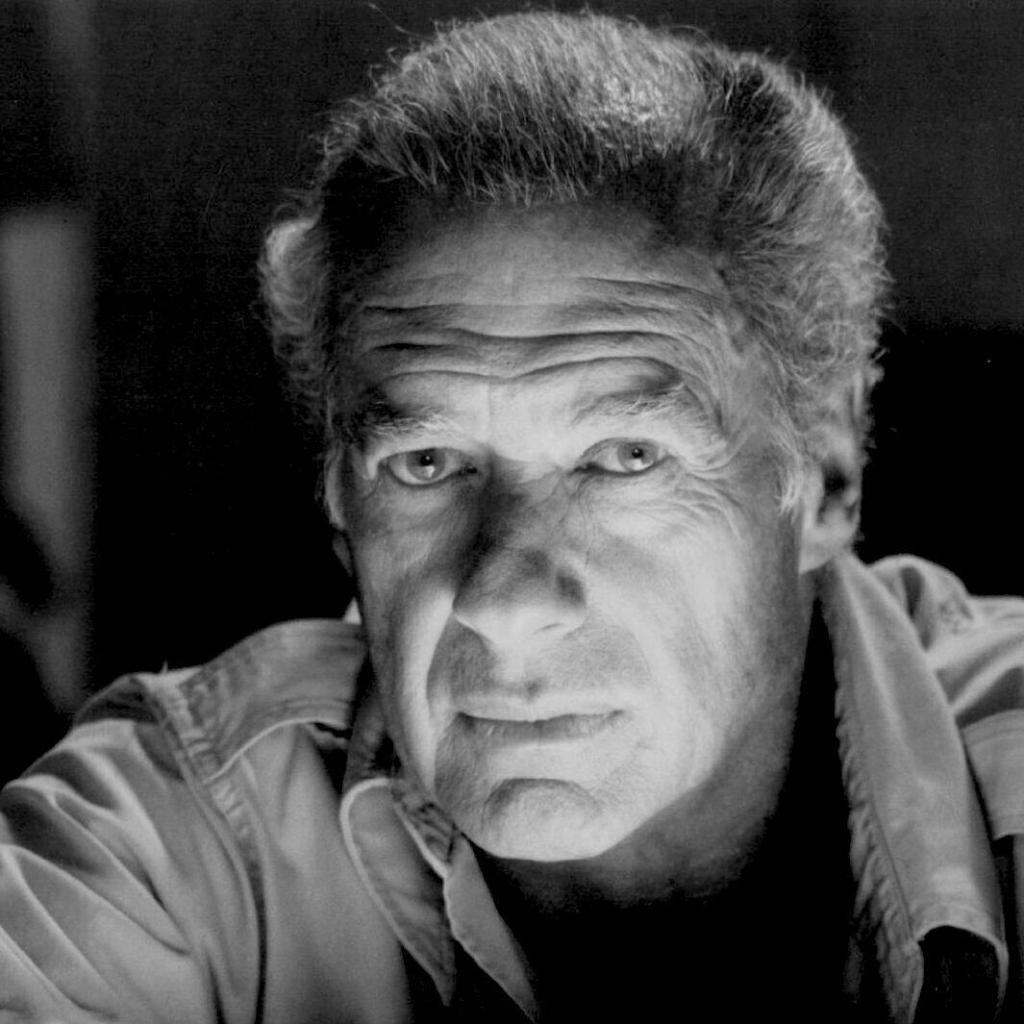
John Frankenheimer (1930 – 2002)
Calculated Films:
- The Manchurian Candidate (1962)
- The Train (1964)
- Seven Days in May (1964)
- Seconds (1966)
Similar Filmmakers

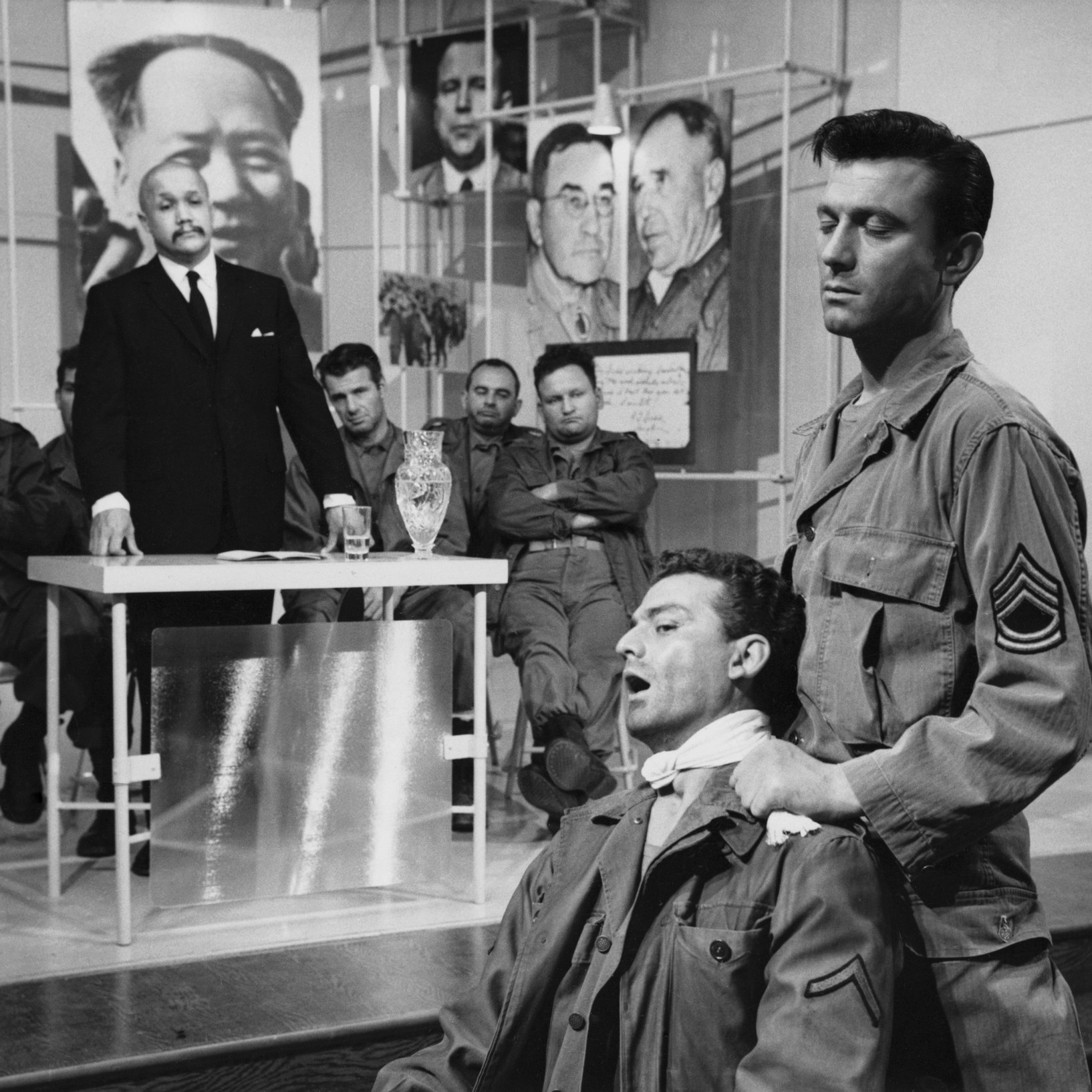
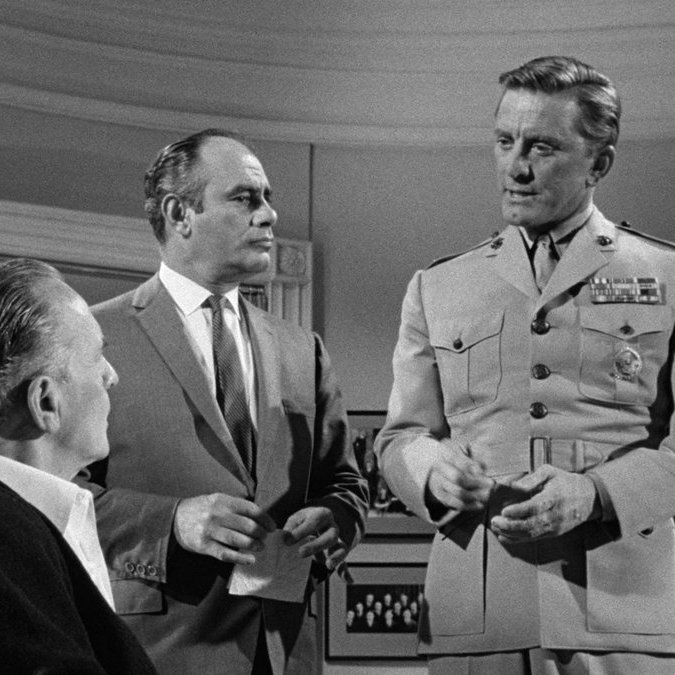
John Frankenheimer’s Top 5 Films Ranked
1. Seconds (1966)
Genre: Psychological Thriller, Sci-Fi, Drama
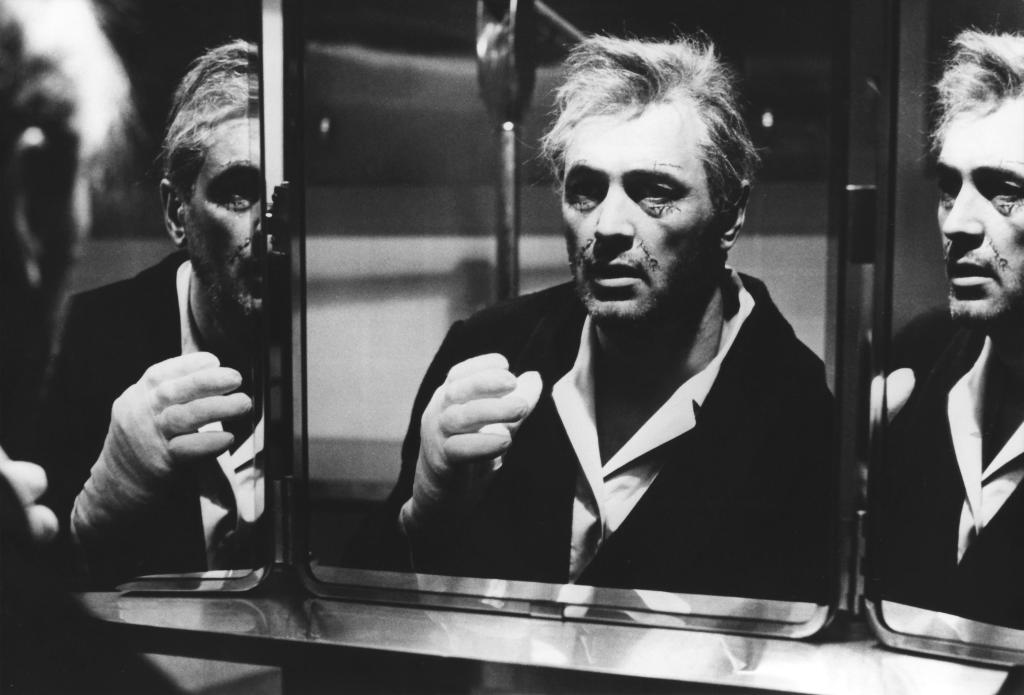
2. The Train (1964)
Genre: War, Thriller

3. The Manchurian Candidate (1962)
Genre: Psychological Thriller, Political Thriller, Political Drama
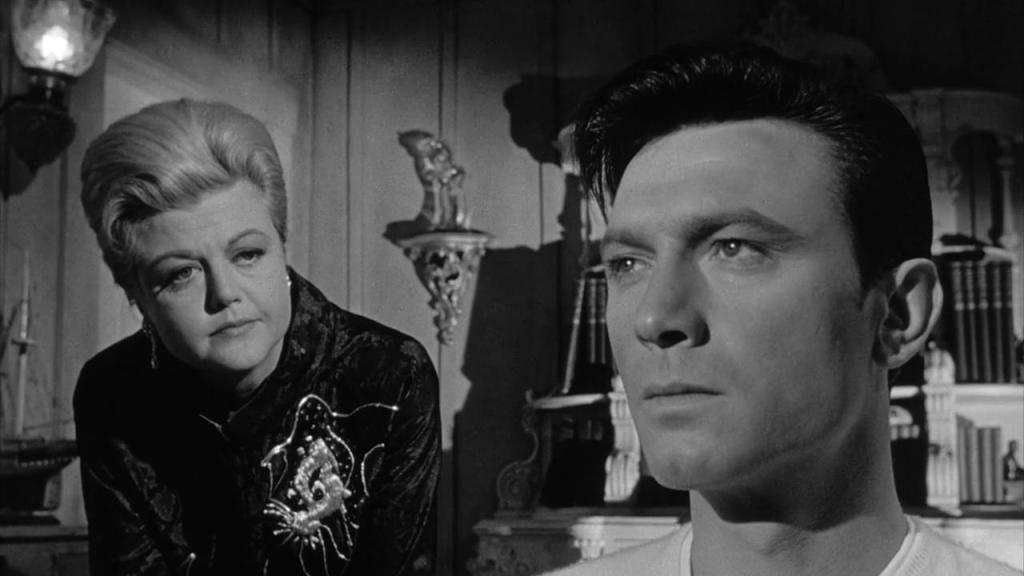
4. Seven Days in May (1964)
Genre: Political Thriller, Political Drama
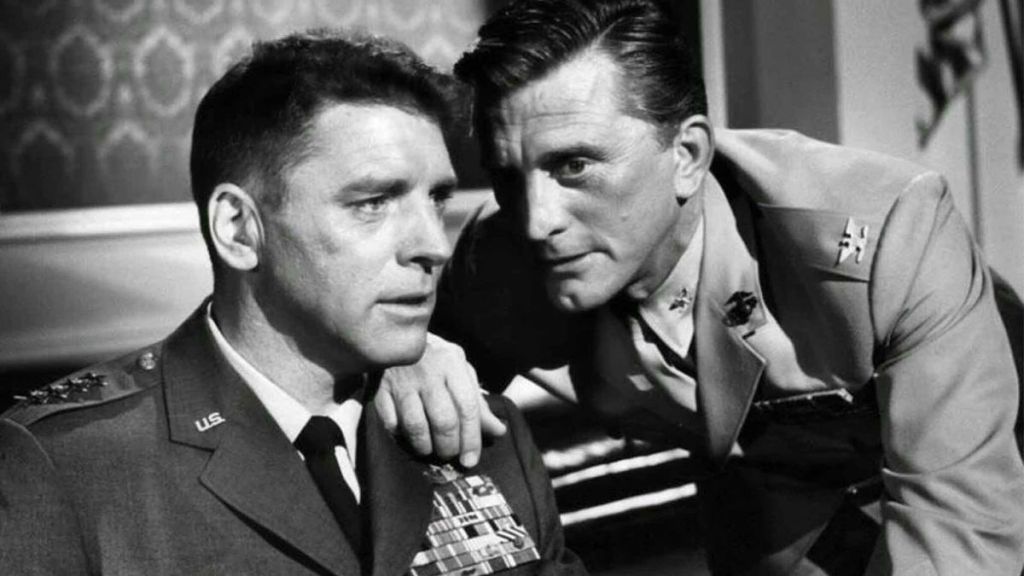
5. Birdman of Alcatraz (1962)
Genre: Prison Film, Biographical

John Frankenheimer: Themes and Style
Themes:
- Identity and Transformation: Many of Frankenheimer’s films touch on personal identity. In films like Seconds, characters undergo literal and metaphorical transformations, often exploring the tension between who they are and who they want to be.
- Political Paranoia: With works like The Manchurian Candidate and Seven Days in May, Frankenheimer delves into the anxieties of the Cold War era, examining brainwashing, political conspiracies, and the abuse of power.
- Societal Pressures: Whether it’s the pressures of conforming to societal norms, as in Seconds, or the weight of institutional structures, Frankenheimer’s characters frequently grapple with larger societal forces that seek to dictate or disrupt their lives.
- Redemption and Humanity: Even in his bleaker films, there’s often a thread of redemption or the exploration of the deeper facets of human nature, as seen in Birdman of Alcatraz.
Styles:
- Deep Focus Photography: Frankenheimer often used deep focus shots that kept the foreground and background in sharp focus, adding layers to his storytelling.
- Complex Camera Movements: His background in live television influenced his cinematic style, leading to intricate tracking shots and dynamic camera angles.
- Taut Editing: Pacing was crucial in Frankenheimer’s thrillers. His tight editing helped elevate the tension and suspense in his narratives.
- Atmosphere: Whether it’s the eerie, unsettling feel of Seconds or the charged political ambience of The Manchurian Candidate, Frankenheimer was a master at cultivating a specific mood or atmosphere that intensified the thematic elements of his films.
Directorial Signature:
- Collaborations: Frankenheimer frequently collaborated with certain actors, like Burt Lancaster, suggesting a trusted working relationship that allowed for depth and nuance in performances.
- Realism: Drawing from his television background, many of Frankenheimer’s films have a touch of realism, grounding even his more fantastical stories in a palpable reality.
- Societal Commentary: His films often act as mirrors to society, reflecting the anxieties, tensions, and hopes of the times. This deep engagement with the socio-political landscape became a hallmark of his work.
John Frankenheimer: The 208th Greatest Director
 Bronze Screen Dream