

John Ford, an American film director, is widely recognised for his contributions to the Western genre and his profound influence on cinema. His work is characterised by a unique blend of storytelling and visual composition, making him a pivotal figure in the history of filmmaking. Ford’s films, such as Stagecoach and The Searchers, are considered classics and have left an indelible mark on the cinematic landscape.
Ford’s journey into filmmaking began with his older brother Francis, a successful actor and director in the silent film era. Working under his brother, Ford honed his craft and eventually began directing his own films. His early works were primarily Westerns and adventure films, genres that would come to define his career.
Ford’s films are known for their recurring themes and motifs. He often explored the complexities of the American frontier, portraying it as a place of both danger and opportunity. His characters are typically rugged individuals who must navigate the harsh realities of their environment. Ford’s films also often grapple with the tension between civilisation and wilderness, a theme that is particularly evident in The Man Who Shot Liberty Valance.
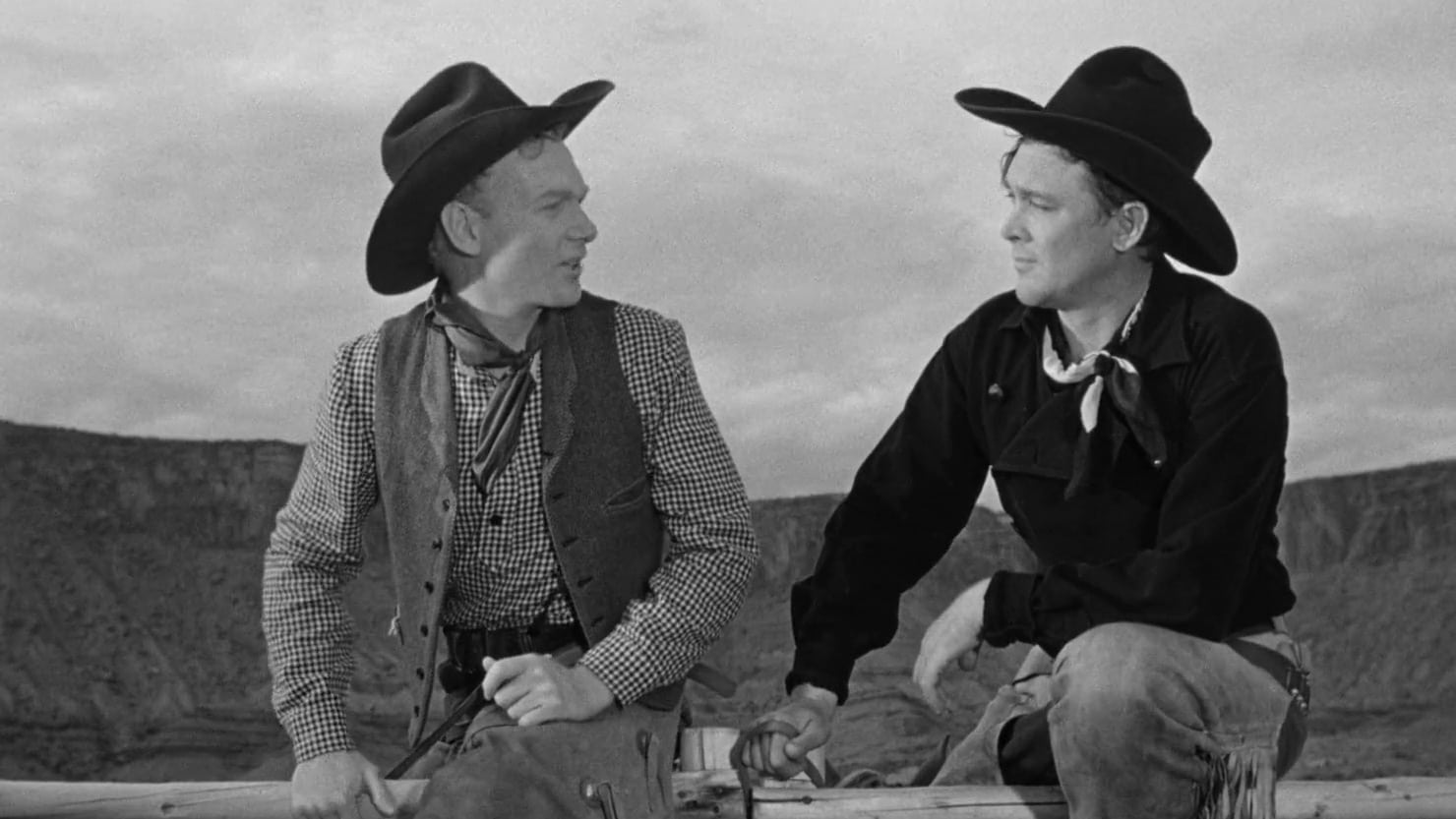
The Expansive West in Minature.
Ford was known for his use of landscape and setting. His films often feature vast, sweeping shots of the American West, creating a sense of scale and grandeur. This is particularly evident in My Darling Clementine, where the stark beauty of Monument Valley is used to great effect. Ford’s use of deep-focus photography, allowing both the foreground and background to be in sharp focus, was another distinctive aspect of his visual style.
A strong emphasis on storytelling and character development characterised Ford’s approach to filmmaking. He was known for his meticulous attention to detail and ability to elicit powerful performances from his actors. This is evident in The Grapes of Wrath, where Ford’s direction helped to bring John Steinbeck’s novel to life on the screen.
John Ford’s influence on cinema is vast and enduring. Directors such as Akira Kurosawa in Japan and Sergio Leone in Italy have cited Ford as a major influence on their work. His impact on the Western genre is particularly notable, with many of his stylistic and thematic elements becoming genre conventions. Ford’s films have also been recognised for their cultural and historical significance, with several being selected for preservation in the United States National Film Registry.

John Ford (1894 – 1973)
Calculated Films:
- Straight Shooting (1917)
- 3 Bad Men (1926)
- Pilgrimage (1933)
- The Lost Patrol (1934)
- The Informer (1935)
- Steamboat Round The Bend (1935)
- The Prisoner of Shark Island (1936)
- Stagecoach (1939)
- Young Mr Lincoln (1939)
- The Grapes of Wrath (1940)
- The Long Voyage Home (1940)
- How Green Was My Valley (1941)
- Tobacco Road (1941)
- They Were Expendable (1945)
- My Darling Clementine (1946)
- For Aache (1948)
- She Wore A Yellow Ribbon (1949)
- Wagon Master (1950)
- Rio Grande (1950)
- The Quiet Man (1952)
- The Sun Shines Bright (1953)
- The Long Gray Line (1955)
- The Searchers (1956)
- The Man Who Shot Liberty Valance (1962)
Similar Filmmakers


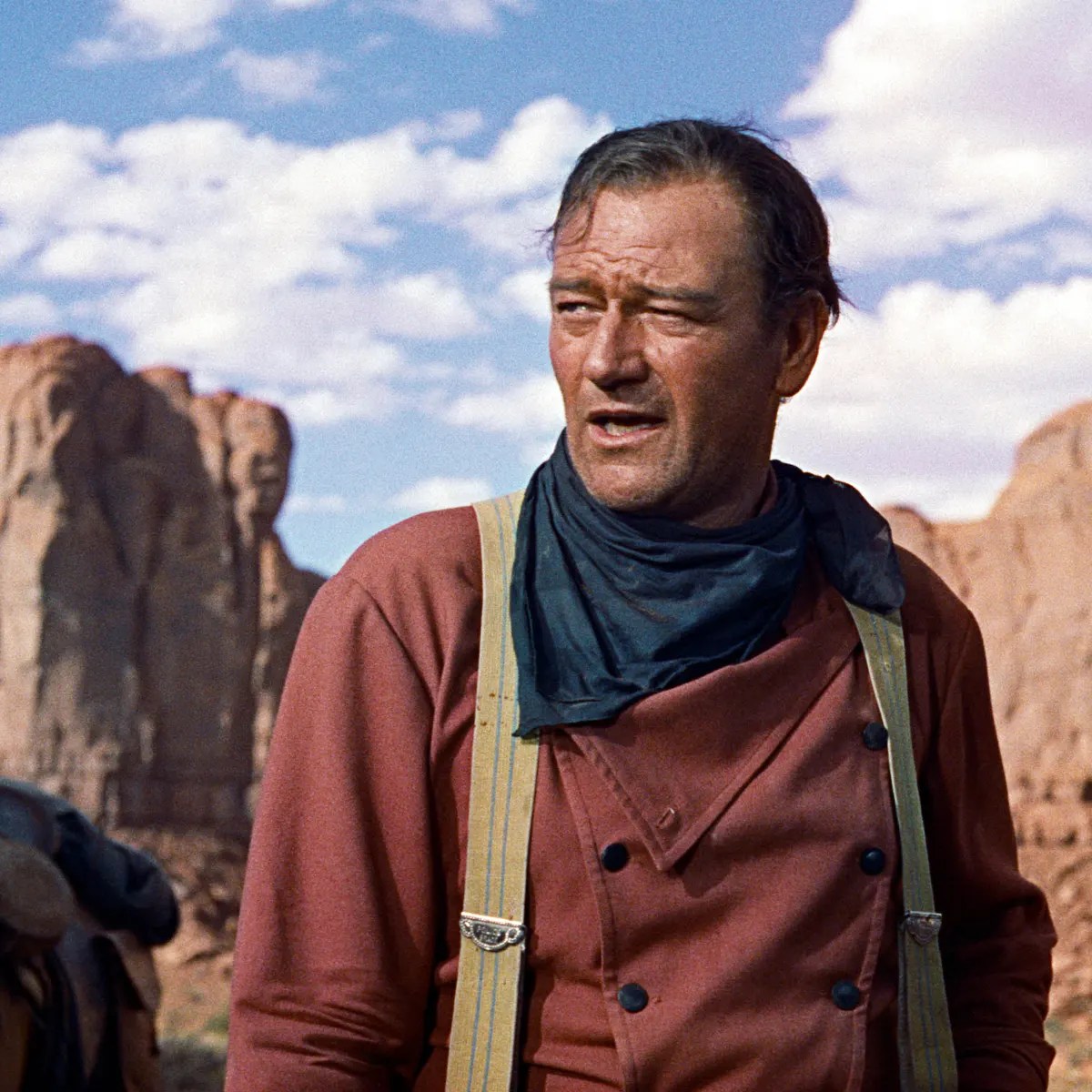
John Ford’s Top 10 Films Ranked
1. The Grapes of Wrath (1940)
Genre: Drama, Road Movie

2. The Man Who Shot Liberty Valance (1962)
Genre: Western, Drama

3. My Darling Clementine (1946)
Genre: Western, Drama

4. The Searchers (1956)
Genre: Western
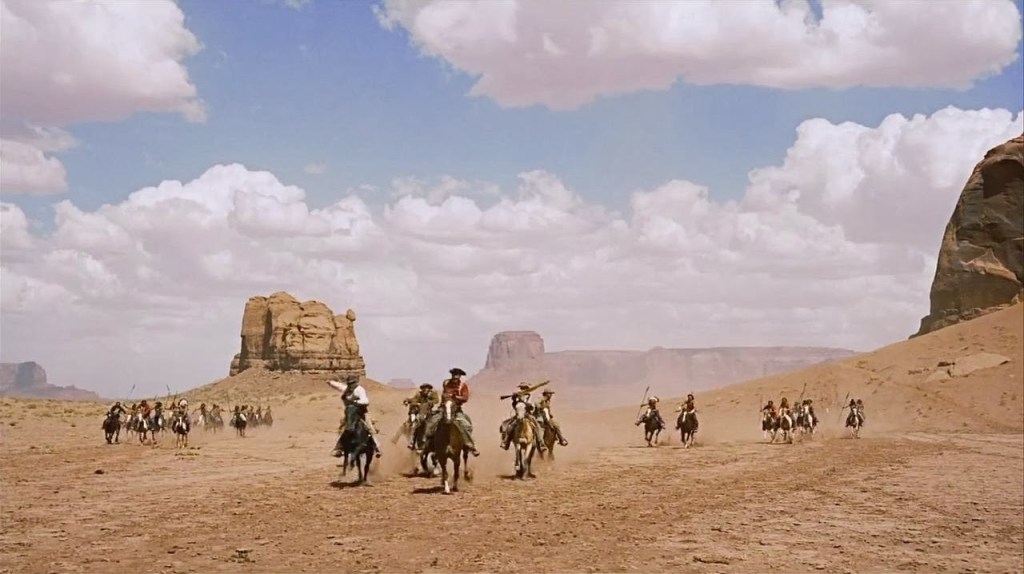
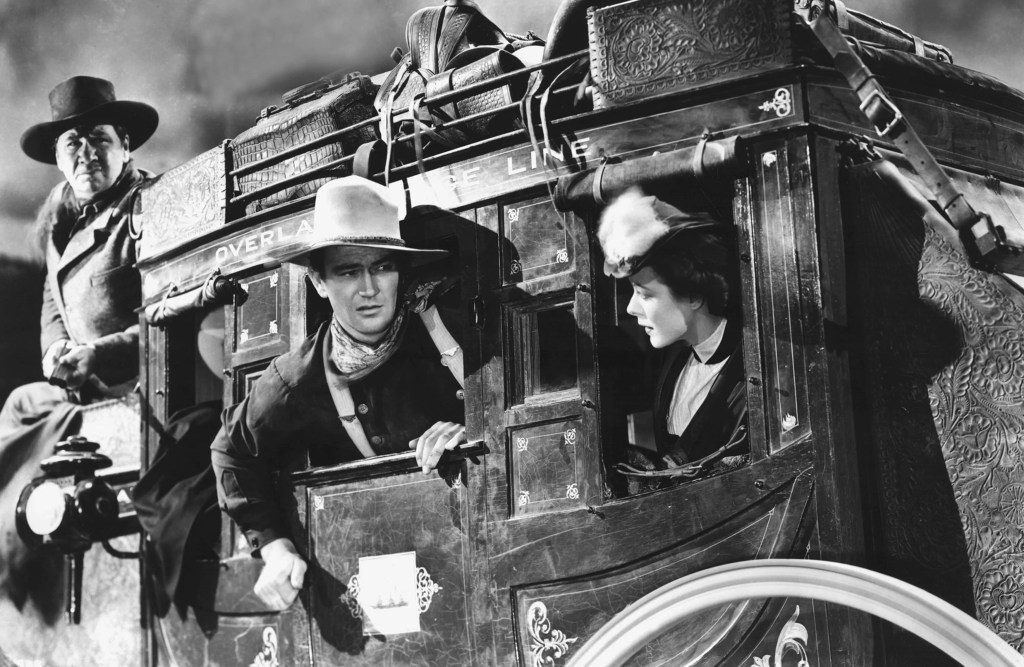
5. Stagecoach (1939)
Genre: Western, Road Movie
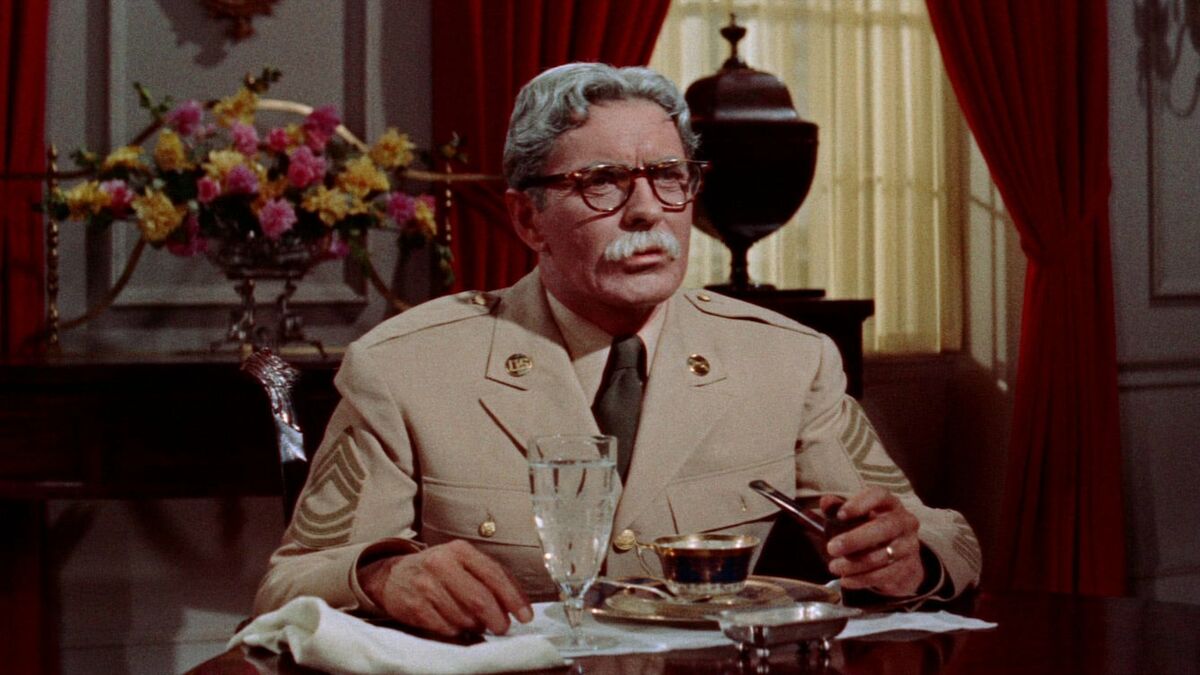
6. Fort Apache (1948)
Genre: Western, Drama

7. The Quiet Man (1952)
Genre: Comedy, Romance, Melodrama

8. Young Mr Lincoln (1939)
Genre: Biographical, Legal Drama

9. Wagon Master (1950)
Genre: Western, Road Movie

10. The Long Gray Line (1955)
Genre: Biographical, Drama

John Ford: Themes and Style
Themes:
- The American Frontier: John Ford frequently depicted the frontier and the Old West, showcasing both its promise and its challenges. Films like The Searchers and Stagecoach present a vision of the frontier as a place of both danger and opportunity.
- Community and Solidarity: Ford’s films often celebrated the importance of community. In movies like The Grapes of Wrath, the bonds between characters provide strength and resilience in the face of adversity.
- Morality and Personal Integrity: Characters in Ford’s films often grapple with moral dilemmas. In The Man Who Shot Liberty Valance, the question of how one defines heroism and honour is central.
- Cultural and Racial Tensions: Ford delved into the tensions between Native Americans and white settlers, especially in films like Fort Apache. These themes explore the complexities of cultural clashes and changing societal landscapes.
Styles:
- Landscape Cinematography: Ford’s films are known for their grand, sweeping shots of landscapes, especially in his Westerns. Monument Valley, in particular, became synonymous with his vision of the American West.
- Deep Focus: Ford often utilised deep focus cinematography, which allows both the foreground and background to be in sharp focus. This technique draws viewers into the world he’s depicting, emphasising its vastness and complexity.
- Minimalism: Rather than relying on flashy camera work or editing, Ford preferred a more restrained, minimalist approach. He believed in the power of a single, well-composed shot to tell a story.
- Use of Music: Ford’s films make strategic use of music to underscore emotion and narrative. His frequent collaborations with composer Max Steiner, for instance, resulted in iconic scores that heightened the drama onscreen.
Directorial Signature:
- Stock Company: Ford often worked with a “stock company” of actors, using many of the same performers in multiple films. Familiar faces like John Wayne, Henry Fonda, and Ward Bond helped create a consistent aesthetic across his works.
- Historical Revisionism: While Ford’s films often dealt with historical subjects, he wasn’t afraid to take liberties with the truth for the sake of drama or to convey a deeper truth. His portrayal of events might deviate from strict historical accuracy but aimed for emotional or thematic truth.
- Economic Storytelling: Ford was known for his economical use of film. He often shot only what he intended to use, avoiding excessive coverage. This efficiency is reflected in his storytelling, which is direct and unembellished.
- Humanistic Approach: Above all, Ford’s directorial signature is marked by a deep humanism. Even in films dealing with vast historical events or epic landscapes, the focus is always on the individuals, their relationships, and their journeys.
John Ford: The 8th Greatest Director


 Bronze Screen Dream