

John Cromwell was an American director and actor whose career spanned several decades, making significant contributions to Hollywood’s golden age. Known for his deft handling of drama and romance genres, Cromwell’s films, such as Since You Went Away and Of Human Bondage, are celebrated for their emotional depth and the complex portrayal of human relationships. His ability to draw out nuanced performances from actors and his sensitive approach to storytelling set his work apart, earning him a place among the notable directors of his time.
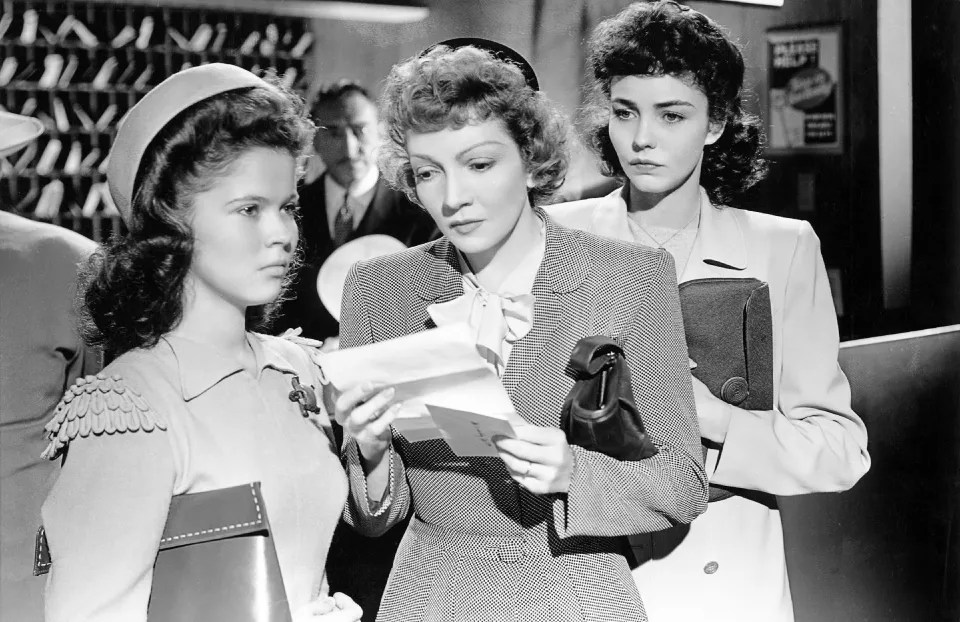
Cromwell’s career in the film industry began in the silent movie era, where he initially worked as an actor and stage director. His transition to film directing came in the early 1930s, marking the start of a prolific period in which he honed his craft and established his reputation. Cromwell’s early works quickly garnered attention for their artistic quality and narrative sophistication. The peak of his career came in the 1930s and 1940s, during which he directed some of his most acclaimed films. Since You Went Away, a poignant drama set against the backdrop of World War II stands out as a testament to his ability to capture the human spirit amidst adversity. However, like many of his contemporaries, Cromwell’s career faced challenges, including a brief period on the Hollywood blacklist during the McCarthy era, which temporarily derailed his directorial pursuits.
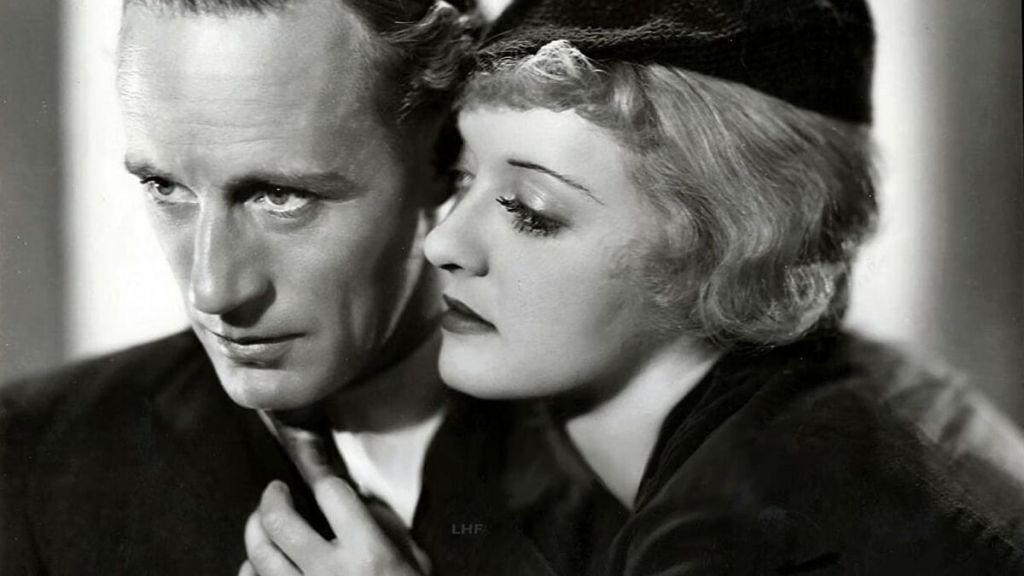
Cromwell’s films often focus on character-driven narratives, exploring the complexities of human relationships and the human psyche. For instance, Of Human Bondage, a drama based on the novel by W. Somerset Maugham, illustrates the destructive nature of obsessive love, showcasing Bette Davis in a breakthrough performance that highlighted Cromwell’s talent for eliciting deeply emotional and nuanced acting from his cast. Furthermore, his films often depict strong, multifaceted female characters, as evident in Anna and the King of Siam, where Irene Dunne delivers a powerful performance as a strong-willed English schoolteacher navigating a foreign culture.
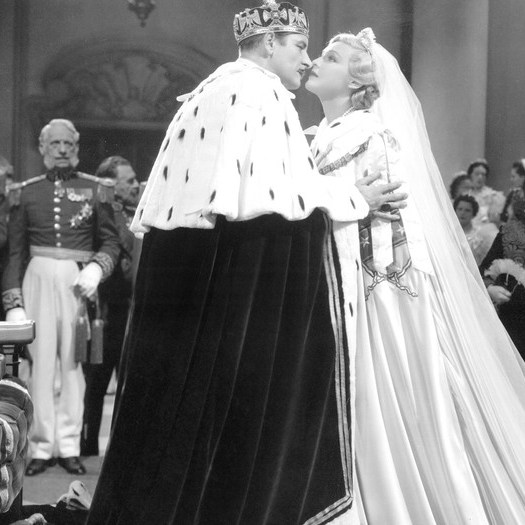
Visually, Cromwell had a refined and efficient style, often opting for straightforward yet effective compositions and camera movements to serve the story without unnecessary embellishment. He had a keen understanding of the visual language of cinema, utilising lighting, framing, and pacing to create atmospheres that enhanced the emotional impact of the narrative. In The Prisoner of Zenda, Cromwell effectively uses shadows and atmospheric lighting to make a sense of tension and adventure, demonstrating his adeptness at building mood and suspense.

John Cromwell (1886 – 1979)
Calculated Films:
- Prisoner of Zenda (1937)
- Since You Went Away (1944)
- The Enchanted Cottage (1945)
- Caged (1950)
Similar Filmmakers
- Clarence Brown
- Ernst Lubitsch
- Frank Capra
- Edmund Goulding
- George Cukor
- Gregory La Cava
- Henry King
- Irving Rapper
- James Whale
- Jean Negulesco
- Leo McCarey
- Michael Curtiz
- Richard Boleslawski
- Rouben Mamoulian
- Victor Fleming
- William K. Howard
- William A. Wellman
- William Wyler


John Cromwell‘s Top 5 Films Ranked
1. Caged (1950)
Genre: Drama, Prison Film, Film Noir

2. The Enchanted Cottage (1945)
Genre: Romance, Melodrama, Fantasy, Gothic
3. The Prisoner of Zenda (1937)
Genre: Swashbuckler, Romance

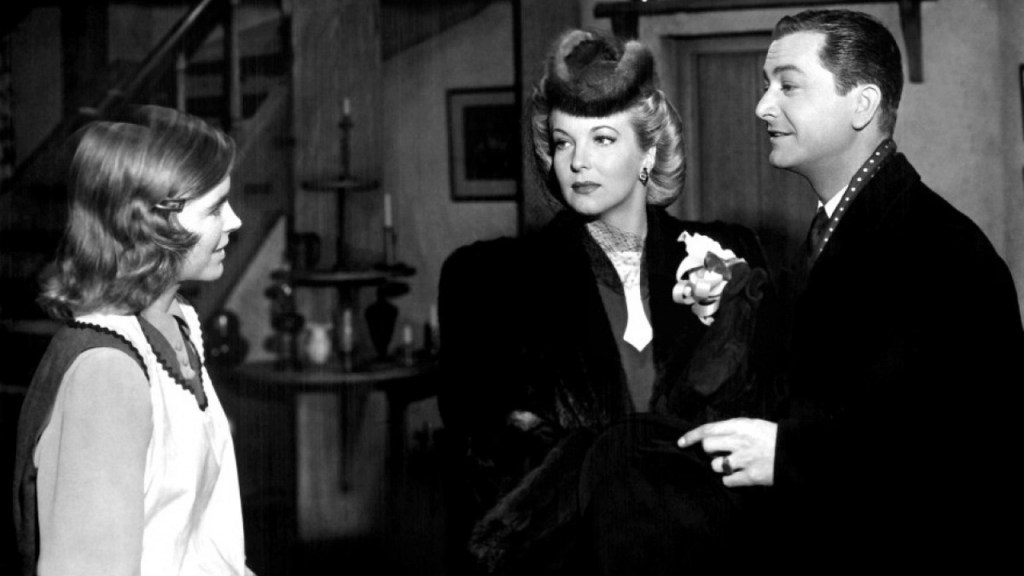
4. Since You Went Away (1944)
Genre: Drama

5. Of Human Bondage (1934)
Genre: Drama, Romance
John Cromwell: Themes and Style
Themes:
- Romance and Dramatic Love Stories: Many of Cromwell’s films, like Algiers and Made for Each Other, are characterised by intense romantic and love stories, often set against complex backgrounds and challenging circumstances.
- Social Issues: Several works delve into prominent social issues of his time. For example, Abe Lincoln in Illinois provides a glimpse into the life of the president while subtly discussing issues like slavery and governance.
- Human Nature and Relationships: His films often explore the depths of human nature, emotions, and intricate relationships, as seen in movies like Since You Went Away and The Enchanted Cottage.
Styles:
- Melodramatic Elements: Cromwell’s direction often incorporated theatrical elements, bringing an intensity and emotional depth to his characters and storylines. The style was particularly effective in engaging audiences and evoking empathy.
- Visual Storytelling: With a strong emphasis on the visual aspect of storytelling, Cromwell utilised camera techniques, lighting, and set designs effectively to create a distinct atmosphere and mood that complimented the narrative of his films.
- Actor-Director Approach: As a former actor, he had a keen understanding of actors’ methods and techniques, allowing him to guide performances in a way that enhanced the emotional delivery and authenticity of characters on screen.
Directorial Signature:
- Visual Elegance: His films often displayed a visual elegance and sophistication, with meticulously designed sets and costumes and carefully composed shots. This attention to detail created a compelling and aesthetically pleasing cinematic experience.
- Narrative Depth: Storytelling in Cromwell’s films often had layers of meaning and emotional depth. He had a knack for balancing character development with the progression of the narrative, ensuring that neither aspect overshadowed the other.
- Genre Versatility: While many of his contemporaries specialised in particular genres, Cromwell’s directorial work spanned a wide range. He created films from romance and drama to thrillers and historical films.
John Cromwell – Great Director



 Bronze Screen Dream