

John Cassavetes, a pioneering American filmmaker, is renowned for his groundbreaking contributions to independent cinema. Cassavetes, an accomplished actor turned director, distinguished himself by forging a path outside the mainstream Hollywood system, crafting raw, authentic, and emotionally resonant films. Known for his direction’s improvisational and spontaneous style, his deeply personal films such as Shadows, A Woman Under the Influence, and Faces have had a lasting impact on cinema.
Cassavetes’ interest in filmmaking began in the late 1950s, as he sought creative avenues outside of his successful acting career. He distinguished himself early on with his debut feature, Shadows, in 1959, financed through unconventional means, including radio appeals to the public. This bold approach to funding and production set the tone for his career, making him a vanguard of American independent cinema.
Central to Cassavetes’ filmmaking was his focus on improvisation and authenticity. He nurtured an environment where actors could deeply explore their characters, resulting in performances imbued with raw emotional power. This approach often transformed his films into intimate slices of life, as he favoured authenticity over structured narratives. Cassavetes’ fascination with complex characters and intricate relationships is another defining characteristic of his work. His films frequently delve into the emotional turmoil of ordinary people, an approach evident in Faces and A Woman Under the Influence.
Regarding style, Cassavetes was heavily influenced by cinéma vérité, a documentary filmmaking approach that prioritises natural actions and authentic dialogue. Cassavetes achieved a compelling sense of realism in his films by using handheld camera work, naturalistic lighting, and on-location shooting. This commitment to realism extended to his choice of themes, with many of his films dealing with societal and personal issues such as mental health, marriage, and the tension between individual desires and societal expectations.
Cassavetes frequently collaborated with a recurring ensemble of actors, including his wife, Gena Rowlands, Peter Falk, and Ben Gazzara. This close-knit group contributed to the unique, character-driven focus of his films. Known as an actor’s director, Cassavetes’ experience in front of the camera informed his empathetic approach to directing, allowing his actors to improvise and bring their own experiences to their roles, resulting in performances of genuine emotional depth.
Cassavetes’ legacy in filmmaking extends far beyond his own work. His innovative methods and commitment to independent cinema have influenced numerous filmmakers, with directors such as Martin Scorsese and Sean Baker citing him as a significant inspiration. His influence has also reached international shores, with filmmakers like Denmark’s Lars von Trier acknowledging his impact. By demonstrating that compelling, deeply personal films could be made outside the mainstream Hollywood system, Cassavetes redefined the potential of independent cinema.
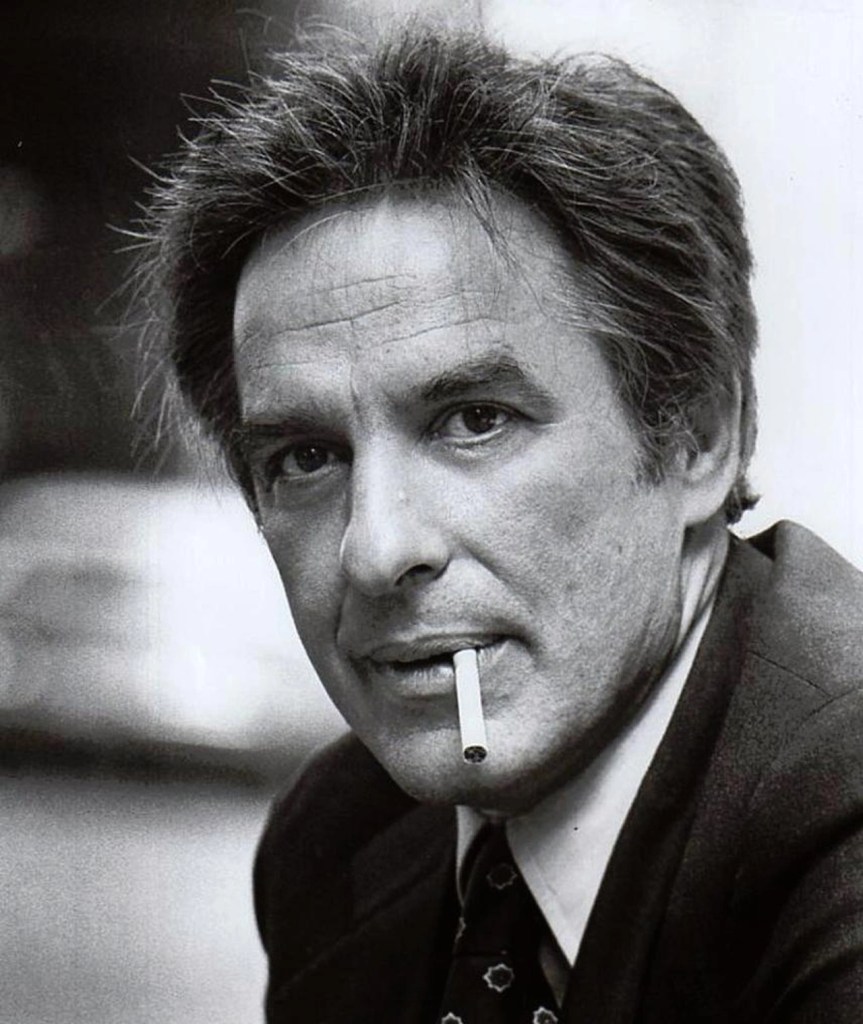
John Cassavetes (1929 – 1989)
Calculated Films:
- Shadows (1959)
- Faces (1968)
- Husbands (1970)
- A Woman Under The Influence (1974)
- The Killing of a Chinese Bookie (1976)
- Opening Night (1977)
- Love Streams (1984)
Similar Filmmakers
- Barbara Loden
- Bob Rafelson
- Charles Burnett
- Eagle Pennell
- Elaine May
- Ingmar Bergman


John Cassavetes’s Top 10 Films Ranked
1. A Woman Under The Influence (1974)
Genre: Psychological Drama, Family Drama

2. Love Streams (1984)
Genre: Drama, Psychological Drama

3. Opening Night (1977)
Genre: Psychological Drama
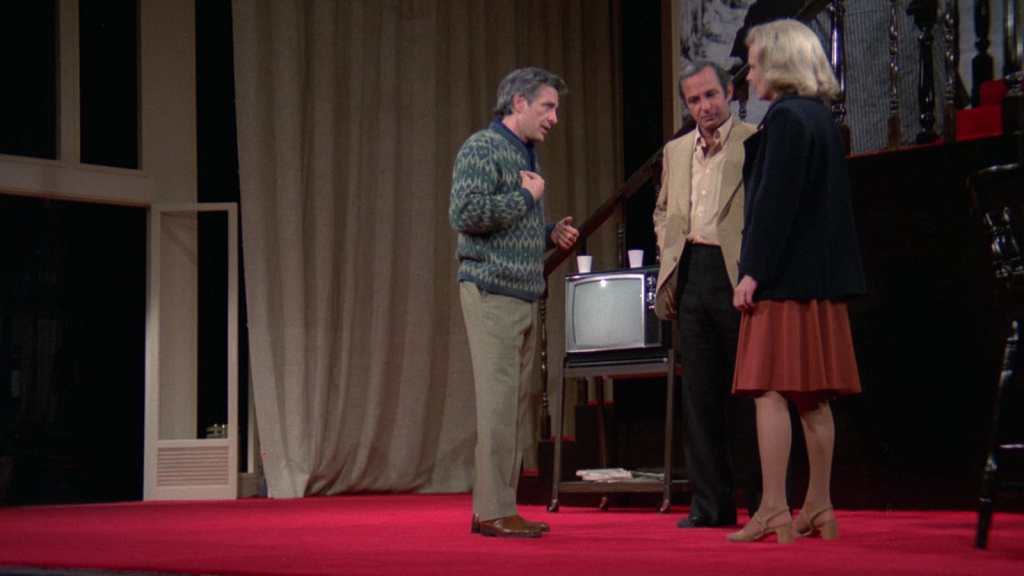
4. Faces (1968)
Genre: Drama, Psychological Drama

5. The Killing of a Chinese Bookie (1976)
Genre: Drama, Crime, Gangster Film, Neo-Noir

6. Husbands (1970)
Genre: Black Comedy, Drama

7. Minnie and Moskowitz (1971)
Genre: Romance, Drama, Comedy

8. Gloria (1980)
Genre: Gangster Film, Drama, Thriller

9. Shadows (1959)
Genre: Drama, Slice of Life

10. Too Late Blues (1961)
Genre: Drama, Music
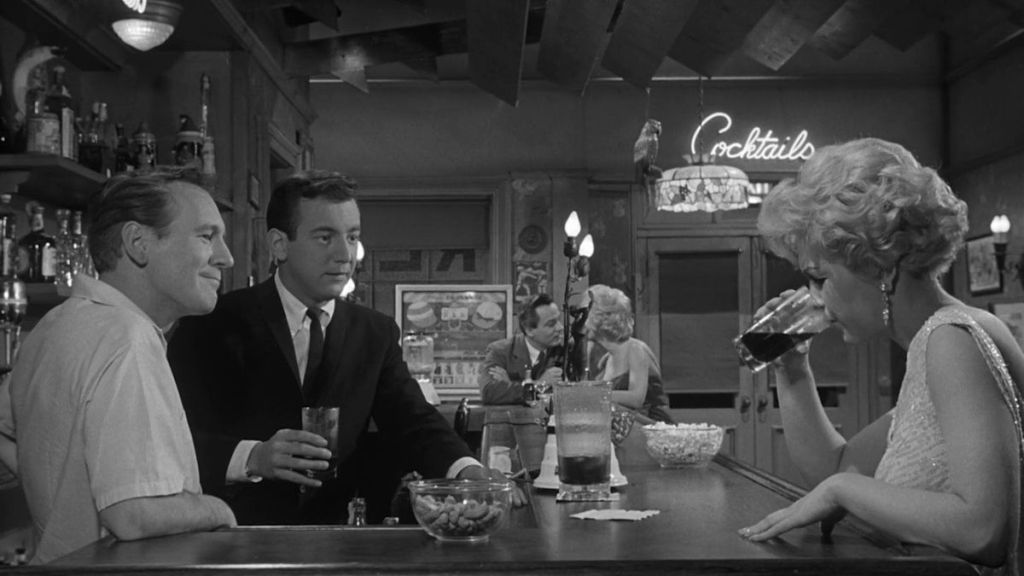
John Cassavetes: Themes and Style
Themes:
- Raw Emotional Landscapes: Cassavetes’s films, such as A Woman Under the Influence and Faces, dive deeply into the complex emotional worlds of their characters. His work often explores the intricacies of personal relationships, mental health, and the struggles of everyday life.
- Masculinity and Vulnerability: In films like Husbands, Cassavetes dissects the concept of masculinity, showcasing male characters who are flawed, vulnerable, and, at times, deeply insecure about their identities and societal roles.
- Feminine Perspectives and Agency: Cassavetes was ahead of his time in presenting strong female characters with agency. In Opening Night and Gloria, his female protagonists are complex, multifaceted, and far from the stereotypes of women in the era’s mainstream cinema.
- Improvisation and Authenticity: Many of Cassavetes’s works focus on the authentic portrayal of human emotion and interaction. He often encouraged improvisation to capture the most genuine moments, believing that this approach could reveal deeper truths about his characters.
Styles:
- Cinéma Vérité Influence: Cassavetes’s style is marked by a cinéma vérité influence, with a strong preference for handheld camera work and natural lighting, as seen in Shadows, creating an intimate, documentary-like feel.
- Improvisational Dialogue: His films are noted for their use of spontaneous dialogue, giving actors freedom within scenes to explore their characters more deeply, resulting in a more naturalistic performance.
- Intimate Close-Ups: Cassavetes often used close-up shots to capture the subtle nuances of facial expressions, allowing audiences to connect more deeply with the character’s inner turmoil and emotional states.
- Long Takes: The use of long takes in films like The Killing of a Chinese Bookie allows scenes to unfold naturally, with actors fully inhabiting the space and time of their characters’ lives, adding to the realism.
Directorial Signature:
- Actor-Centric Approach: Cassavetes was an actor’s director, often tailoring scenes to his actors’ strengths and encouraging them to explore their roles deeply. This resulted in performances that felt lived-in and real, as seen in Faces.
- Organic Storytelling: Rather than adhering strictly to a conventional script, Cassavetes’s directorial approach was organic, allowing the story to develop through the actors’ interactions, which often led to unexpected and emotionally charged narratives.
- Collaborative Creative Process: Cassavetes fostered a collaborative environment, often working closely with the same group of actors and crew members, creating a familial atmosphere on set that translated into the tight-knit dynamics onscreen.
- Independent Filmmaking Pioneer: As a trailblazer of American independent cinema, Cassavetes’s directorial signature includes working outside the studio system, often financing his films independently, which allowed him a greater degree of creative control.
John Cassavetes: The 35th Greatest Director




 Bronze Screen Dream