

John Carpenter is an American filmmaker, synonymous with horror and science fiction. His influential work, defined by its suspenseful storytelling, immersive atmospheres, and groundbreaking use of music, has left an indelible imprint on contemporary cinema. Carpenter’s most notable films, including Halloween and The Thing, remain some of the most influential works in the horror genre, demonstrating his ability to use the medium to evoke primal fears and societal anxieties.
Raised on a steady diet of cinema, Carpenter developed a love for filmmaking early on, creating short horror films during his time at the University of Southern California’s School of Cinema. His approach to filmmaking has always prioritised narrative economy and tension-building. He often explores themes of societal breakdown and the persistence of evil, using horror and science fiction to underline these ideas. For example, The Thing uses the conceit of a shape-shifting alien to provoke existential dread and paranoia, speaking to deeper fears of identity and transformation.
Carpenter’s visual style is characterised by its masterful use of the widescreen format and suspenseful action staging. His composition often features empty space and darkness, using the frame to emphasise isolation and vulnerability, creating a sense of impending dread. This is brilliantly displayed in Halloween, where the suburban setting becomes a character in its own right, intensifying the horror of the protagonist’s plight.
Horror, Suspense and Synths
Another defining feature of Carpenter’s work is his use of music, often composed by himself, to enhance the atmosphere and tension in his films. The synthesizer-based score of Halloween is a prime example, becoming one of the most recognisable and effective horror themes in film history. This approach emphasises Carpenter’s holistic understanding of filmmaking, considering every element, from cinematography to sound, to create a cohesive and impactful cinematic experience.
Carpenter’s work has inspired countless filmmakers across the globe, from American directors like Jordan Peele and James Wan to international figures like Edgar Wright and Guillermo del Toro. His impact on the horror genre has been particularly profound, with his innovative use of the “slasher” concept in Halloween influencing a generation of horror filmmakers. Despite initial mixed critical reception to films like The Thing, there has been a significant critical reappraisal over time, recognising Carpenter’s contributions to the genre and cinema as a whole. His unique approach to storytelling, visuals, and music continues to shape the landscape of horror and science fiction cinema.

John Carpenter (1948 –)
Calculated Films:
- Assault on Precinct 13 (1976)
- Halloween (1978)
- Escape From New York (1981)
- The Thing (1982)
- Big Trouble in Little China (1986)
- They Live (1988)
Similar Filmmakers
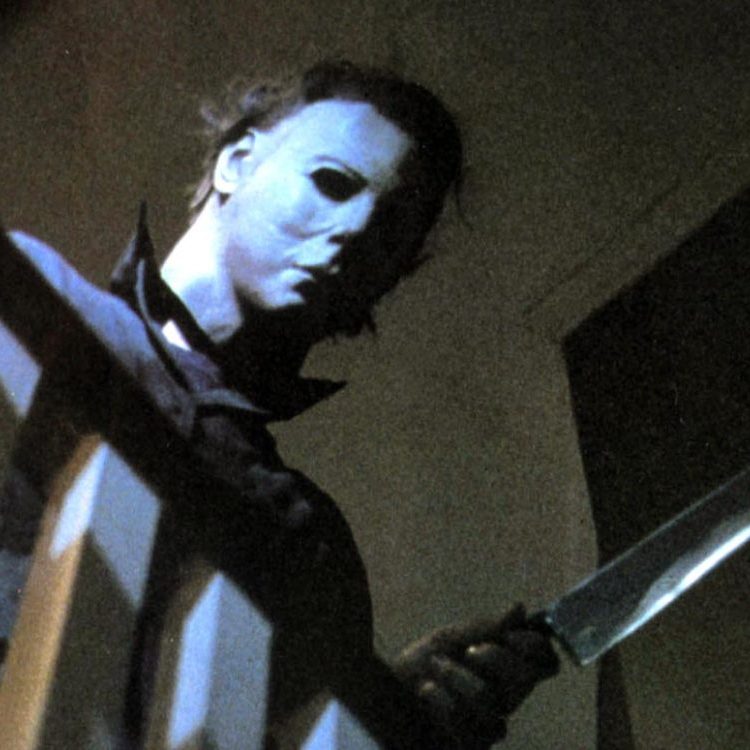


John Carpenter’s Top 10 Films Ranked
1. The Thing (1982)
Genre: Body Horror, Sci-Fi, Psychological Horror, Alien Invasion, Cosmic Horror
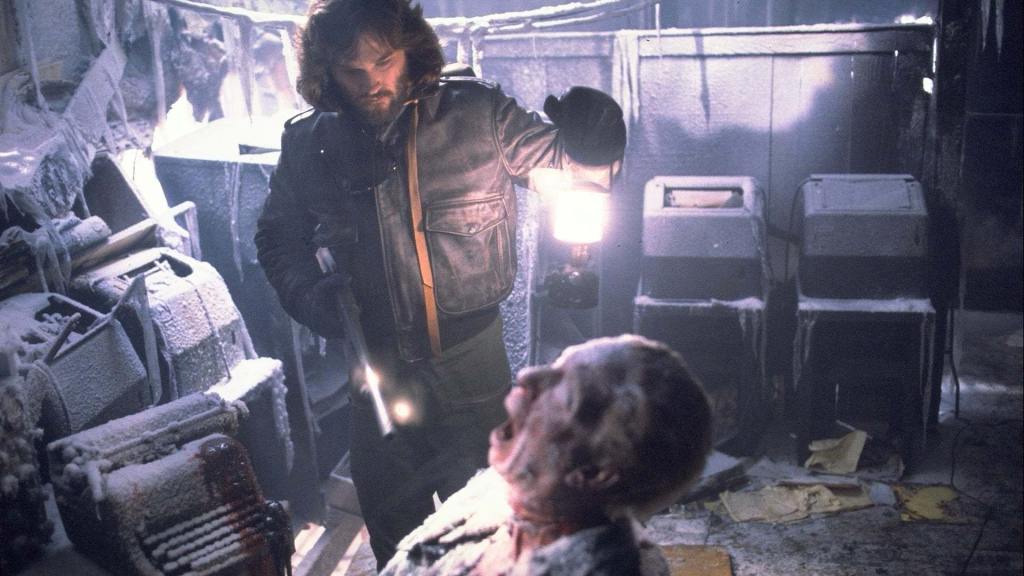
2. Assault on Precinct 13 (1976)
Genre: Thriller, Action, Crime

3. Halloween (1978)
Genre: Slasher
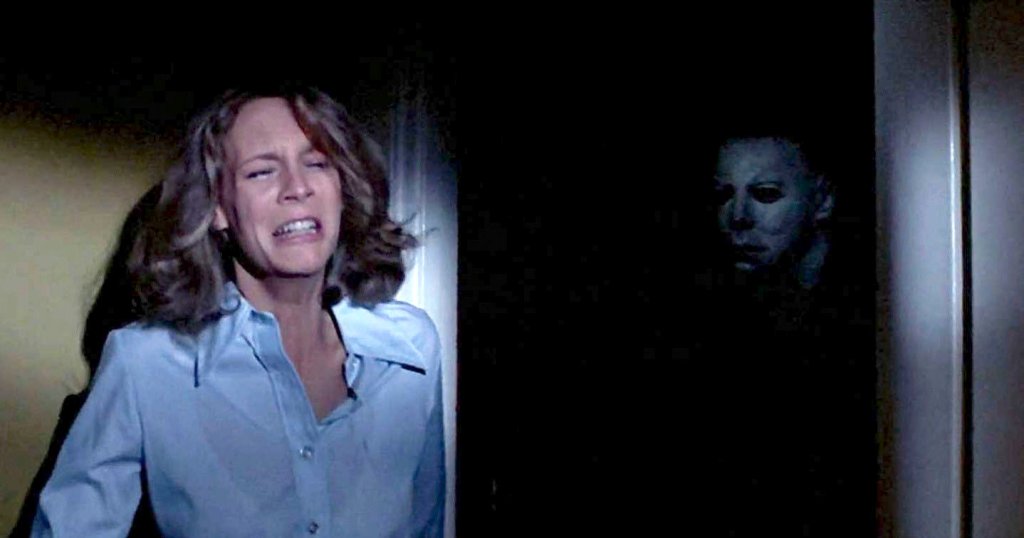
4. They Live (1988)
Genre: Dystopian, Satire, Action, Sci-Fi, Alien Invasion
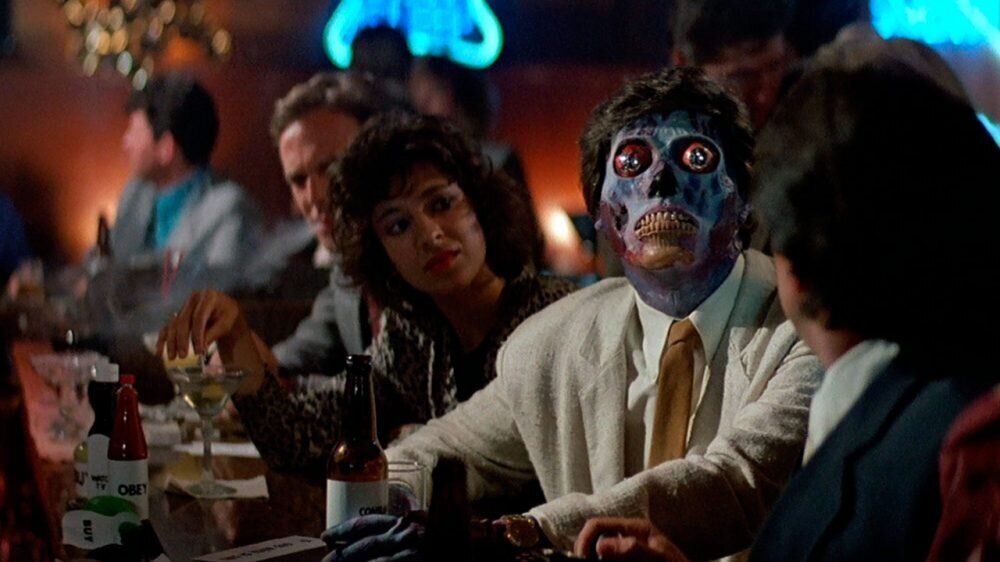
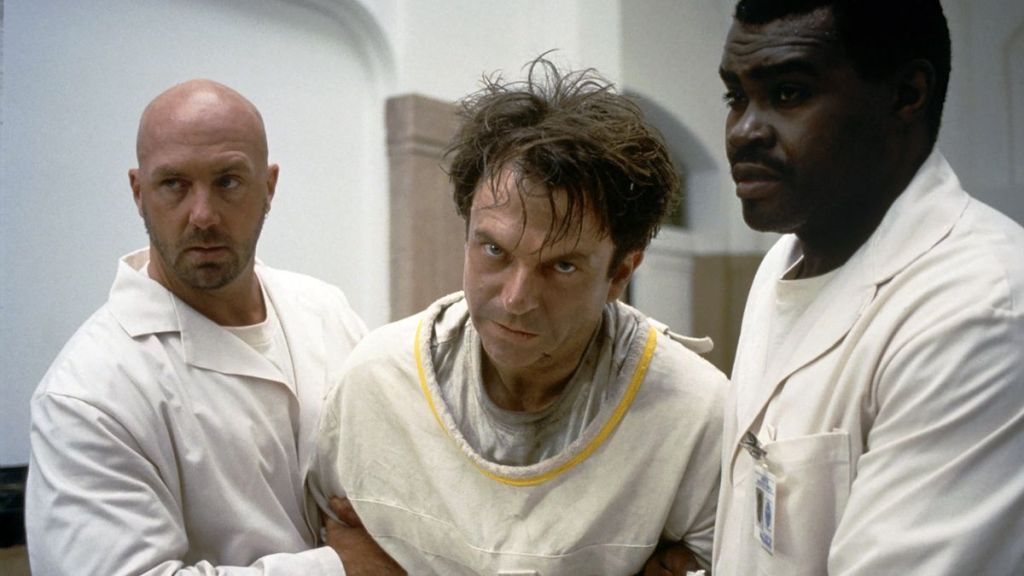
5. In The Mouth of Madness (1994)
Genre: Psychological Horror, Cosmic Horror
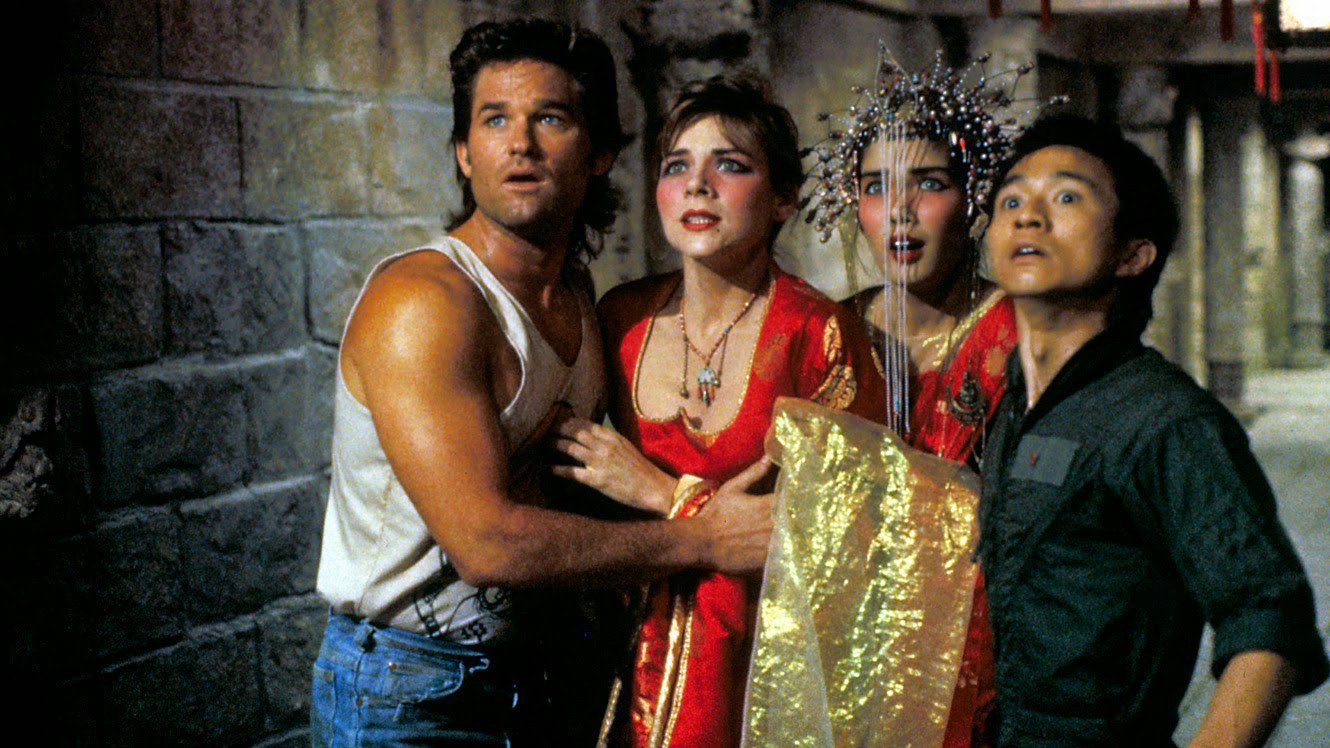
6. Big Trouble in Little China (1986)
Genre: Comedy, Martial Arts, Adventure, Low Fantasy, Action

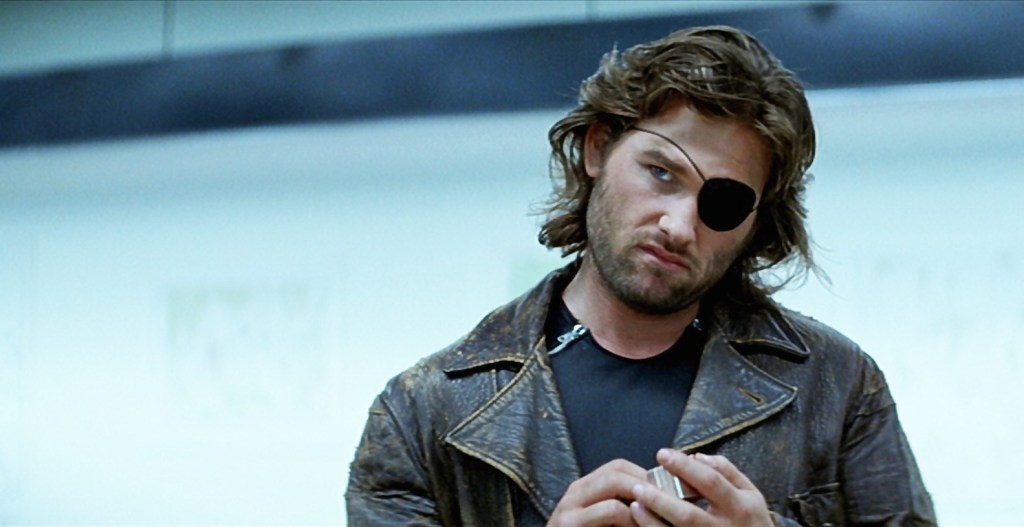
7. Escape From New York (1981)
Genre: Dystopian, Action
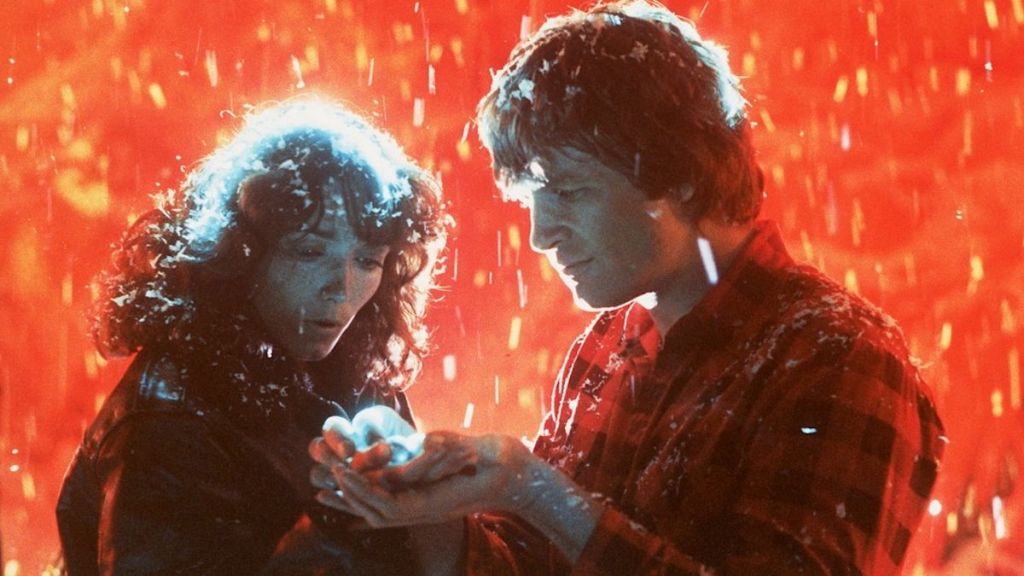
8. Starman (1984)
Genre: Sci-Fi, Romance, Road Movie, Drama, Extraterrestrial
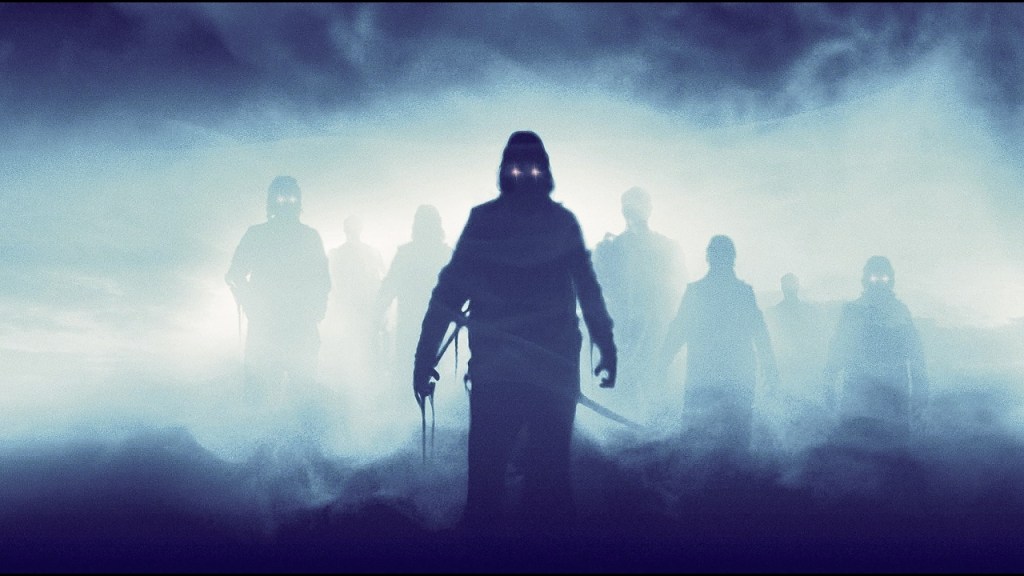
9. The Fog (1980)
Genre: Supernatural Horror, Gothic
10. Prince of Darkness (1987)
Genre: Sci-Fi, Cosmic Horror, Supernatural Horror
John Carpenter: Themes and Style
Themes:
- Survival against Overwhelming Odds: Many of Carpenter’s films feature protagonists pitted against seemingly insurmountable challenges, be it supernatural entities, relentless killers, or alien creatures.
- Isolation: Whether it’s a remote Antarctic research station in The Thing or a deserted precinct in Assault on Precinct 13, Carpenter often utilises isolated settings to heighten tension.
- Paranoia and Trust: Films like The Thing and They Live explore themes of mistrust, conspiracy, and the human tendency to question reality or the intentions of others.
- Societal Breakdown: Carpenter often showcases societies on the brink of chaos, as seen in films like Escape from New York and They Live, where social order is in decay or under threat.
- Evil in Everyday Life: In films like Halloween, Carpenter presents evil not as a distant, external threat but as something lurking in familiar, everyday environments.
Styles:
- Minimalism: Carpenter is known for his stripped-down style, relying on simple setups, straightforward storytelling, and often using a minimal number of locations or characters.
- Steady Camera Work: He often uses deliberate and steady camera movements, such as the tracking shots in Halloween, creating a sense of unease.
- Synthetic Scores: Carpenter often composes his own film scores, characterised by their synthesizer-based melodies. The theme of Halloween is particularly iconic.
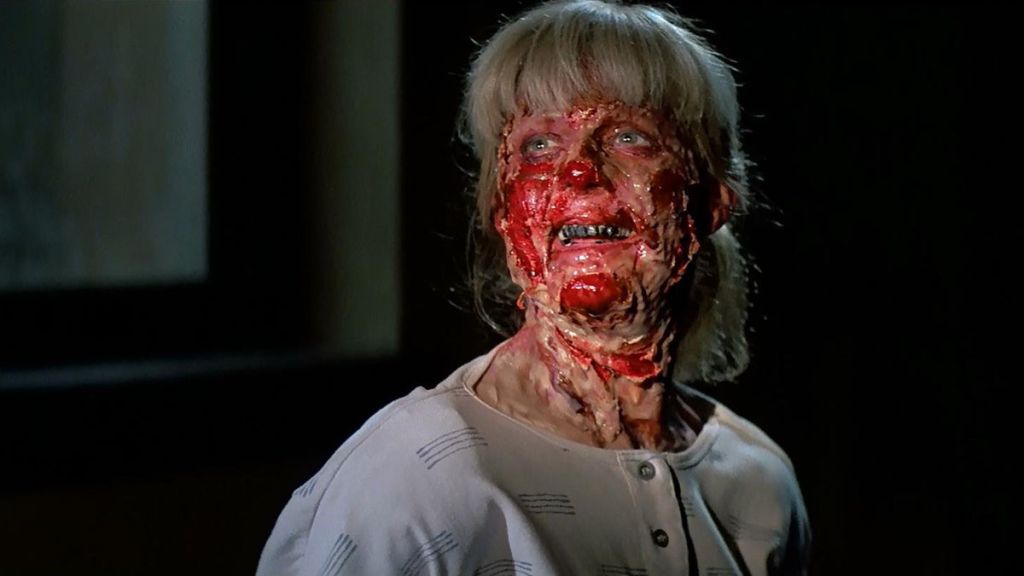
- Practical Effects: Especially evident in The Thing, Carpenter favours practical over digital effects, giving his films a tactile and organic feel.
- Economic Filmmaking: Carpenter is known for working within tight budgets, which has honed his ability to create maximum impact with minimal resources.
Directorial Signature:
- Synthesiser Scores: Carpenter’s self-composed scores, often using synthesisers, have become a defining feature of his films. The eerie, repetitive motifs add to the tension and atmosphere.
- Anti-Heroes: Many of Carpenter’s protagonists, like Snake Plissken in Escape from New York, are flawed or reluctant heroes, adding layers of complexity to the narrative.
- Mastery of Horror: Carpenter is often referred to as the “Master of Horror” due to his ability to create tension and suspense without resorting to gratuitous violence or jump scares.
- Cynicism and Irony: Many of his films have a cynical undertone, often concluding with ambiguous or downbeat endings that challenge conventional Hollywood narratives.
John Carpenter: The 107th Greatest Director



 Bronze Screen Dream