
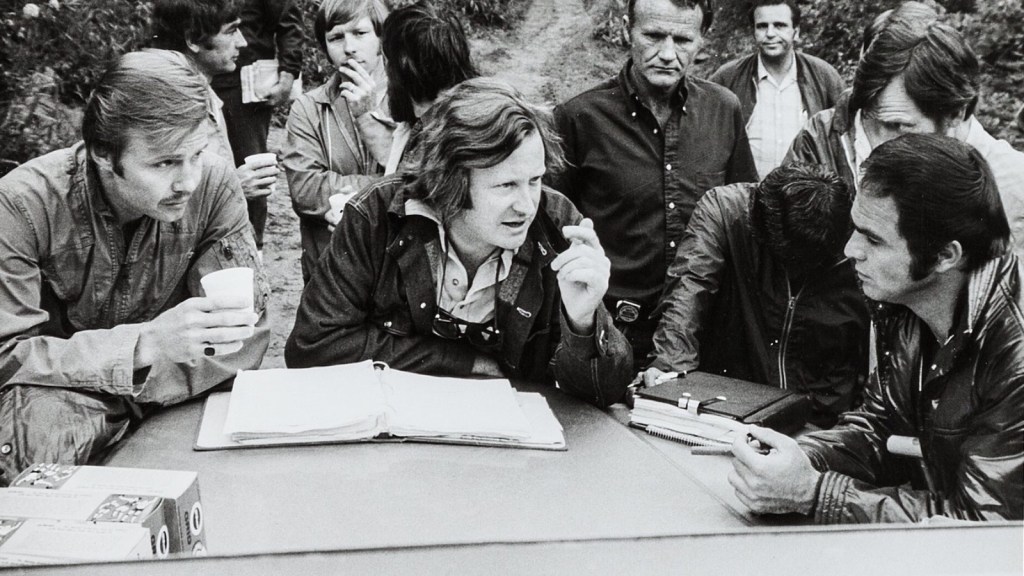
John Boorman, an English film director, is widely acclaimed for his mastery of the art of visual storytelling and his exceptional range across diverse genres. From crime thrillers such as Point Blank to fantasy epics like Excalibur and survival stories including Deliverance, Boorman’s films exhibit a vivid array of themes and styles. His work often blends elements of reality and fantasy, forging a cinematic universe that is as thought-provoking as visually captivating.
Before ascending to his directorial prowess, Boorman cut his teeth in British television, where he developed a keen eye for combining imagery and narrative. This grounding in TV served as a springboard for his cinema career, laying the foundation for his signature visual storytelling style. In Point Blank, Boorman’s command of the visual medium is strikingly evident; the director uses stark, vibrant images to create a tense and gripping, potent, and evocative atmosphere.
A distinctive aspect of Boorman’s filmmaking is his deft interplay between reality and fantasy, a theme that runs through many of his films. In Excalibur, he seamlessly blends Arthurian legend with a tangible sense of realism, creating a world that is at once mystical yet relatable. This blending extends to his semi-autobiographical work, Hope and Glory, where he integrates personal experiences with the larger narrative of World War II, offering a unique and heartfelt perspective on the era. Another recurrent theme in Boorman’s oeuvre is exploring man’s relationship with nature, as seen in films like Deliverance and The Emerald Forest. Through these narratives, Boorman underscores the profound connection and often harrowing confrontation between humans and the natural world through these narratives.
Boorman’s cinematic contributions have been influential in shaping the landscape of modern film. His innovative blend of reality and fantasy and his distinctive visual storytelling continue to inspire and challenge contemporary filmmakers. His personal approach to filmmaking, often infusing his work with elements of his own life experiences, adds a layer of authenticity and emotional depth that resonates with audiences. Furthermore, his exploration of the complex dynamics between humans and nature has sparked critical discussions about our responsibility to the environment.
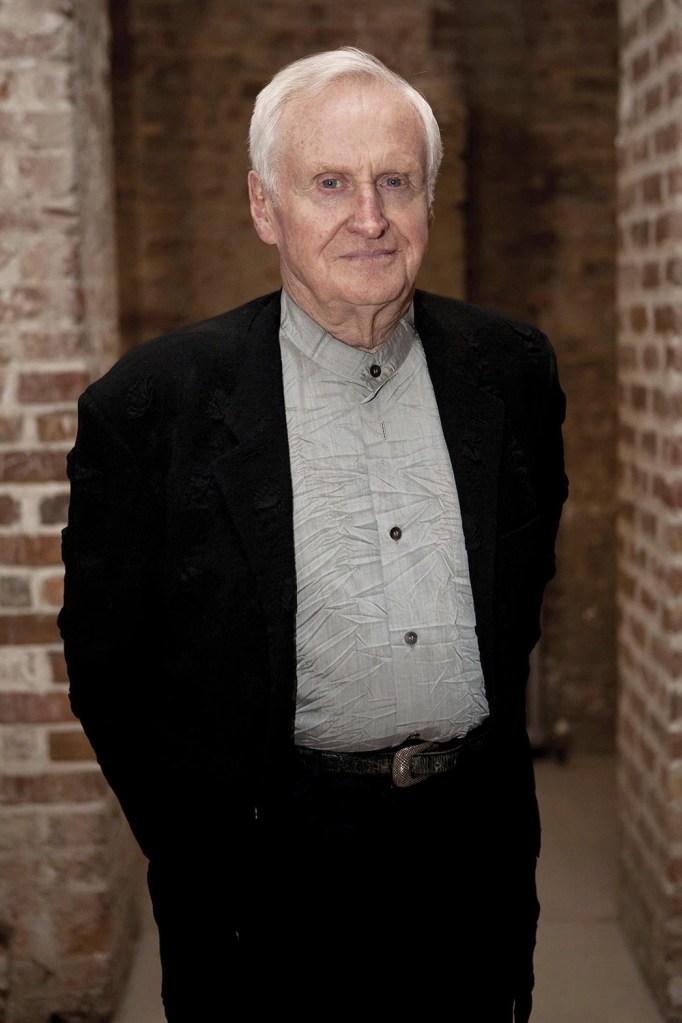
John Boorman (1933 – -)
Calculated Films:
- Point Blank (1967)
- Deliverance (1972)
- Excalibur (1981)
Similar Filmmakers
- David Lean
- Francis Ford Coppola
- Hugh Hudson
- Jean-Jacques Annaud
- John Huston
- John Milius
- Michael Cimino
- Mike Hodges
- Neil Jordan
- Nicolas Roeg
- Peter Medak
- Peter Weir
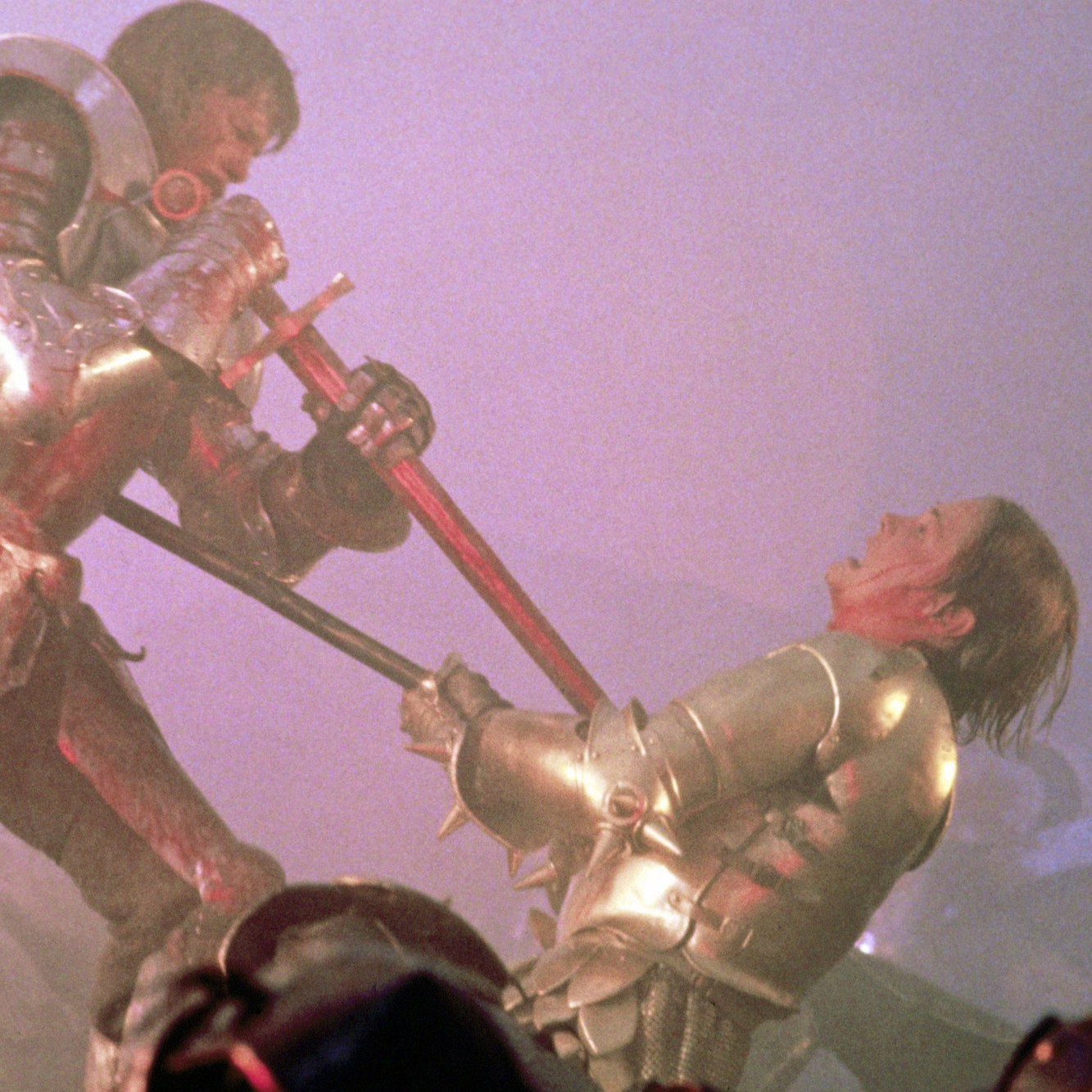
John Boorman’s Top 10 Films Ranked
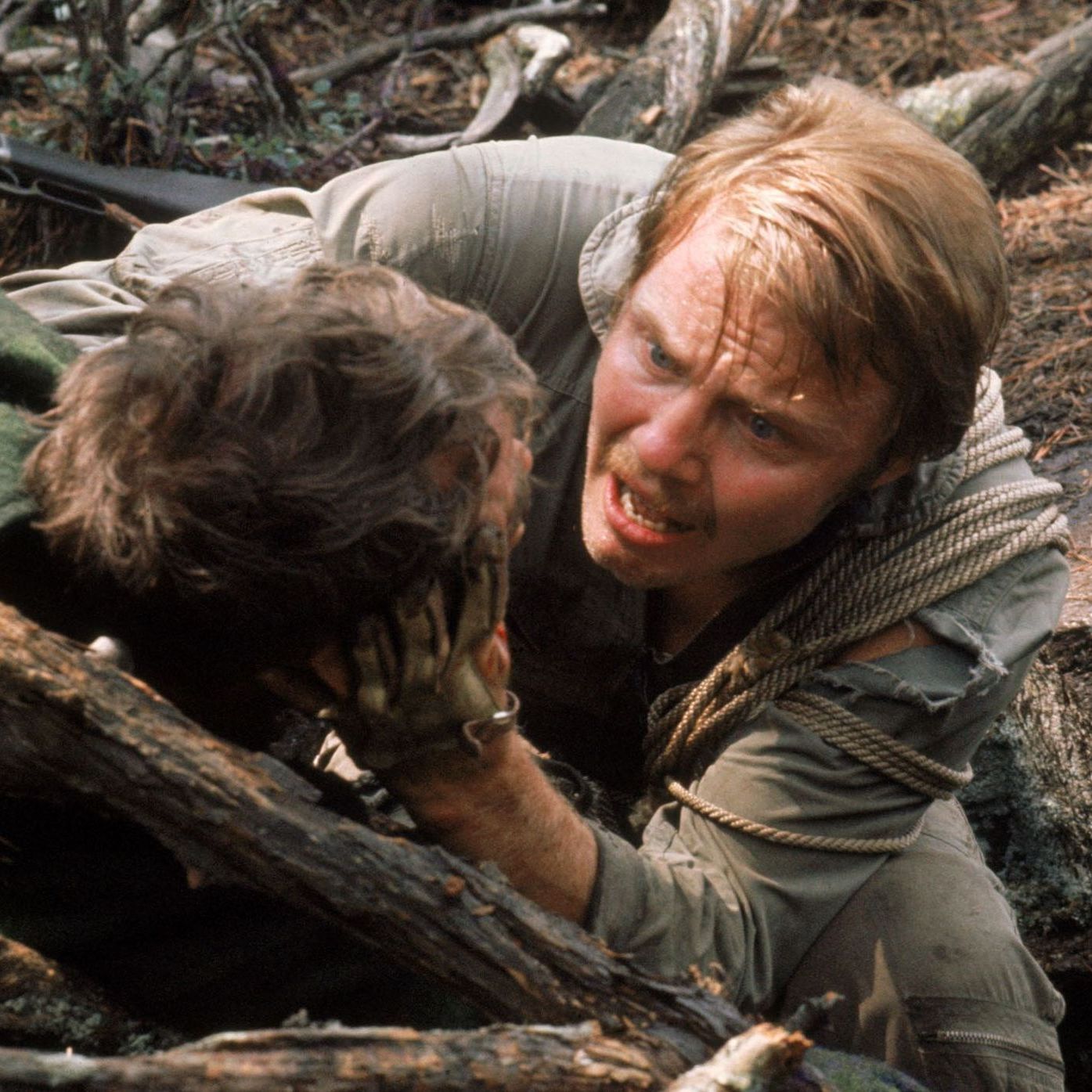
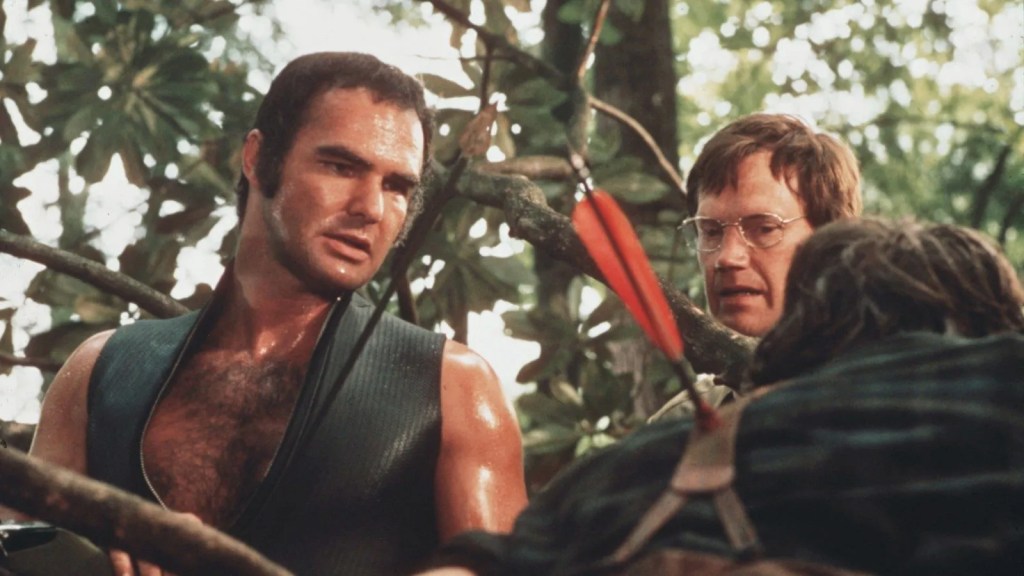
1. Deliverance (1972)
Genre: Thriller, Adventure, Survival
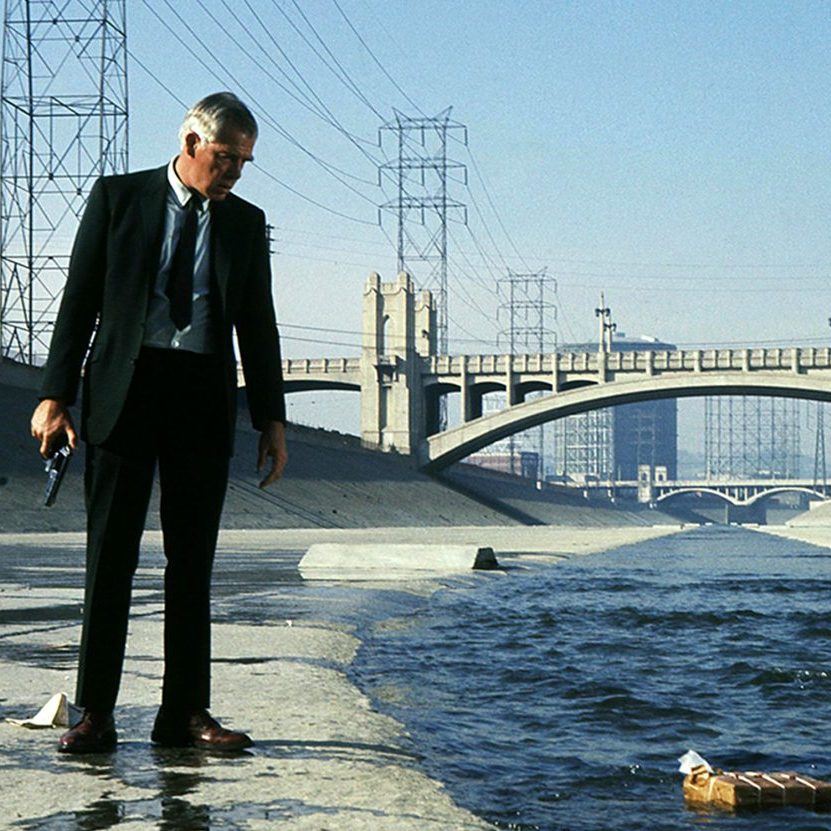
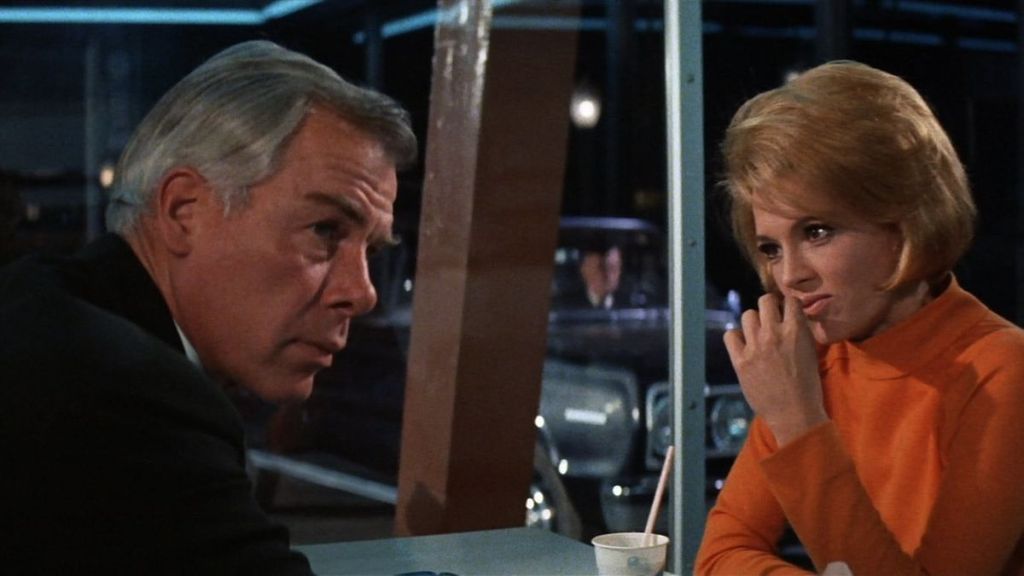
2. Point Blank (1967)
Genre: Crime, Neo-Noir, Thriller
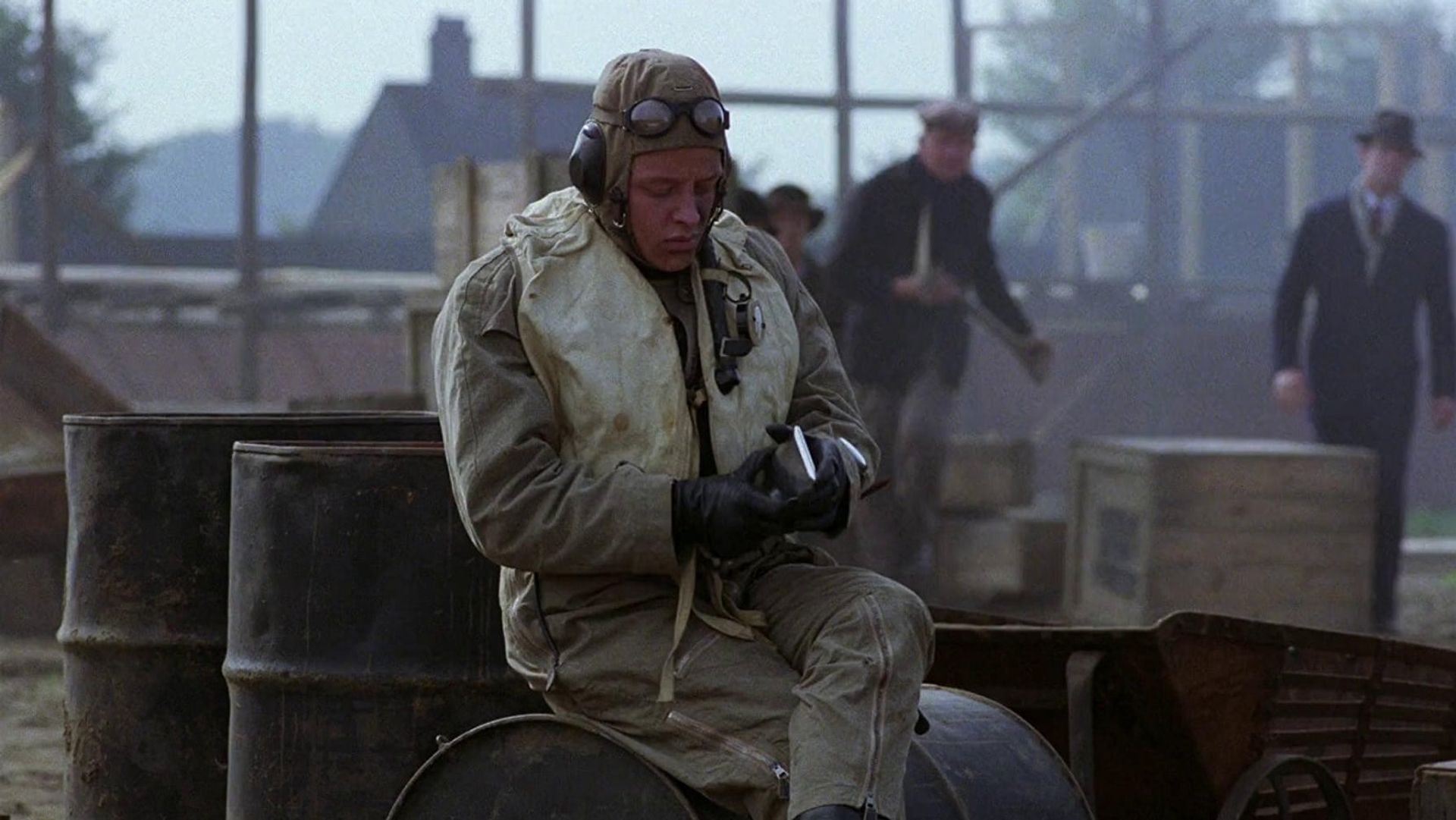
3. Hope and Glory (1987)
Genre: Coming-of-Age, War, Drama, Period Drama

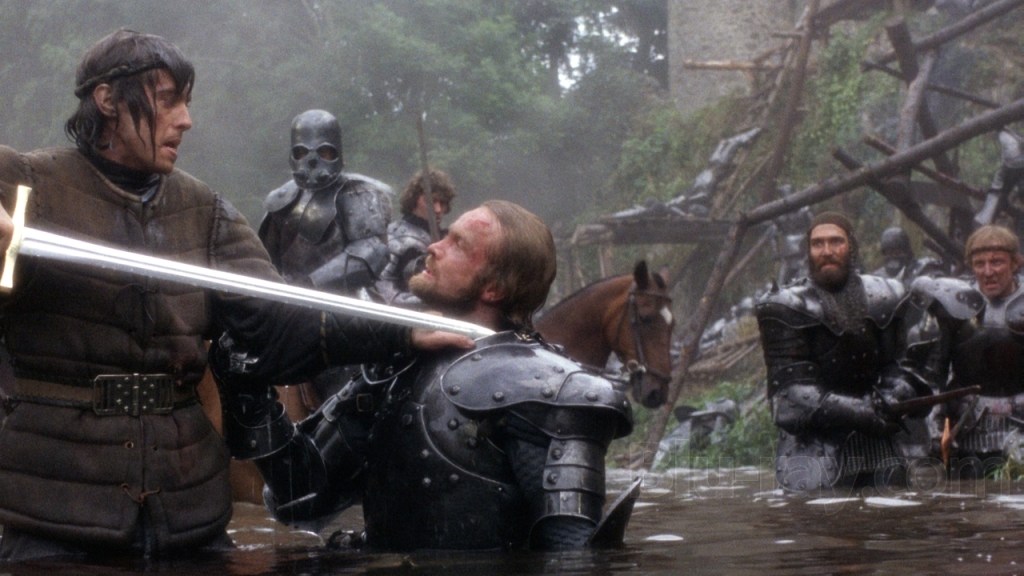
4. Excalibur (1981)
Genre: Sword and Sorcery, Medieval, Epic
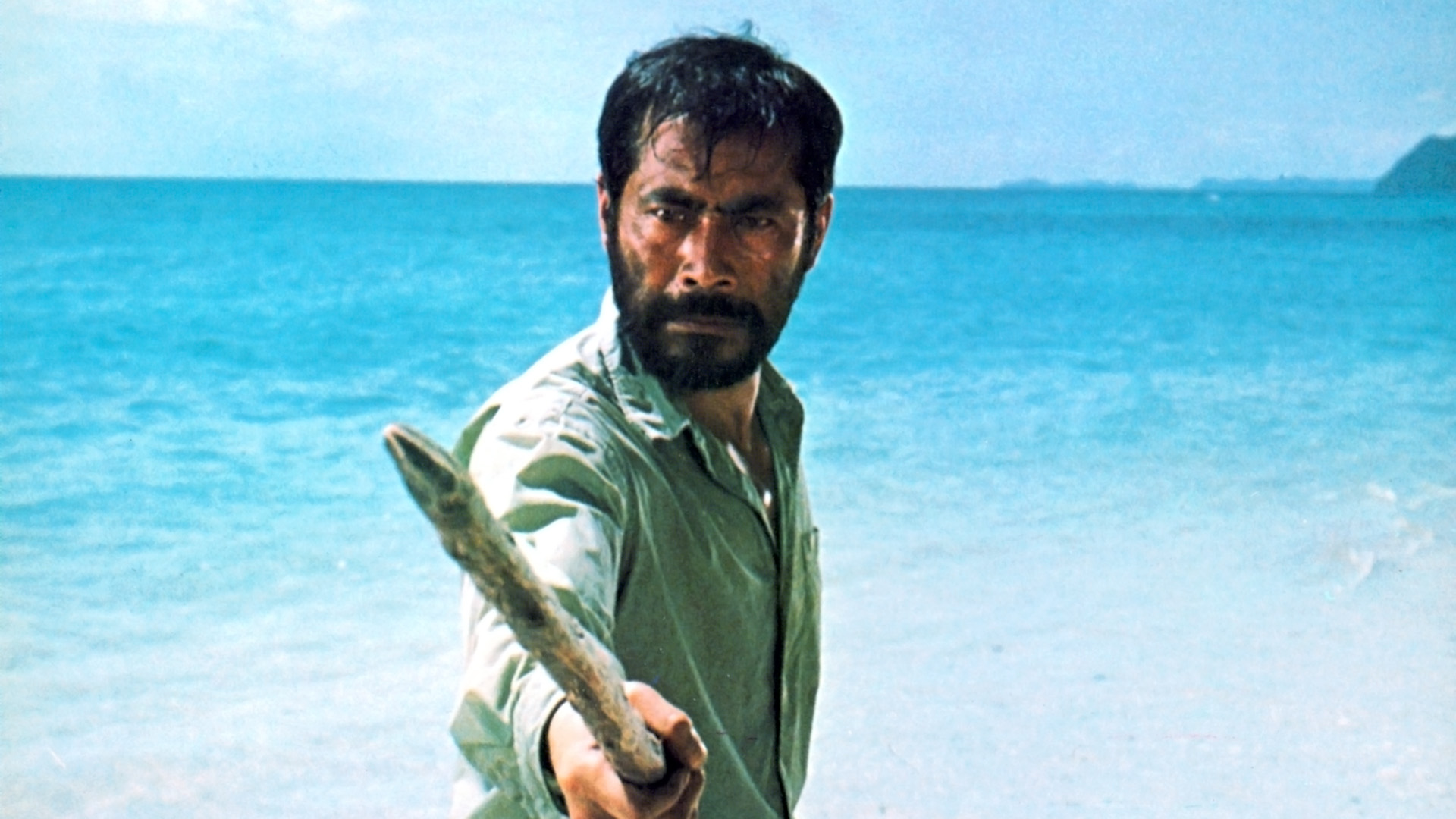
5. Hell in the Pacific (1968)
Genre: War, Drama, Survival

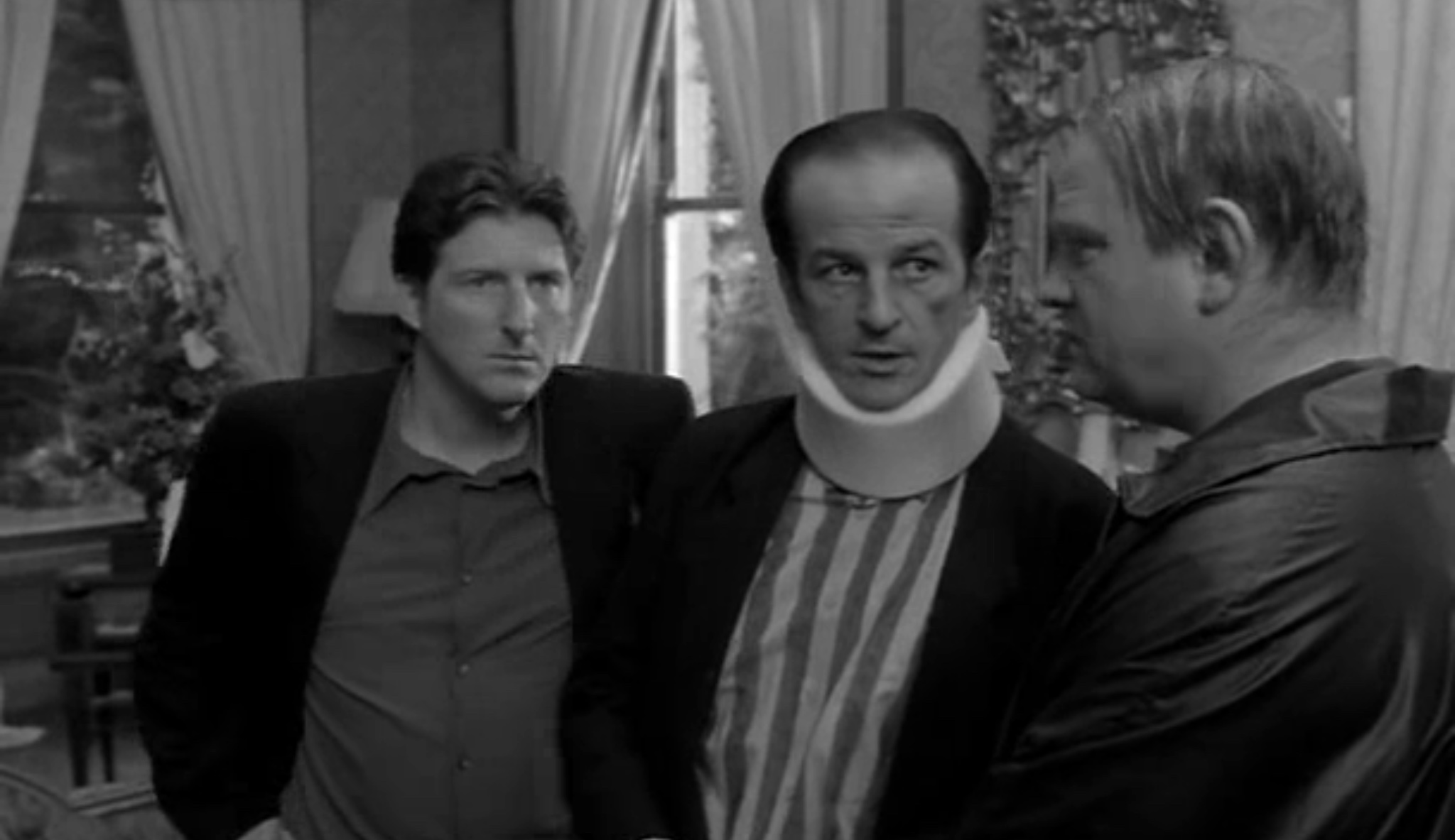
6. The General (1998)
Genre: Crime, Drama, Biographical, Gangster Film

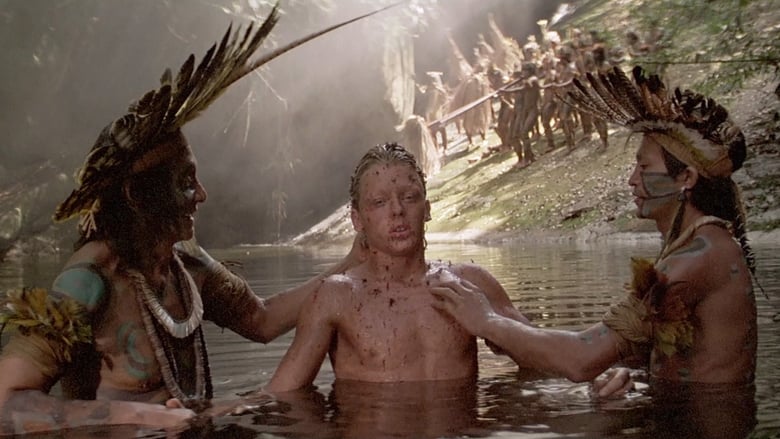
7. The Emerald Forest (1985)
Genre: Adventure, Drama

8. Leo the Last (1970)
Genre: Comedy, Drama

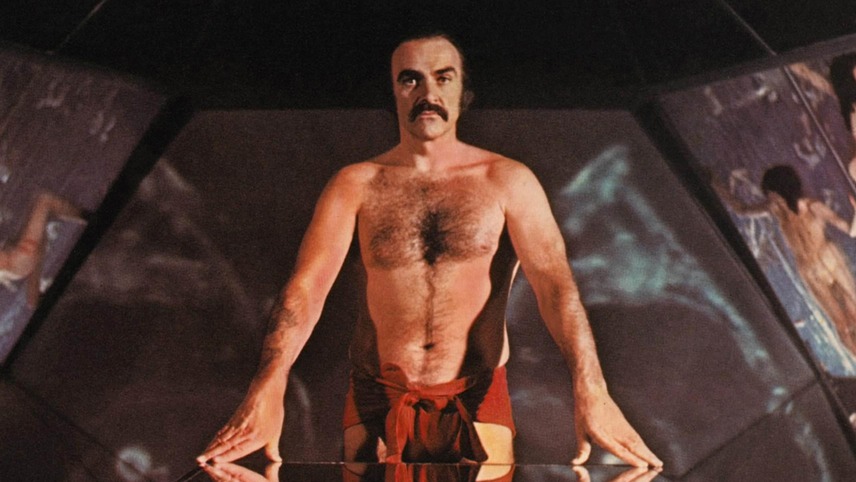
9. Zardoz (1974)
Genre: Dystopian, Sci-Fi, Satire
10. Beyond Rangoon (1995)
Genre: Drama, Period Drama

John Boorman: Themes and Style
Themes:
- Nature vs. Civilisation: Boorman often portrays the tension between primal nature and modern civilisation, as seen in films like Deliverance, where wilderness challenges and redefines the characters’ sense of self and morality.
- Myth and Legend: Films like Excalibur showcase Boorman’s fascination with legendary tales and the universal truths they convey. His films often resonate with archetypal stories and mythological undertones.
- Quest for Identity: Characters in Boorman’s films, such as Point Blank and The Emerald Forest, often embark on personal journeys of self-discovery, confronting their fears, pasts, or societal constructs.
- Conflict and War: Works like Hope and Glory reflect Boorman’s personal experiences and the broader human condition, illustrating the impacts of conflict and war on individuals and families.
- Spiritual Exploration: Boorman delves into spiritual themes and the metaphysical, as evidenced in films like Exorcist II: The Heretic. His characters often grapple with existential questions and spiritual awakenings.
Styles:
- Visual Imagery: Boorman’s films are notable for their rich and evocative visual imagery. He uses colour, light, and shadow in ways that not only serve the narrative but also create a distinctive aesthetic experience.
- Lyrical Storytelling: Many of Boorman’s works possess a lyrical quality, with a fluid narrative structure that feels more like a visual poem than a conventional film.
- Symbolism: Boorman often uses potent symbols, both visually and narratively, to convey deeper meanings or connect to universal themes. The sword in Excalibur and the river in Deliverance are symbolic elements that carry significant weight in the story.
- Cinematic Realism: While Boorman’s films often delve into fantastical or mythical realms, they maintain a strong sense of realism. Whether capturing the dense Amazon rainforest in The Emerald Forest or wartime Britain in Hope and Glory, Boorman’s commitment to authenticity is evident.
- Character Depth: Boorman’s characters are multi-dimensional, often caught in moral, psychological, or spiritual dilemmas. They are deeply human, and their internal conflicts drive the narrative as much as external events do.
Directorial Signature:
- Personal Touch: Boorman’s films frequently contain autobiographical elements, blurring the line between personal experiences and broader human stories. This is evident in Hope and Glory, which is based on his own childhood during WWII.
- Collaborative Approach: Boorman is known to work closely with his cast and crew, especially in the repeated collaboration with actors like Lee Marvin and cinematographers such as Philippe Rousselot.
- Integration of Sound and Vision: Boorman’s films offer a holistic sensory experience where sound (both music and ambient noise) plays a crucial role in setting the mood and tone, working in harmony with the visuals.
John Boorman – The 227th Greatest Director
 Bronze Screen Dream