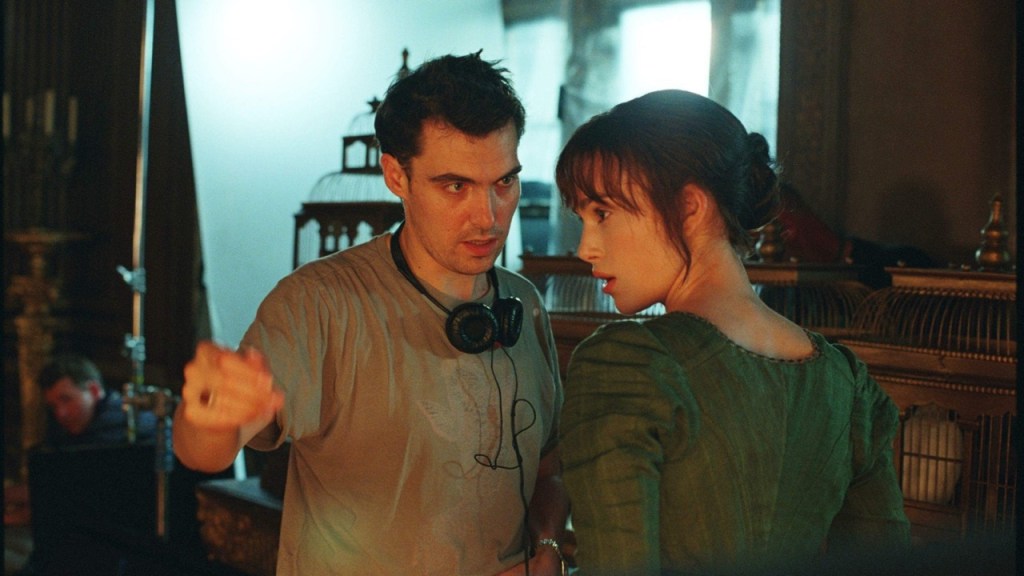
Joe Wright is a British film director known for crafting visually stunning films that often delve into classic literature and historical periods. His body of work is primarily recognised for its artistic flair, meticulous attention to detail, and a unique blend of visual and narrative elements that bring stories vividly to life on the big screen. Some of his most notable films include Atonement, Pride & Prejudice, and Anna Karenina.
In his movies, Wright explores themes like love, social class disparities, and individual struggle within a predetermined societal framework. In Pride & Prejudice, for instance, the tension between societal expectations and personal desires is artfully depicted through the lens of romance and wit. His films often underscore the nuances of the human condition and the myriad ways in which characters navigate their circumstances, making his storytelling relatable and emotionally resonant with audiences.
Joe Wright’s movies are celebrated for their sumptuous aesthetics and innovative cinematography. His films often employ long, continuous shots, such as the breathtaking sequence in Atonement that meticulously captures the chaos and tragedy of Dunkirk. This visual style not only serves as a hallmark of his directorial approach but also as a powerful storytelling device that immerses audiences in the emotional landscape of the characters and the pivotal moments unfolding onscreen.

Joe Wright (1972 – -)
Calculated Films:
- Pride & Prejudice (2005)
- Atonement (2007)
Similar Filmmakers
- Andrea Arnold
- Ang Lee
- Cary Fukunaga
- Greta Gerwig
- James Ivory
- James Kent
- James Marsh
- Jean-Marc Vallee
- Justin Chadwick
- Kenneth Branagh
- Lasse Hallstrom
- Morten Tyldum
- Richard Eyre
- Sam Mendes
- Sofia Coppola
- Stephen Daldry
- Todd Haynes
- Tom Hooper
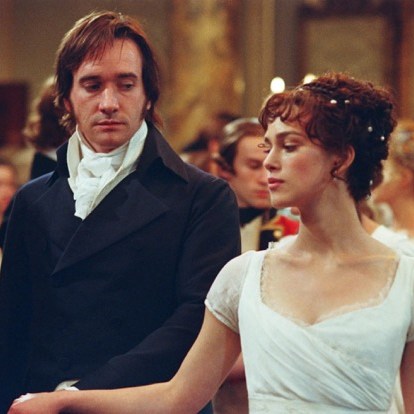


Joe Wright’s Top 5 Films Ranked
1. Atonement (2007)
Genre: Romance, War, Drama, Tragedy
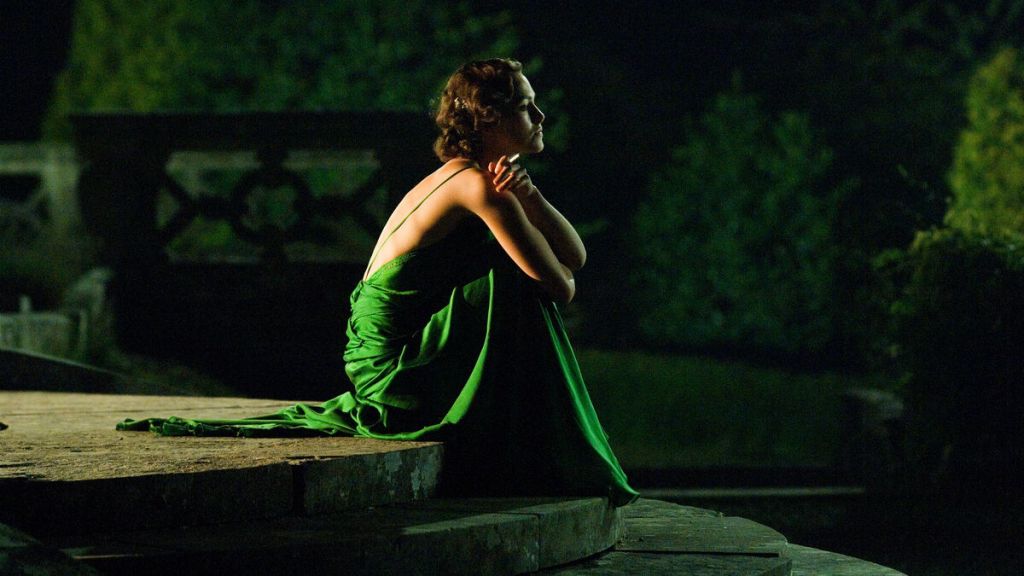
2. Pride & Prejudice (2005)
Genre: Romance, Drama

3. Hanna (2011)
Genre: Action, Thriller

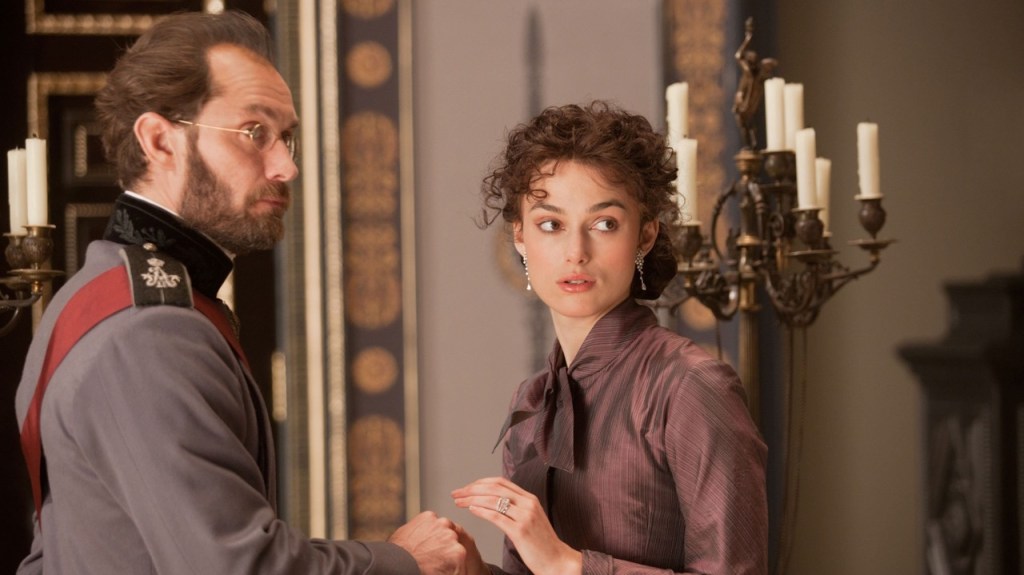
4. Anna Karenina (2012)
Genre: Period Drama, Romance
5. Darkest Hour (2017)
Genre: Period Drama, Biographical

Joe Wright: Themes and Style
Themes:
- Love and Romance: Wright often explores the multifaceted nature of love and romance, painting them in various shades and complexities. Films like Pride & Prejudice and Atonement delve into love’s transformative and redemptive power amidst societal expectations and a wartime backdrop.
- Social Class and Status: The director’s films often grapple with issues related to social class and status, exposing the chasm between different societal echelons and the conflicts arising from these disparities.
- War and Conflict: War and conflict, both internal and external, serve as prominent themes. In Atonement and Darkest Hour, Wright examines the broader implications of war and the personal struggles and decisions of individuals amidst global crises.
- Redemption and Atonement: Characters in Wright’s films frequently seek redemption and atonement for past mistakes, exploring themes of guilt, forgiveness, and reconciliation.
Styles:
- Visual Aesthetics: Wright is lauded for his meticulous attention to visual details, employing a rich palette of colours, elaborate costumes, and meticulously designed sets to evoke the mood and atmosphere of the narrative.
- Long Takes: One of his signature stylistic choices is the use of long, unbroken takes. These takes not only showcase technical prowess but also immerse the audience into the film’s world seamlessly.
- Theatricality: There’s a discernible sense of theatricality in Wright’s films, where he employs stage-like settings and dramatic lighting to accentuate the emotional intensity and narrative gravity of the scenes.
- Soundtrack Integration: Music plays a significant role in his films, with soundtracks meticulously chosen or composed to mirror and amplify the emotions and rhythms of the narrative.
Directorial Signature:
- Literary Adaptations: Wright has an affinity for adapting literary works, particularly classic novels, into films. He is adept at translating the depth and nuances of written words into compelling visual stories while staying faithful to the source material.
- Strong Female Protagonists: His films often centre around strong, complex female characters navigating through societal constraints and personal dilemmas, offering a nuanced exploration of femininity and empowerment.
- Visual Storytelling: Wright’s directorial approach is heavily visual, utilising symbolic imagery, captivating cinematography, and thoughtful composition to convey the narrative’s subtleties and depths.
- Emotional Depth: The director’s films are characterised by their emotional depth and intensity, inviting audiences to deeply empathise with the characters and their journeys.
Joe Wright – Great Director



 Bronze Screen Dream