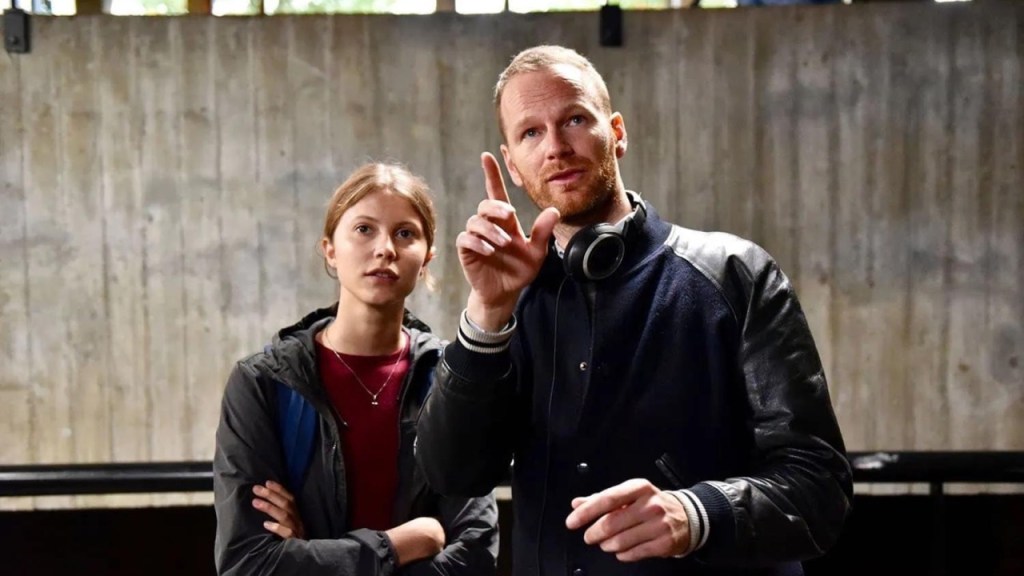
Joachim Trier is a Norwegian filmmaker best known for his evocative and introspective examinations of human relationships, identity, and emotional struggles. His films often grapple with the complexities of youth, memory, and existential dilemmas, such as his Academy Award-nominated The Worst Person in the World.
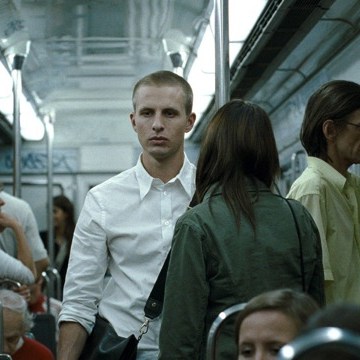
Trier often presents characters in the throes of emotional or psychological turmoil. In Oslo, August 31st, the central character’s day-long odyssey offers a poignant look at depression, solitude, and the weight of memories. Similarly, Louder Than Bombs delves into grief and the intricacies of familial bonds after a sudden loss, showcasing Trier’s capacity to capture the fragility of human connections. His films frequently employ non-linear storytelling, flashbacks, and dream sequences, allowing the audience to become intimately acquainted with the characters’ internal worlds. Additionally, he is known for his meticulous framing and often employs a subtle, muted colour palette that complements the contemplative mood of his stories.
Another striking aspect of Trier’s work is his exploration of the creative process itself. In Reprise, he delves into the lives of two aspiring writers, their dreams, rivalries, and the challenges they face in their artistic journeys. The film uses meta-narrative techniques and a vibrant energy that contrasts with the sombre tone of his later films. Similarly, Thelma is a supernatural thriller that examines the tension between repression and liberation, set against the backdrop of a strict religious upbringing.

Joachim Trier (1974 –)
Calculated Films:
- Oslo, August 31st (2011)
- Thelma (2017)
- The Worst Person in the World (2021)
Similar Filmmakers
- Aki Kaurismaki
- Andrey Zvyagintsev
- Bent Hamer
- Celine Sciamma
- Christian Petzold
- Eskil Vogt


Joachim Trier’s Top Films Ranked
1. The Worst Person in the World (2021)
Genre: Drama, Romance

2. Oslo, August 31st (2011)
Genre: Psychological Drama

3. Reprise (2006)
Genre: Drama, Buddy

4. Thelma (2017)
Genre: Psychological Drama, Low Fantasy

5. Louder Than Bombs (2015)
Genre: Psychological Drama, Family Drama

Joachim Trier: Themes and Style
Themes:
- Human Intimacy and Relationships: Many of Trier’s films, like Oslo, August 31st, and Thelma, explore the nuances of human relationships, their complexities, and the emotional journeys of the characters within them.
- Identity and Self-exploration: A recurring theme, particularly in movies like Reprise and Thelma, is the quest for identity, the struggles of self-definition, and the personal battles associated with self-acceptance.
- Mental Health and Desolation: Trier does not shy away from delving deep into the psyche of his characters. He addresses issues of mental health, loneliness, and the existential crises that often plague modern lives, as seen vividly in Oslo, August 31st.
Styles:
- Narrative Non-linearity: Trier enjoys playing with the structure of his stories, often employing flashbacks, dream sequences, or alternating timelines to enrich the narrative, as is evident in Reprise.
- Visual Poetics: Trier’s films are marked by a distinct visual style — composed, evocative, and often verging on the poetic. He uses visuals not just to tell a story but to induce emotions.
- Character-Centric: The characters in Trier’s films are meticulously crafted. He spends time building their internal worlds, making them multifaceted and deeply human.
- Minimalistic Soundscapes: Trier’s sound design often leans towards the minimalistic, letting the visuals and performances take centre stage. The use of silence, ambient sounds, or a sparse soundtrack augments the mood he aims to set.
Directorial Signature:
- Intimate Close-ups: Trier often employs close-ups to capture the subtleties of his characters’ emotions. This technique fosters a sense of intimacy and connection between the audience and the characters.
- Long Takes: One of Trier’s directorial signatures is his fondness for long takes, allowing scenes to breathe and fostering a more immersive experience.
- Urban Landscapes: The urban milieu, especially the city of Oslo, is a recurring backdrop in Trier’s films. He uses the city not just as a setting but as a character in its own right, reflecting the isolation and anxieties of modern life.
- Philosophical Underpinnings: Beneath the narrative surface, Trier’s films often grapple with larger philosophical questions about life, existence, and the human condition.
Joachim Trier – Great Director



 Bronze Screen Dream