

Jiří Menzel was a Czech film director best known for his works during the New Wave of Czechoslovak cinema in the 1960s and 1970s. While he directed numerous critically acclaimed films, he’s most famously remembered for his Palme d’Or-winning film Closely Watched Trains, an adaptation of the Bohumil Hrabal novel, which also earned him an Academy Award for Best Foreign Language Film.
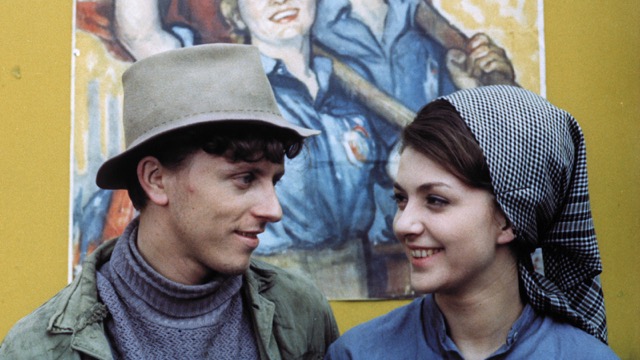
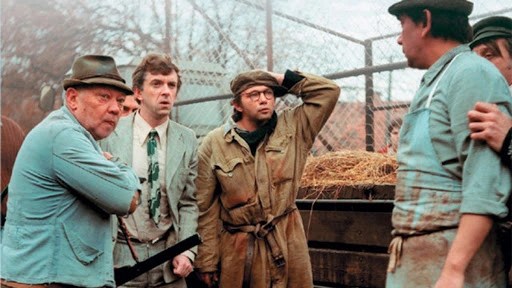
His films are filled with gentle humanist humour, often blending satirical commentary with warm, intimate portrayals of ordinary people. He had a distinct ability to juxtapose the personal with the political, weaving larger societal critiques into the simple, day-to-day stories of his characters. For instance, in Larks on a String, he paints a picture of people forced to work in a junkyard for their ‘bourgeois’ backgrounds, showcasing the absurdity of the political system while also emphasising their shared humanity and resilience. This empathetic focus on individuals amid socio-political upheavals became a hallmark of his work.
Menzel had a penchant for capturing the lyrical beauty of everyday life, utilising the Czech countryside and its quaint settings to full effect. His films often contained a subtle interplay of humour and melancholy, making them both endearing and thought-provoking. The manner in which he approached storytelling was non-confrontational, preferring to use wit and satire rather than direct critique. This style, combined with his deep appreciation for the stories of Bohumil Hrabal, with whom he collaborated multiple times, made Menzel’s works both unique and emblematic of the cultural and political milieu of Czechoslovakia during his prime years as a filmmaker.

Jiří Menzel (1938 – 2020)
Calculated Films:
- Closely Watched Trains (1966)
- My Sweet Little Village (1985)
Similar Filmmakers
- Ivan Passer
- Jan Hrebejk
- Jan Nemec
- Jaromil Jires
- Jerzy Skolimowski
- Juraj Herz
- Milos Forman
- Oldrich Lipsky
- Otar Iosseliani
- Radu Jude
- Vera Chytilova
- Vojtěch Jasný
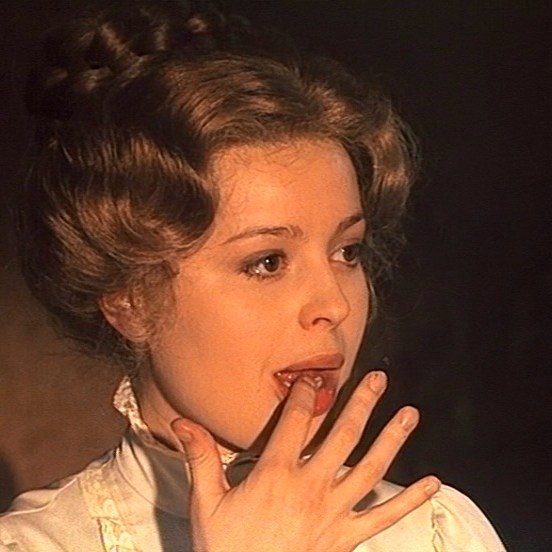
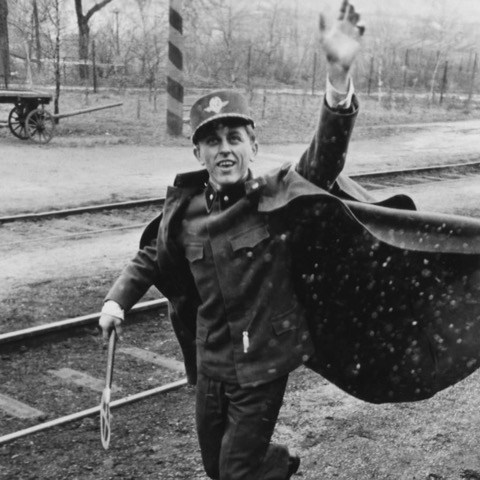
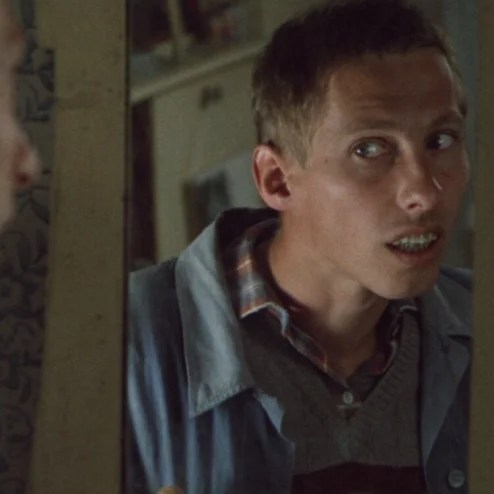
Jiří Menzel’s Top 5 Films Ranked
1. Closely Watched Trains (1966)
Genre: Coming-of-Age, Black Comedy, War
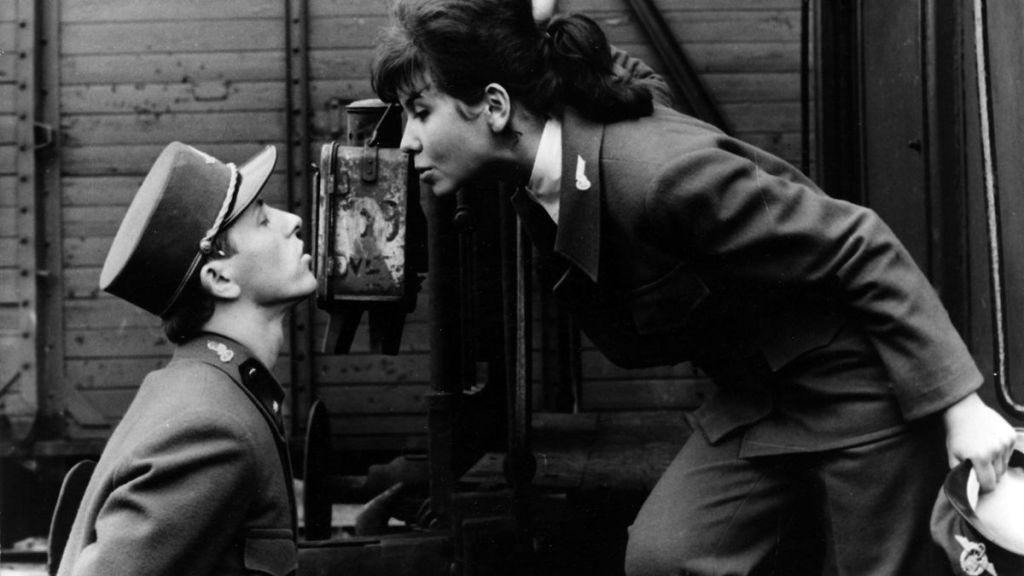
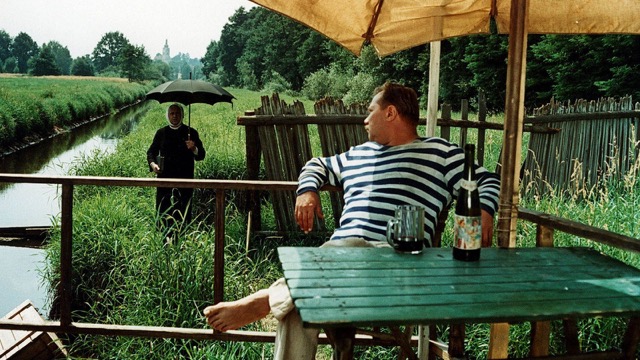
2. My Sweet Little Village (1985)
Genre: Comedy, Slice of Life
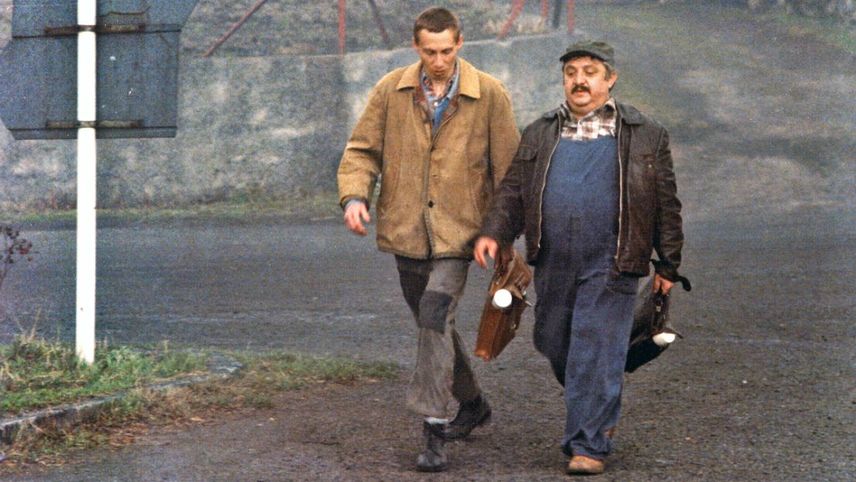
3. I Served the King of England (2006)
Genre: Comedy, Drama
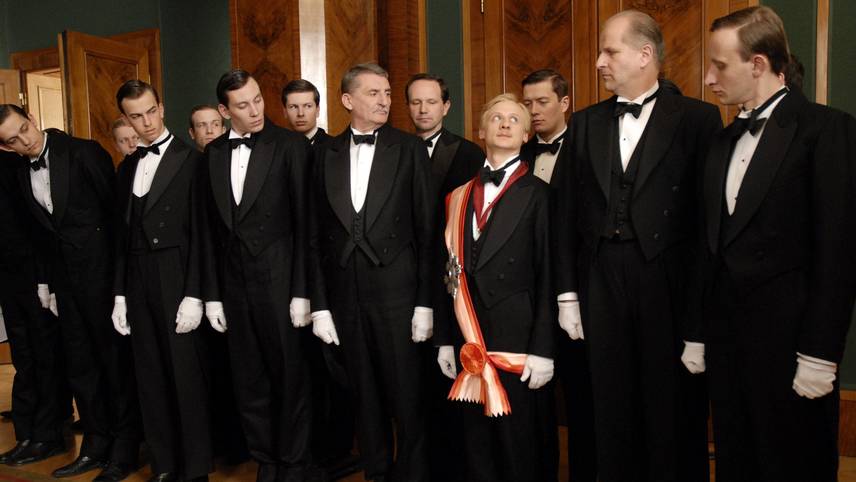
4. Cutting it Short (1981)
Genre: Comedy

5. The Snowdrop Festival (1984)
Genre: Comedy, Drama
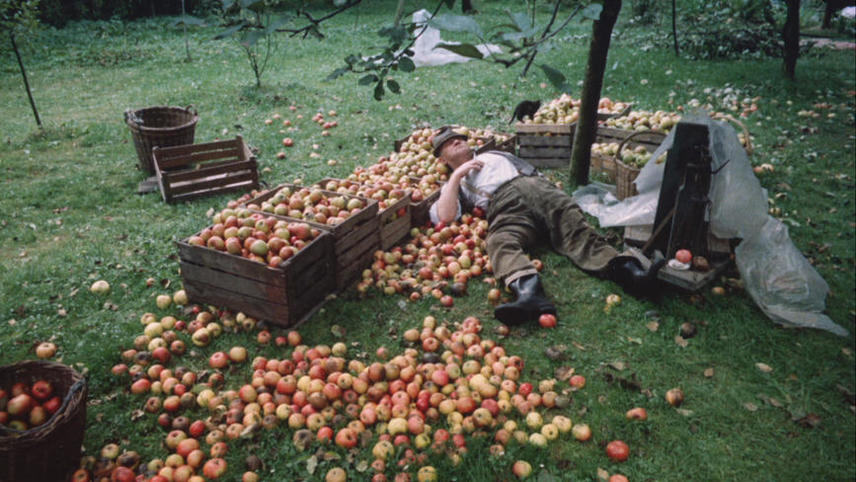
Jiří Menzel: Themes and Style
Themes:
- Humanism and Everyday Life: Menzel often depicted the simple joys, sorrows, and complexities of ordinary people. His films resonate with a deep sense of humanity and are known for their intimate portrayal of daily life.
- Political Satire: Despite working during the era of Communist censorship in Czechoslovakia, Menzel subtly critiqued the political system, using humour and irony to reveal the absurdities of totalitarianism.
- History and Nostalgia: His films often reminisced about the past, capturing a sense of nostalgia and illustrating the impact of history on individual lives.
- Moral Ambiguity: Menzel didn’t rely on black-and-white moral judgments. He often presented characters in morally ambiguous situations, making them more relatable and real.
- Railways and Trains: A recurring motif in his films (like “Closely Watched Trains”), railways often symbolised life’s journey with its many stops, encounters, and unexpected events.
Styles:
- Understated Humour: Menzel’s films are known for their subtle humour, often using situational and observational comedy to underline larger points about society and human nature.
- Minimalism: Eschewing grand gestures, Menzel’s films often focused on the little details, using a minimalist approach to tell poignant stories.
- Naturalism: His films often featured non-professional actors and real-life settings to achieve a sense of realism and authenticity.
- Long Takes: Menzel frequently used long, uninterrupted takes, allowing scenes to unfold naturally and giving actors room to breathe.
- Narrative Ambiguity: Rather than presenting linear, clear-cut stories, Menzel’s films often left certain elements ambiguous, encouraging viewers to interpret them in their own way.
Directorial Signature:
- Human Touch: Menzel’s films are deeply humanistic. Even in his satires, he displayed a great affection for his characters, showing their flaws and virtues alike.
- Visual Poetry: He had an eye for beauty in the mundane. Everyday scenes in his films are often transformed into moments of visual poetry, making the ordinary seem extraordinary.
- Adaptations: Many of his films were based on literature, especially the works of Czech writer Bohumil Hrabal. Menzel’s cinematic interpretations were respectful yet distinctive.
- Interplay of Light and Shadow: Menzel’s cinematography often played with contrasts of light and shadow, reflecting the dualities of life and the human experience.
- Soundscapes: Menzel paid close attention to the sound design in his films, using ambient sounds, music, and silence to enhance the mood and atmosphere.
Jiří Menzel – Great Director
 Bronze Screen Dream