

Jim Jarmusch is a prominent figure in American independent cinema, renowned for his minimalist aesthetic and ability to deconstruct well-established genres. His distinctive style, often characterised by slow-paced narratives, deadpan humour, and various cultural influences, has positioned him as one of the most unique voices in contemporary cinema. His most notable films include Stranger Than Paradise, Down by Law, Broken Flowers, and Only Lovers Left Alive, showcasing his unconventional narrative style and affinity for pop culture references.
Born and educated in the United States, Jarmusch cut his teeth in filmmaking during his stint at New York University’s film school, where he started working on his debut feature, Permanent Vacation. With Stranger Than Paradise, Jarmusch gained international acclaim, cementing his place in independent cinema. The film encapsulated his unique approach to storytelling, paving the way for a career of creative autonomy and diverse thematic exploration outside the confines of the mainstream Hollywood system.
Jarmusch’s films often employ a minimalist aesthetic, where narrative progression emphasises mood and character development over an action-driven plot. This is best observed in films like Stranger Than Paradise and Broken Flowers, which focus on mundane interactions and silent moments. Jarmusch’s minimalism also extends to his narrative structure, often favouring non-linear and episodic formats, resulting in abstract, character-driven explorations instead of traditional plot-based storytelling.
The Genesis of American Independent Cinema
One of Jarmusch’s significant strengths is his ability to deconstruct and reinvent genre conventions, lending his films a unique flavour. For instance, Ghost Dog: The Way of the Samurai combines elements of gangster films with Eastern philosophy, while Only Lovers Left Alive provides an idiosyncratic take on the vampire genre. Jarmusch also frequently injects his films with understated, deadpan humour, playing with irony and absurdity, contributing to the distinctive charm of his cinematic world.
Jarmusch’s work is profoundly multicultural, often featuring characters from diverse backgrounds and exploring themes of cultural collision and cross-cultural communication. Jarmusch’s frequent references to pop culture, encompassing music, film, and literature, enhance this multicultural influence. Moreover, he often collaborates with the same actors—Bill Murray, Tom Waits, and Roberto Benigni—creating continuity and familiarity across his filmography.
Jarmusch’s unique cinematic vision has left a lasting impression on contemporary cinema and inspired a range of filmmakers worldwide. Directors such as Aki Kaurismäki, Richard Linklater, and Sofia Coppola have cited Jarmusch’s independent spirit and distinctive aesthetic as major influences on their work. Jarmusch’s contributions to independent cinema and his ability to transcend and redefine genre boundaries have solidified his legacy in film history.
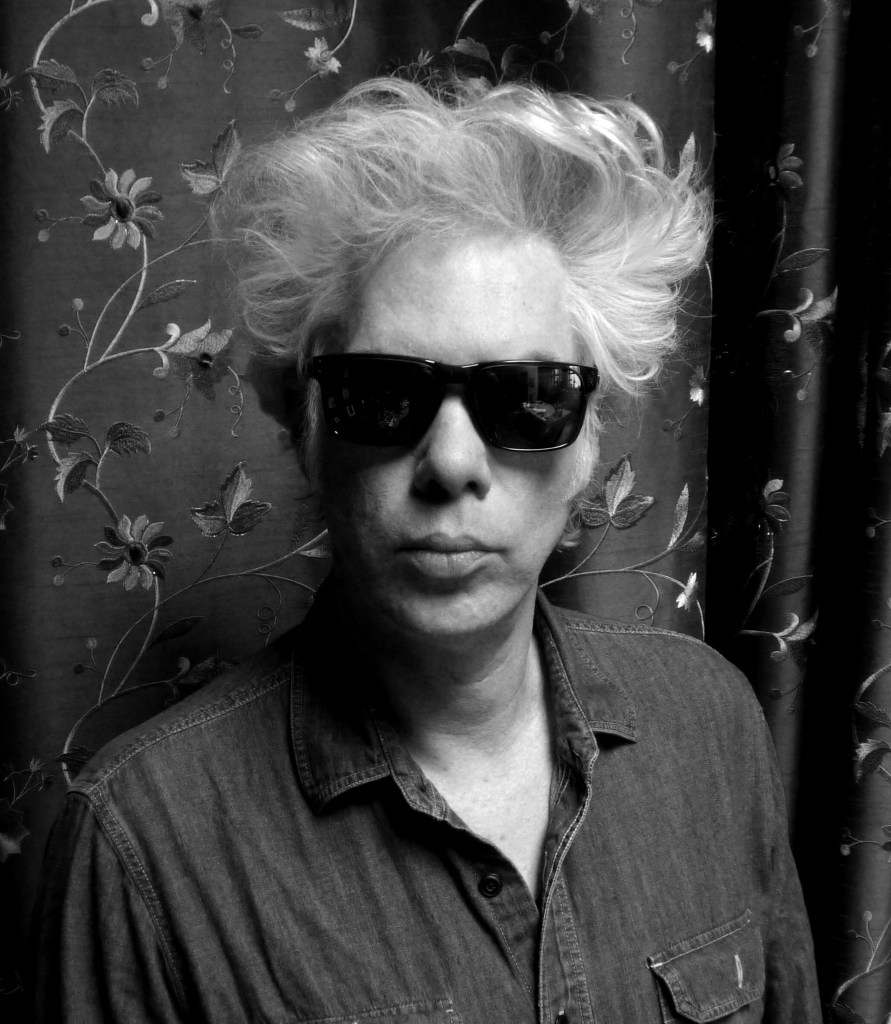
Jim Jarmusch (1953 –)
Calculated Films:
- Stranger Than Paradise (1984)
- Down By Law (1986)
- Mystery Train (1989)
- Night on Earth (1991)
- Dead Man (1995)
- Ghost Dog: The Way of the Samurai (1999)
- Only Lovers Left Alive (2013)
- Paterson (2016)
Similar Filmmakers


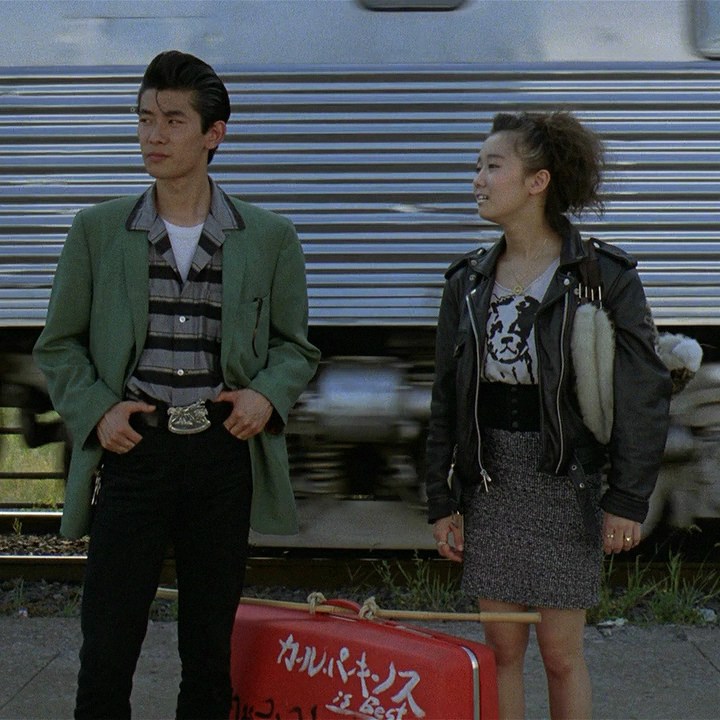
Jim Jarmusch’s Top 10 Films Ranked
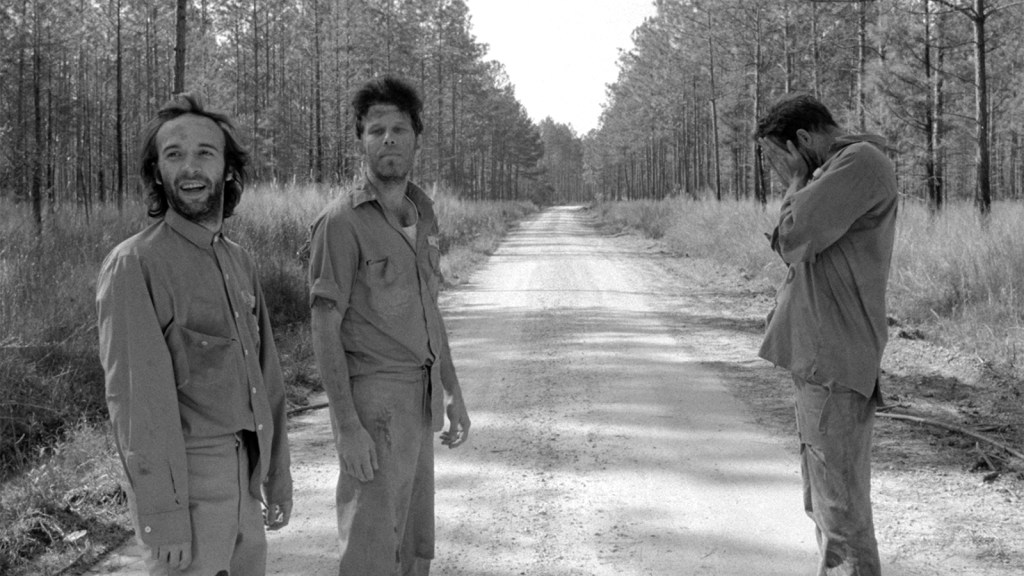
1. Down By Law (1986)
Genre: Prison Film, Comedy, Buddy, Road Movie
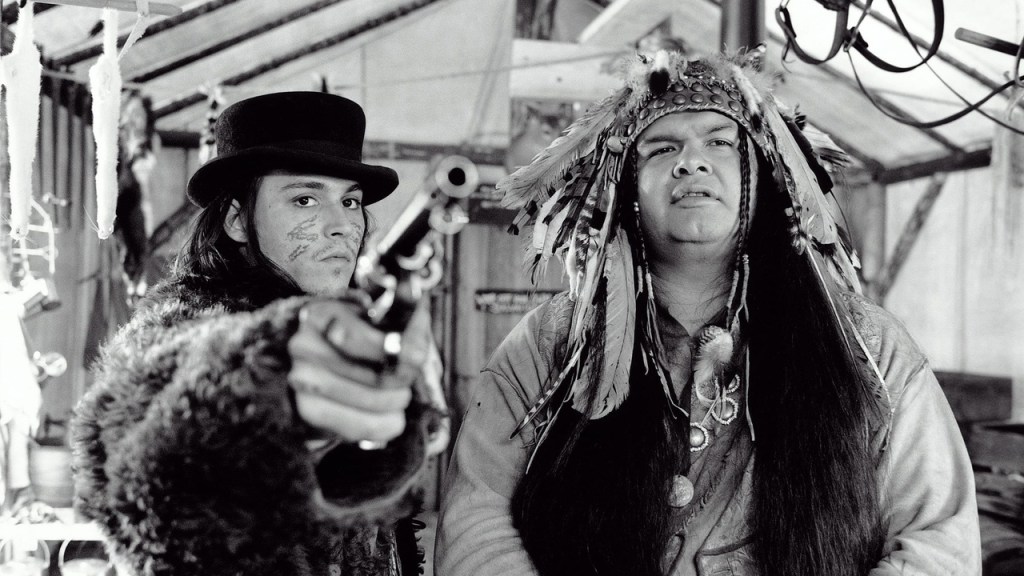
2. Dead Man (1995)
Genre: Acid Western
3. Night on Earth (1991)
Genre: Anthology Film, Comedy, Drama
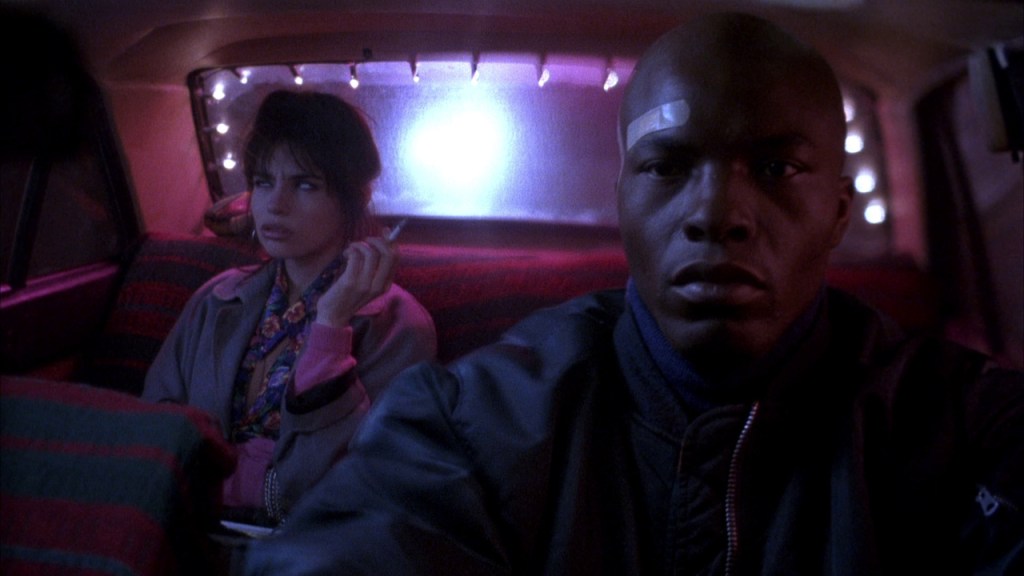
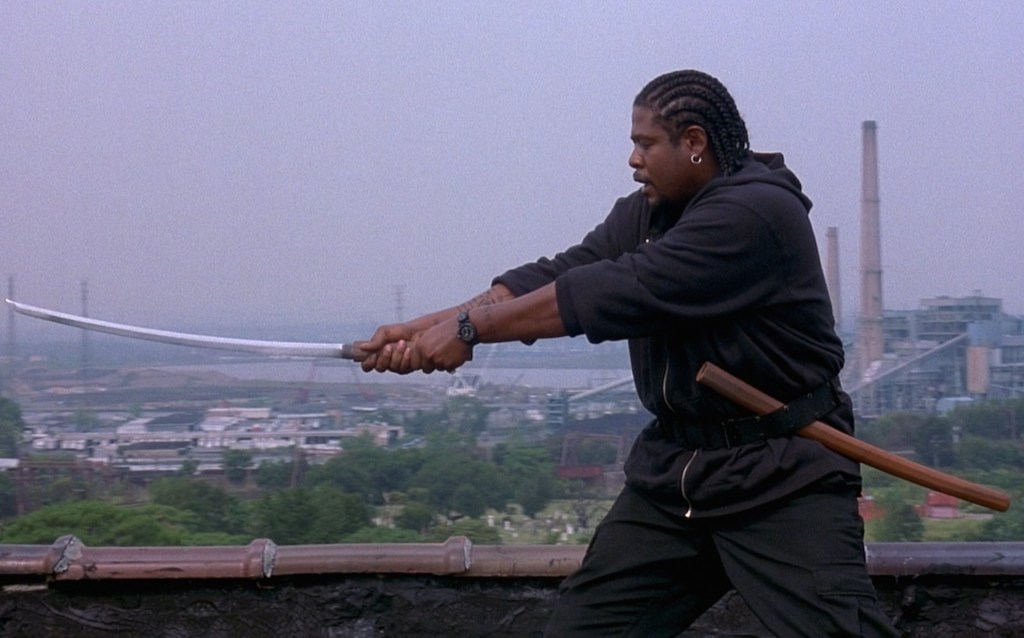
4. Ghost Dog: The Way of the Samurai (1999)
Genre: Gangster Film, Drama
5. Paterson (2016)
Genre: Drama, Slice of Life

6. Stranger Than Paradise (1984)
Genre: Road Movie, Slice of Life

7. Mystery Train (1989)
Genre: Comedy, Drama

8. Only Lovers Left Alive (2013)
Genre: Vampire, Romance, Drama
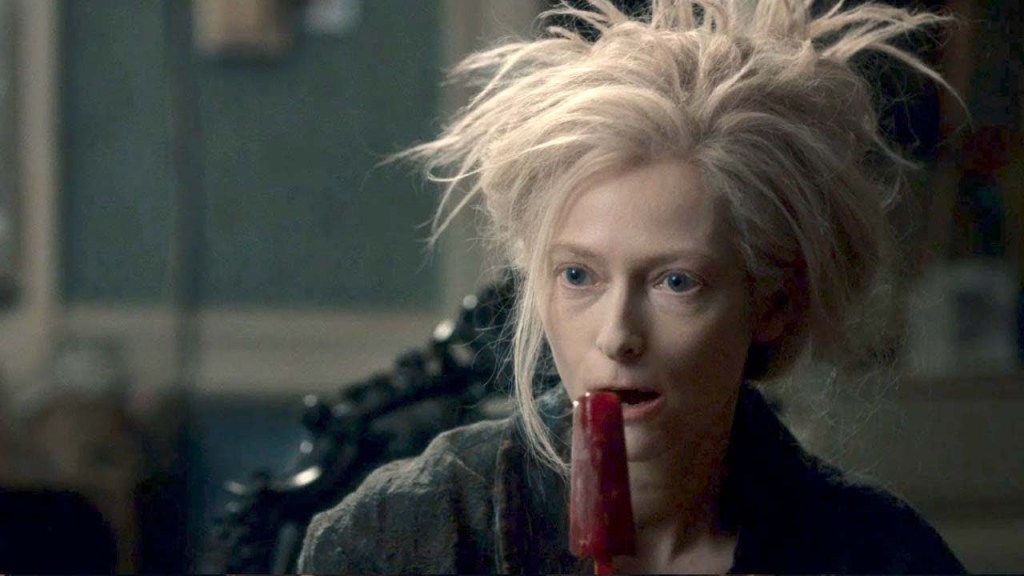
9. Broken Flowers (2005)
Genre: Road Movie, Black Comedy, Drama
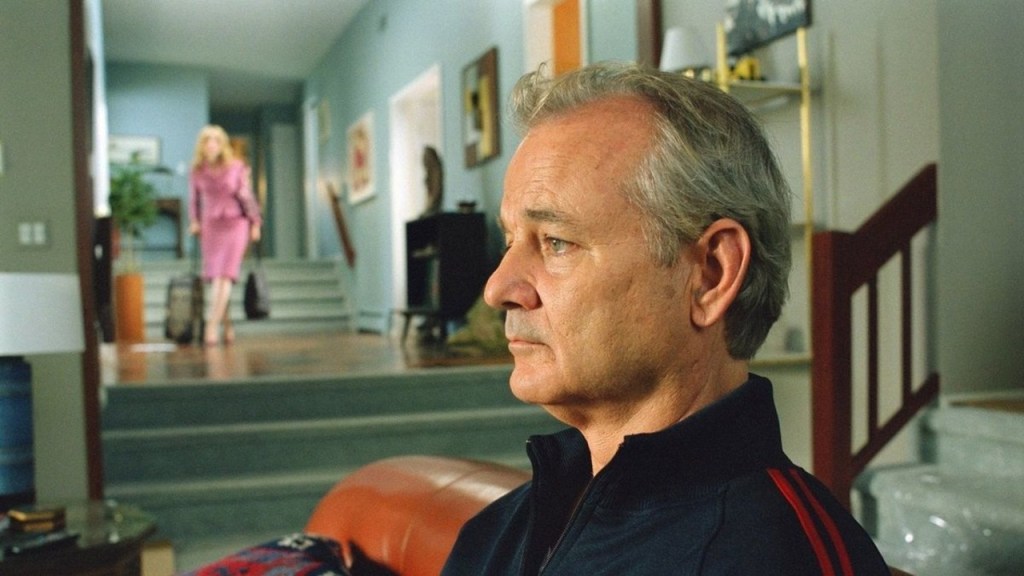
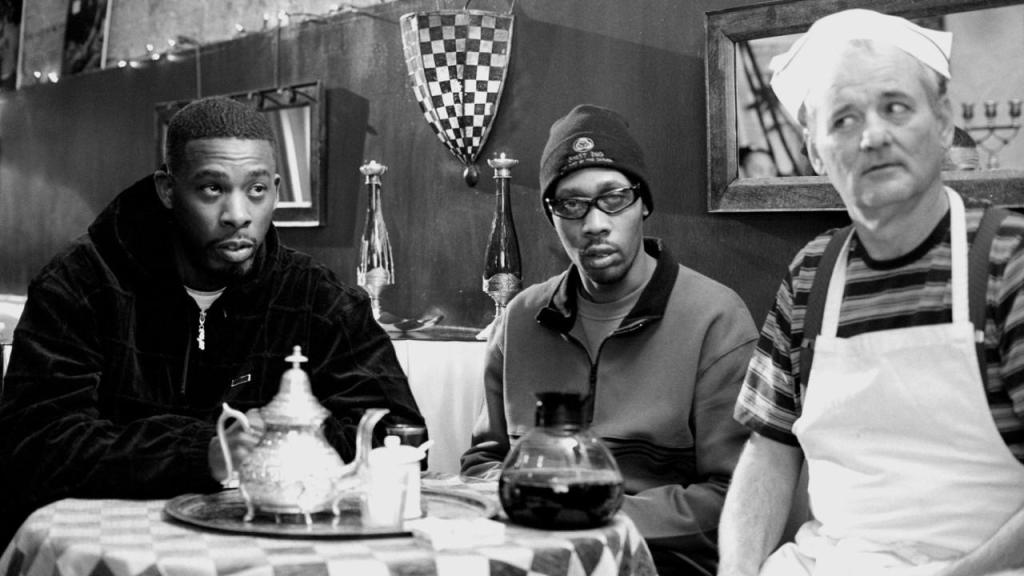
10. Coffee and Cigarettes (2003)
Genre: Anthology Film, Comedy, Slice of Life, Drama
Jim Jarmusch: Themes and Style
Themes:
- Loneliness and Isolation: Jarmusch often examines the quiet solitude of individuals in an ever-connected world. In Stranger Than Paradise, characters navigate their mundane lives, highlighting a sense of disconnection and loneliness.
- Cultural Diversity and Identity: His films frequently address cultural identity and the interactions between diverse societies. Ghost Dog: The Way of the Samurai merges Eastern philosophy with Western settings, creating a dialogue between different worldviews.
- Existentialism: Many of Jarmusch’s films delve into existential themes, posing questions about life’s meaning and purpose. Dead Man is a contemplation of life and death set against the backdrop of the American West.
- The Mundane and Everyday Life: Jarmusch finds beauty in the routine and banality of daily existence. Films like Paterson celebrate the poetry found in the small details of everyday life.
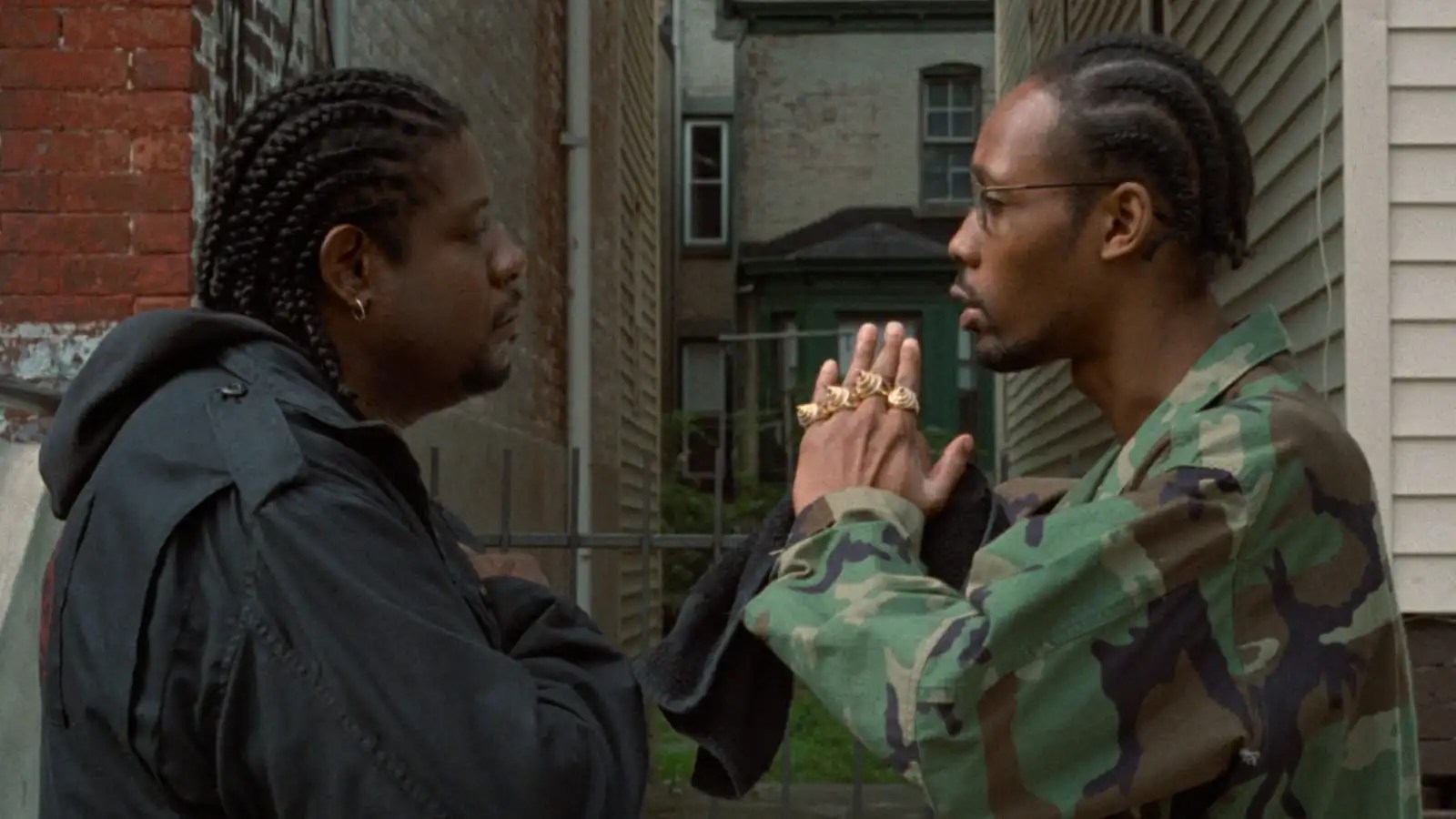
- Americana: There’s a recurring exploration of the American landscape and ethos, with films like Down by Law showcasing the idiosyncrasies of American life and characters.
Styles:
- Minimalist Storytelling: Jarmusch’s style is characterised by minimalism, using sparse dialogue and simple, unhurried narratives, as evidenced in Stranger Than Paradise.
- Deadpan Comedy: He often employs a deadpan sense of humour, with characters delivering comedic lines with a straight face, creating a unique blend of comedy and drama seen in Coffee and Cigarettes.
- Black and White Aesthetics: Jarmusch has a penchant for shooting in black and white to create a timeless quality and focus on character over spectacle, a choice that’s particularly striking in Dead Man.
- Episodic Structure: Many of his films are structured as a series of vignettes or episodic sequences, such as in Mystery Train, which presents a triptych of stories connected by a single location.
- Eclectic Soundtracks: He carefully curates soundtracks that reflect the eclectic nature of his films, often collaborating with musicians like Tom Waits and Iggy Pop to enhance the film’s atmosphere, as in Down by Law.
Directorial Signature:
- Understated Performances: Jarmusch often directs his actors to deliver understated performances, allowing subtle gestures and expressions to convey deep emotions, creating a sense of authenticity in films like Broken Flowers.
- Ensemble Casts: He has a knack for assembling diverse ensemble casts, bringing together actors from various backgrounds to enrich the narrative fabric, as seen in The Dead Don’t Die.
- Recurring Collaborators: Jarmusch frequently works with the same collaborators, both in front of and behind the camera, creating a familiar feeling throughout his body of work, with actors like Bill Murray appearing in multiple films.
- Cultural Mash-ups: His films often feature a mash-up of cultural elements, mixing genres and traditions to create something entirely new, like the samurai-inspired hitman in Ghost Dog: The Way of the Samurai.
- Observational Camera Work: Jarmusch’s directorial style includes a tendency to observe rather than intrude, allowing scenes to unfold naturally with a static camera and long takes, giving films like Paterson a contemplative pace.
Jim Jarmusch: The 103rd Greatest Director



 Bronze Screen Dream