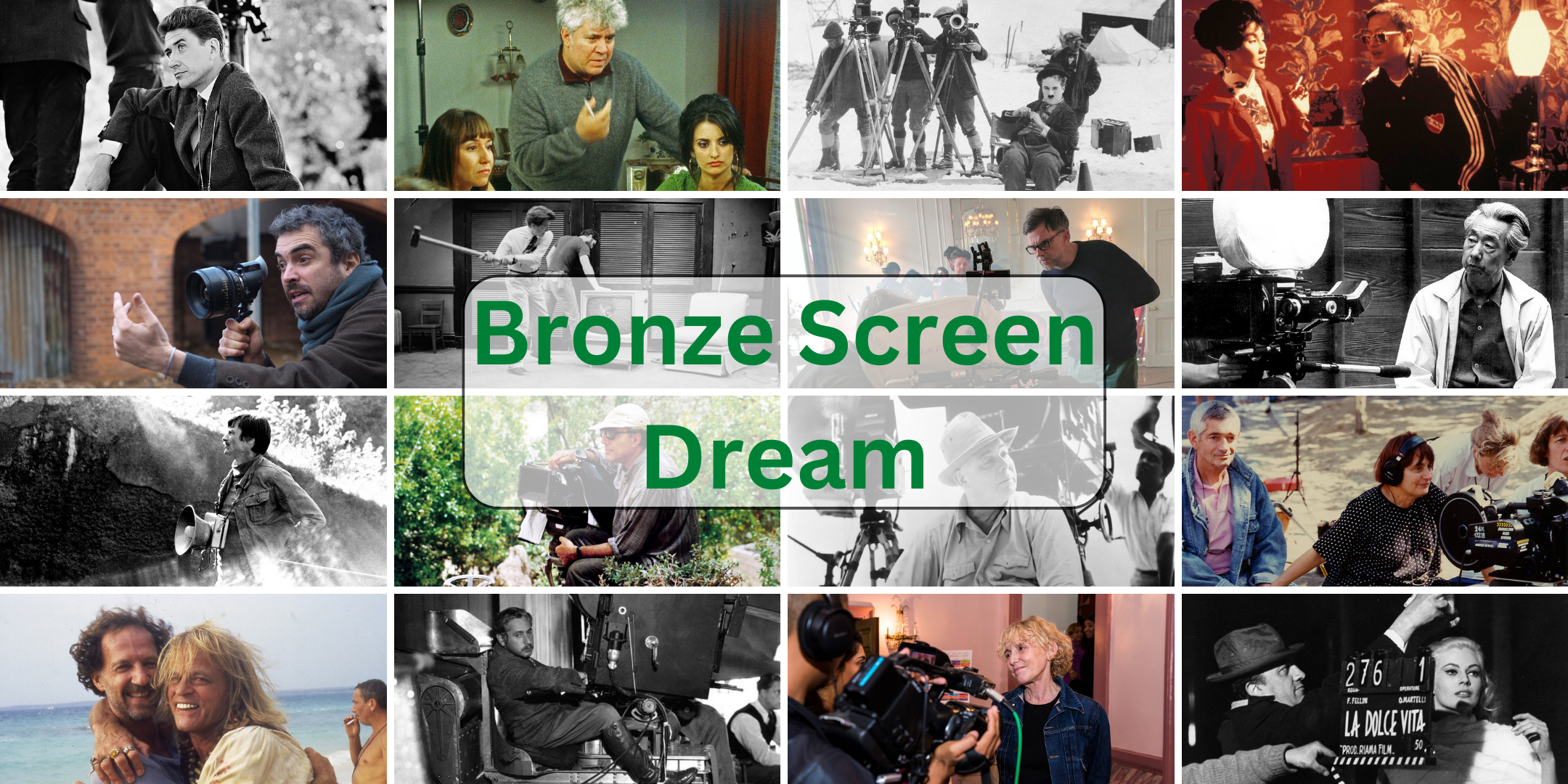

Jia Zhangke, a leading figure in contemporary Chinese cinema, is renowned for his humanistic portrayals of life in modern China. His works, including award-winning films like Still Life and A Touch of Sin, are celebrated for their poetic realism and profound social commentary, offering deep insights into a rapidly evolving China.
Born into a family of factory workers, Jia developed a keen interest in the arts and cinema at a young age. His experiences growing up in a small city in the Shanxi province profoundly shaped his cinematic style and themes. Many of his films, including Platform and Unknown Pleasures, explore the impacts of globalisation on ordinary people, mirroring his own experiences of the rapid social and economic transformations in China.
Jia’s films often revolve around individuals whose lives are dramatically altered by the rapid pace of modernisation in China. His storytelling approach favours minute narratives and real-life characters over grand historical or political events, using these personal stories as a vehicle to examine the larger socio-economic landscape. Jia’s portrayal of contemporary China is grounded in reality, revealing a China seldom seen in mainstream cinema.
From the Margins to the Metropolis
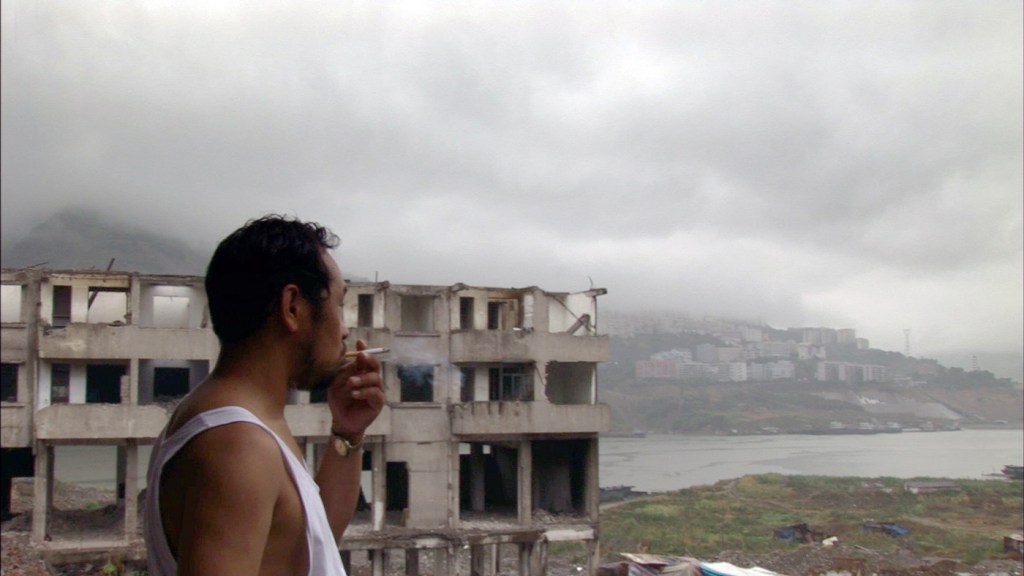
His visual style is characterised by long, wide-angle shots, minimal editing, and naturalistic lighting that evoke a sense of realism and authenticity. He frequently uses non-professional actors, further adding to the grounded feel of his films. In Still Life, he combines these techniques with elements of magical realism, blending mundane everyday experiences with moments of surreal beauty, creating a stark juxtaposition that mirrors the incongruities of life in modern China.
Jia’s influence extends beyond China’s borders, inspiring filmmakers worldwide with his innovative blend of social realism and poetic cinema. His works have been widely recognised in international film festivals, with Still Life winning the prestigious Golden Lion at the Venice Film Festival. With his nuanced and sensitive portrayals of life in contemporary China, Jia Zhangke has significantly impacted global cinema, shedding light on the human impacts of rapid societal change.

Jia Zhangke (1970–)
Calculated Films:
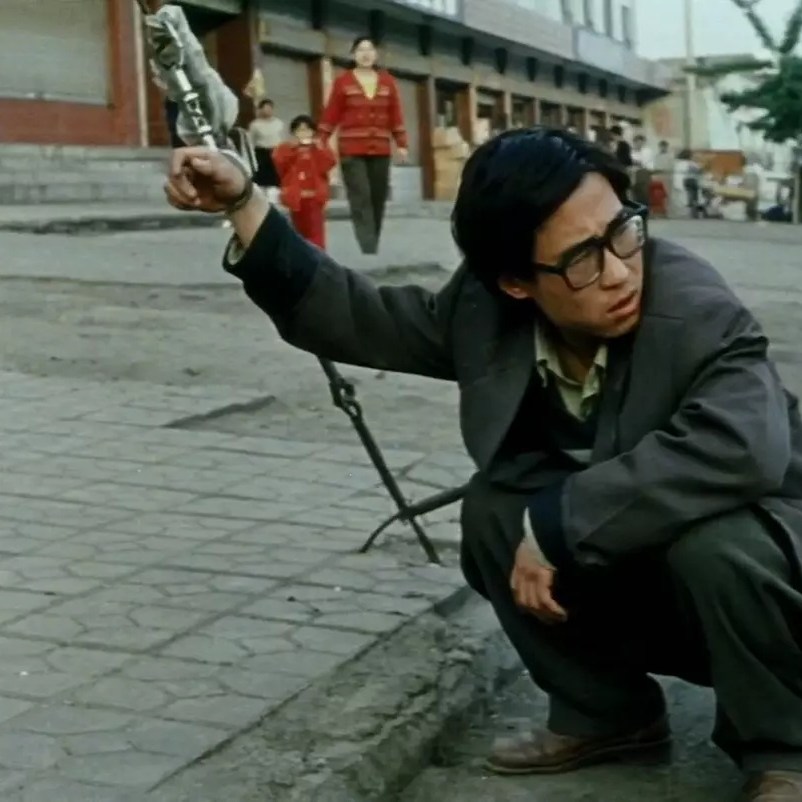
- Pickpocket (1997)
- Platform (2000)
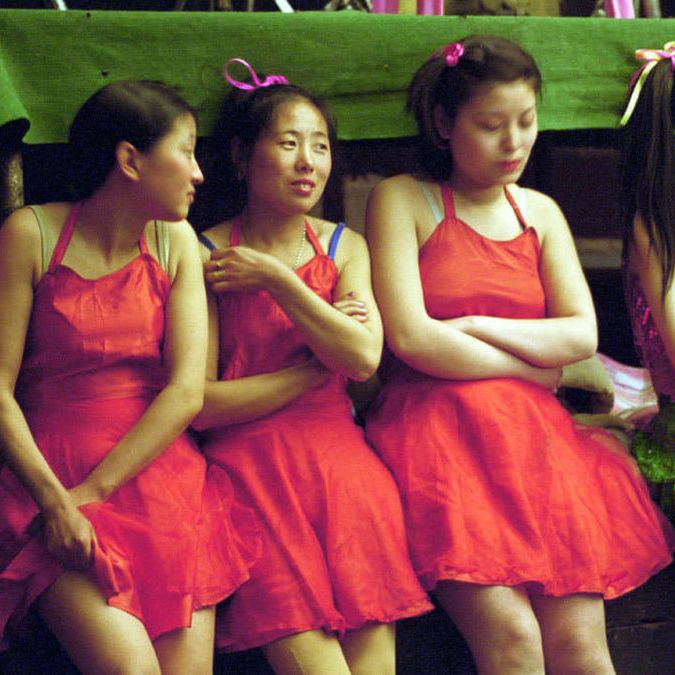
- The World (2004)
- Still Life (2006)
Similar Filmmakers
- Andrey Zvyagintsev
- Apichatpong Weerasethakul
- Bi Gan
- Chen Kaige
- Diao Yinan
- Edward Yang
- Tsai Ming-liang
- Wang Bing
- Wang Xiaoshuai
- Wu Tianming
- Zhang Yimou
- Zhang Yuan

Jia Zhangke’s Films Ranked
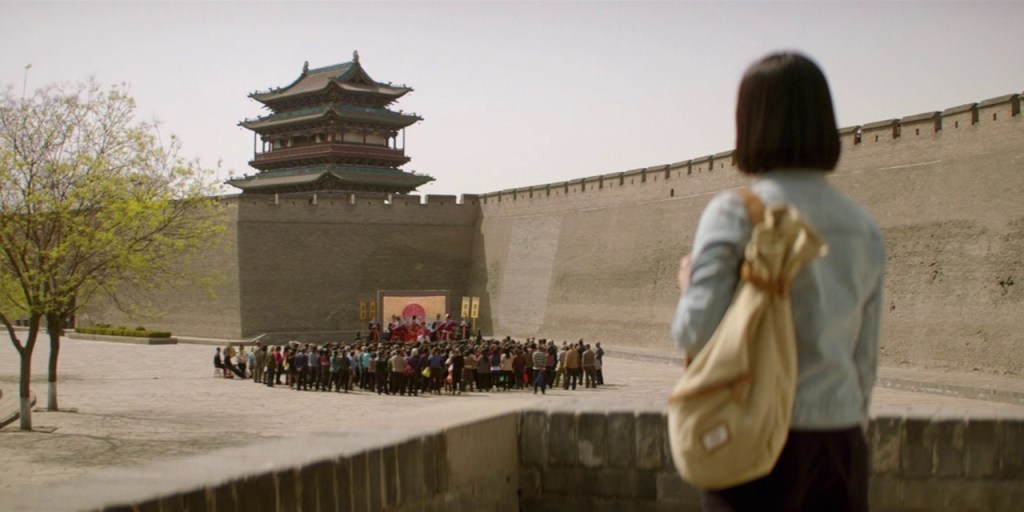
1. Platform (2000)
Genre: Period Drama
2. Pickpocket (1997)
Genre: Drama, Crime

3. Still Life (2006)
Genre: Drama, Slow Cinema
4. The World (2004)
Genre: Drama

5. Unknown Pleasures (2002)
Genre: Drama
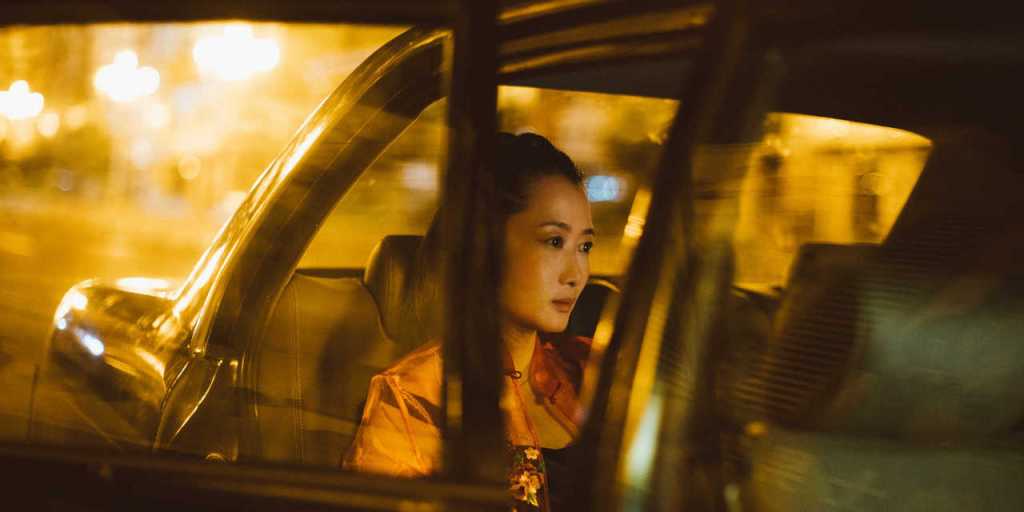
6. A Touch of Sin (2013)
Genre: Drama, Hyperlink Cinema, Crime

7. Ash Is Purest White (2018)
Genre: Romance, Crime, Drama
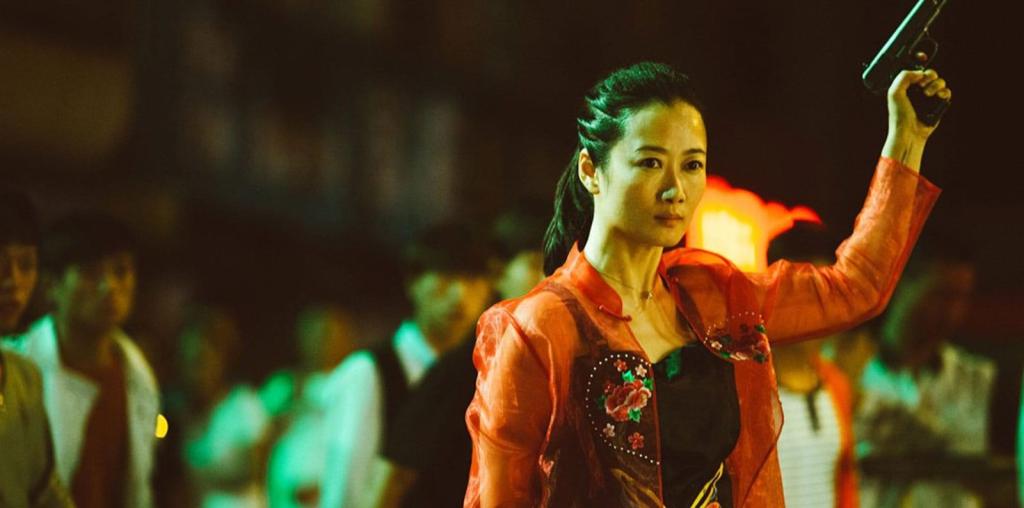
8. Mountains May Depart (2015)
Genre: Drama, Family Drama

9. Xiao Shan Going Home (1995)
Genre: Drama
Jia Zhangke: Themes and Style
Themes:
- Modernisation and Its Impact: Jia frequently explores how rapid modernisation, especially in post-1978 China, affects individuals and communities, leading to displacement and a sense of loss.
- Dislocation and Alienation: Many of his characters experience feelings of estrangement and isolation in urban landscapes, emphasising the human cost of rapid urbanisation.
- Social Realities: Jia delves into contemporary Chinese societal issues, such as economic disparity, labour conditions, and generational tensions.
- Personal Histories: His films often intermingle personal narratives with broader socio-political changes, creating a potent mix of the intimate and the universal.
- Cultural Evolution: Jia keenly observes shifts in culture, particularly in music, clothing, and language, showing how Western influences blend with local Chinese traditions.
Styles:
- Neorealism: Jia’s cinema is often compared to Italian Neorealism due to its authentic representation of life, its focus on ordinary people, and its critical socio-political commentary.
- Long Takes: He frequently employs long takes, allowing scenes to play out naturally and emphasising the passage of time.
- Documentary Style: Jia often blurs the line between fiction and documentary, incorporating real-life events and locations into his narratives.
- Use of Non-Professional Actors: In some of his earlier works, Jia used non-professional actors from the locales where he shot the film, adding a layer of authenticity.
- Naturalistic Dialogues: The dialogues in his films are often understated and realistic, mirroring actual conversations rather than theatrical exchanges.
Directorial Signature:
- Static Camera: Jia tends to use a stationary camera that lets events unfold within the frame. This technique often turns the viewer into an observer, fostering deeper engagement with the scene.
- Landscapes and Settings: Jia uses the settings of his films – whether urban skyscrapers or rural landscapes – as characters in their own right, reflecting the changes and tensions within Chinese society.
- Temporal Layering: Jia’s films, such as Platform and Mountains May Depart, play with time, spanning decades, to showcase the progression and transformation of characters and societies.
- Narrative Minimalism: While his films touch on grand societal themes, they are often anchored in the minutiae of daily life, with small moments and subtle gestures speaking volumes.
- Interplay of Sound and Silence: Jia’s use of diegetic sound, especially traditional and contemporary music, juxtaposed against stretches of silence, enhances the emotional resonance of his films.
Jia Zhangke: The 173rd Greatest Director

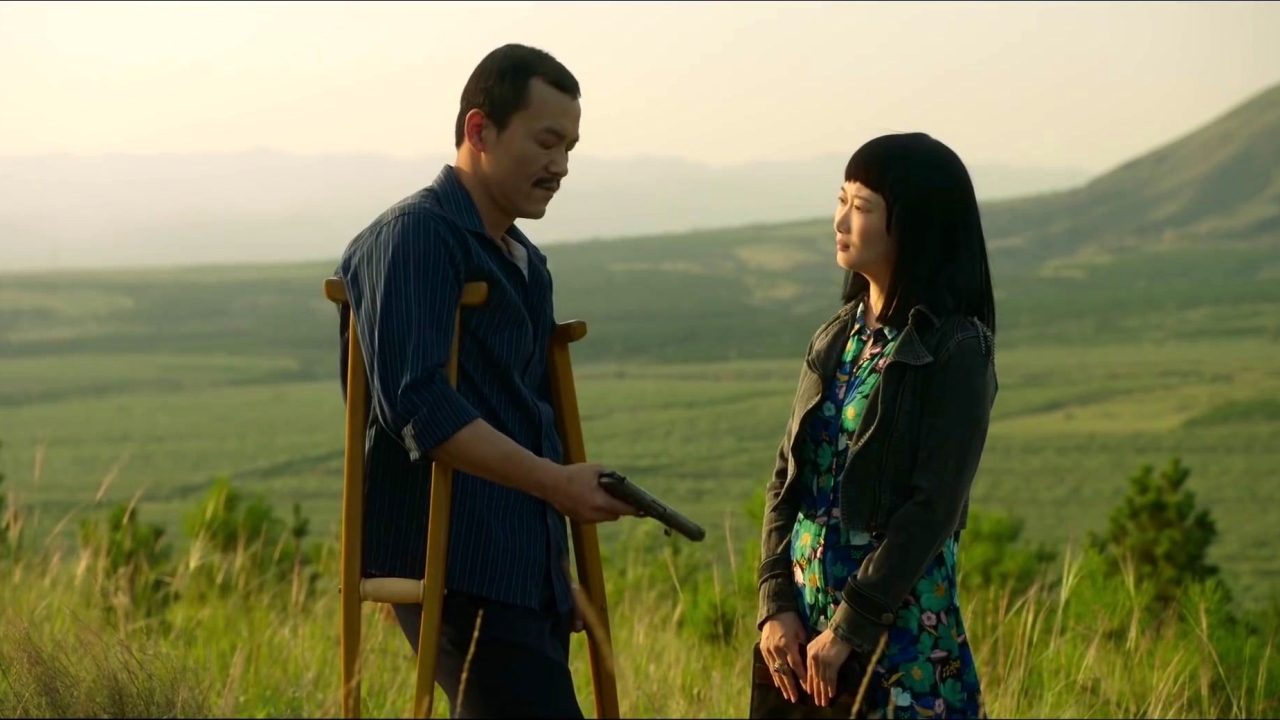


 Bronze Screen Dream