
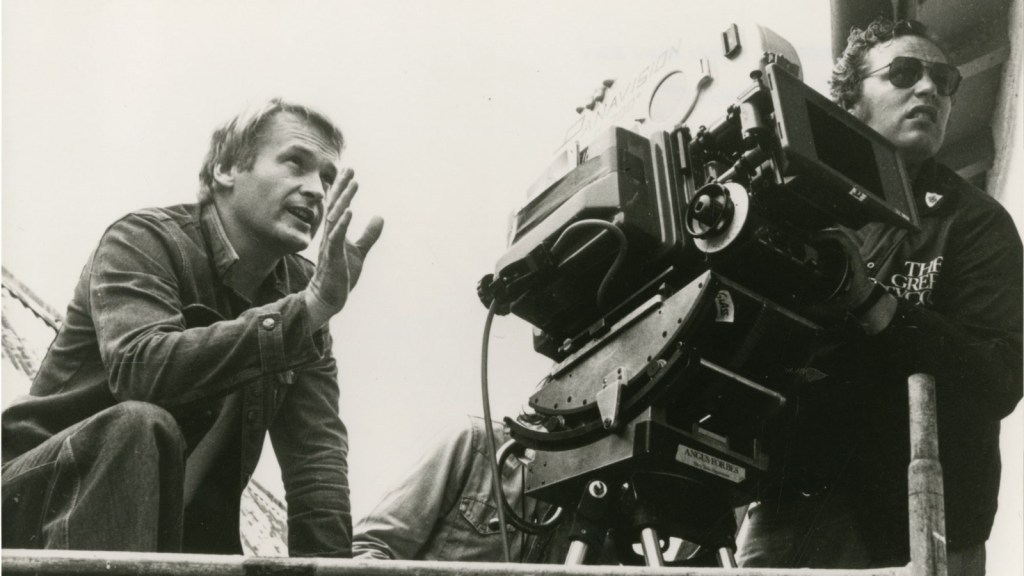
Jerzy Skolimowski is a renowned Polish filmmaker celebrated for his distinctive contributions to world cinema. His work is particularly known for its innovative narrative structures and psychological depth, often exploring complex human emotions and social dynamics. Skolimowski’s films, marked by their idiosyncratic storytelling and stylistic boldness, have earned him a reputation as a master of cinematic art, particularly in the realms of drama and psychological thrillers.
Skolimowski’s career, spanning several decades, is characterised by a deep exploration of themes such as alienation, personal identity, and the human psyche. His early works, like Barrier and Walkover, showcase a fascination with the existential struggles of individuals against societal norms. These films often feature protagonists who are outcasts or rebels grappling with their inner turmoil and the pressures of the external world. Skolimowski’s visual style is notable for its experimental and avant-garde approach, frequently employing unconventional camera angles, abrupt editing, and vivid use of colour to convey the emotional and psychological states of his characters. His later works, such as Essential Killing, reflect a more mature perspective, delving into the themes of survival and the human instinct in extreme conditions. This film, in particular, stands out for its minimal dialogue and intense focus on the physical and mental endurance of its protagonist.
What makes Skolimowski an interesting director is not just his thematic concerns but also his approach to filmmaking. He often blends elements of surrealism and realism, creating a unique cinematic language that challenges and engages the viewer. His film The Shout, for instance, showcases this blend, weaving a surreal narrative that blurs the lines between reality and illusion. Skolimowski’s ability to draw powerful performances from his actors, coupled with his skill in crafting visually striking scenes, contributes to the lasting impact of his films.
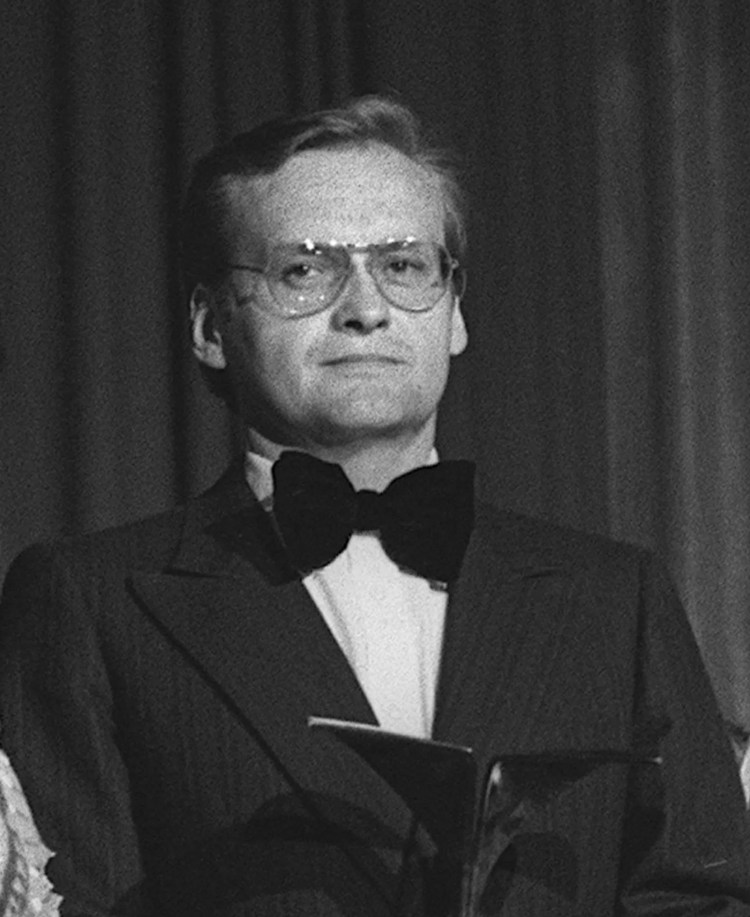
Jerzy Skolimowski (1938 –)
Calculated Films
- Deep End (1970)
- Moonlighting (1982)
- EO (2022)
Similar Filmmakers
- Andrei Tarkovsky
- Andrzej Munk
- Andrzej Wajda
- Andrzej Zulawski
- Feliks Falk
- Ingmar Bergman
- Jan Kadar
- Janusz Morgenstern
- Krzysztof Kieslowski
- Krzysztof Zanussi
- Marek Piwowski
- Miklos Jancso
- Milos Forman
- Piotr Szulkin
- Roman Polanski
- Ryszard Bugajski
- Werner Herzog
- Wojciech Has

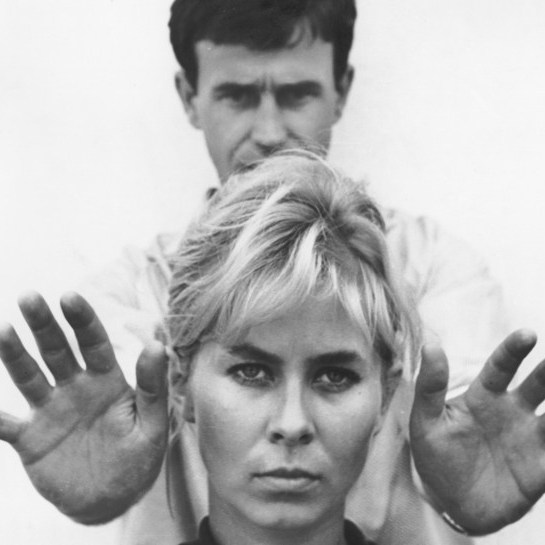
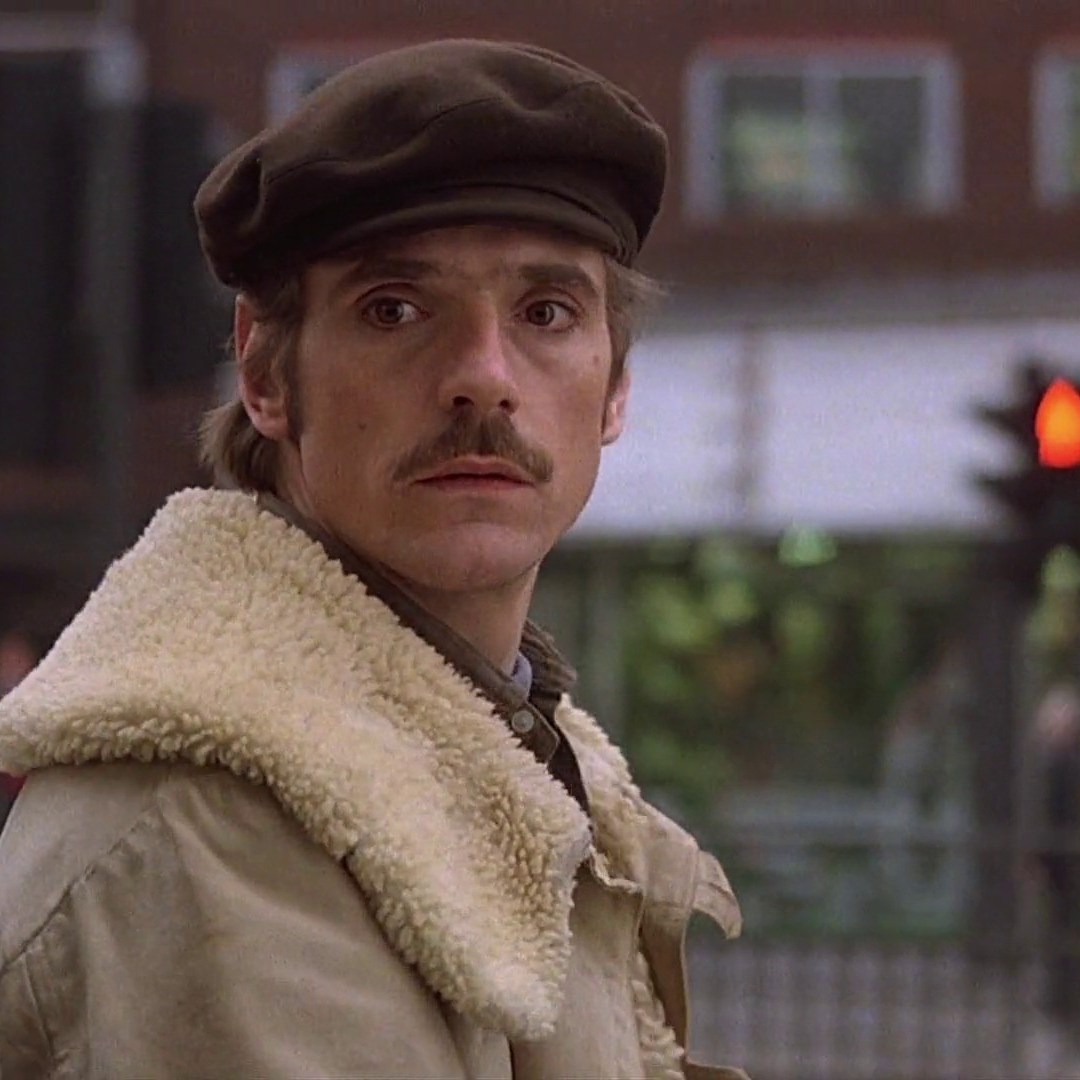
Jerzy Skolimowski’s Top 5 Films Ranked
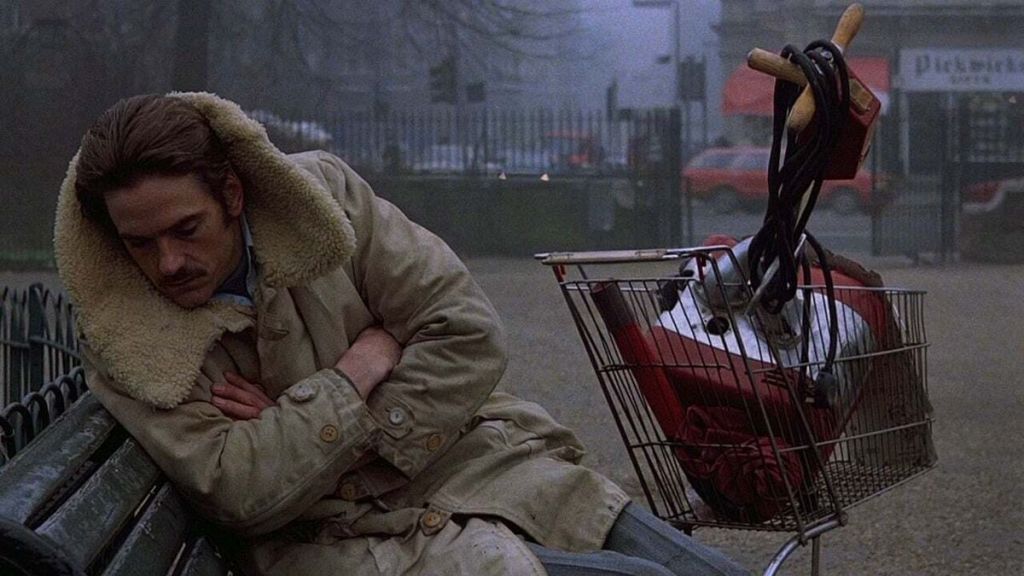
1. Moonlighting (1982)
Genre: Drama
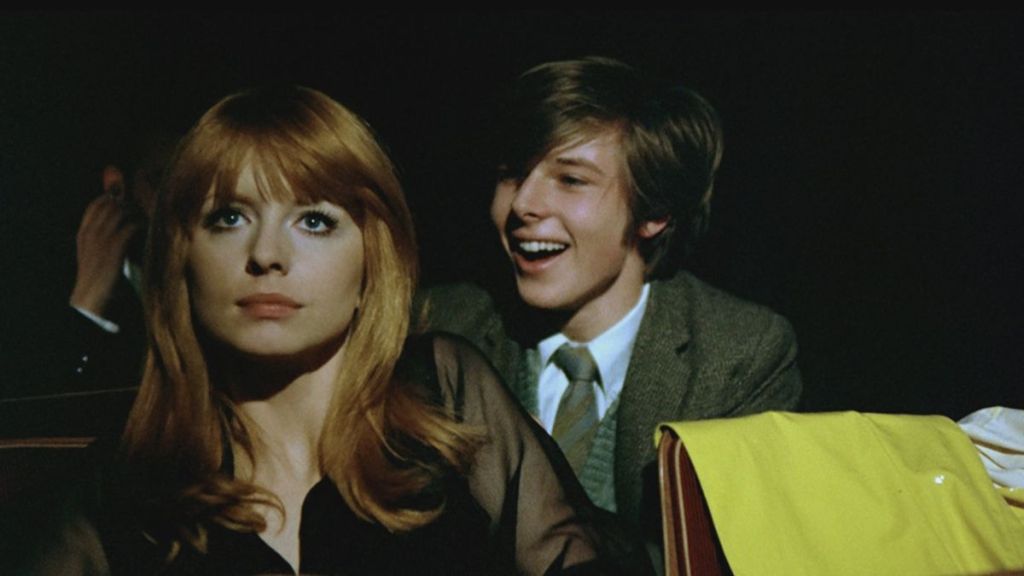
2. Deep End (1970)
Genre: Coming-of-Age, Drama
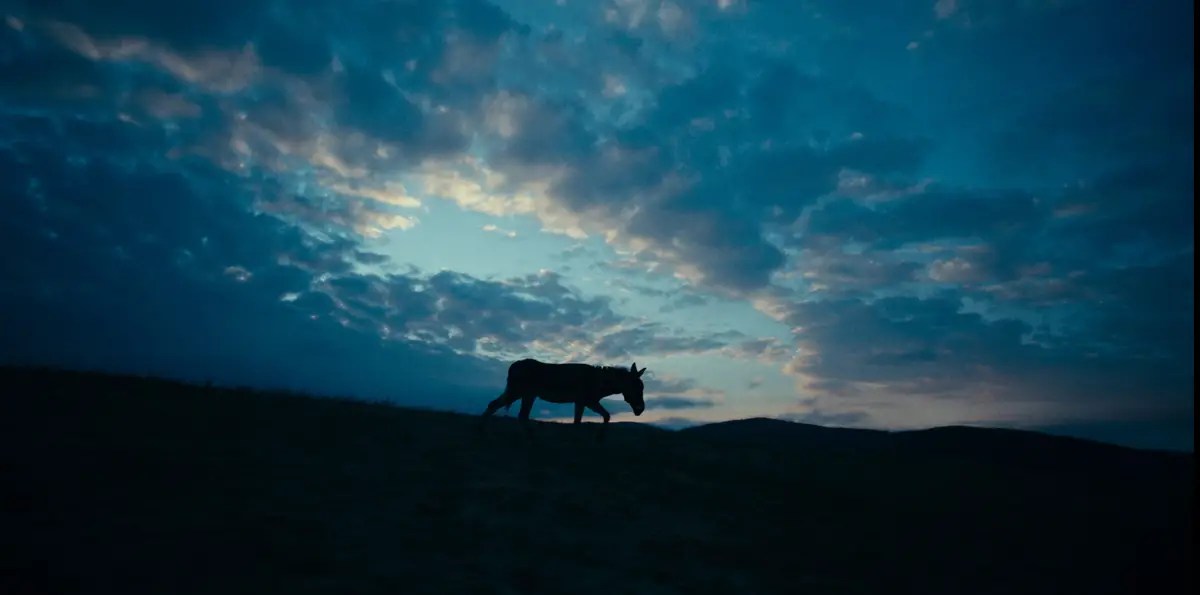
3. EO (2022)
Genre: Drama

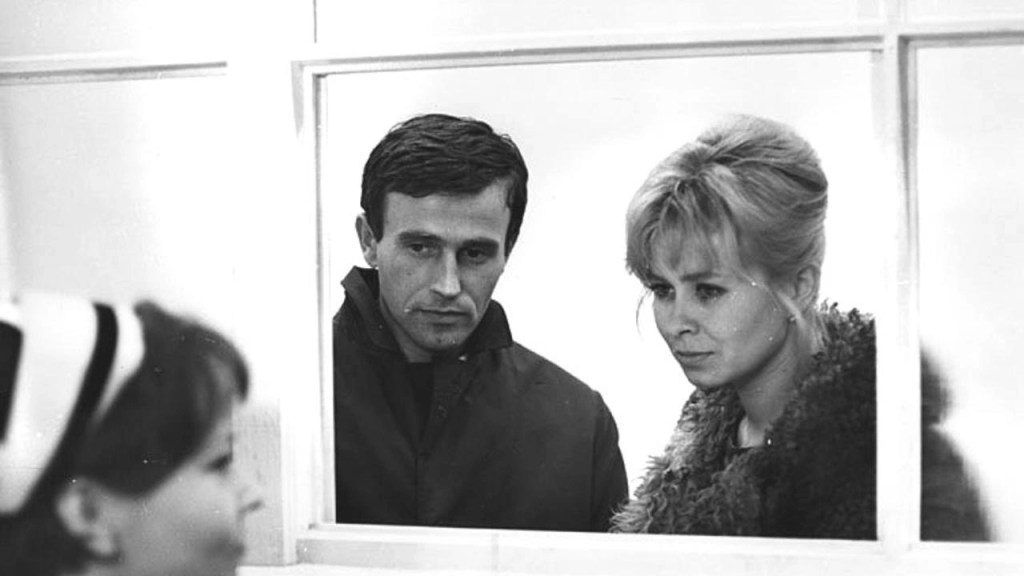
4. Walkower (1965)
Genre: Polish Film School, Drama, Sports, Coming-of-Age

5. Bariera (1966)
Genre: Surrealism, Drama, Romance
Jerzy Skolimowski: Themes and Style
Themes:
- Alienation and Outsiders: Skolimowski frequently explores themes of alienation and the experiences of outsiders. In Moonlighting, the story of Polish workers in London, he delves into the psychological and social isolation felt by immigrants.
- Political and Social Commentary: His films often contain sharp observations on political and social issues. The Shout, for example, subtly addresses themes of power and control within society.
- Youth and Rebellion: Skolimowski’s early work, like Identification Marks: None, often focuses on youthful protagonists who are rebellious or at odds with societal norms and expectations.
- Psychological Complexity: Films such as Deep End and Essential Killing delve into the complex psychological states of their characters, often blurring the lines between reality and perception.
- Survival and Human Instinct: He frequently examines themes of survival and the primal aspects of human nature, as seen in Essential Killing, where basic survival instincts drive the protagonist.
Styles:
- Innovative Narrative Structures: Skolimowski often employs unconventional narrative structures, blending reality with surreal elements, as evident in The Shout, which uses a non-linear storytelling approach.
- Visual Metaphors and Symbolism: His films are rich in visual metaphors and symbolism, using imagery to enhance the narrative depth, a technique showcased in Deep End with its use of colour and space to convey emotional states.
- Character Studies: Many of his films are intense character studies, focusing closely on the internal struggles and development of the protagonist, like in Moonlighting.
- Stylistic Versatility: Skolimowski exhibits a wide range of stylistic approaches, from the more straightforward narratives of The Lightship to the experimental style of The Shout.
- Use of Music and Sound: He often uses music and sound design to create mood and atmosphere, as well as to heighten the emotional impact of his films, a technique particularly noticeable in Deep End.
Directorial Signature:
- Personal and Autobiographical Elements: Skolimowski’s films often include autobiographical elements or are influenced by his personal experiences, especially his early works that reflect his youth in Poland.
- Focus on the Marginalised: Skolimowski frequently centres his narratives on marginalised or overlooked individuals, giving voice to their experiences and perspectives.
- Dynamic and Energetic Camera Work: His films are often characterised by vibrant and energetic camera work, which adds a sense of immediacy and intimacy to the storytelling.
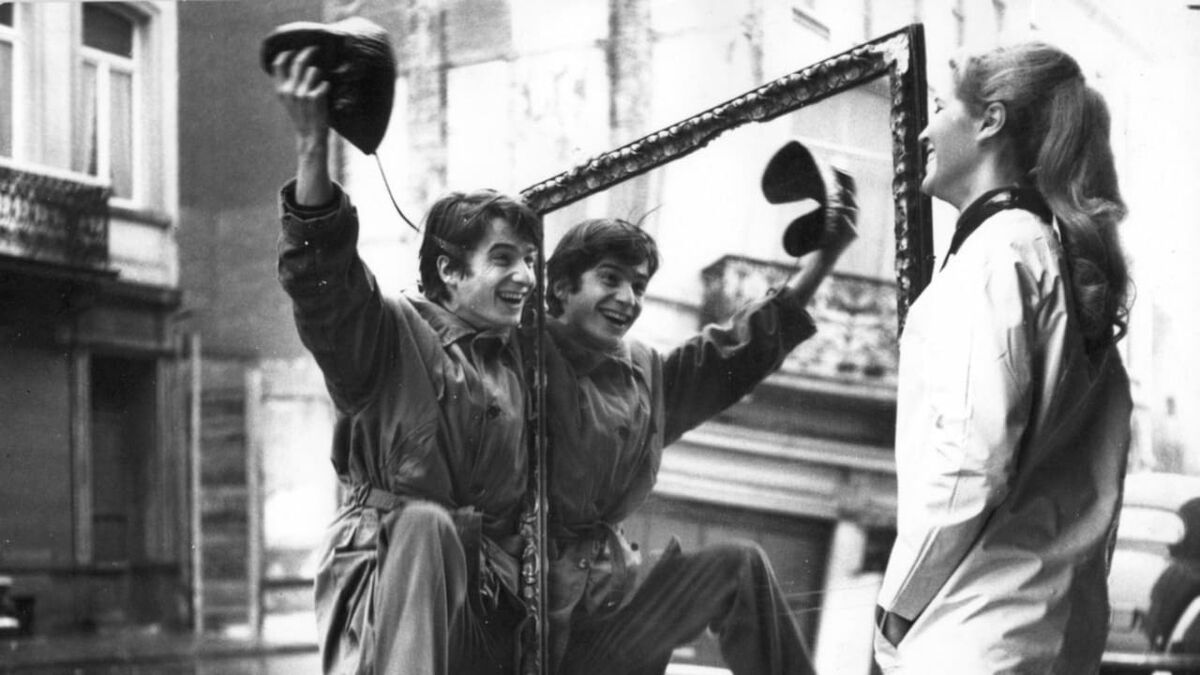
Jerzy Skolimowski – Great Director


 Bronze Screen Dream