

Jerzy Kawalerowicz was a Polish film director and screenwriter, regarded as one of the leading figures in the Polish Film School, a movement known for its thematic depth and stylistic innovation in the post-war era. His work is best known for its deep psychological insights, exploration of existential themes, and distinctive visual style that often blurred the lines between reality and surrealism. Kawalerowicz’s films frequently delve into the human psyche, examining complex and often controversial subjects with a nuanced and thoughtful approach.
Kawalerowicz began his filmmaking career in the early 1950s, a period marked by the strictures of Socialist Realism in Poland. Despite these constraints, he managed to carve out a distinctive voice, initially gaining recognition with films that subtly critiqued the societal and political landscape of the time. His career reached new heights in the 1960s with Mother Joan of the Angels, a film that won the Jury Prize at the Cannes Film Festival, establishing him as a director of international stature. This period also saw Kawalerowicz experimenting with epic historical narratives, as evidenced in Pharaoh, which was nominated for an Academy Award for Best Foreign Language Film.
Kawalerowicz’s career spanned several decades, during which he developed a distinctive style that combined psychological depth with a keen eye for historical detail. His films often explored complex themes such as faith, morality, and the human psyche, with a particular focus on the intersection of the individual and larger societal forces. In Pharaoh, for instance, he delves into ancient history to explore timeless questions of power and destiny, creating a film that is both a detailed historical epic and a profound meditation on human nature. Similarly, in Mother Joan of the Angels, he uses a historical setting to explore themes of faith, possession, and the clash between the spiritual and the corporeal, showcasing his ability to weave deep themes into compelling narratives.
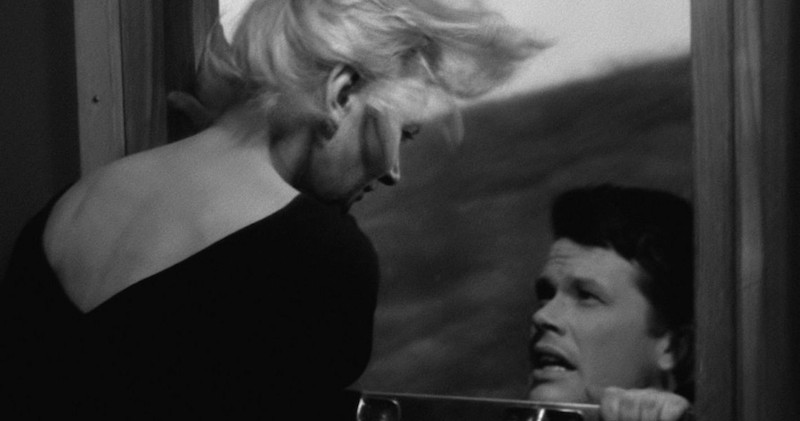
Kawalerowicz’s work is noted for its visual style as well, which often featured striking compositions and masterful use of light and shadow, creating a mood that deeply enhances the thematic content of his films. He had a knack for creating atmospheres that were both realistic and surreal, often employing a minimalist approach that left a significant impact on the viewer. This visual mastery, combined with his profound narrative themes and historical insights, made Jerzy Kawalerowicz a key figure in Polish cinema and an influential voice in the broader world of international film.
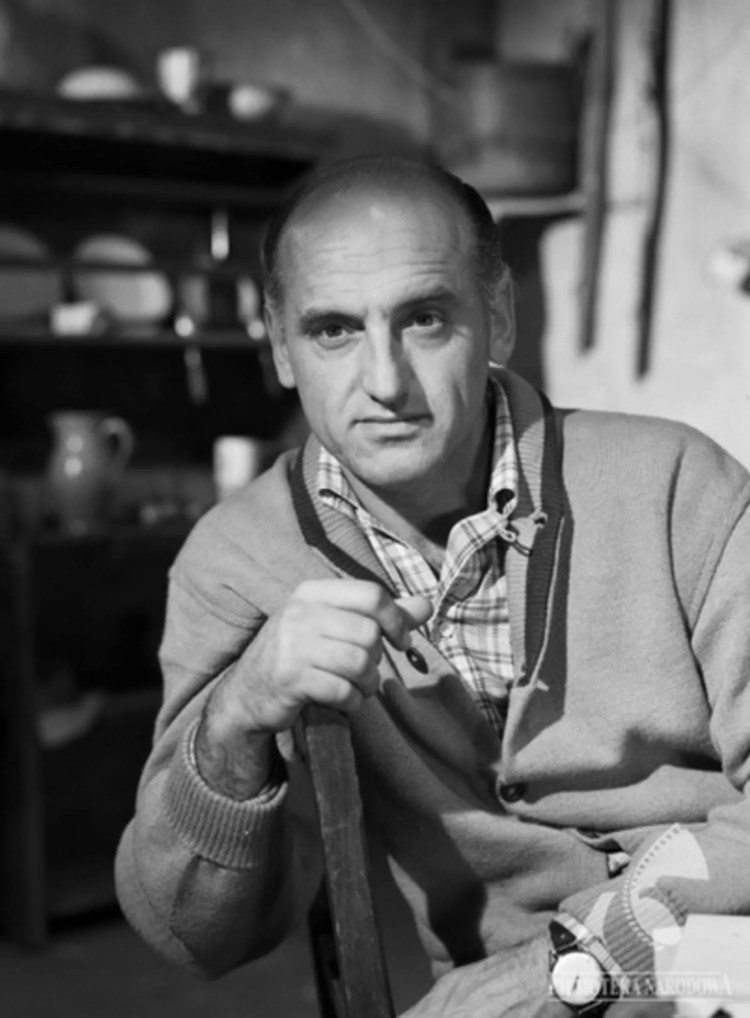
Jerzy Kawalerowicz (1922 – 2007)
Calculated Films:
- Night Train (1959)
- Mother Joan of the Angels (1961)
Similar Filmmakers
- Aleksander Ford
- Andrei Tarkovsky
- Andrzej Munk
- Andrzej Wajda
- Bela Tarr
- Czeslaw Petelski
- Edward Zebrowski
- Frantisek Vlacil
- Ingmar Bergman
- Janusz Nasfeter
- Kazimierz Kutz
- Krzysztof Kieslowski
- Krzysztof Zanussi
- Leonard Buczkowski
- Pawel Komorowski
- Tadeusz Konwicki
- Witold Lesiewicz
- Wojciech Has


Jerzy Kawalerowicz’s Top 5 Films Ranked
1. Night Train (1959)
Genre: Drama, Train Movie

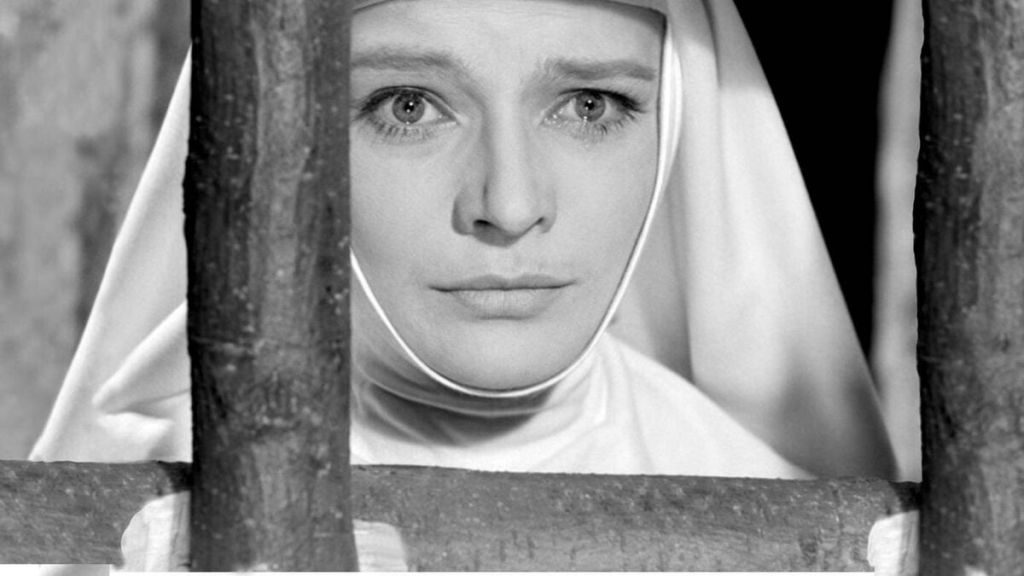
2. Mother Joan of the Angels (1961)
Genre: Period Drama, Psychological Horror
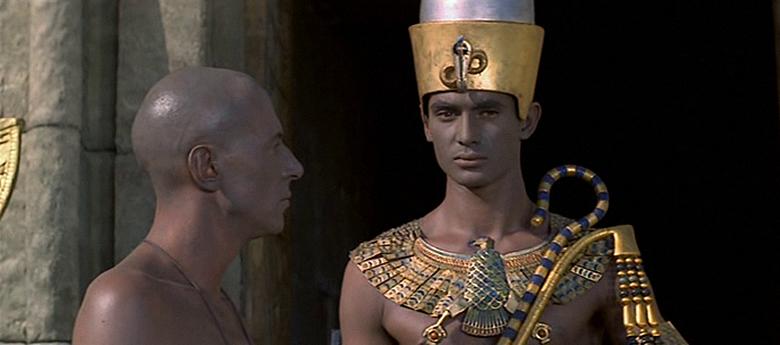
3. Pharaoh (1966)
Genre: Period Drama, Epic

4. Death of a President (1977)
Genre: Biographical, Period Drama, Political Drama

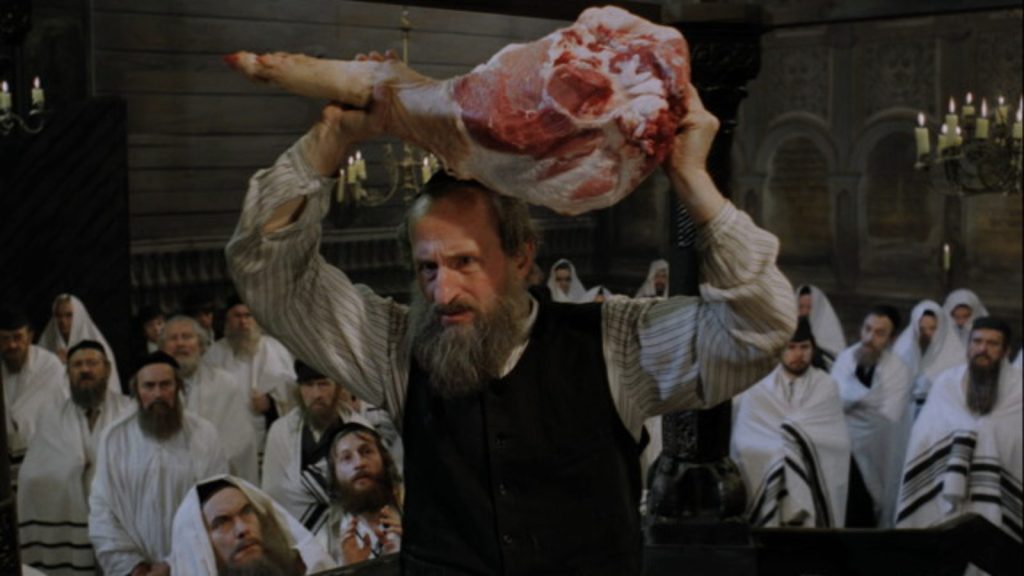
5. Austeria (1982)
Genre: Period Drama, Magical Realism
Jerzy Kawalerowicz: Themes and Style
Themes:
- Exploration of Morality and Faith: Kawalerowicz often delved into the complexities of moral choices and spiritual beliefs. His film Mother Joan of the Angels is a prime example, portraying a crisis of faith and the battle between good and evil in a convent setting.
- Sociopolitical Commentary: Many of Kawalerowicz’s films, like Austeria, subtly critique societal and political structures, reflecting on the human condition under various regimes, particularly in the context of war and its aftermath.
- Psychological Depth: His works often showcase a deep psychological insight. In Night Train, Kawalerowicz explores the intricate psyche of passengers, revealing their inner fears, desires, and complexities.
- Historical and Cultural Reflections: He frequently incorporated historical and cultural elements into his narratives. For instance, Pharaoh is set in ancient Egypt, exploring the power dynamics and cultural aspects of that era.
Styles:
- Visual Symbolism: Kawalerowicz’s films are known for their strong visual symbolism. In Mother Joan of the Angels, the stark black-and-white cinematography enhances the film’s exploration of dualities – good vs. evil, faith vs. doubt.
- Atmospheric Cinematography: His use of light and shadow creates a unique atmosphere that adds depth to the narrative. Night Train uses shadow play to amplify the suspense and psychological tension among its characters.
- Narrative Ambiguity: He often left narratives open to interpretation, allowing the audience to engage actively with the plot. The Shadow exemplifies this, presenting a mysterious story that challenges viewers to draw their own conclusions.
- Innovative Sound Design: Kawalerowicz’s attention to sound design was ahead of his time, using audio elements to complement and enhance the visual storytelling, as seen in Pharaoh.
Directorial Signature:
- Masterful Blending of Genres: Kawalerowicz seamlessly blended genres, merging drama with elements of psychological thriller or historical epic, as seen in Mother Joan of the Angels.
- Complex Character Portrayals: He had a knack for developing multi-dimensional characters, often portrayed in moral or psychological conflict, which is evident in Night Train.
- Intellectual Provocation: His films were intellectually stimulating, encouraging viewers to ponder deeper philosophical and existential questions, a trait prominently seen in Pharaoh.
- Artistic Integrity: Kawalerowicz maintained a strong creative vision, often going against commercial trends to preserve the integrity and depth of his work, as exemplified in his approach to Austeria.
Jerzy Kawalerowicz – Great Director


 Bronze Screen Dream