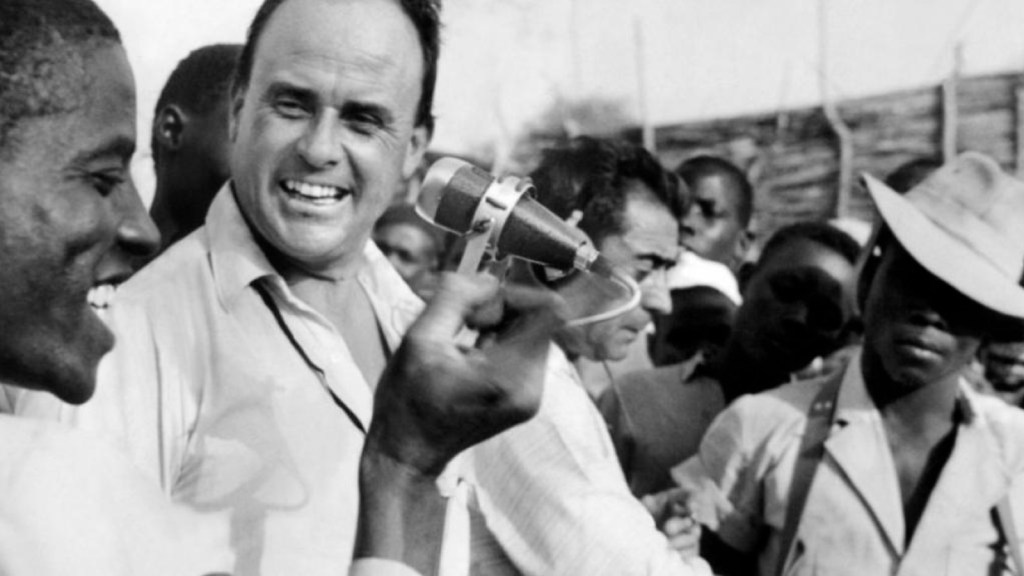
Jean Rouch was a renowned French filmmaker and anthropologist best known for pioneering the cinema vérité (truth cinema) style in documentary filmmaking. His films, such as Chronicle of a Summer and The Human Pyramid, are notable for their observational approach, merging fiction with reality and capturing the intricacies of human behaviour and cultural dynamics.
His filmography stands apart due to his innovative approach to blurring the lines between documentary and fiction. This methodology, termed “ethnofiction”, involved the participation of his subjects in the storytelling process, allowing them to play themselves or fictional characters, thereby crafting a narrative enriched by genuine experiences and emotions. In Jaguar, for instance, the main characters embark on a journey from Niger to the Gold Coast, and though the film unfolds like a fictional narrative, the events and interactions stem from real experiences. This technique enabled Rouch to delve deep into the lives and psychologies of his subjects, offering viewers an authentic insight into their worlds.
Rouch was adept at capturing spontaneous and unscripted moments, presenting them in an almost raw form, accentuating the authentic feel of his works. His preference for hand-held camera techniques, as seen in Moi, un Noir, gave his films an intimate, almost voyeuristic feel, drawing audiences directly into the scene. Furthermore, his frequent focus on post-colonial Africa and its complexities brought forth issues of identity, migration, and cultural exchange, offering a unique perspective rarely explored in cinema.

Jean Rouch (1917 – 2004)
Calculated Films:
- Les Maîtres Fous (1955)
- Chronicle of a Summer (1961)
Similar Filmmakers
- Allan King
- Barbara Kopple
- Basil Wright
- Chris Marker
- Claude Lanzmann
- David and Judith MacDougall
- Dziga Vertov
- Jean-Marie Teno
- John Marshall
- Jorge Preloran
- Kazuo Hara
- Les Blank
- Maysles Brothers
- Ousmane Sembene
- Pierre Perrault
- Robert Flaherty
- Safi Faye
- Werner Herzog

Jean Rouch’s Top 5 Films Ranked
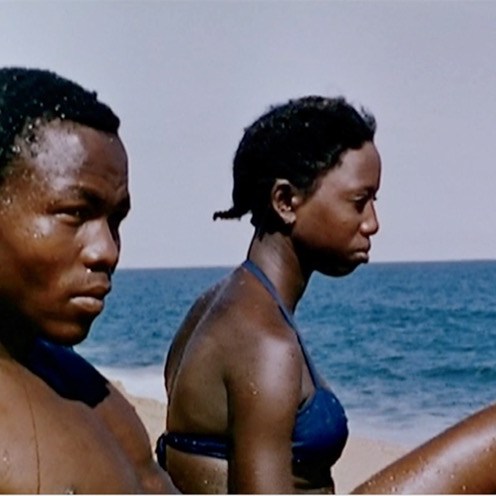
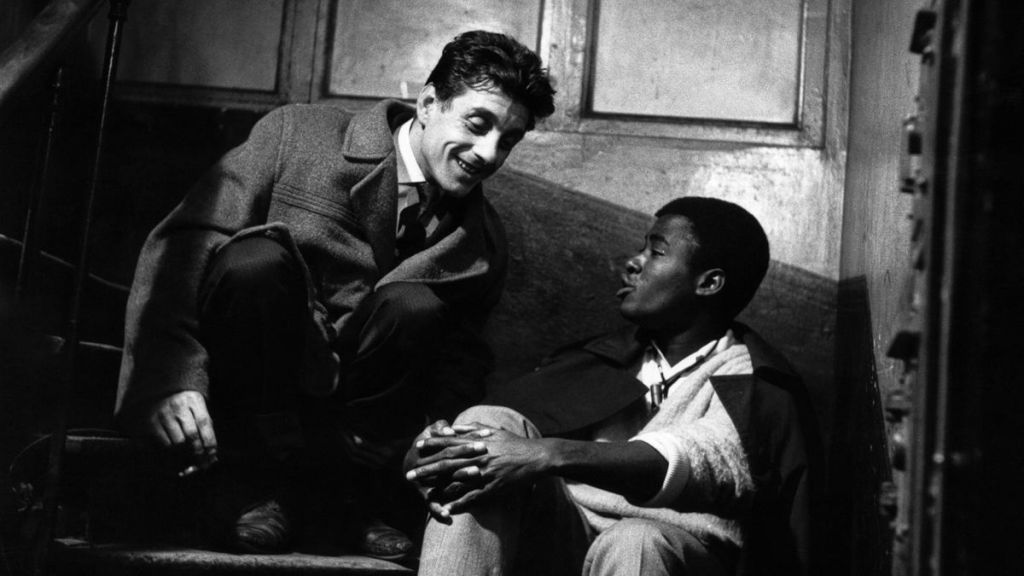
1. The Human Pyramid (1961)
Genre: Ethnofiction, Docudrama, Cinéma vérité

2. Chronicle of a Summer (1961)
Genre: Cinéma vérité
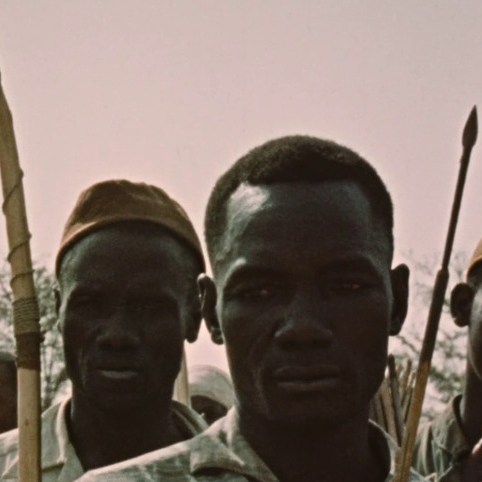
3. The Lion Hunters (1966)
Genre: Ethnographic Film

4. Petit a Petit (1971)
Genre: Docudrama, Comedy

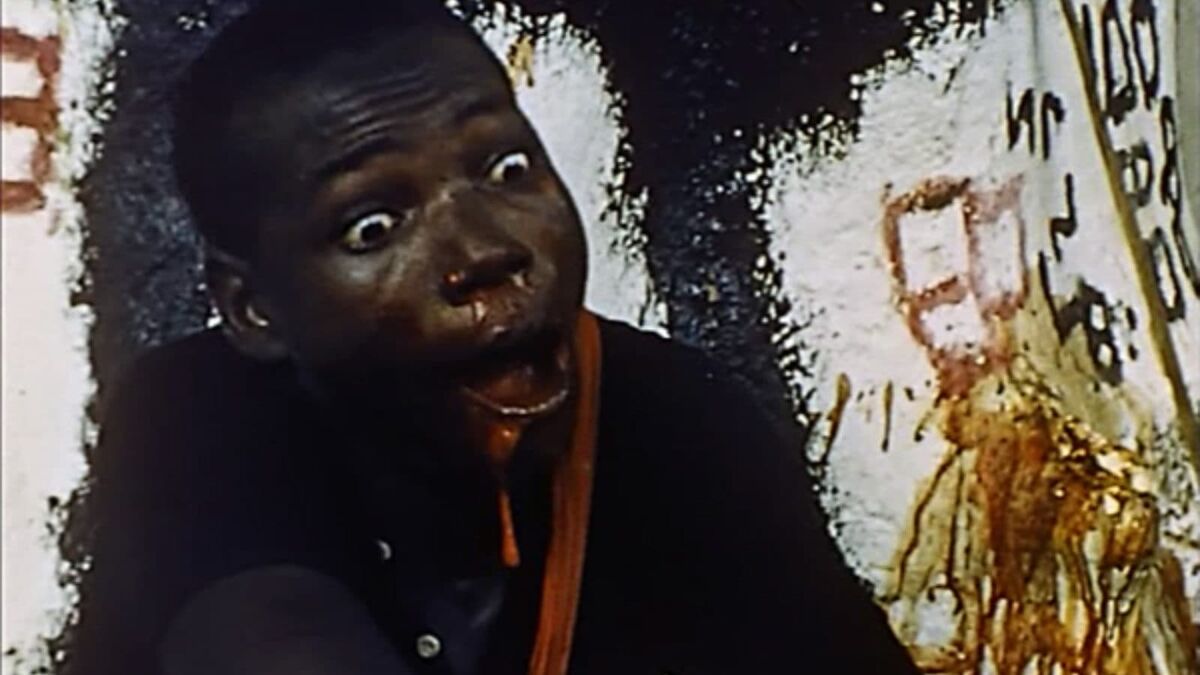
5. Moi, un noir (1958)
Genre: Ethnofiction, Docudrama, Cinéma vérité

Jean Rouch: Themes and Style
Themes:
- Cultural Interactions: Much of Rouch’s work dealt with the complexities of interactions between different cultures, especially post-colonial African societies and European influences.
- Migration and Urbanization: In films like Moi, un Noir, Rouch explored the challenges individuals face navigating the urban landscapes of rapidly modernising Africa.
- Rituals and Traditions: Many of his films, such as The Lion Hunters, focused on the rich traditional rituals of West African societies, emphasising their significance and the intricacies involved.
- Self-representation: Rouch was keen on giving his subjects a voice, allowing them to narrate their own stories and reflect on their identities.
Styles:
- Participatory Filmmaking: Rather than being a distant observer, Rouch often included his subjects in filmmaking, letting them guide the narrative or even hold the camera.
- Blurring Fiction and Reality: Rouch’s films often straddled the line between documentary and fiction. By incorporating elements of both, he sought to capture deeper emotional and social truths.
- Improvisation: He was known for his spontaneous style, often encouraging improvisation to capture genuine reactions and emotions.
- Candid Conversations: Inspired by cinéma vérité, Rouch’s films often featured candid conversations and interviews, aiming to glean raw, unscripted insights from his subjects.
Directorial Signature:
- Collaborative Approach: One of Rouch’s defining features as a director was his collaborative ethos. He regularly sought input from his subjects, sometimes allowing them to dictate the film’s direction.
- Ethnographic Lens: As an anthropologist, Rouch approached filmmaking with a deep desire to understand and represent cultures faithfully. This ethnographic perspective is evident in the meticulous detail and care he applied to each project.
- Questioning Objectivity: In his methods and finished films, Rouch often questioned the nature of truth and objectivity in documentary filmmaking. He embraced subjectivity as a means of reaching deeper truths.
- Innovative Techniques: Rouch never strictly adhered to conventional filmmaking techniques. Whether using handheld cameras for a more intimate feel or mixing narratives to challenge viewers’ perceptions, Rouch’s innovative techniques made his work stand out.
Jean Rouch – Great Director


 Bronze Screen Dream