

Jean-Pierre Jeunet is a French film director known for his unique vision and distinctively whimsical style. His eclectic range of work blends fantasy, romance, and comedy elements, resulting in an unmistakable cinematic language that has garnered him international recognition.
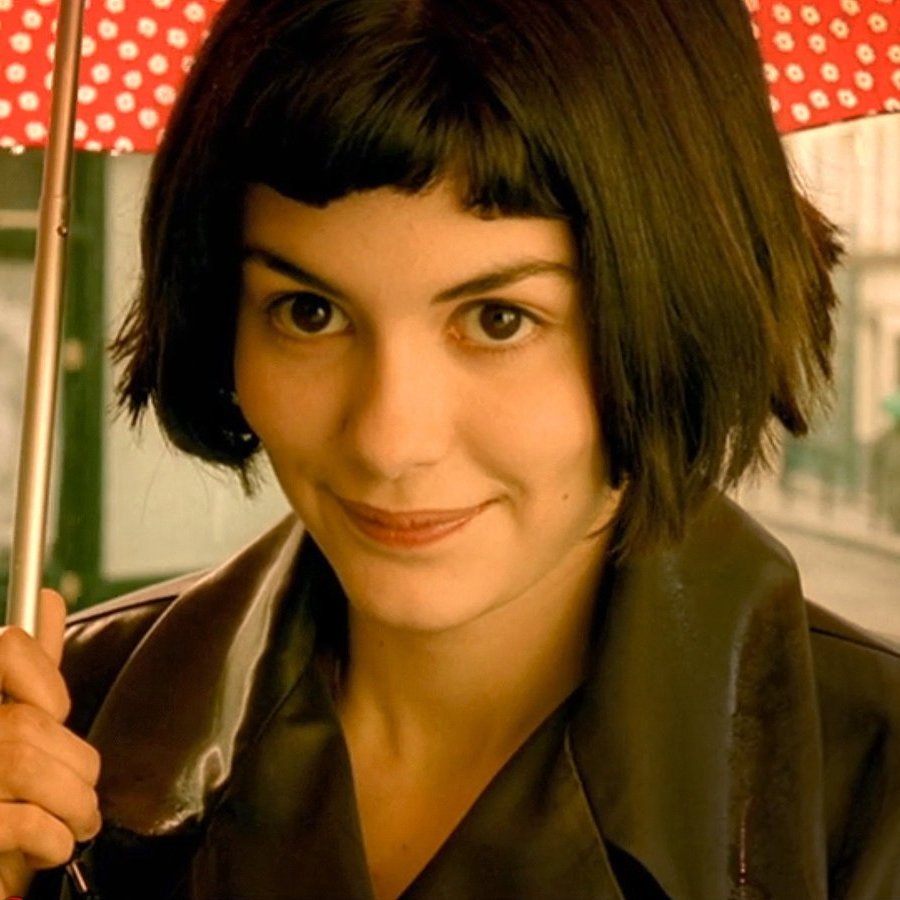
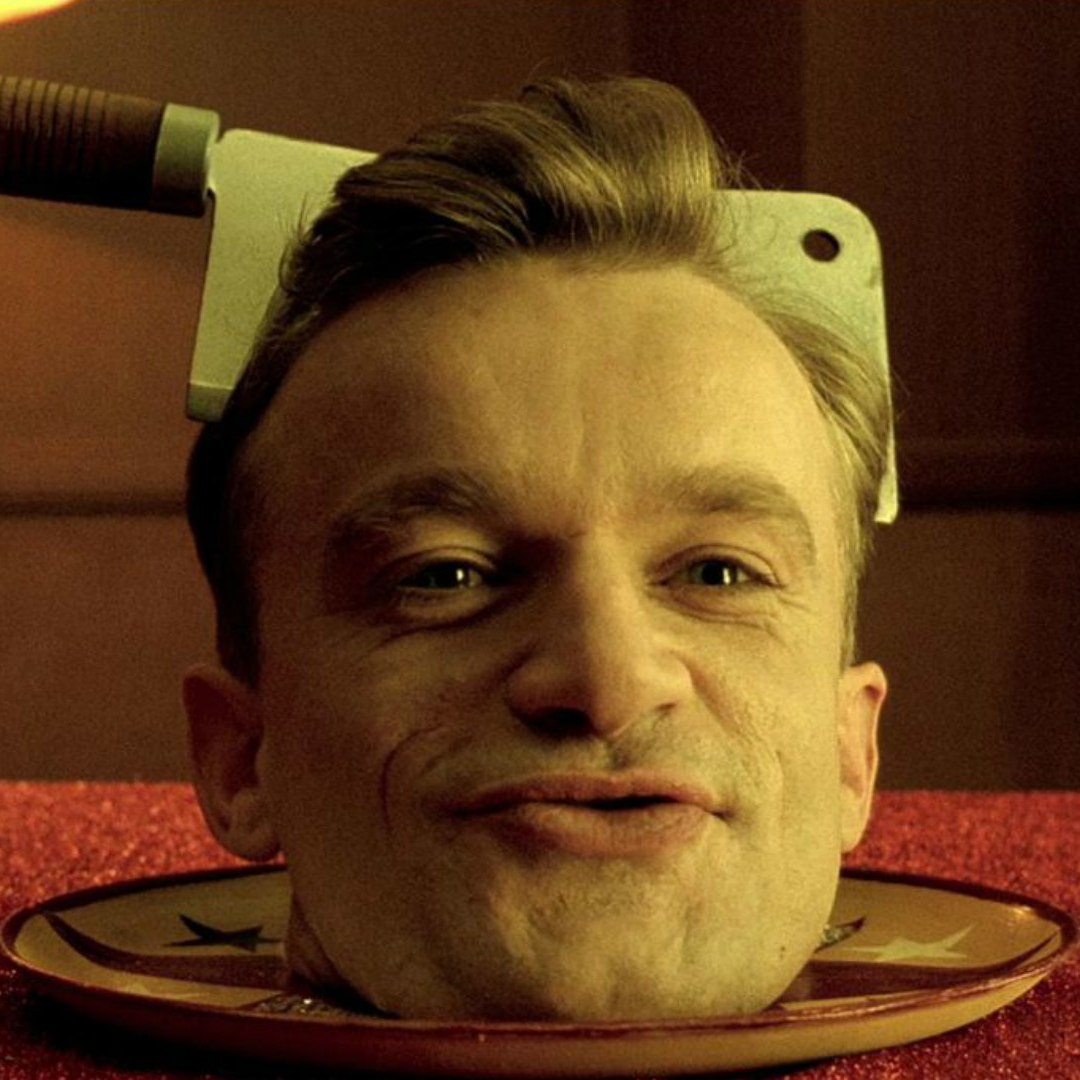
Recurring themes of love, eccentricity, and surreal whimsy mark Jeunet’s films. They often depict unconventional characters navigating a world that blends the mundane with the fantastic. His approach to filmmaking revolves around weaving intricate narratives filled with offbeat humour and charming details. For instance, Amélie follows a young woman’s journey who finds joy in orchestrating the lives of people around her while dealing with her isolation. Similarly, Delicatessen presents a post-apocalyptic world with its uniquely humorous and eccentric lens.
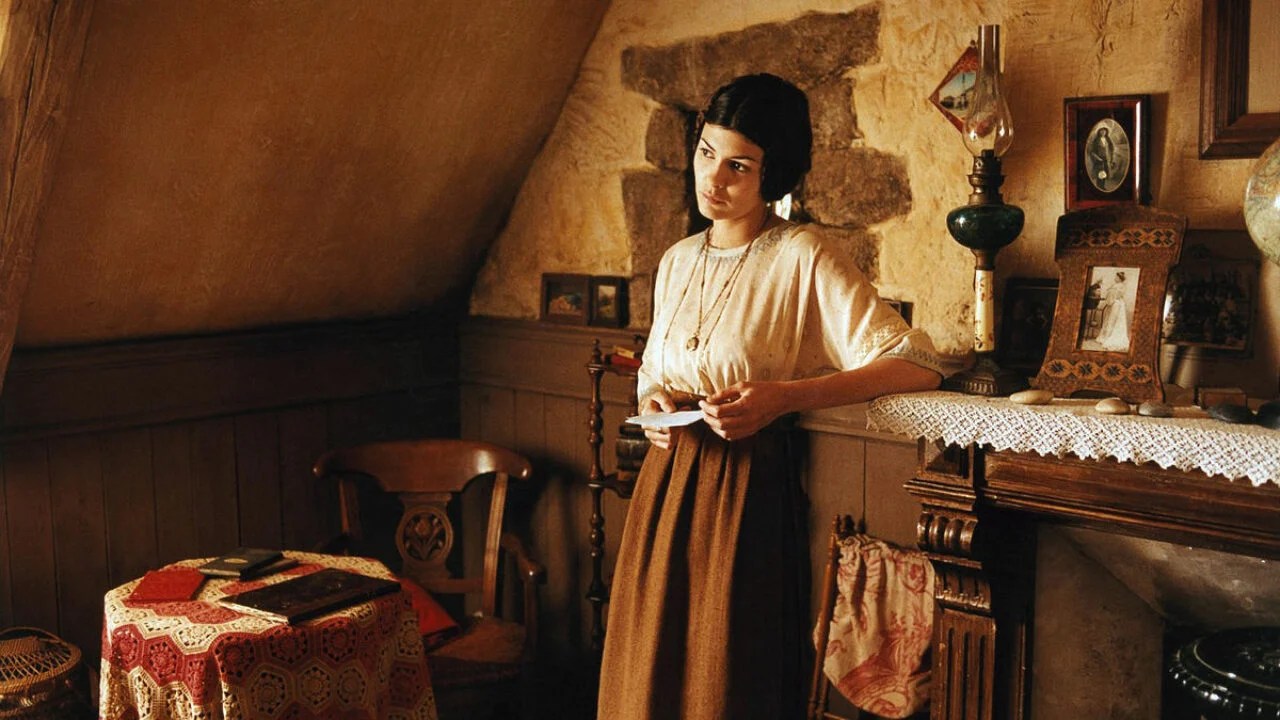
Jeunet’s style is visually characterised by lavish art direction, vibrant colour palettes, and meticulous attention to detail. His films often employ inventive camera techniques and playful visual effects, creating a heightened, almost dreamlike cinematic experience. For instance, Jeunet employs a distinctly dark and surreal aesthetic in The City of Lost Children, creating a dystopian world filled with bizarre characters and situations.
Jeunet’s impact on cinema is marked by his unique blend of fantasy, comedy, and romance, expanding contemporary filmmaking’s boundaries. Jeunet’s skill in creating fantastical worlds filled with eccentric characters, coupled with his innovative visual style, has made him a distinctive voice in world cinema.
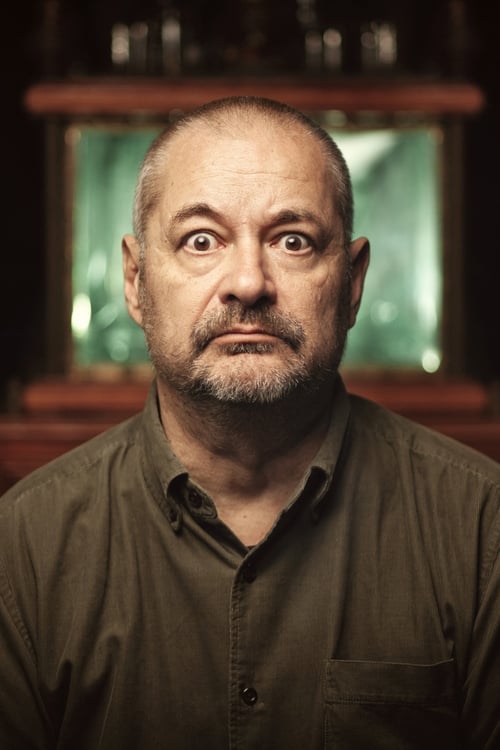
Jean-Pierre Jeunet (1953–)
Calculated Films:
- Delicatessen (1991)
- The City of Lost Children (1995)
- Amelie (2001)
Similar Filmmakers
- Alex de la Iglesia
- Alexandre Aja
- Charlie Kaufman
- Emir Kusturica
- Federico Fellini
- Guillermo Del Toro
- Jaco Van Dormael
- Jean-Jacques Beineix
- Leos Carax
- Luc Besson
- Michel Gondry
- Peter Greenaway
- Roy Andersson
- Spike Jonze
- Terry Gilliam
- Tim Burton
- Tom Tykwer
- Wes Anderson

Jean-Pierre Jeunet’s Top 5 Films Ranked
1. Amelie (2001)
Genre: Romantic Comedy, Drama

2. Delicatessen (1991)
Genre: Black Comedy, Dystopian, Absurdist Comedy

3. The City of Lost Children (1995)
Genre: Steampunk, Fantasy, Dystopian, Adventure

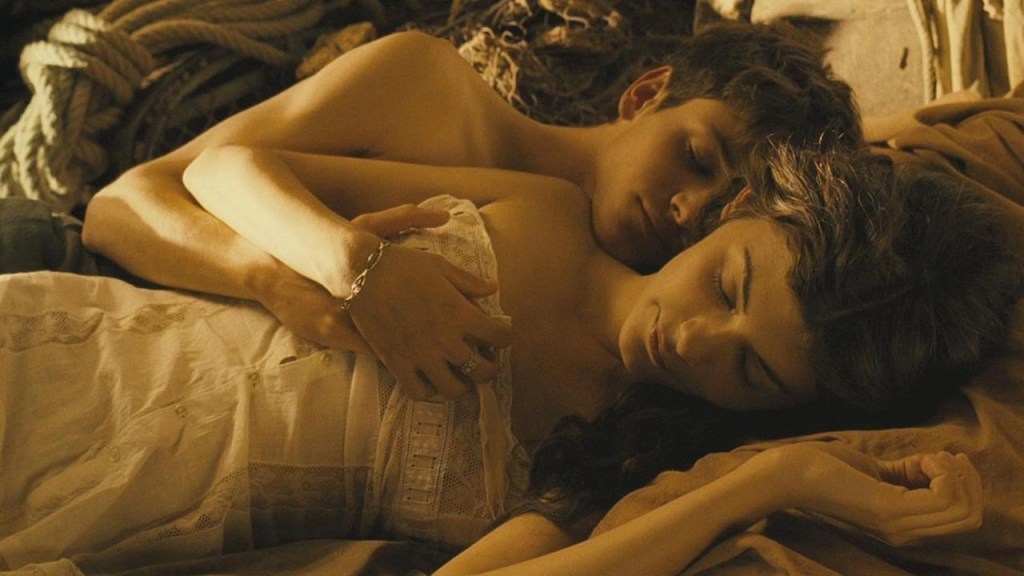
4. A Very Long Engagement (2004)
Genre: Romance, War, Period Drama
5. The Young and Prodigious T.S. Spivet (2013)
Genre: Adventure

Jean-Pierre Jeunet: Themes and Style
Themes:
- Nostalgia and Romanticism: Jeunet often explores themes of nostalgia and romanticism, showcasing a fondness for bygone eras. His films frequently romanticise the past, offering audiences a respite from contemporary life’s complexities and harshness.
- Whimsy and Fantasy: His works are imbued with whimsical and fantastical elements, providing a dreamlike quality that captivates audiences. This whimsy often serves as a counterpoint to the darker or more melancholic aspects present in his narratives.
- Loneliness and Alienation: Characters in Jeunet’s films often grapple with feelings of loneliness and alienation, mirroring the universal human struggle to find connection and meaning.
- The Underdog and Misfits: Many of Jeunet’s stories focus on underdogs or societal misfits, individuals who are often overlooked or marginalised but possess unique qualities or talents.
Styles:
- Visual Aesthetics: Jeunet’s films are visually striking, characterised by saturated colours (often utilising a sepia or amber palette), meticulous set designs, and an overall aesthetic that blurs the line between reality and fantasy.
- Inventive Storytelling: The director employs creative storytelling techniques, including nonlinear narratives, visual metaphors, and a blend of genres, to craft tales that are both engaging and thought-provoking.
- Quirky Characters: Characters in Jeunet’s films are often irregular and eccentric, providing both comedic and tragic elements that enrich the story. They are intricately developed and possess a depth that makes them relatable and memorable.
- French Atmosphere: Jeunet’s films often exude a distinctly French atmosphere, celebrating the culture’s romantic and whimsical aspects while also engaging with its historical and social contexts.
Directorial Signature:
- Unique Visual Style: Jeunet is recognised for his unique visual style, which combines realistic and fantastical elements to create a cinematic world that is enchanting and immersive.
- Narrative Devices: He frequently employs voice-over narrations, montages, and other narrative devices to provide additional layers of meaning and context to his stories.
- Collaboration with Actors and Crew: Jeunet often collaborates with the same group of actors and crew members, creating a cohesive and recognisable style across his films. Notably, his frequent collaboration with actor Dominique Pinon and cinematographer Bruno Delbonnel has significantly influenced his work’s aesthetic and thematic consistency.
- Integration of Genres: While his films are often categorised as romantic comedies or fantasies, Jeunet seamlessly integrates various genres, including drama, science fiction, and adventure, crafting stories that defy easy classification.
- Attention to Detail: Each frame in a Jeunet film is meticulously crafted, with careful attention paid to the minutest details in set design, costuming, and cinematography, creating visually rich and textured cinematic experiences.
Jean-Pierre Jeunet – The 257th Greatest Director



 Bronze Screen Dream